

Soup Is the Clear Winner, Every Time
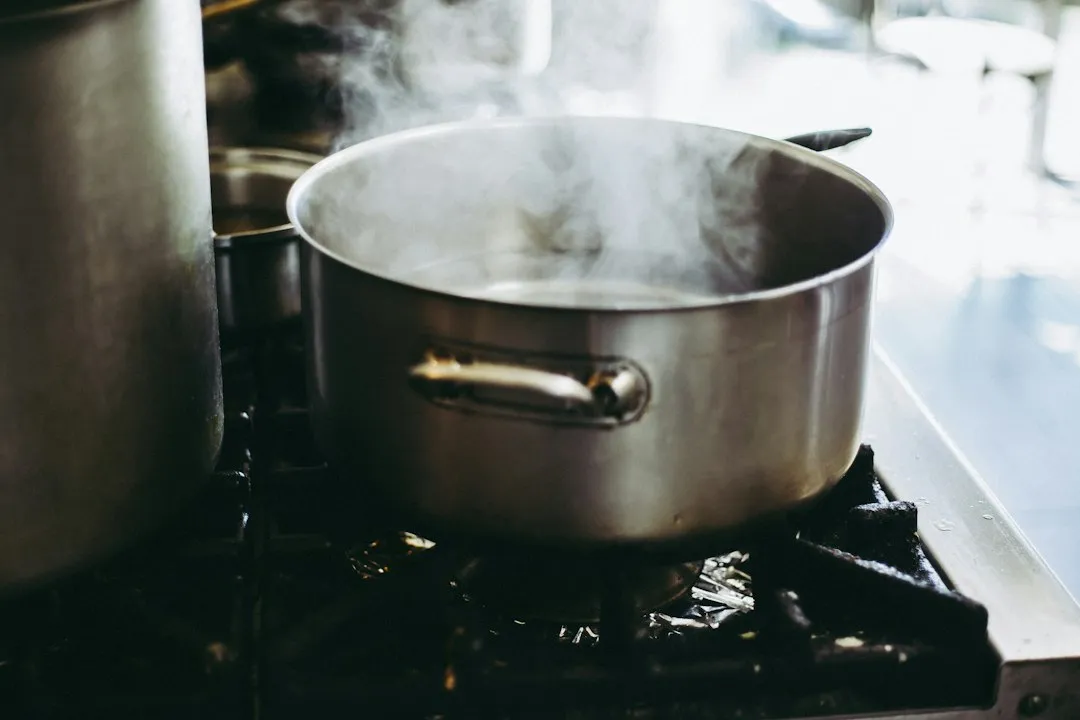
Plenty of dishes do travel well, and soups and stews are consistently among the best choices. Culinary educators note that due to their reliance on moisture and heat, they arrive at your door essentially unscathed. Liquid retains heat far more efficiently than solid food, which is why a bowl of French onion soup or a rich bisque almost always arrives properly steaming.
A growing trend in soup presentation has also translated particularly well to room service. Often, an order arrives on a tray with a bowl of garnishes and proteins, with the broth poured over tableside upon delivery, which means the liquid is essentially served at its peak temperature right in front of you.
Why Broth-Based Dishes Have a Built-In Advantage
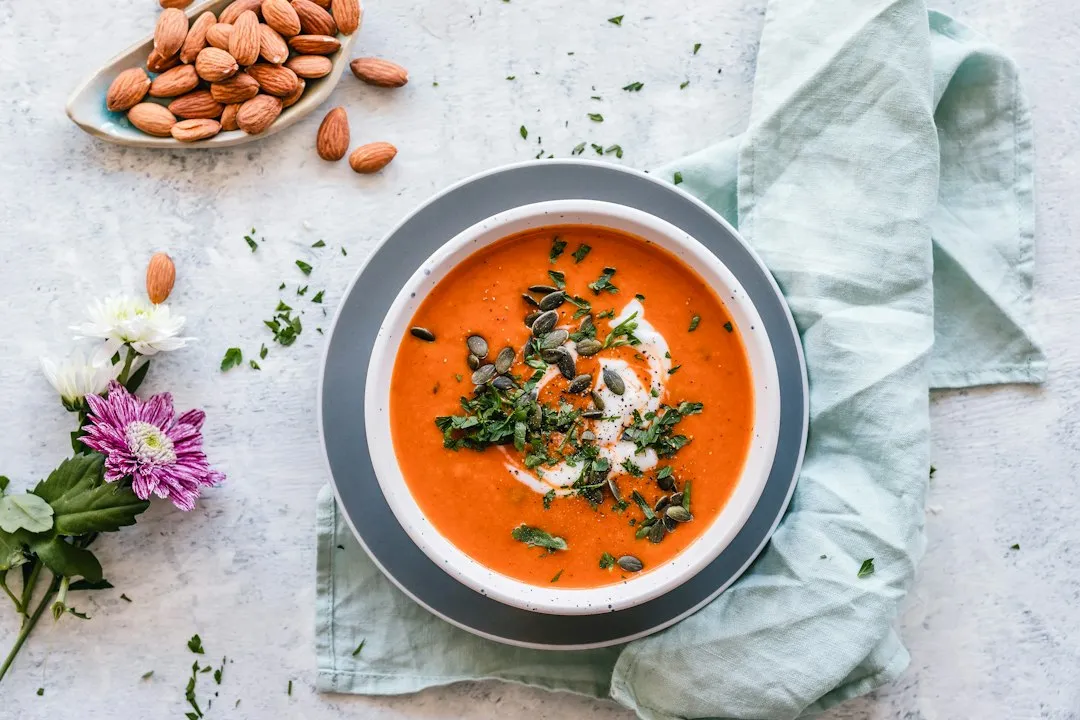
The science behind it is straightforward. Liquids have a high specific heat capacity, meaning they absorb and retain thermal energy more effectively than most solid foods. A bowl of soup sitting under a cloche for twenty minutes will still feel genuinely hot when uncovered. A plate of crispy fried chicken in the same situation will not.
From a food safety perspective, cooked food held for service must stay at 135 degrees Fahrenheit or above at all times. Soups and broths, especially when stored in insulated containers or covered tightly, tend to remain within safe and satisfying temperature ranges well into a standard delivery window. That’s a practical advantage no other food category matches as reliably.
Pasta and Risotto Hold Their Own
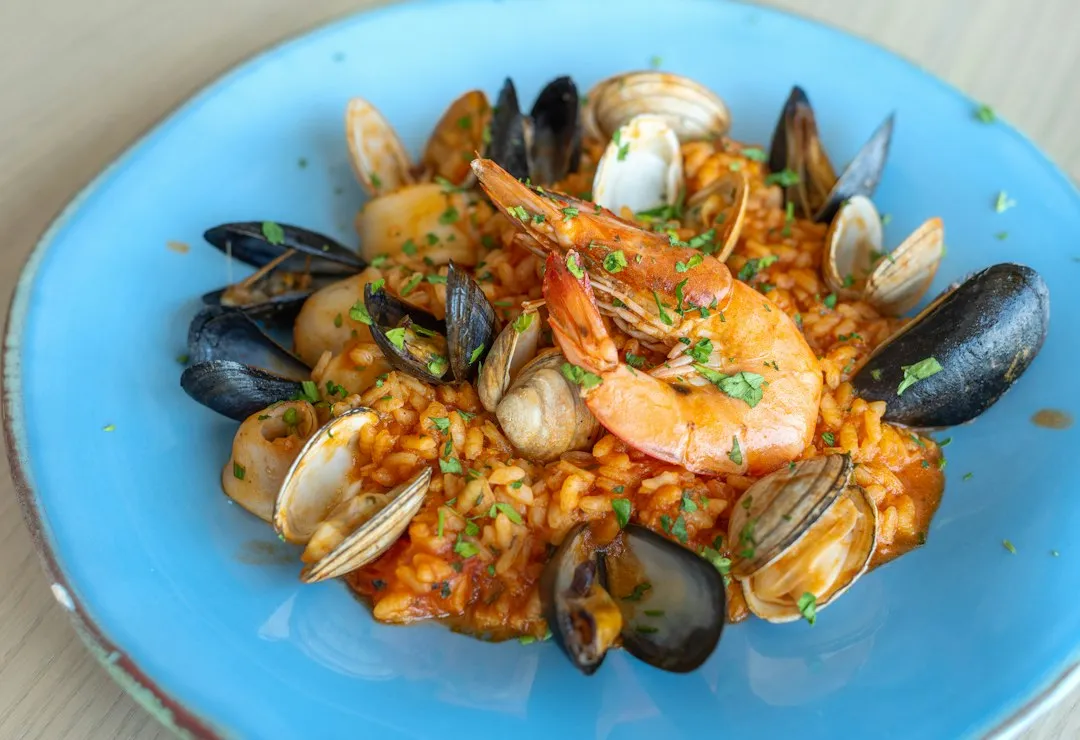
Menu engineers who advise hotels specifically prioritize dishes that hold texture. Pasta, risotto, soup, grain bowls, and sandwiches maintain quality over a 20 to 30 minute delivery window. Crispy-skin proteins, delicate salads with dressed leaves, and soufflés do not. This is why savvy guests who want a genuinely warm meal often reach for risotto or a pasta dish before they reach for a steak.
Risotto in particular benefits from its density and moisture content. The starchy, creamy base acts almost like thermal insulation for itself. By the time the trolley reaches your floor, a well-made risotto still tastes intentional rather than rescued.
The Problem with Fries, Toast, and Crispy Things

Not all room service dishes fare well on the long journey from the kitchen to your room. Foods that rely on crunch or crispness, like fries, fried seafood, or breaded appetizers, can quickly turn soggy under the cloche, the dome-shaped cover over the dish, which also traps condensation en route. The very thing designed to keep food warm also accelerates the demise of anything that needs to stay dry to be good.
Hot toast goes cold and refuses to melt a spread of butter. Soufflés collapse, chicken dries out, and steaks continue cooking beyond their desired temperature. These aren’t minor quibbles. They’re structural flaws in the room service format that no kitchen, regardless of how talented, can fully overcome.
What Hotels Actually Design Their Menus Around
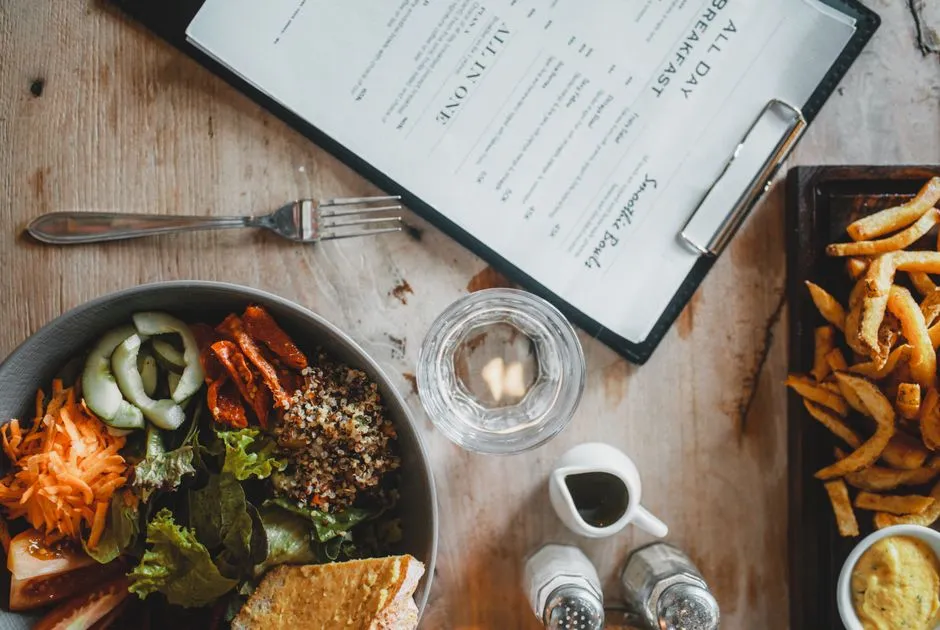
A room service menu is a curated selection rather than a full restaurant offering. Hotels specifically choose dishes that travel well and maintain quality during delivery. Breakfast classics, sandwiches, salads, pasta, and a few signature dishes are usually included, but elaborate tasting menus and more delicate dishes are less common. That restraint is intentional, not lazy.
Building a high-margin core around pasta dishes, gourmet sandwiches, and curated charcuterie boards is a deliberate strategy. These carry low food cost and high perceived value, and critically, they’re among the few categories that arrive looking and tasting close to what the kitchen intended. The menu has been quietly edited with your comfort in mind.
Delivery Time Has More Impact Than Most Guests Realize
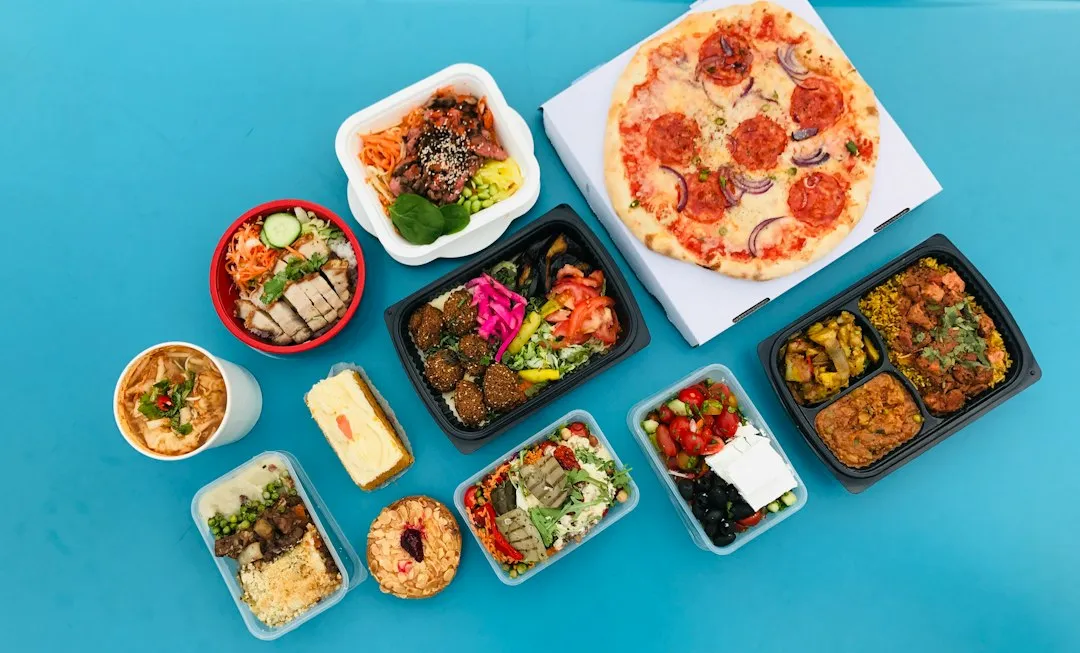
Once you’ve placed your order, expect a wait of 20 to 60 minutes, depending on how busy the kitchen is. That’s a wide range, and it matters enormously for temperature-sensitive items. A bowl of soup ordered during a quiet mid-afternoon will arrive in better shape than a steak ordered during a Friday evening rush at a full-service resort.
Twenty to thirty minutes is a typical wait for room service. At peak times, in big hotels, catering teams reserve the right to take up to an hour to get your food to you. Experienced room service staff will always tell you: order before you’re hungry. The gap between the kitchen and your door is where most meal quality is quietly lost.
The Role of Delivery Equipment in Keeping Food Hot
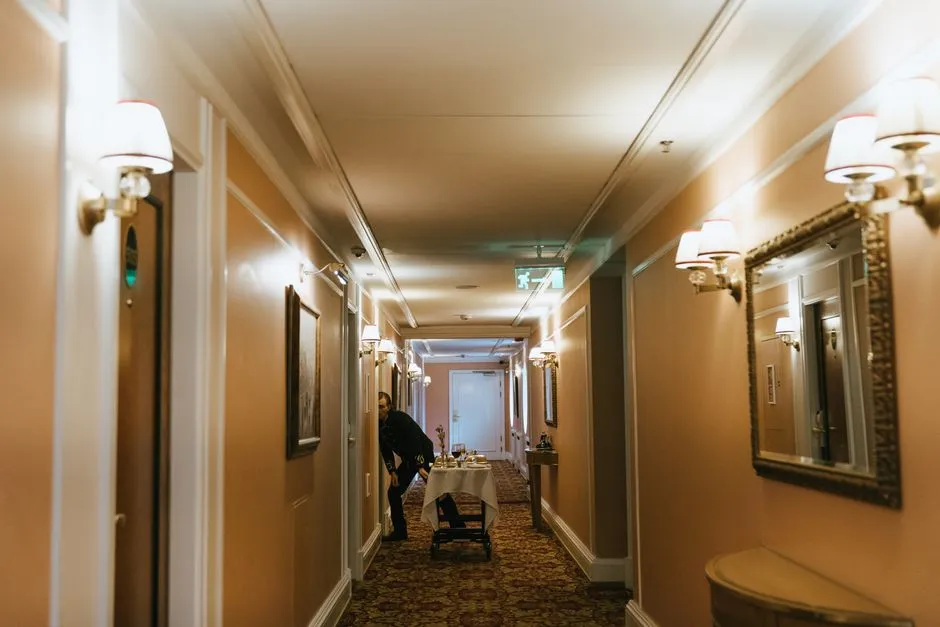
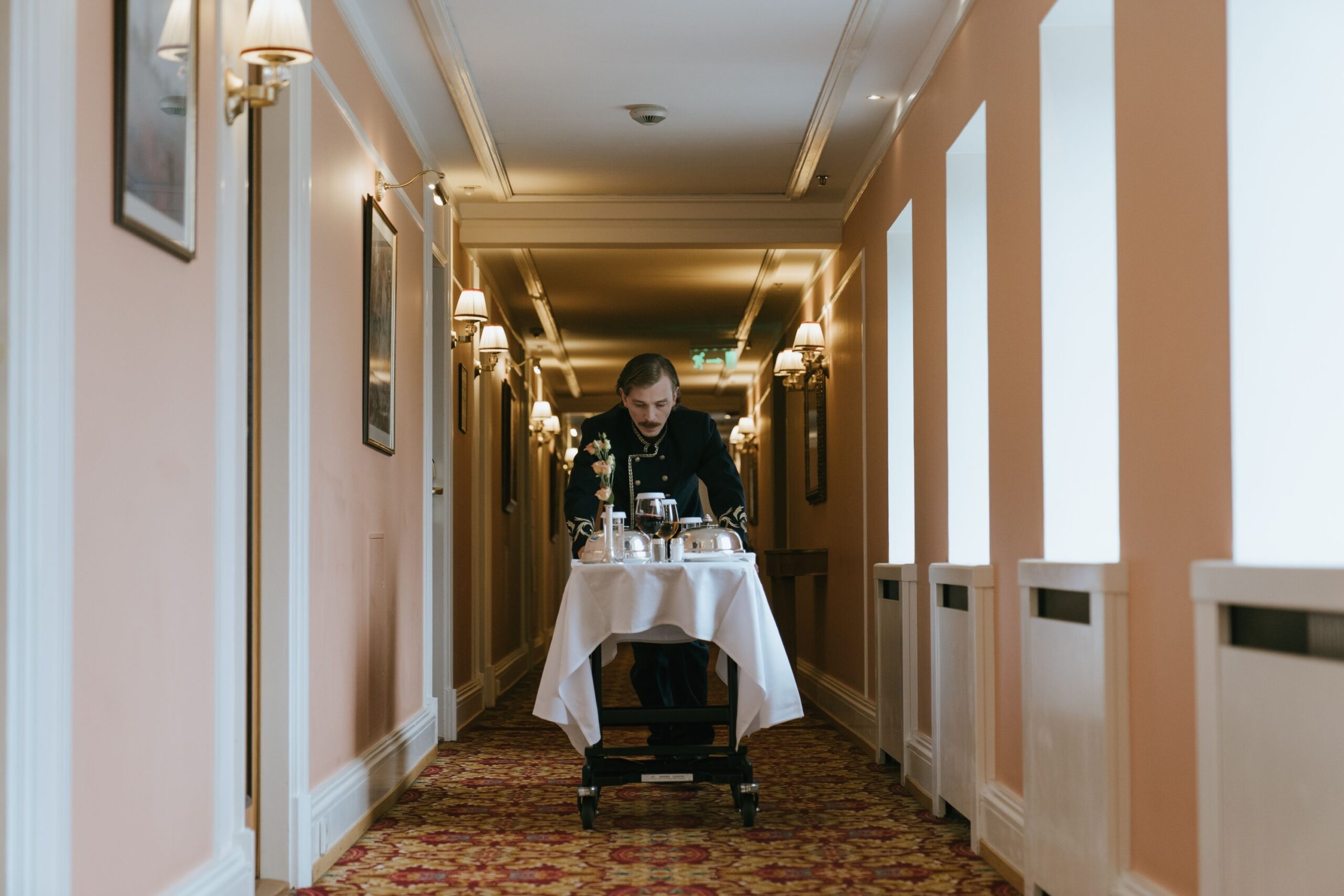
Room service trolleys with hot boxes are specifically designed to deliver hot food and beverages directly to hotel guests. These trolleys feature a sturdy table design with foldable leaves, and the integrated cupboard or side racks provide ample space to securely carry hot boxes beneath the table, keeping meals warm and organized during transit. The quality and age of this equipment varies significantly by property.
Some large hotels decentralize their room service by having separate pantries on different floors. Filling guests’ orders from a pantry on or near their floor expedites serving times and improves food quality. If your hotel operates this way, soups and broth dishes will arrive in remarkable condition. If everything travels from a single central kitchen, expect some variation.
Oatmeal and Porridge Are Underrated Morning Orders
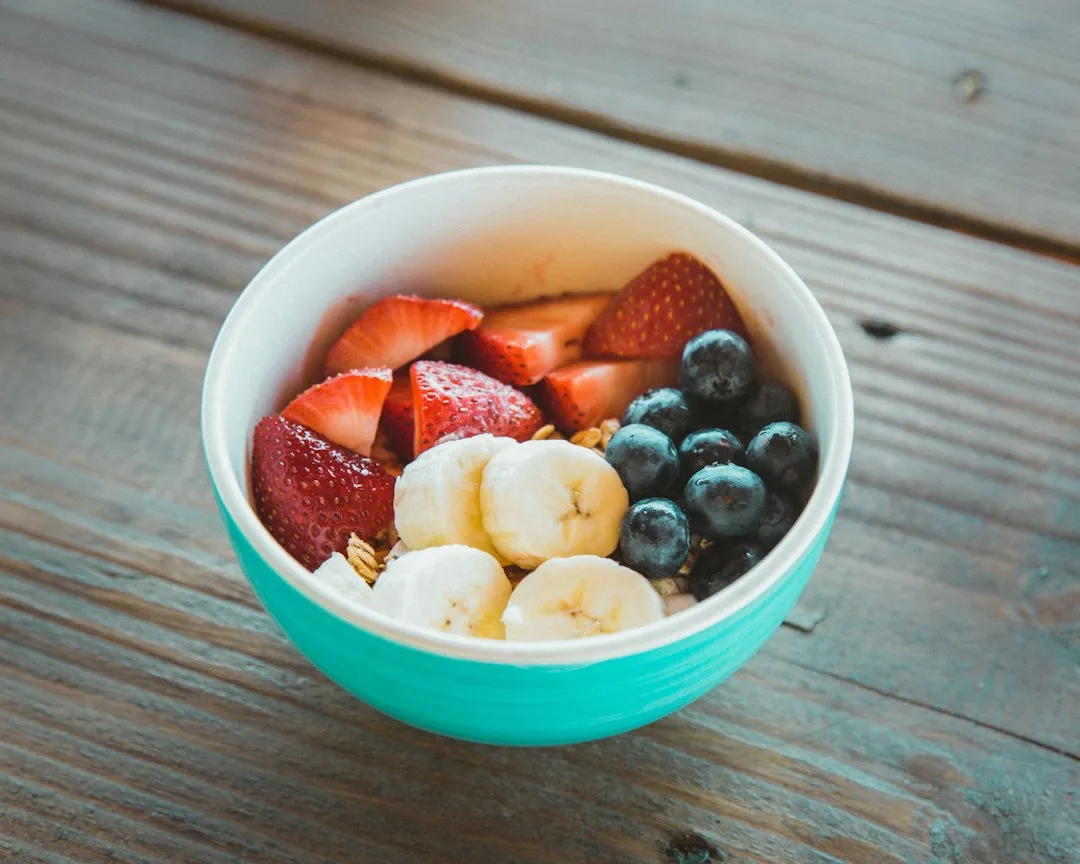
Health codes require hot food to stay above 140 degrees Fahrenheit, and guests expect scrambled eggs, sausage, and oatmeal to actually be hot, not lukewarm. Oatmeal, perhaps the least glamorous item on any room service menu, consistently punches above its weight in terms of temperature retention. Its thick consistency and moisture content mean it stays genuinely warm through a full delivery cycle.
Oatmeal, grits, and porridge are breakfast staples at many properties, especially in colder climates or for guests seeking lighter options. For anyone who has ordered scrambled eggs only to receive something resembling rubber tiles, oatmeal is the quiet upgrade. It arrives hot, stays hot, and costs a fraction of the elaborate breakfast plates that lose their appeal in transit.
Guest Satisfaction with Room Service Food Is Under Real Pressure

While more guests staying at branded hotels run by major third-party management companies said they choose to dine on-property, with that number rising noticeably between 2024 and 2025, guests reported less satisfaction with food quality, dining area cleanliness, food and beverage presentation and ambiance. Temperature is frequently cited as a contributing factor in that dissatisfaction.
Guest satisfaction for quality of food, cleanliness of dining areas, and food and beverage ambiance are all lower than they were in 2024, according to the J.D. Power 2025 North America Third-Party Hotel Management Guest Satisfaction Benchmark. Ordering dishes that hold temperature well isn’t just about personal preference. It’s a practical way to protect your own experience inside a broader system that’s struggling to meet expectations.
What Experienced Staff Quietly Recommend
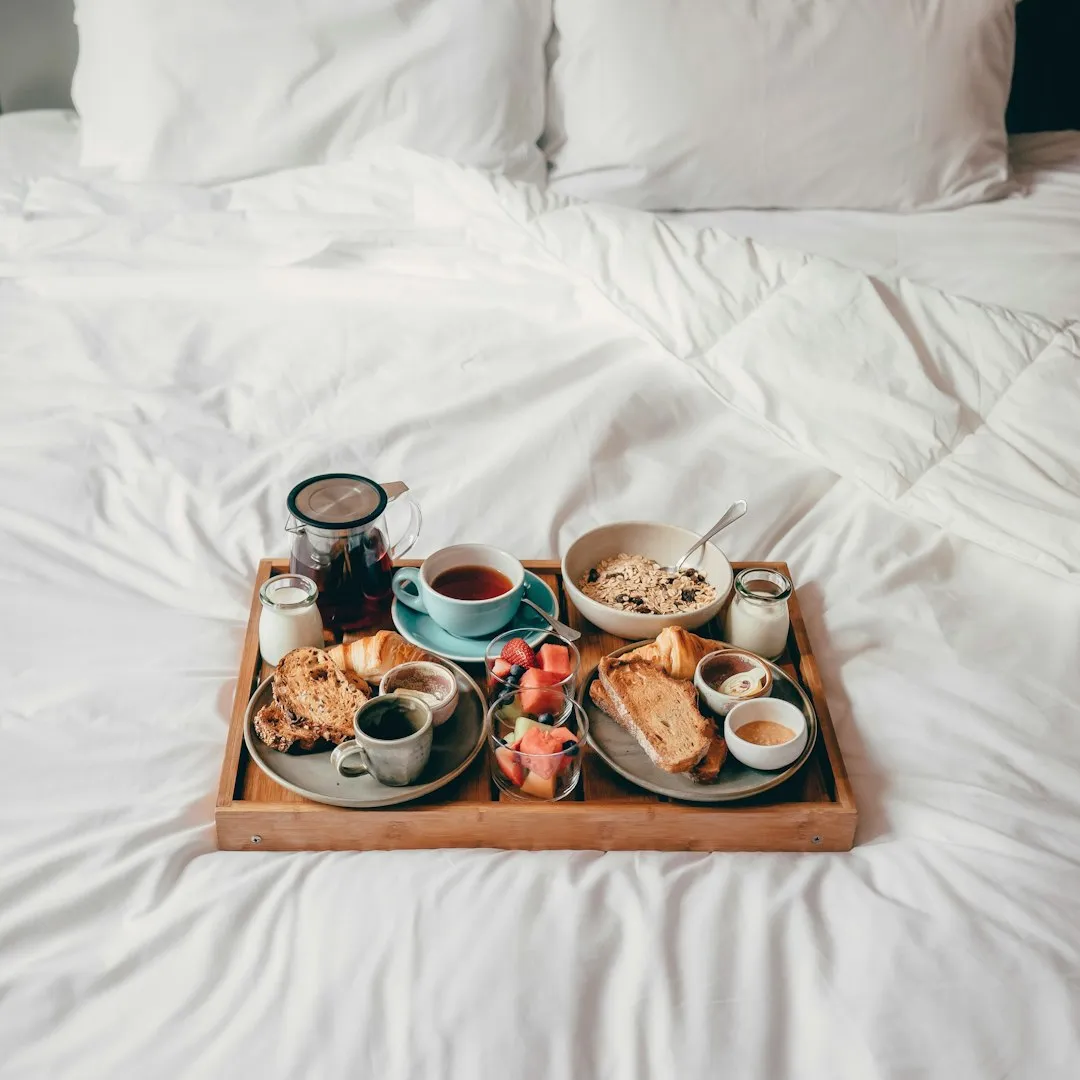
Hotel sales and service professionals consistently suggest ordering foods that travel well. French fries will likely get soggy in transport unless you request them extra crispy. The consistent advice is to go for a salad with a cold protein, rather than a cold salad with a hot chicken breast, and to order cold food that is all cold or hot food that is all hot. Mixing temperature zones on a single tray is where the real disappointment tends to start.
If you’re craving something that could be easily ruined, don’t hesitate to ask for your meal to be delivered in courses. You can request that your dessert be brought later, after your entrée, so you can enjoy your sorbet as it should be. Most good room service teams will accommodate this without any fuss. It’s a simple ask that most guests never think to make.
The Bottom Line for Every Future Hotel Stay
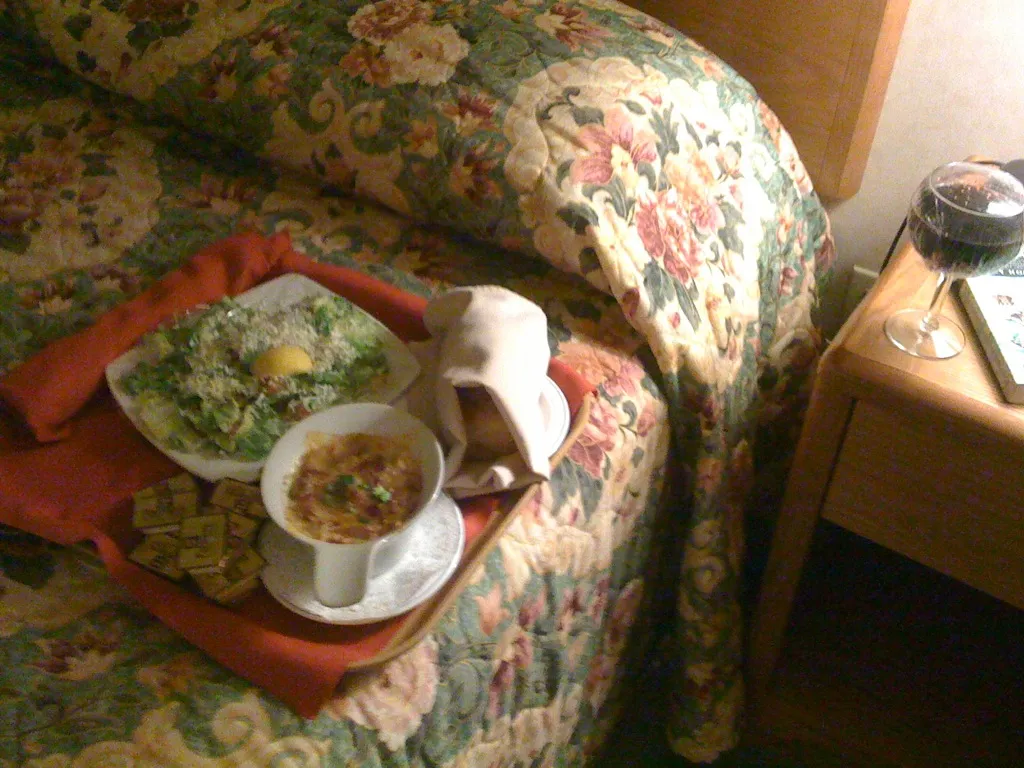
The order that consistently arrives hottest is soup, and it’s not particularly close. Its physical properties, its compatibility with insulated trolleys, and its forgiving nature during a 30-minute transit all work together in ways that no other dish can match. Staff across hotel categories know this, even if the menus don’t always spell it out.
Beyond soup, the pattern is consistent: dishes with moisture, density, and mass retain heat. Dishes built on crispness, lightness, or delicacy lose their character somewhere between the pass and your pillow. The 2024 Hotels.com Room Innsights survey found that roughly three quarters of room service orders cost fifty dollars or less, which means most guests are spending real money on meals they deserve to actually enjoy. Ordering smart is the simplest way to make sure that money lands on something worth eating.
AI Disclaimer: This article was created with the assistance of AI tools and reviewed by a human editor.