
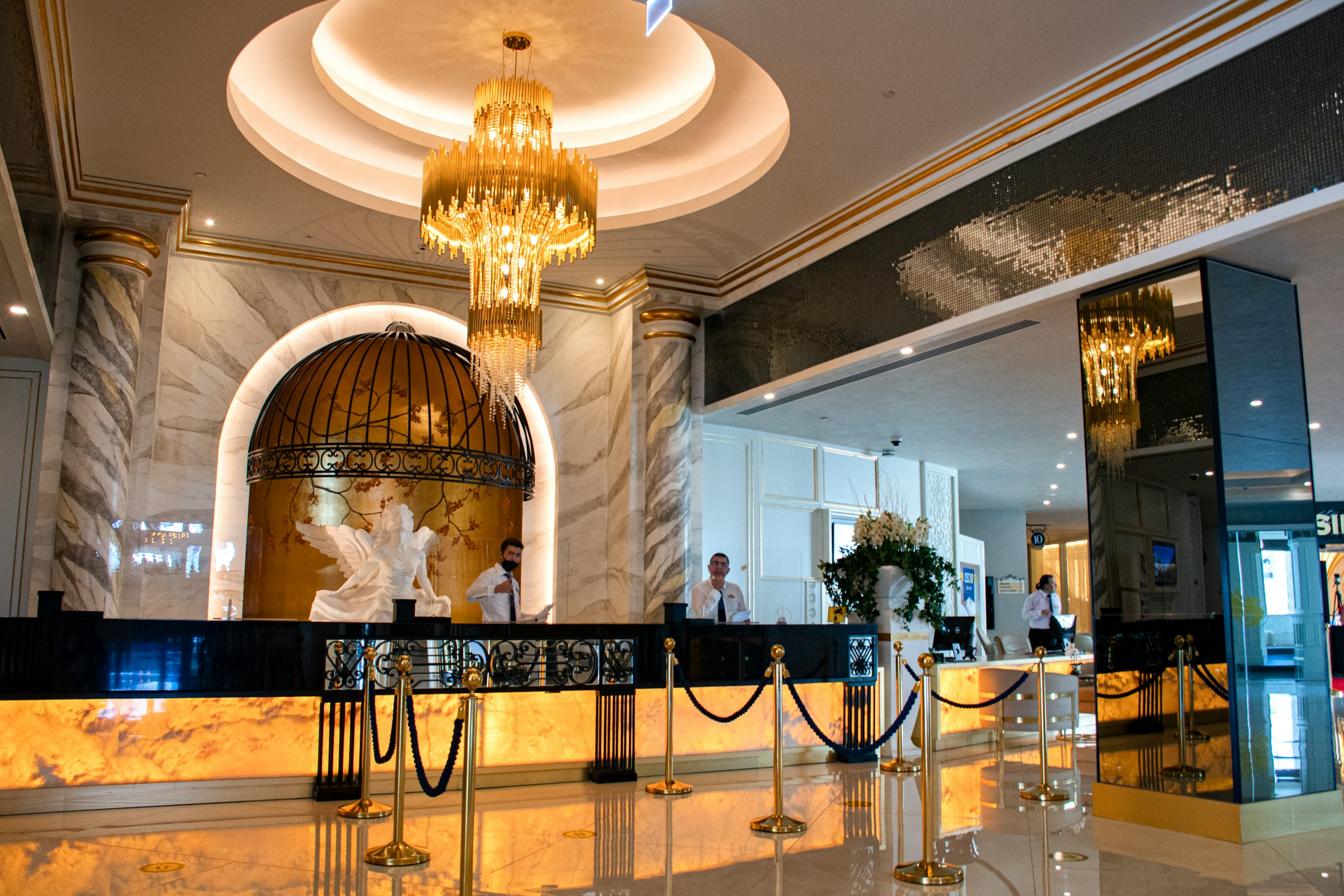

Walk into a Ritz-Carlton in Miami or one in Singapore, and something strikes you before you’ve even glanced at the lobby design. There’s a familiar quality in the air, warm and faintly coastal, that you can’t quite place but immediately recognize. It’s not an accident, and it’s not a coincidence.
Hotel brands have quietly turned scent into one of their most deliberate design decisions. The people behind these invisible signatures, professional scent designers and fragrance consultancies, are increasingly willing to talk about how it works, and why every single lobby in a major chain tends to smell exactly the same.
The “Scent Logo” Is Now a Real Thing
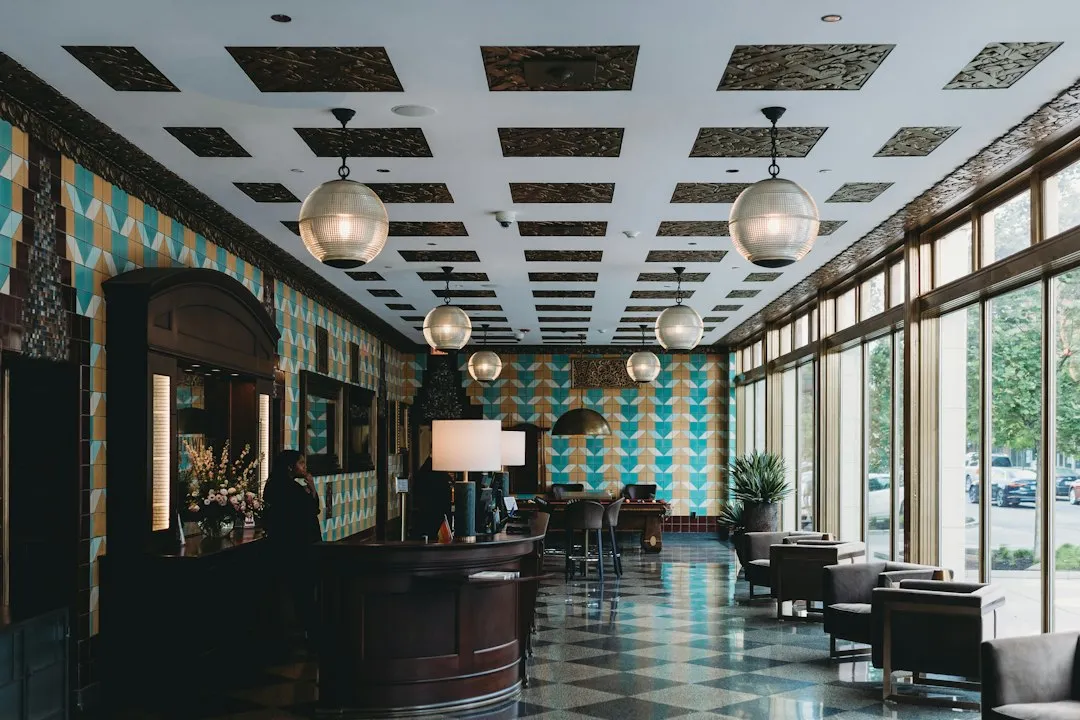
Custom scent marketing acts as an additional layer of modern hotel design, functioning as what some in the industry call a “scent logo,” an olfactory signature that works to differentiate brands within a saturated market. It’s a concept that might sound frivolous until you consider the engineering and budget behind it.
Most flagship luxury hotels, including 1 Hotel, The Ritz-Carlton, W, Westin, Edition, Aria, and Fairmont, pay scent houses six and seven figures to develop proprietary lobby fragrances, then diffuse them through HVAC systems so the scent is ambient and everywhere. The goal, as designers describe it, is disarmingly simple: you feel the brand before you see the logo.
Your Brain Is the Real Target

Scent signals travel through the olfactory bulb, which connects directly to the amygdala and hippocampus, the brain’s emotional and memory centers. Unlike other senses, smell bypasses the thalamus, producing faster and more emotionally immediate responses. This is not a small distinction.
Studies have shown that humans remember roughly 35 percent of what they smell, compared to only about five percent of what they see, two percent of what they hear, and one percent of what they touch. For a hotel brand trying to build lasting recall, that kind of retention is extraordinary. Harvard Medical School research describes the olfactory-limbic connection as generating roughly 75 percent of the emotions experienced in daily life.
How a Single Scent Gets Built for an Entire Brand
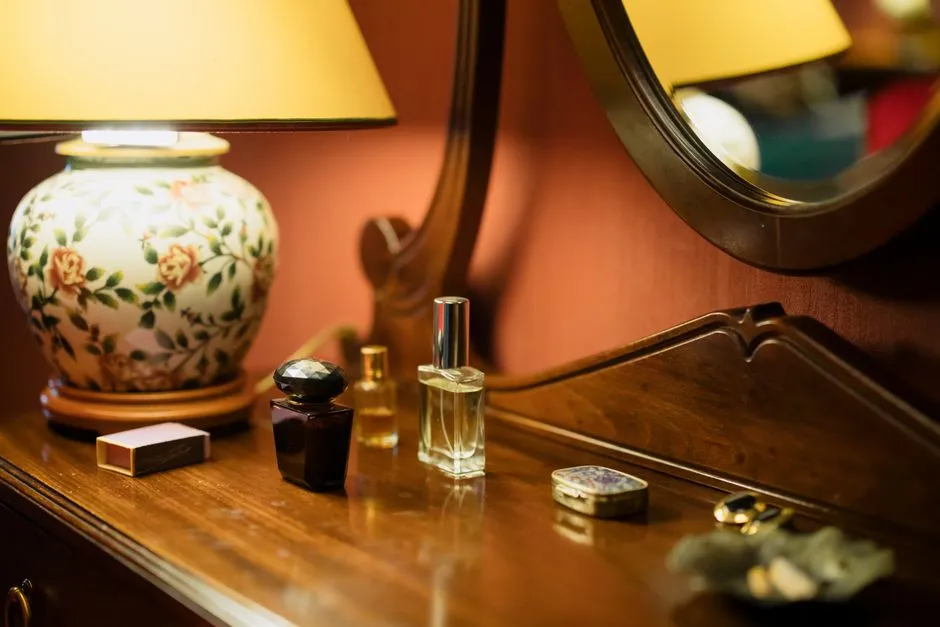
Scent design firms work intimately with hoteliers to understand the needs of their customer base, asking pivotal questions about the brand message: Is it a young American crowd or a European or Asian traveler most likely to enter your lobby? Will the signature scent be calming or energizing? Sexy or subdued? Chosen scents are sophisticated, and they must resonate with guests who all have subjective olfactory preferences.
A wellness resort might choose calming, natural scents such as lavender and eucalyptus, while a luxury city hotel might opt for rich, warm notes like vanilla and sandalwood. The scent must align with the brand narrative and enhance the intended guest experience. Once the formula is locked, it becomes proprietary, and that formula gets replicated across every property in the brand portfolio.
The Technology That Makes It Invisible
Professional scent systems use cold-air nebulization, a waterless process that uses pressurized air to break down pure fragrance oil into an extremely fine, dry mist of nanoparticles. Because these microscopic particles are so light, they behave more like a gas than a liquid spray. This is why you never notice a device or a vent in a hotel lobby: the delivery is genuinely invisible.
Installed out of sight in a utility room, the system doses fragrance directly into the airflow. The building’s own ductwork then carries the scent silently and evenly to every designated area. This method is the definitive solution for achieving brand consistency across a large property or even multiple locations. It ensures that whether a guest is in the lobby, a hallway, or a guest room, or visiting a branch in another city, the signature brand experience is identical.
Who Is Actually Doing This Work
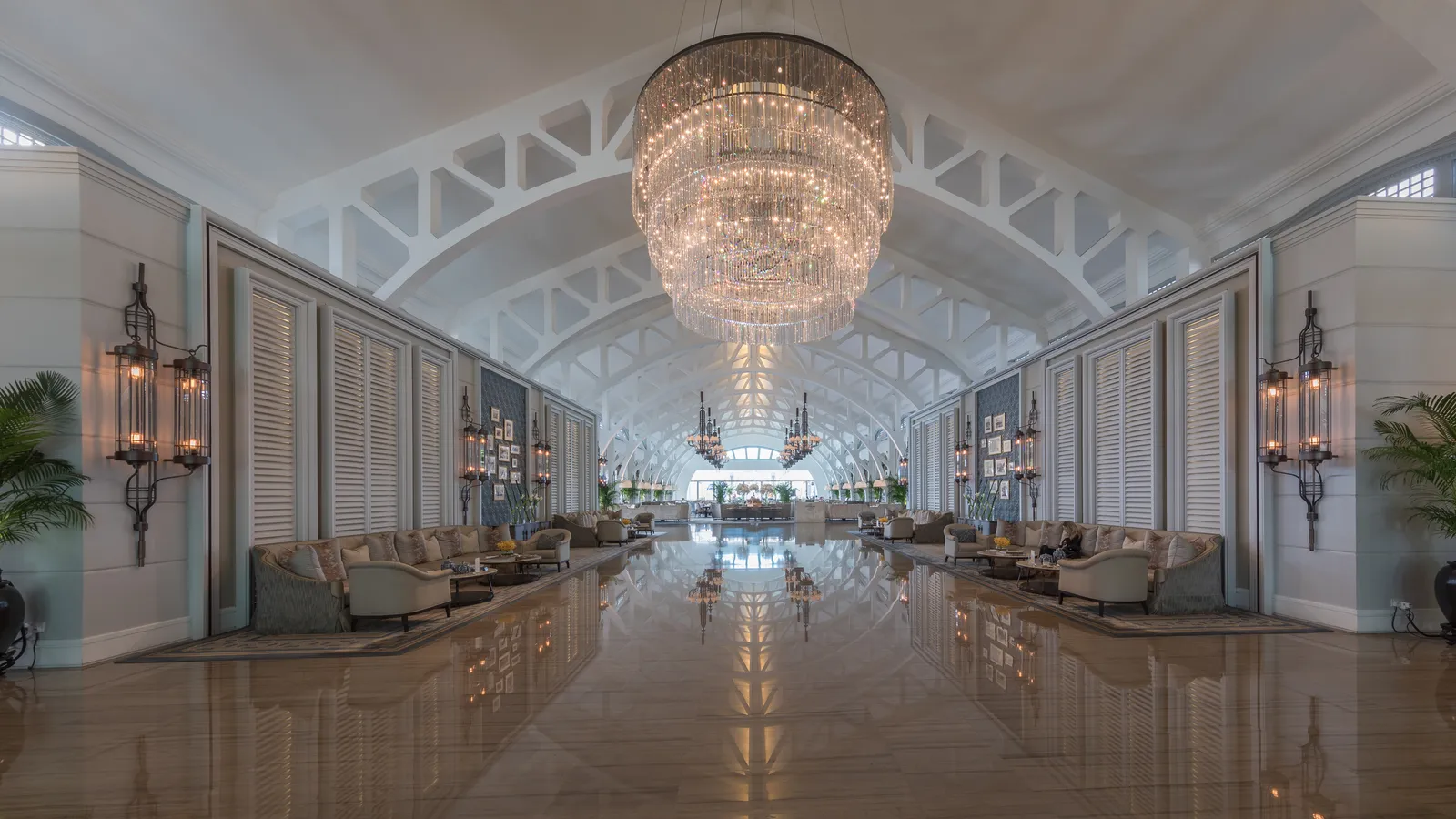
As a global leader in scent marketing, Air Aroma collaborates with Hilton to create custom fragrances for a variety of its flagship brands, including Waldorf Astoria, Conrad, DoubleTree, Curio, and Hilton Hotels. The reach of a single scent design firm can stretch across thousands of properties worldwide.
Air Aroma has also developed signature scents for luxury multinationals like Capella, Four Seasons, Ritz-Carlton, The Langham, Standard Hotels, and Kimpton, as well as boutique properties. Cold-air diffusion technology ensures that signature scents are delivered consistently and discreetly, without compromising the considered appearance. Carefully selected natural ingredients and advanced scent diffusion systems allow fragrances to permeate seamlessly through hotel lobbies, elevator landings, and public spaces.
Specific Notes, Specific Reasons
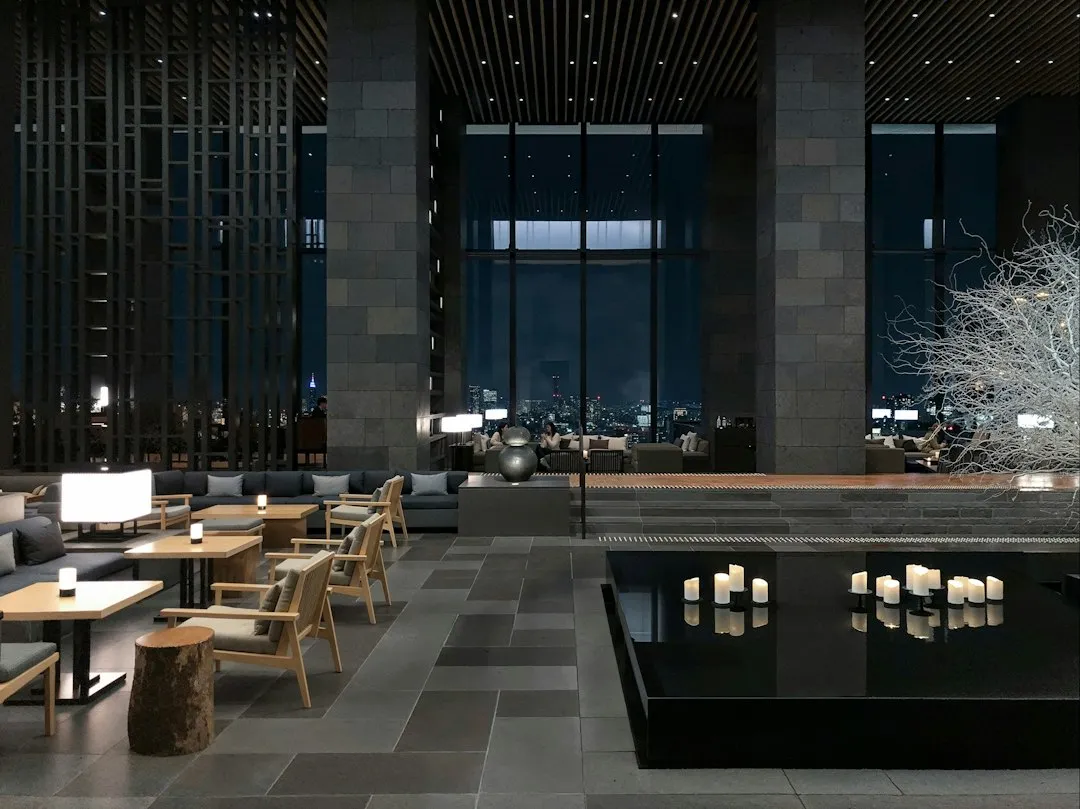
The best scent for a lobby or reception is one that conveys cleanliness, exclusivity, and calm. Citrus notes combined with light woods or white tea are among the most effective, as they reduce travel stress and elevate the perception of service quality. In luxury hotels, personalized scent profiles including sandalwood or bergamot are recommended for a unique olfactory signature.
Floral and citrus notes are commonly used in lobby areas to energize and welcome guests, with their fresh and uplifting qualities. Delicate jasmine wafts through spas to encourage relaxation, with peppermint notes to nurture rejuvenation. Every note in a hotel fragrance is chosen with specific psychological intent, not purely for aesthetic appeal.
What Consistency Actually Achieves
Research indicates that customers can recognize a brand by scent alone in about 60 percent of cases. By consistently using the same scent across all their properties, hotels can create a unique olfactory signature that fosters a sense of familiarity and loyalty among guests, ultimately improving guest retention rates.
Data shows that 91 percent of hotel guests report a pleasant smell had a positive impact, while 69 percent say that a pleasant smell in a hotel lobby would improve their perception of the brand. Hotels using scent marketing see roughly 23 percent higher guest satisfaction scores, according to the Journal of Travel Research. These aren’t trivial numbers for an industry where loyalty programs are fiercely competitive.
The Memory Effect Is Long-Lasting
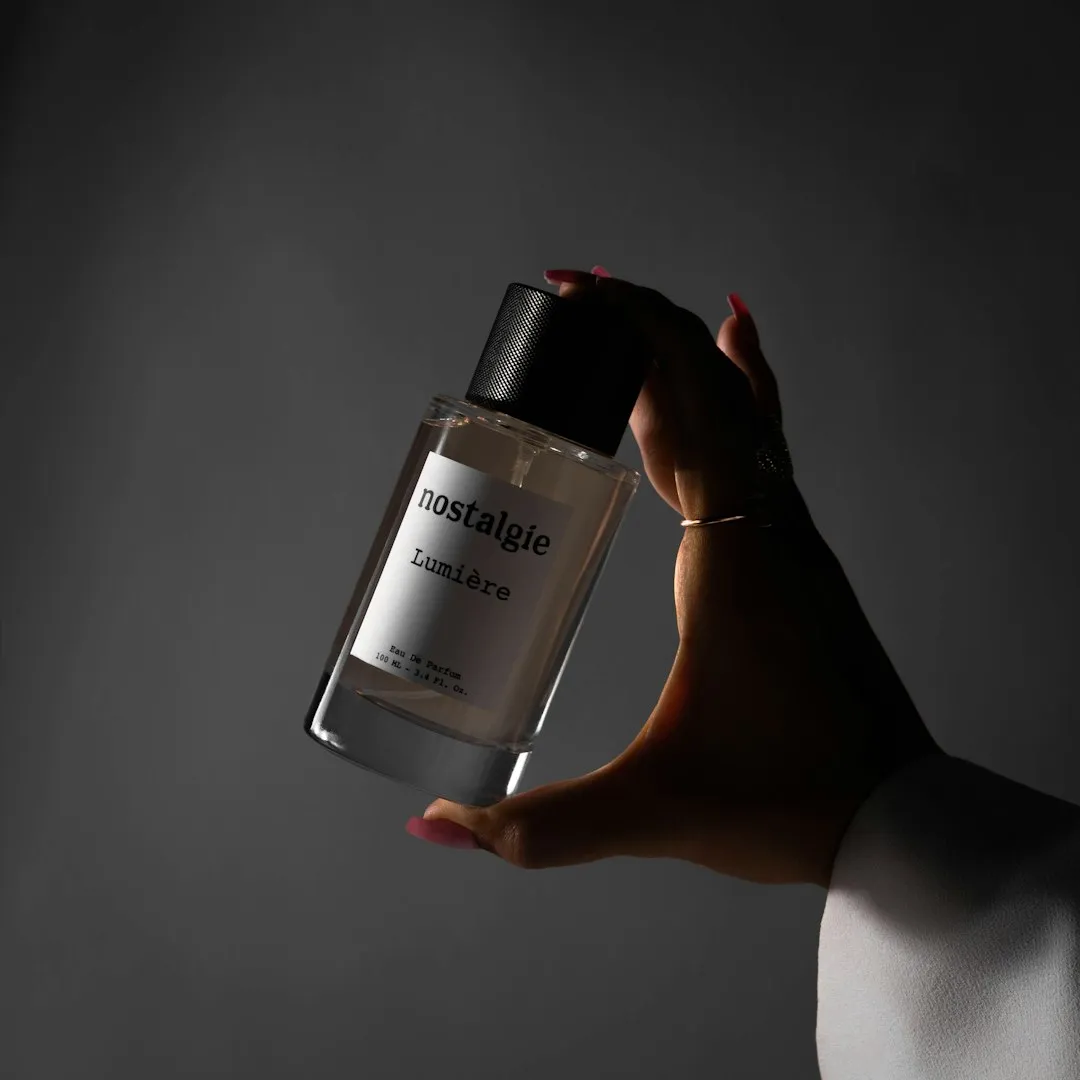
The goal of a branded scent should be to lodge it within a guest’s memory. Visual memories fade by roughly 60 percent after a year, while the memory of a scent fades by only about 40 percent. That gap is precisely what scent designers are exploiting, intentionally and skillfully.
Research from Rockefeller University found that 65 percent of people can recall a scent after one year, compared to only 50 percent for visual memories after just three months. A well-chosen signature scent helps guests form strong associative memories with the brand. The next time a guest encounters a similar scent in another context, they may be reminded of positive experiences at the hotel, cultivating loyalty and encouraging return visits.
Some Brands Are Going Further Than One Scent
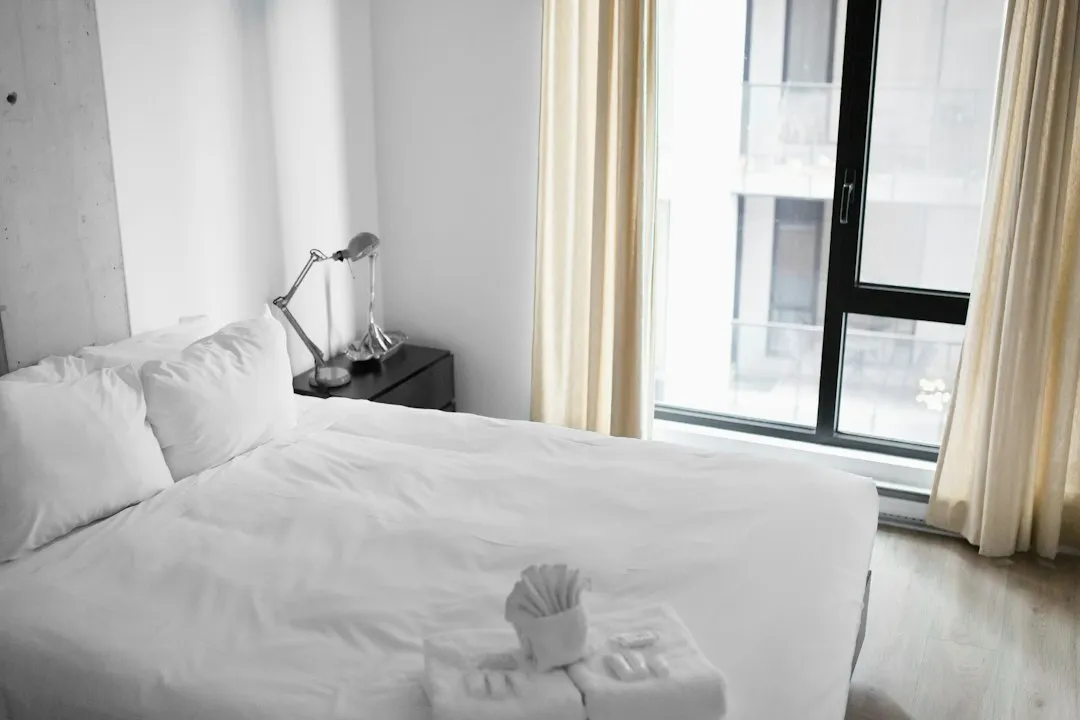
Not every hotel is content with a single signature. Some properties are now using multiple scents zoned by space, each one engineered for a specific emotional effect at a specific moment in the guest journey.
Hannah St Hotel, for example, has commissioned a trio of distinct scents, each crafted with native botanicals, that serve to delineate its three distinct areas. The lobby and ground floor greet guests in a “light citrus and spice” blend contrasted with rich woods and resins. Consistency is essential for reminding guests of the brand at every turn. Whether in the lobby, spa, or guest rooms, the brand’s signature scent should permeate each space subtly and consistently. Still, it’s important to adapt intensity to suit specific settings, lighter in dining areas and more pronounced in exclusive zones like the spa.
The Market Behind the Smell
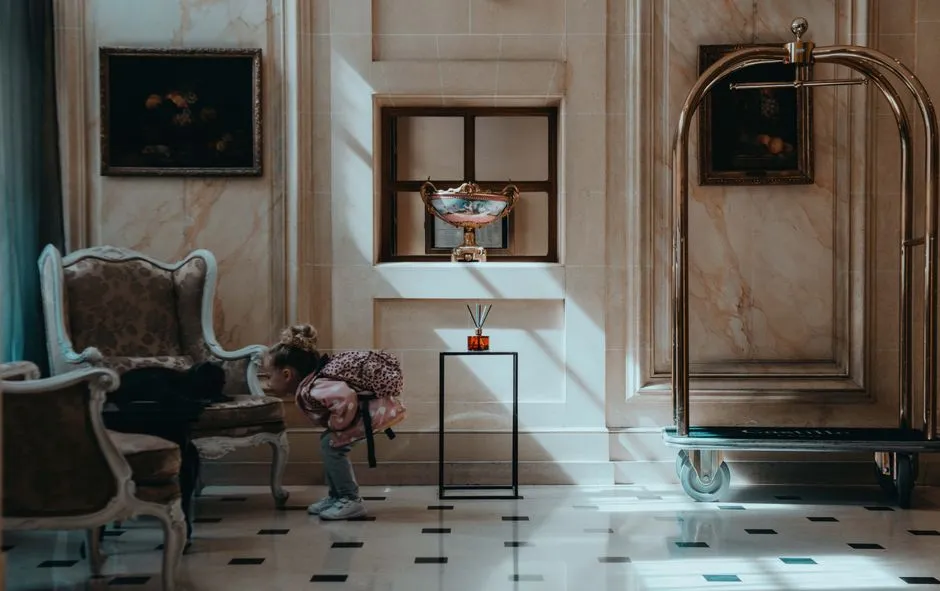
The hotel sector accounts for more than 20 percent of the roughly three billion dollars invested in scent marketing from 2024 to 2026. That kind of capital commitment signals that scent design has moved well past novelty status in the hospitality world.
Currently, an estimated 60 percent of hotels use signature scents in their lobbies worldwide. Roughly 62 percent of consumers say they are willing to pay a premium for scented experiences, and hotel guests are about 55 percent more likely to recommend properties where scent is used intentionally. For hotel executives, those figures make the investment straightforward to justify.
The Takeaway
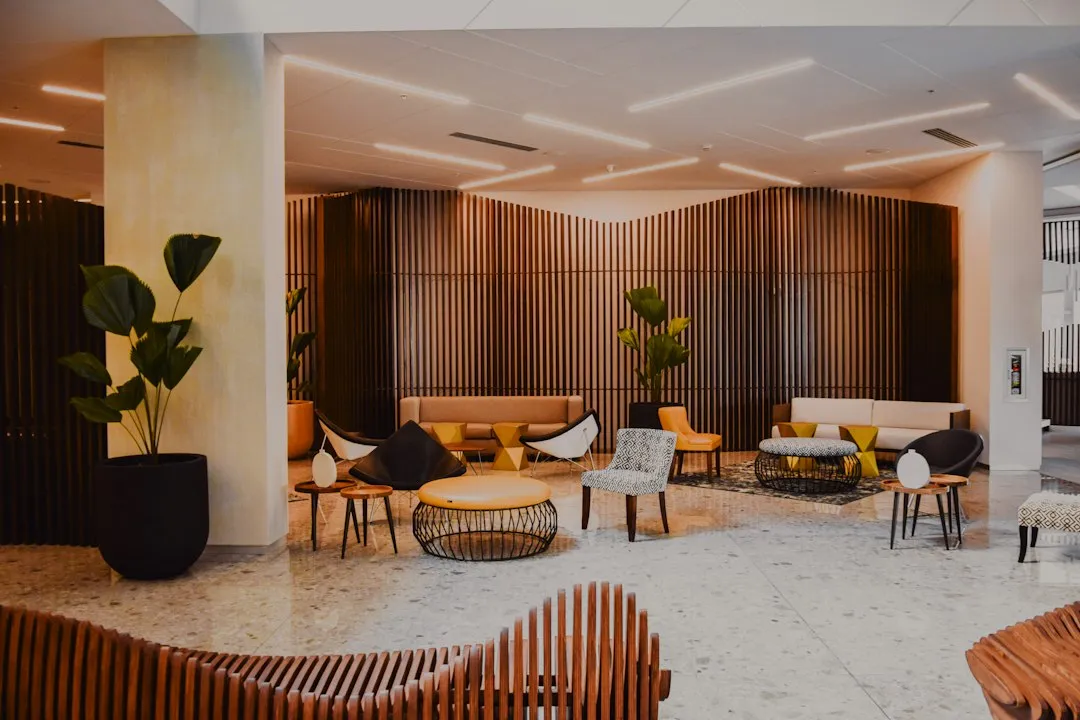
The reason every lobby in a brand smells the same is not laziness or central purchasing. It’s the product of deep research, careful chemistry, and sophisticated diffusion technology, all working together to create something your brain will quietly file away and retrieve months or years later.
Scent designers are, in a real sense, designing memory. The lobby fragrance you barely noticed on check-in is the same one that will make you choose that brand again the next time you book. That’s not marketing in the traditional sense. It’s something considerably more intimate, and considerably more effective.
AI Disclaimer: This article was created with the assistance of AI tools and reviewed by a human editor.