
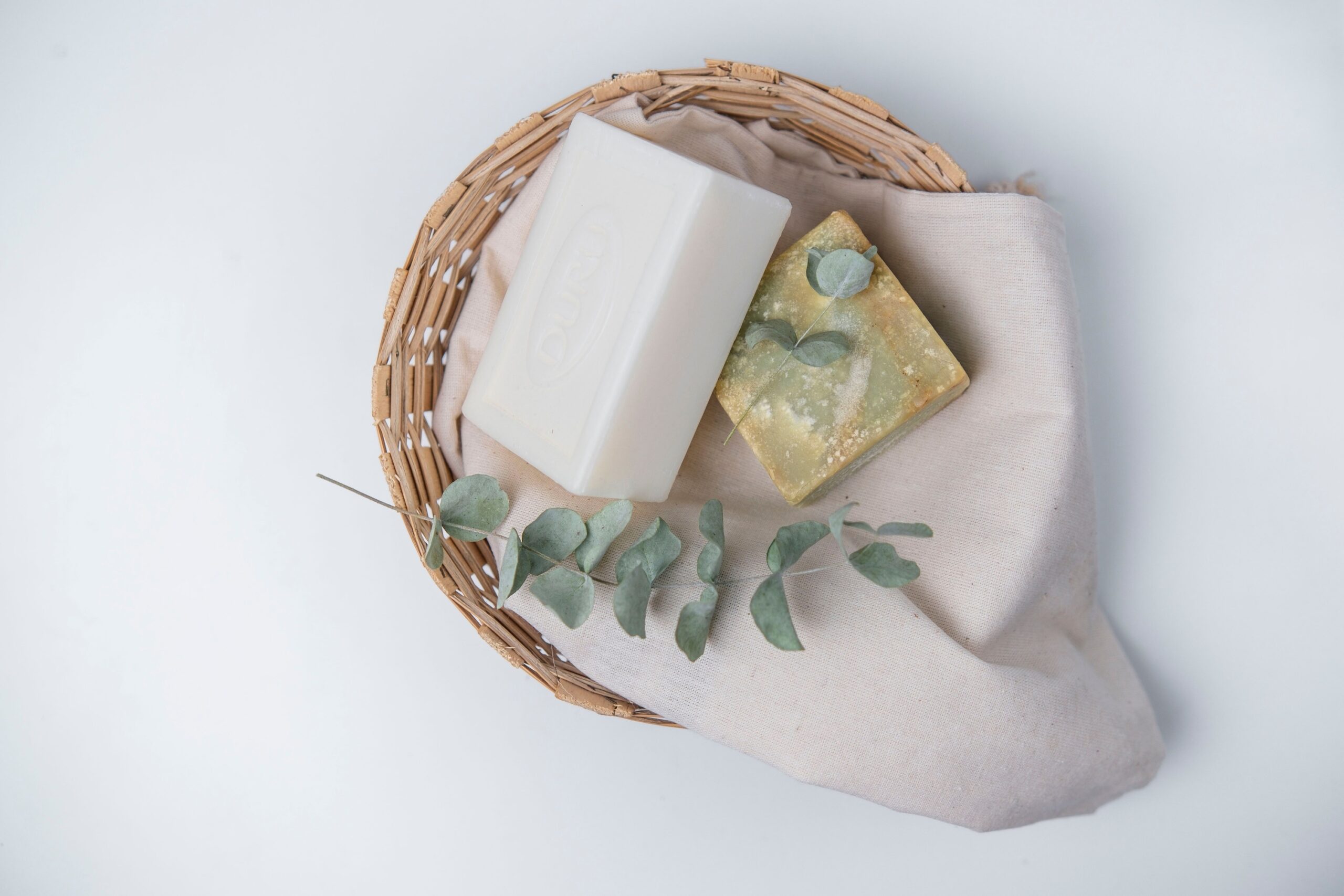
Most hotel guests never think twice about that small bar of soap sitting on the bathroom ledge. They use it, maybe twice, and leave it behind. What happens next is something far more deliberate, and far more consequential, than most travelers would guess.
Across the hospitality industry, a quiet but growing movement has been reshaping what was once a forgettable detail of hotel waste. Sustainability managers at properties of every size are now tracking, collecting, and rerouting those leftover bars with real intention. Here is what they’ve revealed.
The Scale of the Problem Nobody Talked About
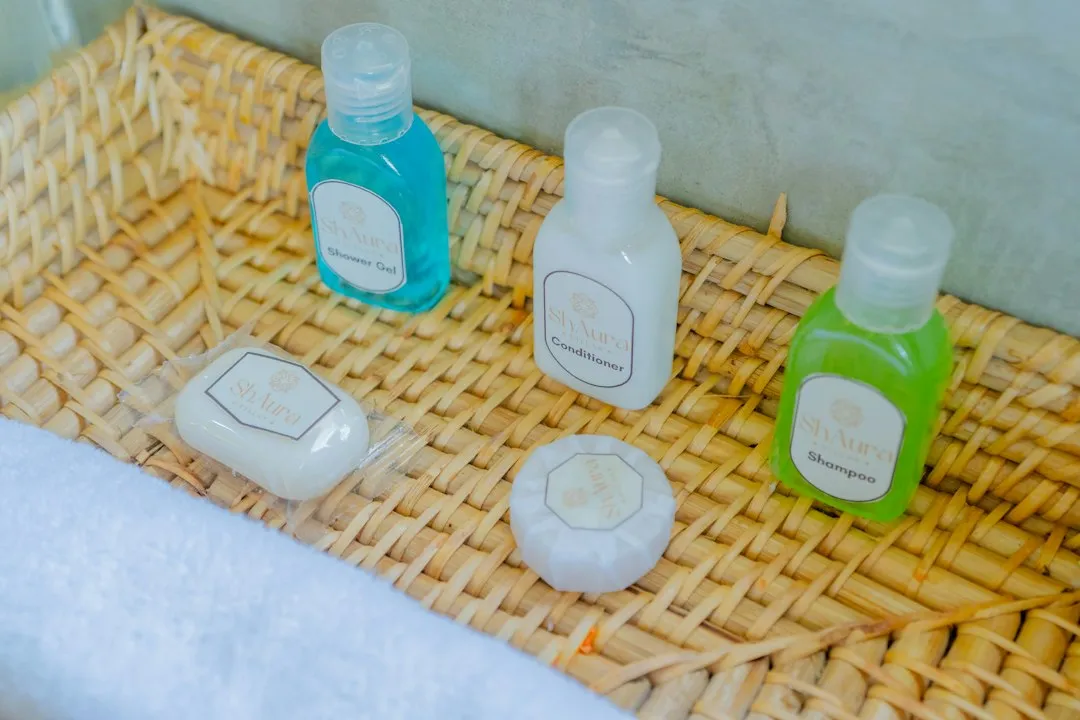
More than two million bars of partially used hotel soap are thrown away every single day in the United States alone. Globally, the numbers are even harder to ignore. It’s estimated that globally, five million hotel soap bars are tossed every day.
Ending up in landfill, these bars join a mix of other products emitting harmful greenhouse gases into the atmosphere. Many of the oils used in soap manufacturing are biodegradable, but when added to a compacted pile of trash and deprived of air, they do not decay quickly. Some soaps also contain dyes or phosphates that are not naturally decomposable.
For decades, this waste was simply invisible – tucked into trash bins by housekeeping and carted away. It took a shift in awareness, and in corporate responsibility, to change that.
Why Soap Ends Up as Waste in the First Place
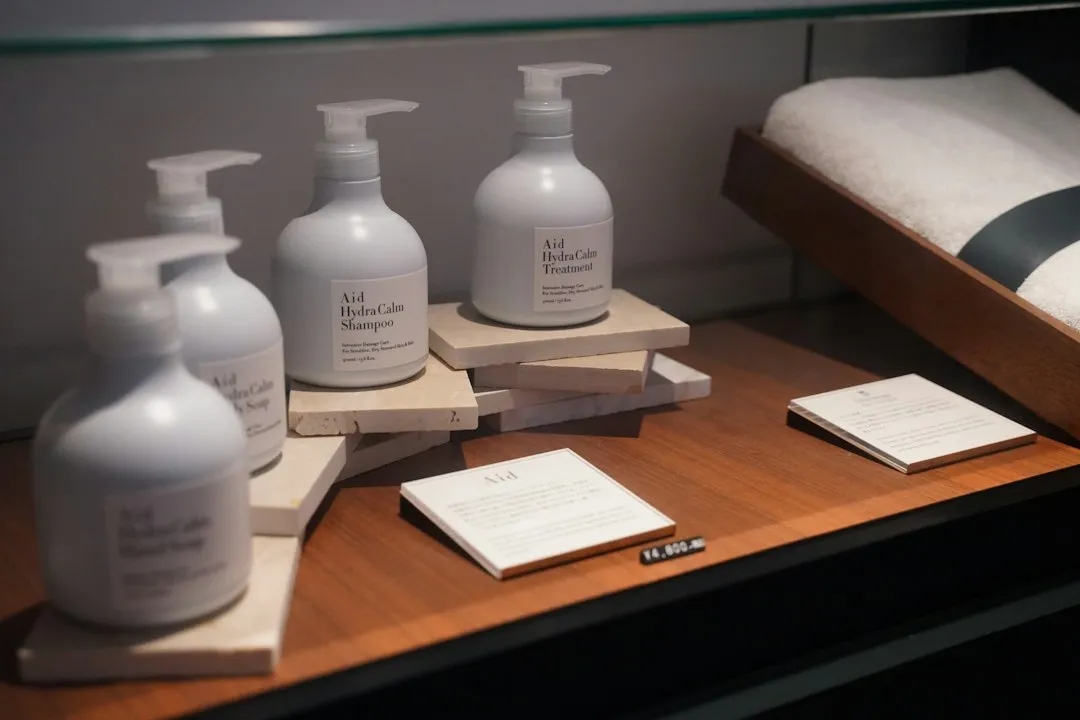
Hotels have stringent hygiene protocols that require toiletries, regardless of whether they’ve been opened or used, to be thrown out at the end of a guest’s stay. This is a structural issue, not a careless one. The rules exist for genuine sanitation reasons, but the consequence is an enormous stream of barely-used product heading straight to landfill.
Every day, millions of hotel guests around the world leave behind half-used bars of soap. For decades, these small items were quietly thrown away, adding up to mountains of perfectly usable material ending up in landfills. The hospitality industry is only now grappling seriously with what that has meant over time.
The Moment That Changed Everything for One Industry
The turning point came not from a boardroom, but from a hotel bathroom. Shawn Seipler, a Vice President of Sales and Marketing for a global e-commerce technology company, noticed the waste of unused soaps during a hotel stay. He wondered where those soaps ended up. A quick calculation told him that millions of bars of soap were wasted on an annual basis, while elsewhere in the world people died from lack of hygiene. This realization led to the creation of Clean the World, an organization dedicated to repurposing hotel soap bars and plastic bottle amenities.
Founded in 2009, Clean the World became the model that many hotels eventually followed. Its approach was straightforward: collect, sanitize, recycle, and redistribute.
How the Recycling Process Actually Works
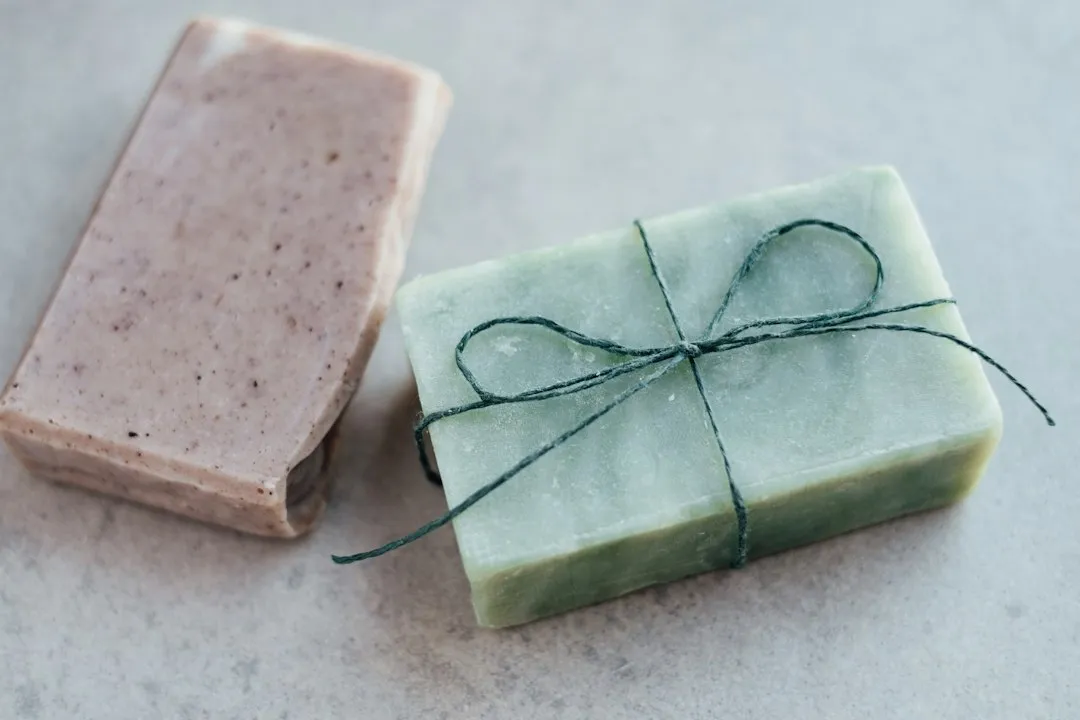
According to Clean the World, the recycling program uses a technique known as “rebatching.” This involves melting down the donated soaps, disinfecting the resulting mix, then forming them into new bars to send to impoverished countries. The challenge is that hotel bars arrive in many shapes, sizes, and formulations.
Most commercial soap machinery is designed to work with uniform, factory-grade inputs. Recycling bars that vary in size, brand, texture, and condition requires fine-tuning. The machinery had to be sourced from multiple manufacturers and tested multiple times to make sure it could do the job. It’s a more complex operation than it might appear from the outside.
The process flows from hotel collection, where housekeeping places used bars and bottles in designated bins, to logistics where full bins are shipped to recycling hubs, and then pre-processing where soaps are shaved or ground and impurities removed.
The Reach of Clean the World Today
With over 8,599 participants in its Global Hospitality Recycling Program and more than 1.4 million hotel rooms processed daily, Clean the World has already diverted over 32 million pounds of waste from landfills and donated over 100 million bars of recycled soap since its inception in 2009. Those numbers reflect years of patient, partnership-driven growth.
Today, Clean the World partners with more than eight thousand hotels – roughly 1.4 million rooms in total – around the world. Its clients include major chains like Hyatt, Marriott, InterContinental, Walt Disney Resorts, and Hilton, in addition to cruise ship lines, casinos, and airlines.
In 2024 alone, the organization added 178,000 new hotel rooms and 886 new hotel partners to its recycling program – roughly two hotels joining every single day.
What Guests Actually Think About All of This
There’s a notable gap between what travelers expect and what they understand is happening with their amenities. A Clean the World survey revealed that roughly nine in ten travelers consider sustainability when booking, yet more than half believe hotels do not recycle toiletries, and about half take leftover amenities home themselves.
This disconnect matters. Guests who don’t realize a program exists can’t advocate for it, reward hotels that run it, or make more conscious choices about what they leave behind. Awareness is still catching up to action.
Eco-Soap Bank: A Different Kind of Story
A little over ten years ago, while teaching English in northern Cambodia, Samir Lakhani had his own soap epiphany. He witnessed a mother using laundry powder to bathe her newborn – it was all she had. That moment led directly to the founding of Eco-Soap Bank in 2014.
Eco-Soap Bank has since diverted over 14 million pounds of soap from landfills around the world. Beyond diverting waste, the organization has woven social impact directly into its model. Across Cambodia, over 150 women are employed to collect, recycle, and distribute soap within their own communities.
Research conducted by Eco-Soap Bank found that rescuing and recycling the entirety of soap factory waste streams could prevent the emission of approximately 44 million tons of CO2e and save over 29 million gallons of water per year. These are not small numbers for a mission built around a bar of soap.
Soap for Hope and the Local Angle
Not every program operates on a global scale, and that’s part of what makes the ecosystem of soap recycling so interesting. In 2024, the British Columbia-based hotel brands Hotel Zed and Accent Inns worked with Soap for Hope to divert nearly 6,500 pounds of waste from landfills, according to Peter Dohan, manager of operations at Hotel Zed and Accent Inns.
By 2025, Soap for Hope had built partnerships with regional hotel chains such as Fairmont and Marriott, with the nonprofit providing hygiene products to over 500 community service organizations in British Columbia and Alberta. The model proves that locally focused programs can move meaningful volumes of product while serving nearby communities directly.
In Vancouver, Mom2Mom, a nonprofit service organization supporting low-income families, receives donations of toiletries from Soap for Hope. Recipients include mothers who routinely skip personal care products to stretch the household budget further.
How Hotels Are Setting Up Their Own Programs
In order to facilitate soap recycling, hotels can set up collection stations in guest rooms, housekeeping departments, and common areas. Staff collect unused soap after guests check out, and guests can voluntarily donate used soaps. The infrastructure required is genuinely minimal.
Clean the World collects bars by signing up hotels as “partners” in the effort. As part of this arrangement, hotels pay a modest fee per room per month, and the nonprofit sends bins to the hotels in which to collect the soaps. It also provides prepaid shipping labels for bin return and new bins upon request.
Beyond environmental benefit, hotels gain concrete ESG metrics, guest storytelling opportunities, disposal savings, and compliance with growing sustainability trends. For many sustainability managers, this is one of the most straightforward wins they can demonstrate.
The Larger Health Picture Behind Every Bar
According to UNICEF, 2.3 billion people around the world do not have handwashing facilities with running water and soap available at home. This has real consequences. It’s estimated that the simple act of washing hands with soap can prevent up to one million deaths and can reduce the risk of respiratory illnesses by up to roughly one fifth in both children and adults.
Pneumonia and diarrheal disease are two of the leading causes of death among children under five years old. According to the World Health Organization, millions of young lives could be saved with access to bar soap and hygiene education. What happens to a hotel soap bar is, in some very real cases, a matter of life and death.
While soap bars are recycled into new bars and donated to global NGOs like The WASH Foundation to be distributed to people in need, plastic bottles such as shampoo and conditioner are either recycled or used for clean energy generation. The circularity of the system is, by now, genuinely impressive in its scope.
The Takeaway

That small bar of soap on the bathroom shelf turns out to be a remarkably good lens through which to understand what modern, responsible hospitality can look like. It connects landfill waste to public health, hotel operations to community wellbeing, and individual travel choices to global outcomes.
The infrastructure to redirect this waste exists, it works, and it’s growing. It’s only in recent years that the conversation around sustainability and corporate social responsibility has truly emerged in a way that puts something as humble as a soap bar on the agenda. The fact that it’s there now says something worthwhile about where the industry is headed.
AI Disclaimer: This article was created with the assistance of AI tools and reviewed by a human editor.