
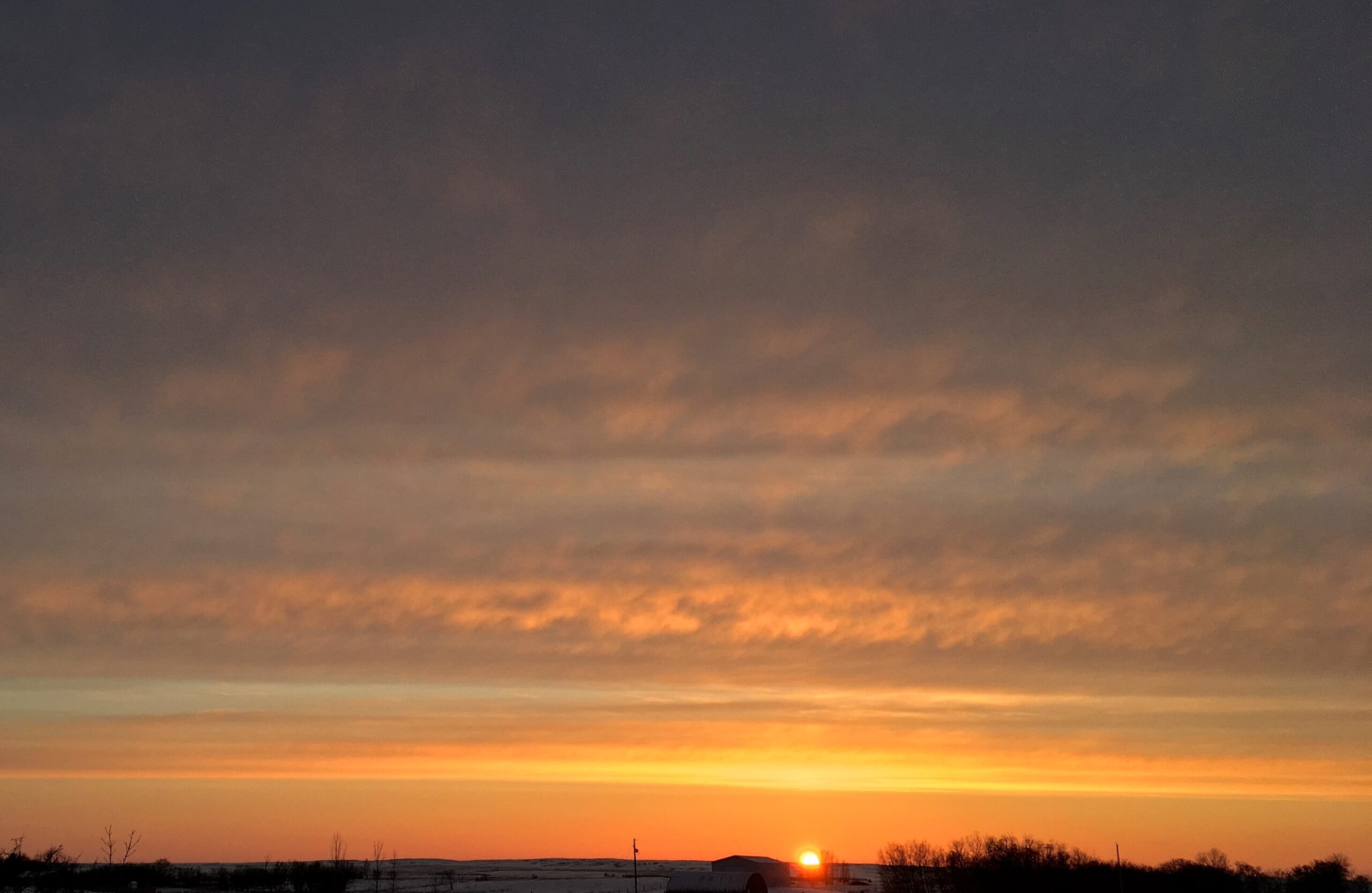
There’s a moment on every great houseboat trip when the captain quietly cuts the engines, the water goes still, and someone on the bow says, almost involuntarily, “this is the one.” That cove. The one where the light lands just right at dusk, where other boats have already started drifting in, and where the evening takes on a rhythm of its own.
It’s not a random spot on the map. Experienced captains know exactly which coves fill up at golden hour, and why. From Kentucky to California, these places carry a kind of unspoken legend among the houseboating community – and once you’ve found yours, you’ll return to it every time.
Harmon Creek Party Cove on Lake Cumberland, Kentucky
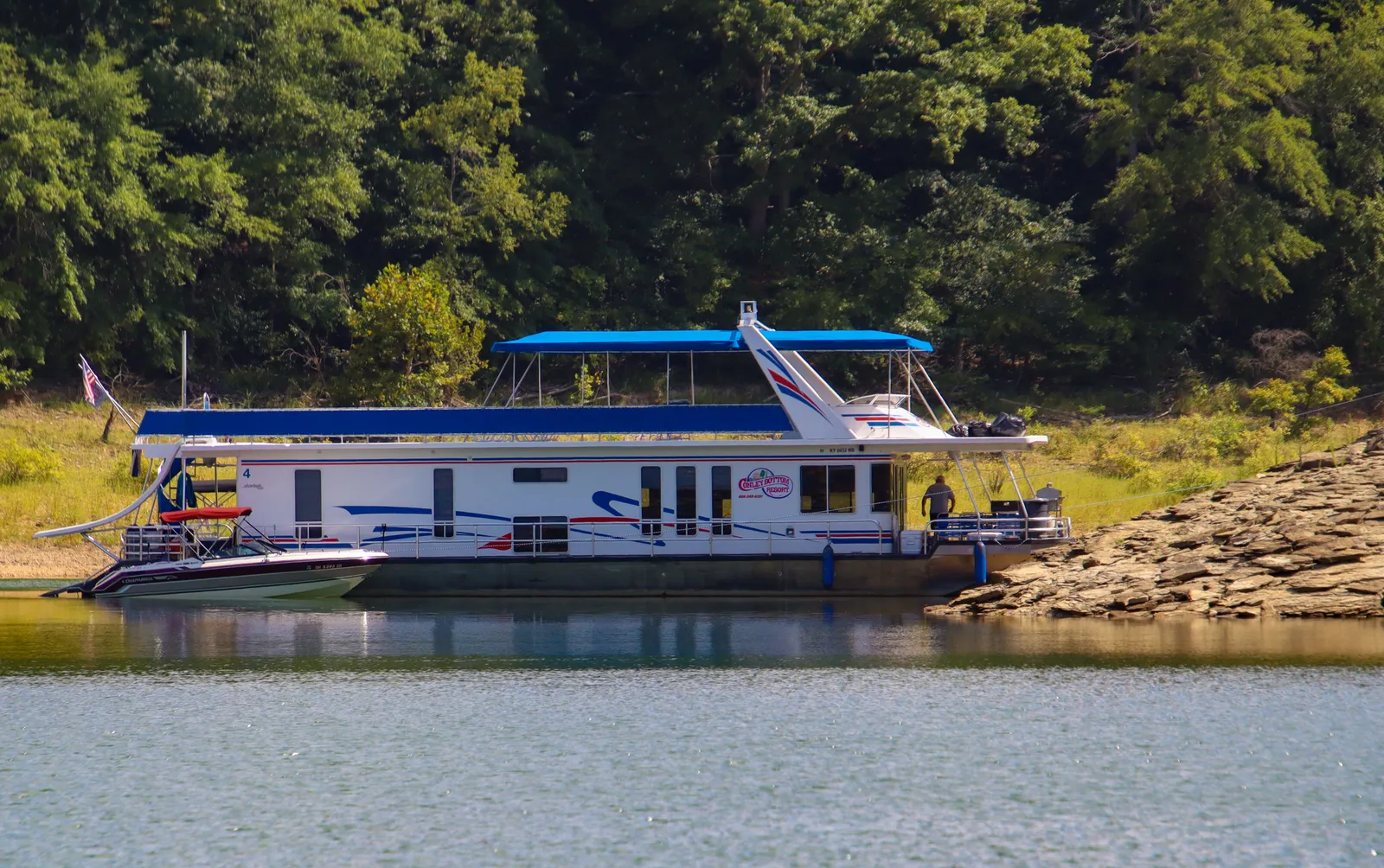
Harmon Creek Party Cove on Lake Cumberland is one of the most famous raft-up destinations in the country. This Kentucky hotspot draws massive crowds during major holiday weekends – especially Memorial Day, July Fourth, and Labor Day – when boats gather in large numbers and the cove transforms into a floating neighborhood of pontoons, houseboats, runabouts, and swim platforms.
Lake Cumberland is often called the Houseboat Capital of the World, and it earns that reputation. It’s the largest lake by volume east of the Mississippi River, boasting 1,200 miles of shoreline across three state parks and the Daniel Boone National Forest. That sheer scale means there’s almost always a quiet cove waiting just around the bend from the busier gathering spots.
Repeat visitors consistently cite the coves as the defining feature of a Lake Cumberland trip. The experience of docking in a protected cove and simply settling into the days and nights there is what keeps people booking the same lake year after year.
Padre Bay at Lake Powell, Arizona and Utah
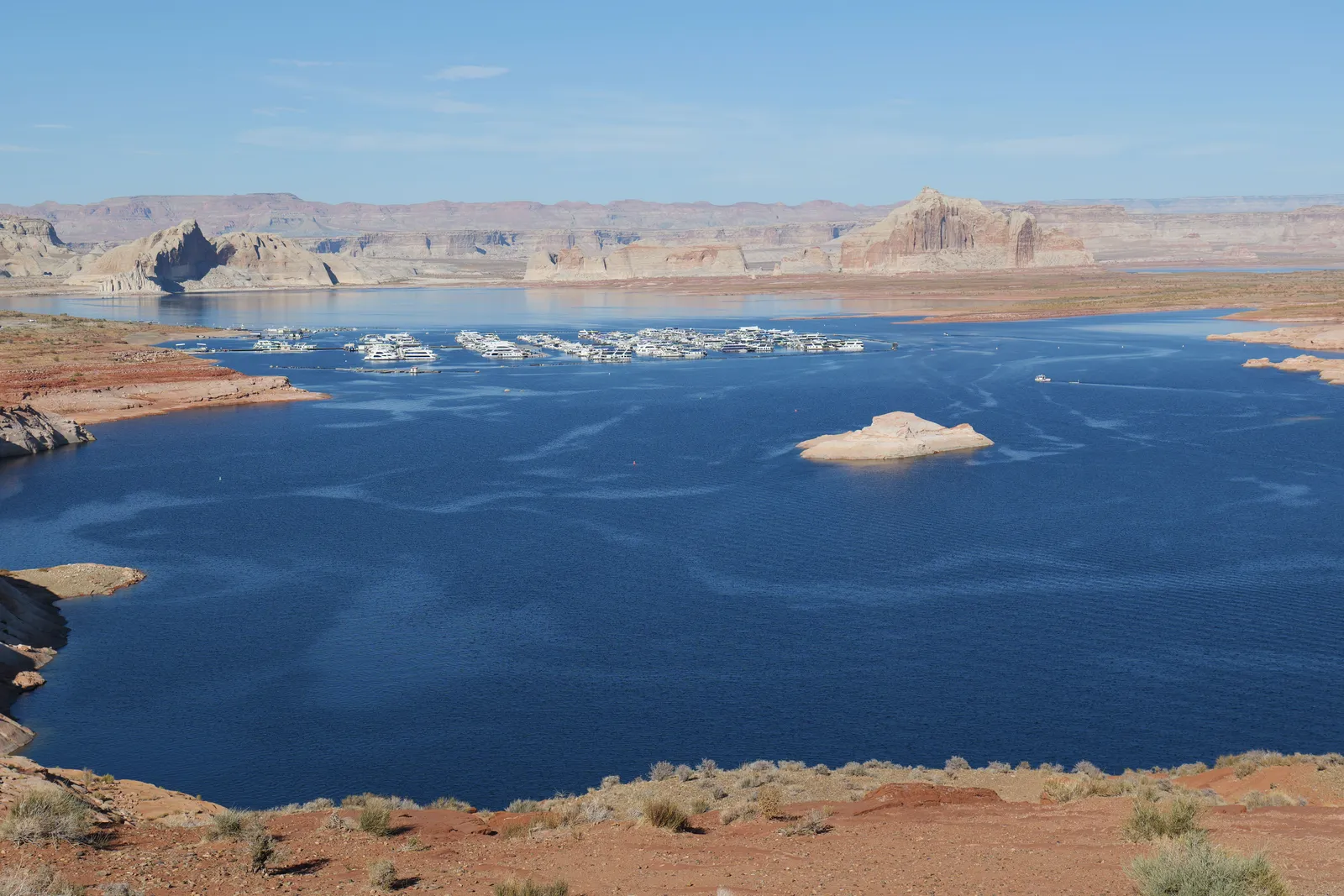
Padre Bay is the destination that experienced Lake Powell captains point to first. After launching from Wahweap Marina, most veteran crews aim directly for Padre Bay or Last Chance Bay to dock for the first evening – a journey of several hours that rewards patience with outstanding scenery.
When scouting for a campsite in these waters, the smart move is to find a cove that offers protection from the wind and some shelter from summer storms. The area around Buoy 51 is a popular base, with a string of excellent coves and beaches stretching between Buoy 50 and 55, putting boaters within easy reach of Rainbow Bridge and Hole in the Rock.
Lake Powell’s canyon setting means little to no cell service in most anchorages, which contributes to its reputation as a genuinely unplugged experience. Waking up to towering red cliffs reflected in glassy water is what draws families and groups back to these coves season after season.
Devil’s Cove and Starnes Island on Lake Travis, Texas
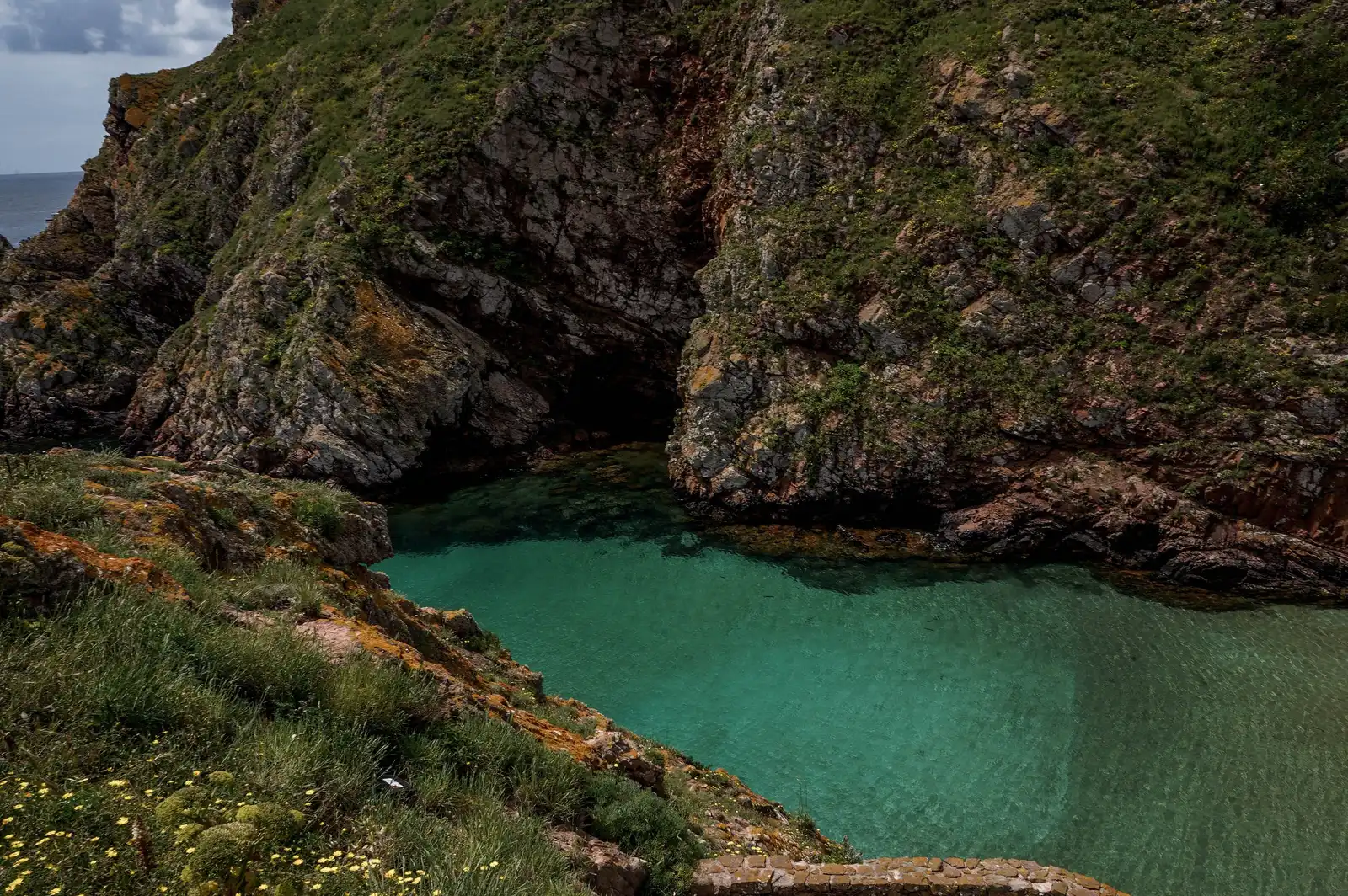
Lake Travis offers a collection of gathering spots that each carry their own distinct character. Popular anchorages include the scenic bluffs and coves of Pace Bend Park, Windy Point, the Sometimes Islands when water levels are low, the lively Devil’s Cove, and the area around Starnes Island where boats cluster for music and swimming.
Sunset cruises on Lake Travis are particularly celebrated, as the limestone cliffs glow in warm light above the main basin during the final hour of daylight. Captains who know the lake well tend to have a preferred cove for anchoring up at dusk – and Devil’s Cove has developed a reputation as the social hub, especially on weekends.
When booking a houseboat or charter on Lake Travis, sharing your preferred vibe with your captain – whether that’s quiet cove time near Pace Bend or a livelier anchor spot near Starnes Island – helps them plan the right itinerary for the group. It’s a small piece of advice that makes a genuine difference.
The Ritual of Tying Up: What Captains Actually Do

Tying up a houseboat properly is one of the most essential skills of the whole trip. Most experienced houseboaters beach the boat to tie up overnight, and the best locations are in a cove, away from high-traffic areas. Captains look for a gradual bank with trees, stumps, or large boulders to secure lines to.
On lakes like Powell, where conditions can be demanding, experienced crews carry four heavy-duty ropes with metal stakes and a large sledge hammer. These are used to tie the houseboat to the shore, and the reason is practical – in July, the water may still be rising, meaning a boat that was beached at sunset could be floating free by morning. Anchoring in a cove that offers wind shelter is equally important.
Rope should run from the rear of the boat at a 30 to 45-degree angle to objects on shore, with the upwind side tied first. These aren’t just procedural details – they’re the kind of insider knowledge that separates a peaceful evening from a stressful one.
Shasta Lake, California: Hundreds of Coves to Choose From
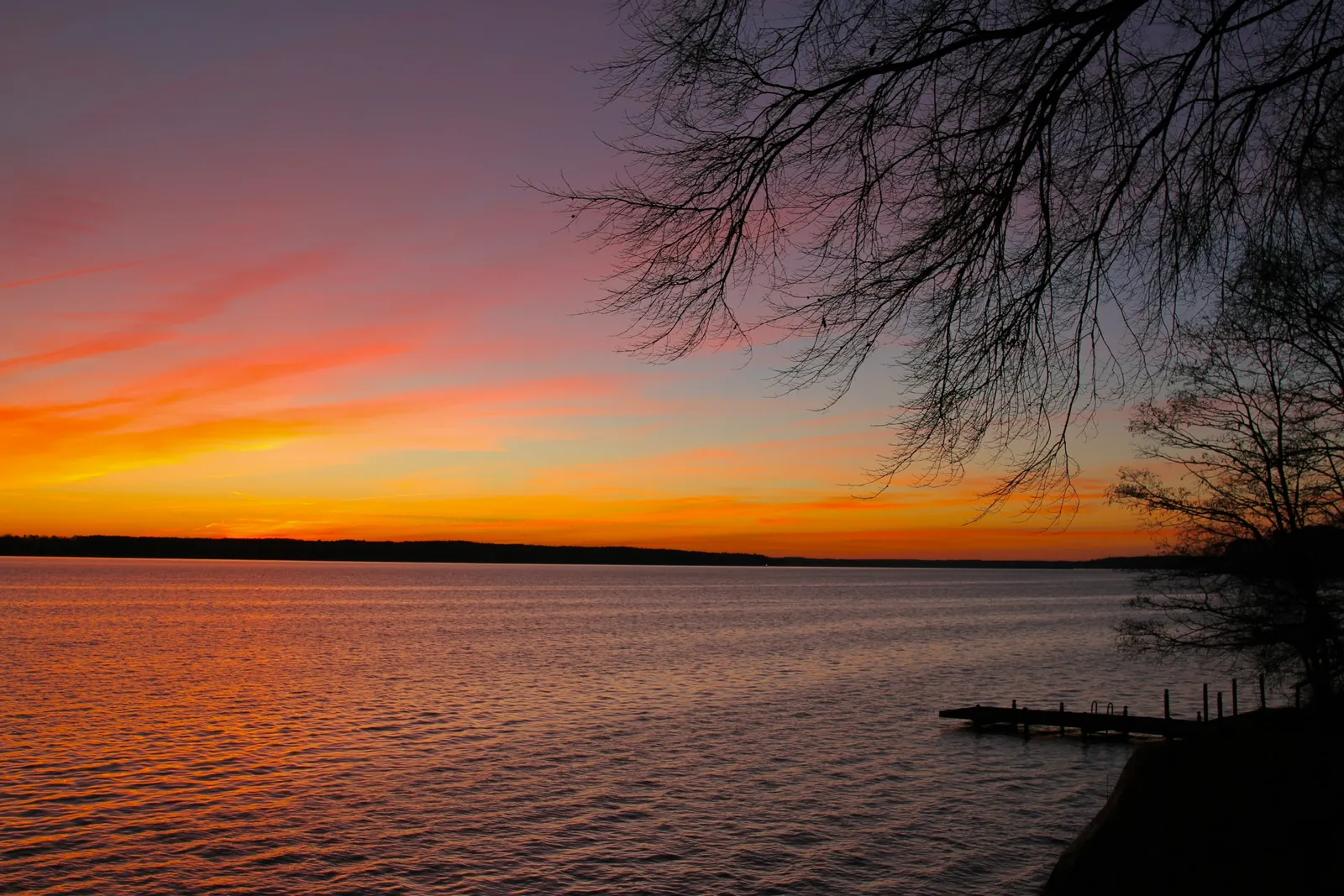
Shasta Lake draws houseboaters with its breathtaking mountain and forest scenery, its hundreds of coves and bays, and its abundant recreation options. Exploring the rock formations and caverns around the lake’s shores by smaller boat is a favorite complement to a houseboat stay, and on the western end of the lake, a natural waterslide and ancient stalagmites in Shasta Caverns add a layer of adventure most lake destinations simply can’t match.
The sunset experience here is different from the desert lakes. The forested hills absorb the last light slowly, turning the coves dark and amber well before the open water does. Captains often recommend positioning the houseboat at the mouth of a cove facing west to capture the full arc of the evening sky.
Ice Cream Canyon at Lake Powell: The Captain’s Shortcut
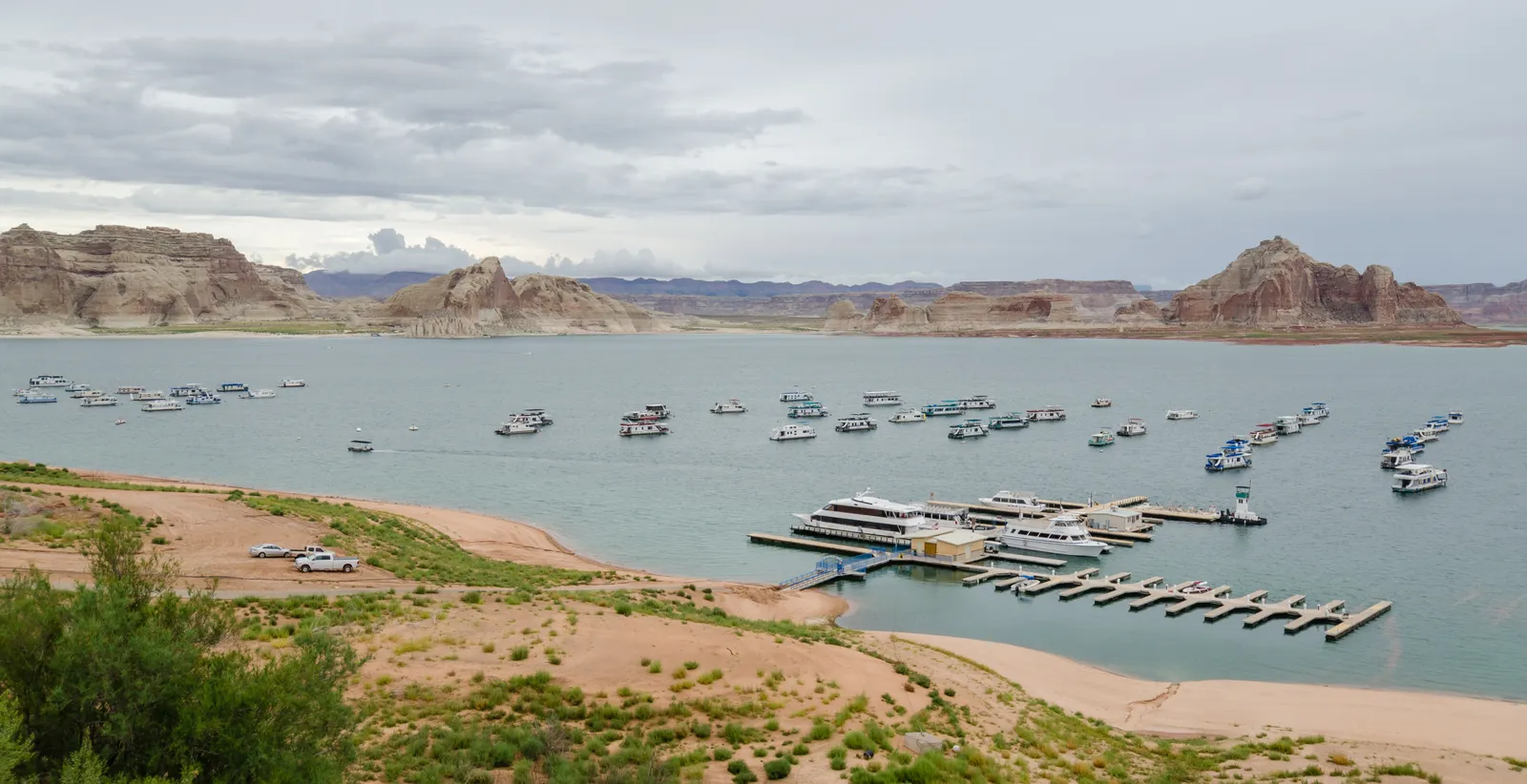
Veteran Lake Powell captains know that Ice Cream Canyon is only about ten minutes from Wahweap Marina and can serve as a reliable protected anchorage when conditions on the open lake are challenging. Marina captains will sometimes pilot boats there directly when winds are elevated, making it one of the most accessible safe-haven coves on the entire reservoir.
For first-timers who want an achievable first-night cove without a long crossing, this is the kind of insider tip that rarely makes it into the standard rental briefing. The canyon walls provide natural wind protection, and the location means provisioning runs back to the marina are quick and easy.
Lake Roosevelt, Washington: Pulling Up to Any Shore
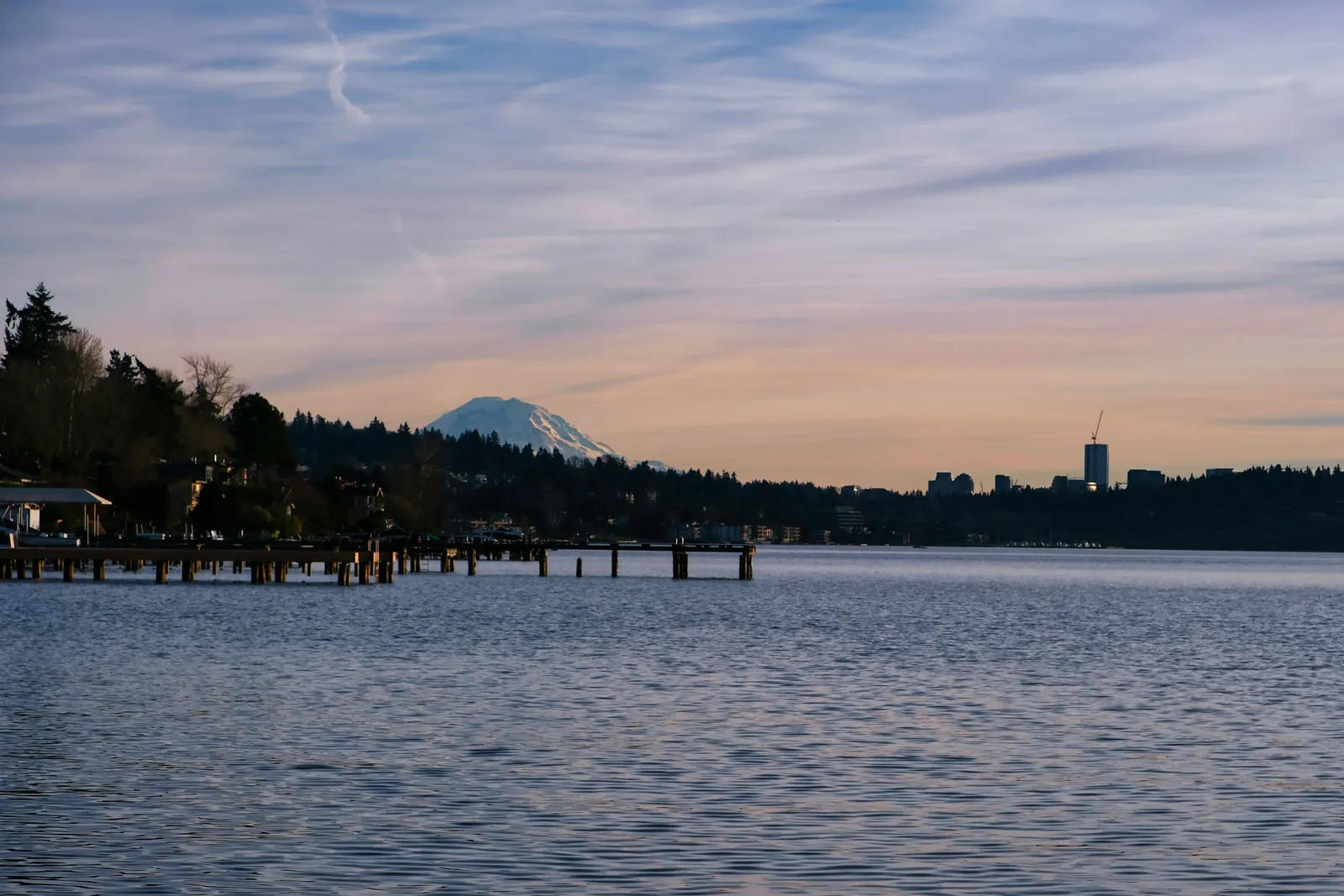
Lake Roosevelt in Washington State stretches over 630 miles of shoreline and can feel more like river navigation in places. Because its shores are both tribal territory and a national recreation area, vacationers can freely pull up to the sandy cove of their choice – and there are genuinely many to choose from.
The freedom that Lake Roosevelt offers is unusual by American lake standards. There’s no competition for a favored sunset cove here in the same way there is at more commercial houseboating destinations. You pick your stretch of shoreline, beach the boat, and the evening is yours. The Pacific Northwest light at dusk, filtered through the surrounding hills, rewards the patience it takes to get there.
The Social Geometry of a Raft-Up
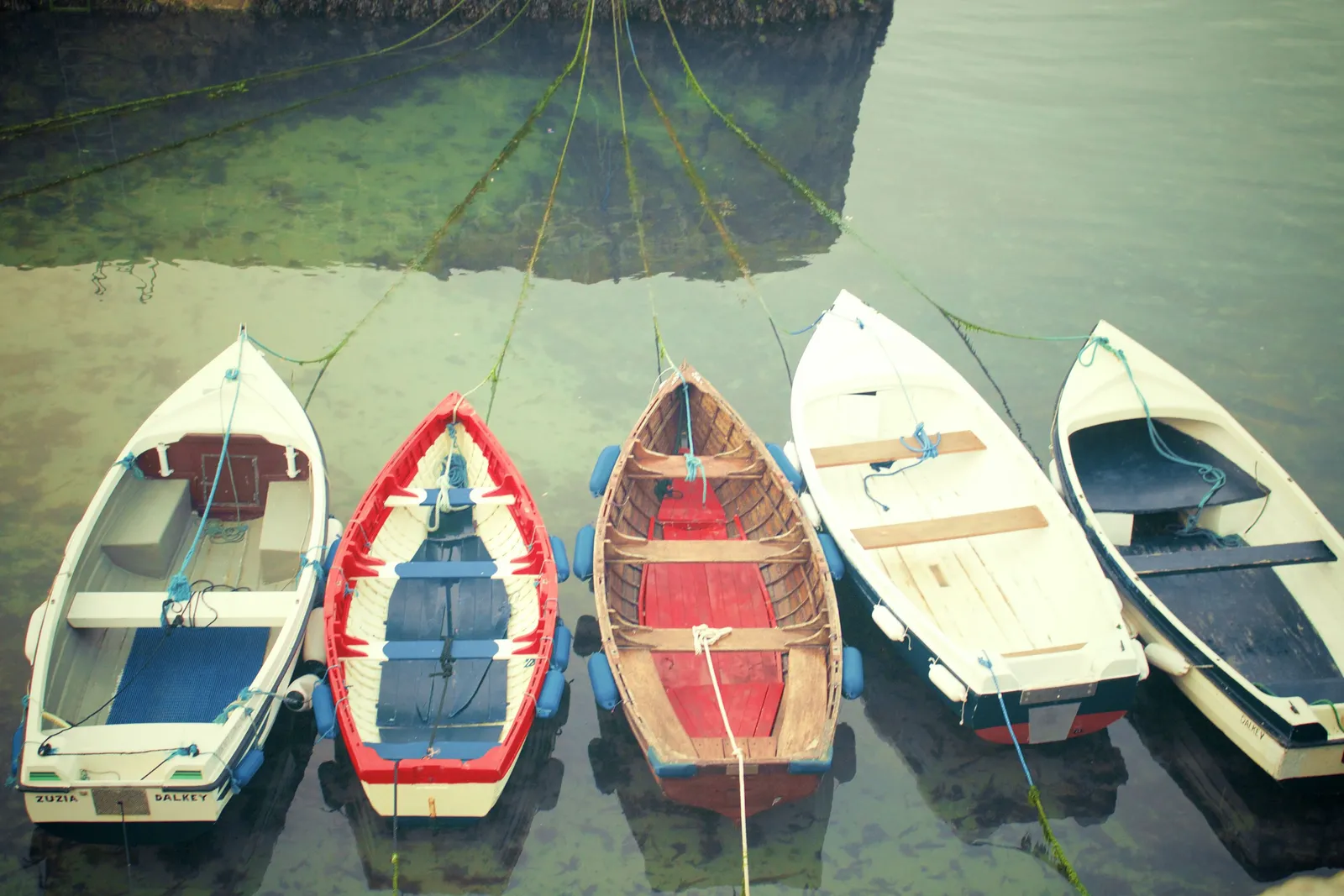
In party coves across the country, one rule appears consistently: respect the no-wake zone. That rule isn’t just a technicality on a sign – it’s the foundation that makes the whole floating gathering possible. When boats are tied together in a cluster, a single careless wake can send people stumbling, knock items overboard, and create real safety hazards across the entire raft of vessels.
People float in the water alongside the boats, sit on swim platforms, and generally treat the cove like a giant outdoor living room. Keeping the surface flat and glassy is what allows all of that to happen comfortably. It’s the quiet social contract of the cove – unwritten, but universally understood.
Food sharing between boats happens naturally and often. Someone might pass a plate of grilled corn across to a neighboring vessel, or fire up extra burgers knowing the new neighbors haven’t eaten yet. That informal generosity is a large part of what gives shared coves their distinctly communal feel.
Dale Hollow Lake, Tennessee: Deep Coves and Quiet Evenings
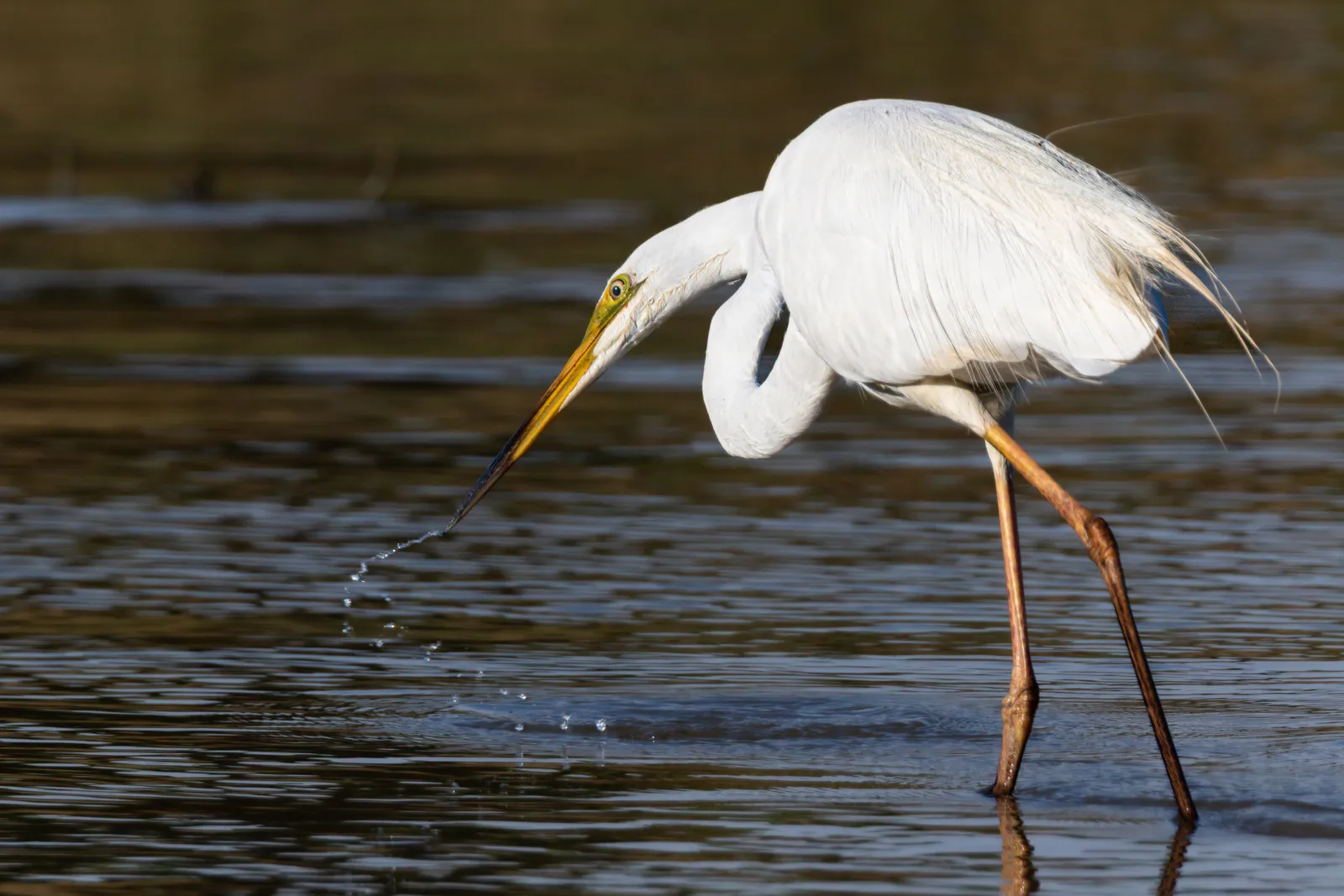
Dale Hollow Lake in Tennessee is known as a destination where nearly every marina rents out houseboats, and its abundance of deep coves makes it ideal for water skiing, wakeboarding, and – at the end of the day – peaceful anchoring. The smallmouth bass fishing here is also exceptional, which keeps a certain type of traveler particularly loyal to the lake.
At sunset, the deep coves on Dale Hollow take on an almost theatrical quality. The forested ridgelines drop close to the water, and the sky above the cove entrance narrows to a strip of amber and rose. Captains who know the lake well will often position the bow facing the open water to frame the view perfectly for the whole group.
Percy Priest Lake, Tennessee: Nashville’s Local Sunset Cove
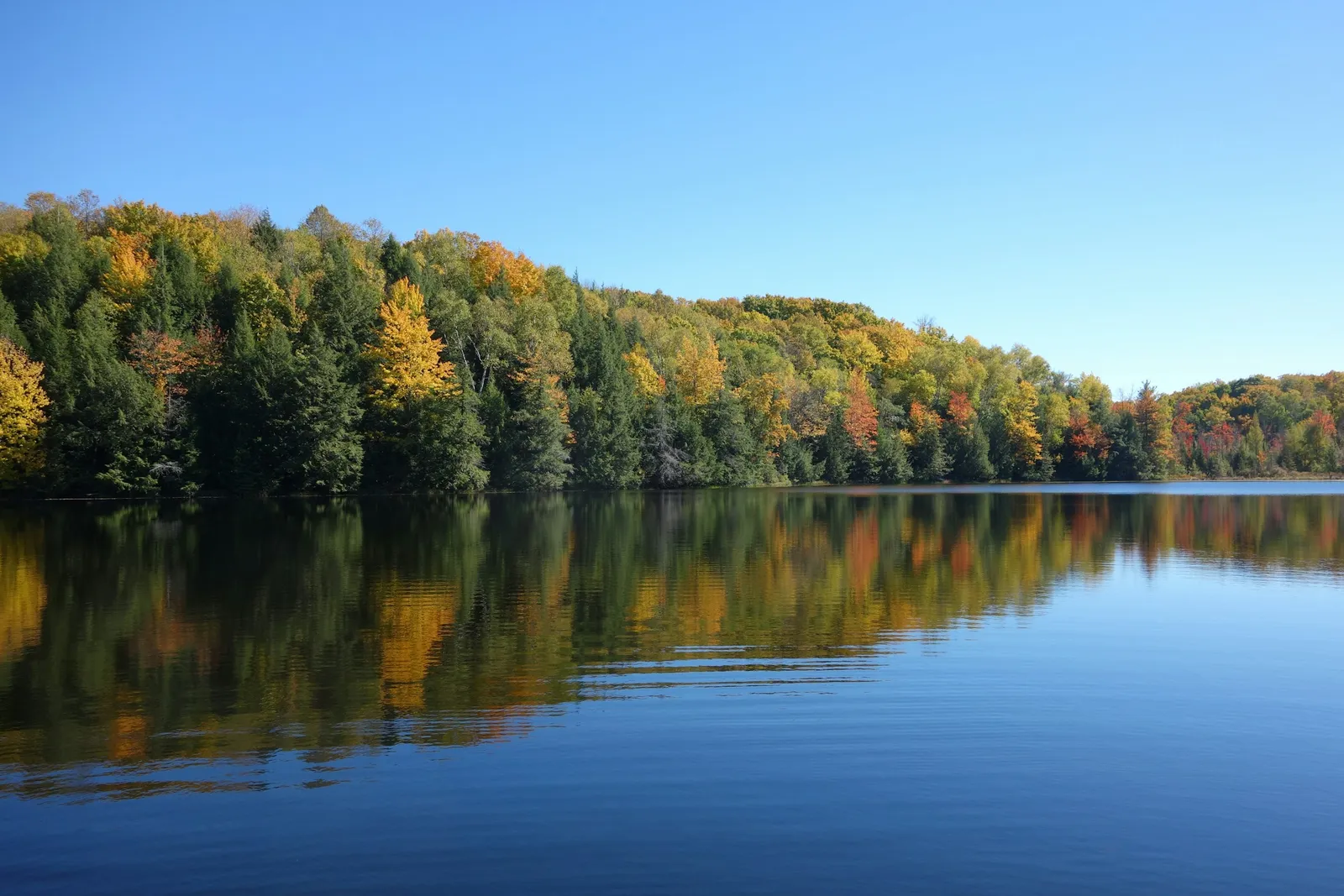
Percy Priest Lake near Nashville has developed its own sunset cove tradition, with experienced local captains guiding groups to a spot known simply as “Sunset Cove.” The experience is described as more than a boat ride – it’s a quintessential Nashville evening on the water, combining the pleasure of being afloat with the particular quality of light this lake produces at the end of the day.
The sky above the lake shifts from brilliant blue to soft pastels of orange, pink, and purple as the light fades. The sun casts a golden glow across the water, making the ripples catch the last light in a way that’s hard to adequately describe to someone who hasn’t seen it from a boat.
The Takeaway
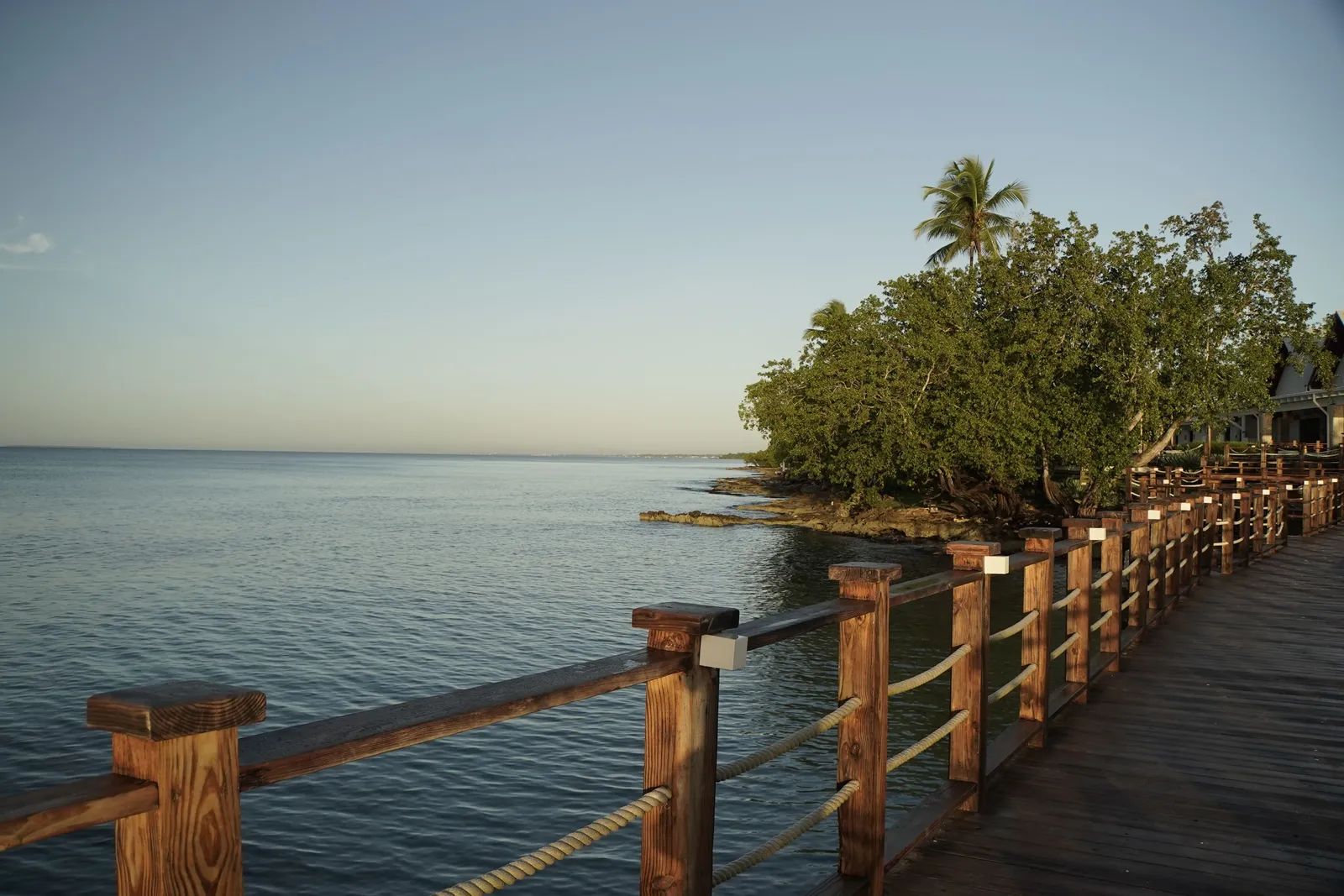
Every great houseboat lake has its cove. The one that experienced captains steer toward at five in the afternoon without anyone asking, the one where the anchor goes in with a quiet confidence that says: we’re done moving for the day. These places are not accidents of geography.
They earn their reputation through light angle, wind shelter, depth, and – more than anything – the accumulated habit of good evenings. Most families and experienced crews anchor for the week in a protected cove with shallow beaches, and the wisdom in that choice becomes clear the moment the sky begins to change color. Some things on the water you simply have to experience to fully understand – and a sunset from the right cove is absolutely one of them.
AI Disclaimer: This article was created with the assistance of AI tools and reviewed by a human editor.