
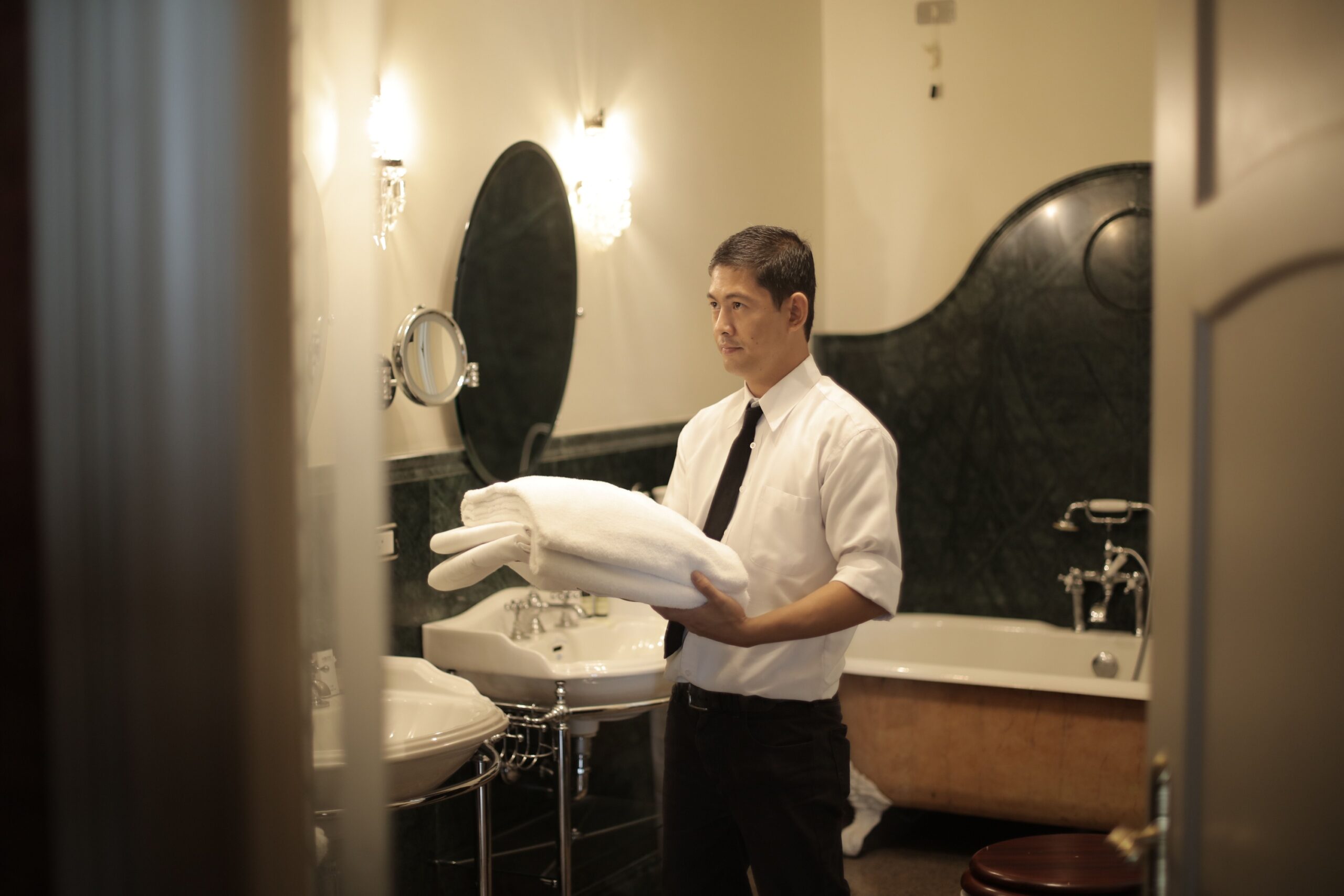

Most guests check into a hotel, drop their bags, maybe glance around the bathroom, and that’s more or less it. The relationship with the housekeeping team is a quiet one, a brief nod in the hallway or a folded towel left on the bed. Yet the people who clean hotel rooms every day know things about the guest experience that most travelers never think to ask about.
Research analyzing guest reviews found that the vast majority of guests, roughly 85 percent, consider cleanliness a primary factor in their hotel experience. Still, almost no one asks the one team that controls that experience for anything specific. That’s a missed opportunity. Here are ten requests housekeepers say almost nobody makes, but really should.
Ask for a Fresh Set of Pillows Before You Even Unpack
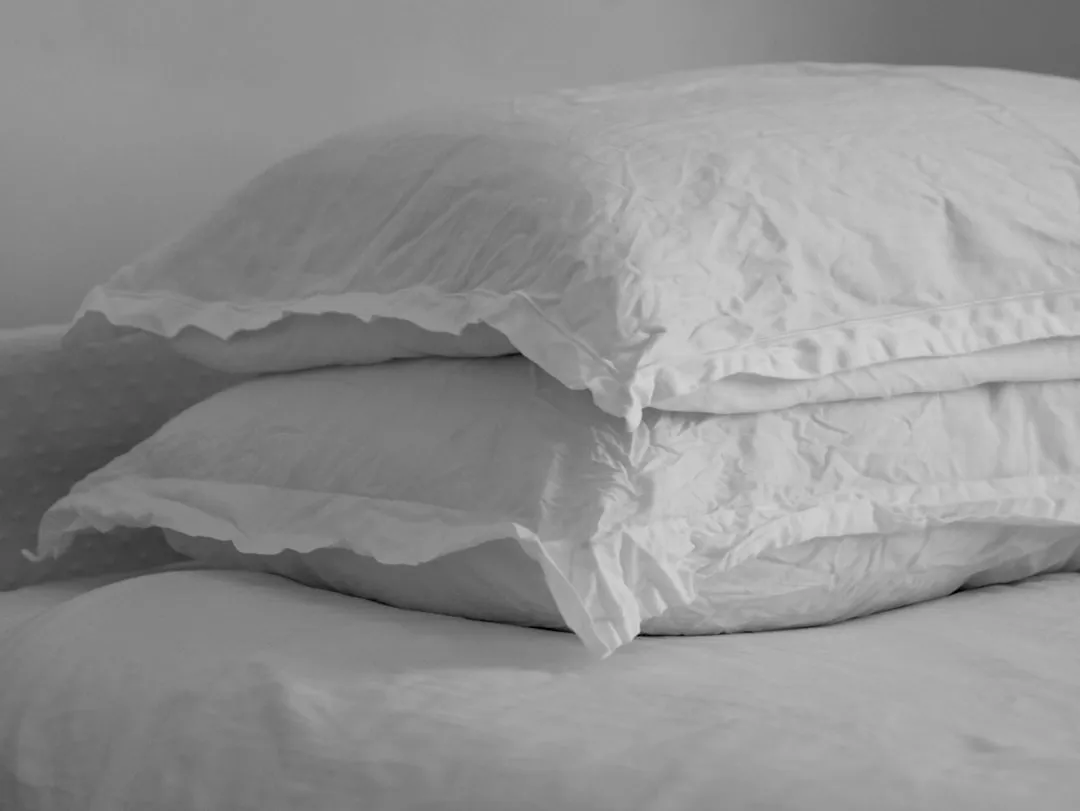
Most guests never think twice about the pillows on their bed, but they probably should. Some properties offer hypoallergenic pillow options upon request for guests with sensitivities, and decorative throw pillows aren’t always laundered between each guest stay. That plump decorative cushion propped against the headboard may look pristine, but it often travels through many stays without a proper wash.
Housekeeping teams say guests shouldn’t be shy about asking for extra pillows or newly laundered bedding, since doing so not only ensures cleanliness but can also improve the sleep experience in an unfamiliar environment. It’s a simple ask that takes seconds and costs nothing.
Request That High-Touch Surfaces Get a Second Wipe-Down
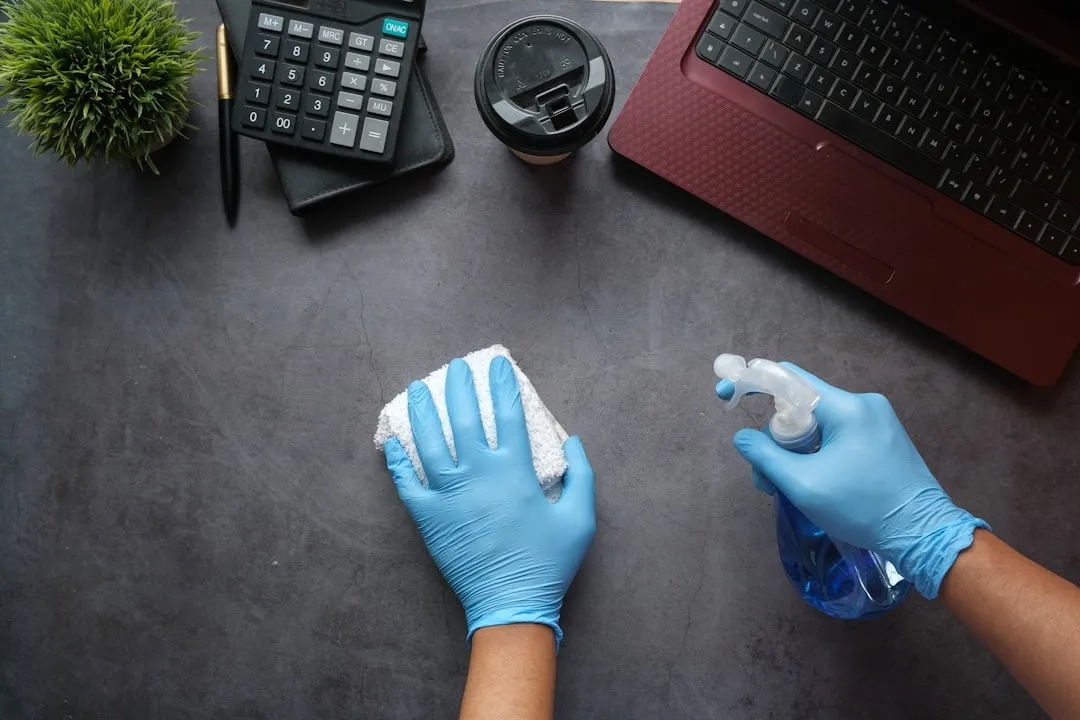
Housekeepers wipe down surfaces such as door handles, light switches, and remote controls, which guests frequently touch throughout the day. These surfaces can harbor germs, so even though housekeepers regularly sanitize them, giving them a quick wipe yourself is worthwhile if you’re concerned.
The honest reality is that a standard housekeeper cleans between 12 and 18 rooms per eight-hour shift, spending 20 to 30 minutes per room. Time is genuinely tight. Asking specifically for a thorough wipe of high-contact surfaces when you call the front desk on arrival puts it on the radar from the start, rather than leaving it to chance.
Ask for Fragrance-Free or Unscented Cleaning Products
Hotels can document guest preferences such as non-feather pillows or eco-friendly toiletries in their housekeeping management systems, and for guests with allergies, properties can implement deep cleaning protocols using hypoallergenic cleaning chemicals. The option exists. Most guests just never know to ask.
If a guest requests fragrance-free products, housekeepers can use unscented, approved cleaners and confirm with supervisors via a room inspection checklist to ensure compliance. For travelers who deal with migraines, asthma, or chemical sensitivities, this single request can be the difference between a restful stay and a difficult one. It’s worth mentioning at check-in.
Ask Specifically When Your Room Will Be Serviced
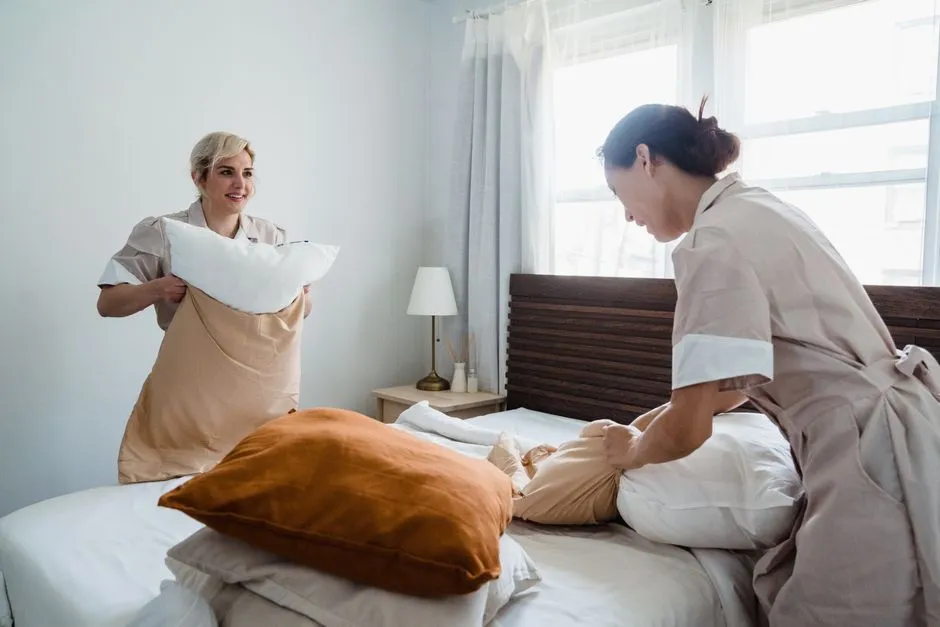
There’s no reason to sit around waiting all morning for a clean room. Paying attention to how responsive housekeeping is to requests during your stay is worthwhile, since slow towel deliveries and rooms not serviced by late afternoon all point to a team that’s stretched beyond capacity. Asking upfront for a specific service window puts you in control of your own schedule.
A housekeeper’s daily load can range between 10 to 15 checked-out rooms plus around another ten basic cleans for guests still staying, and for a room where a guest has checked out, a standard room takes about 45 minutes. Knowing this, a guest who communicates a preferred service window is actually making a housekeeper’s scheduling easier, not harder.
Request That the Room Not Be Cleaned Daily (and Mean It)
This one surprises people. Skipping daily housekeeping isn’t just a preference, it’s becoming genuinely more common and, according to research, guests actually prefer it. Recent surveys reveal that roughly seven out of ten guests do not want daily cleaning, with nearly four in ten preferring cleaning only when requested, and roughly one in five opting for cleaning only at checkout.
Hotels are increasingly moving away from daily room cleaning, and offering room cleaning only upon request has been proven to reduce emissions and save hotels money. The request isn’t rude. It’s aligned with where the entire industry is heading, and it often results in better, more focused service when you do ask for a clean.
Ask for a HEPA Vacuum Run Before You Settle In
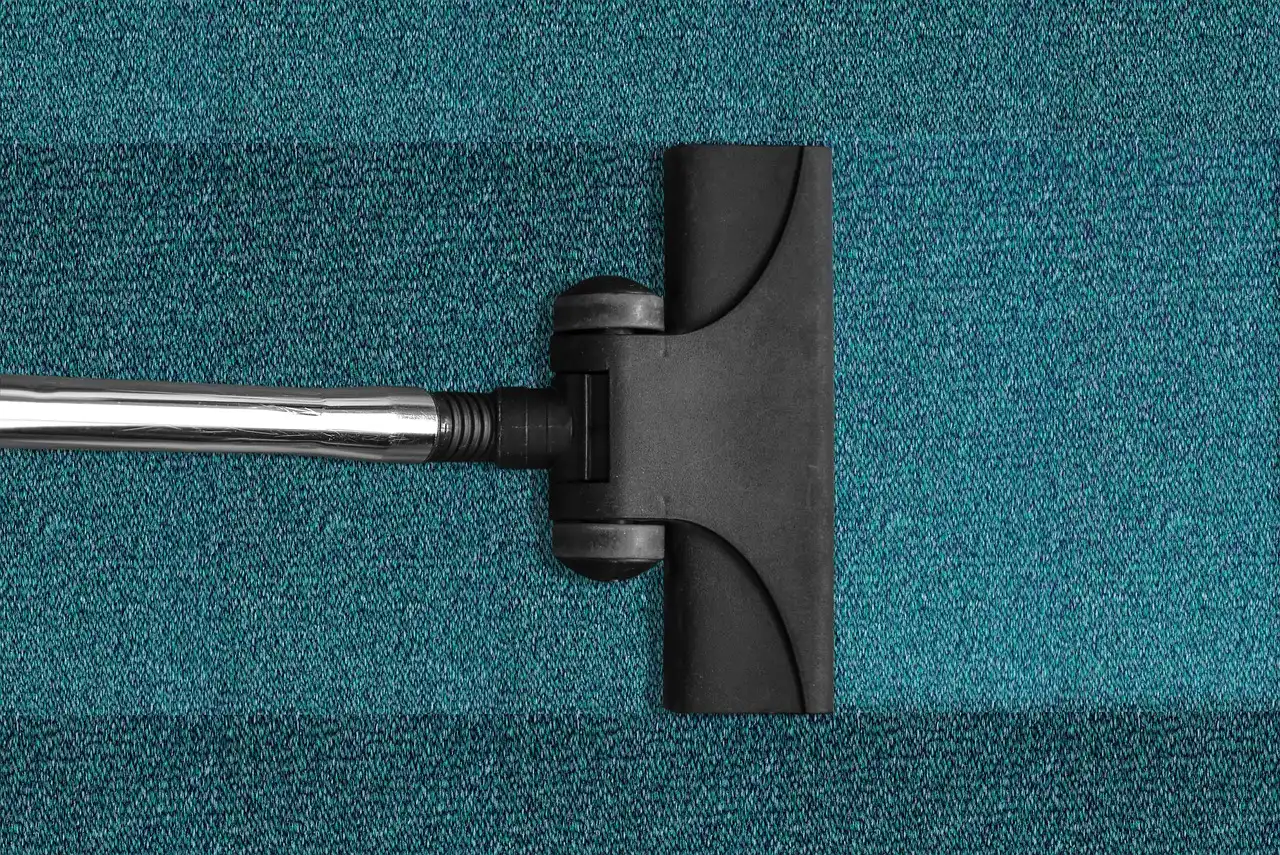
This is perhaps the most overlooked request of all, especially for guests who travel with allergies or respiratory conditions. Standard vacuum cleaners pick up visible debris but push fine dust particles and allergens back into the air through their exhaust, while hotels that invest in HEPA-filter vacuums capture 99.97 percent of particles down to 0.3 microns, making a real difference for guests with allergies or respiratory sensitivity.
Not every hotel has HEPA equipment available, but asking the front desk whether the property uses them is a reasonable and perfectly legitimate question. Most hotel guests prefer to stay at hotels that clean guest rooms using disinfectant cleaners that kill bacteria and viruses. Extending that same intentionality to air quality is the next logical step.
Ask for Linens to Be Changed More Frequently Than the Default Schedule
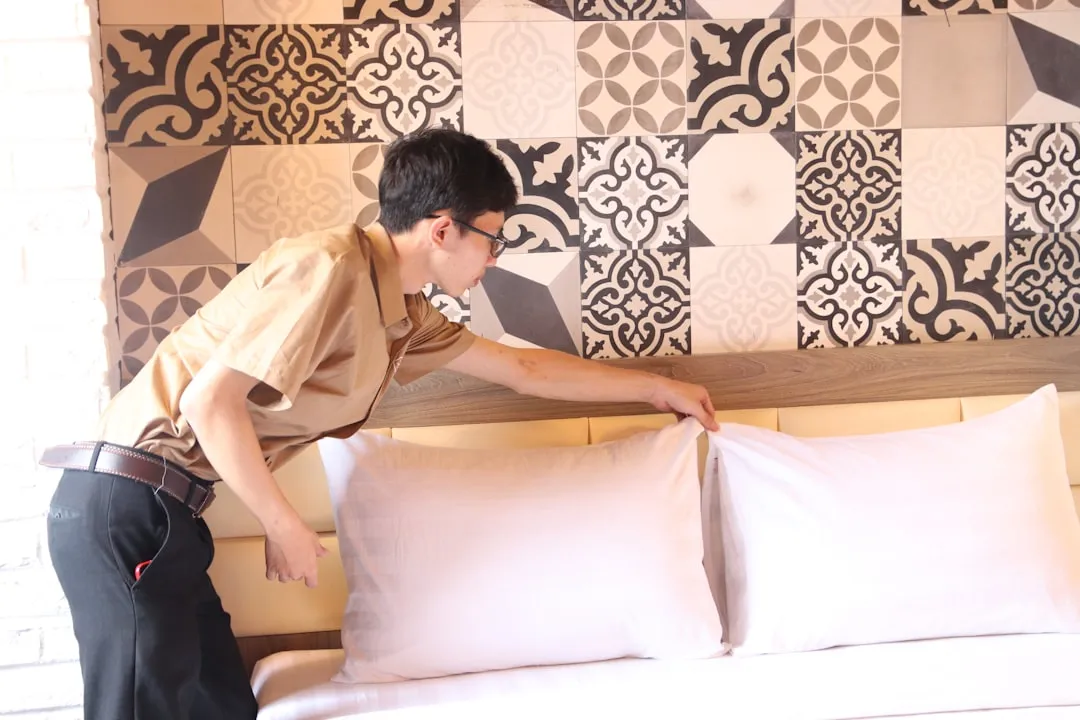
Hotel bedding should be cleaned after every guest checkout to ensure proper hygiene and meet industry standards, and for longer-staying guests, it’s customary to replace sheets and pillowcases every two to three days, depending on the hotel’s policy. But that default schedule isn’t set in stone.
Linen replacement schedules dictate daily changes for towels and weekly changes for bed sheets, unless otherwise requested. That “unless otherwise requested” part is the key phrase most travelers never act on. Asking at check-in for a specific linen schedule that works for you, whether every night or every other day, is a straightforward conversation that housekeeping teams are entirely prepared to accommodate.
Leave a Specific, Written Note With Your Request

Verbal requests made at check-in sometimes get lost between front desk staff and the housekeeping floor. A short, legible note left in a visible spot in the room is far more reliable. Leaving cash on the pillow or nightstand with a note for housekeeping is effective because a stray bill on a desk reads as forgotten money and won’t be touched. The note matters.
Hotel housekeepers are trained not to assume cash is for them, and money left on a desk, the bed, or in a drawer often gets handed to the supervisor as a found item. The same logic applies to service requests. Clear, written communication, even just a few words on a notepad, signals that a request is intentional and specific rather than accidental.
Actually Tip Daily, Not Just at Checkout
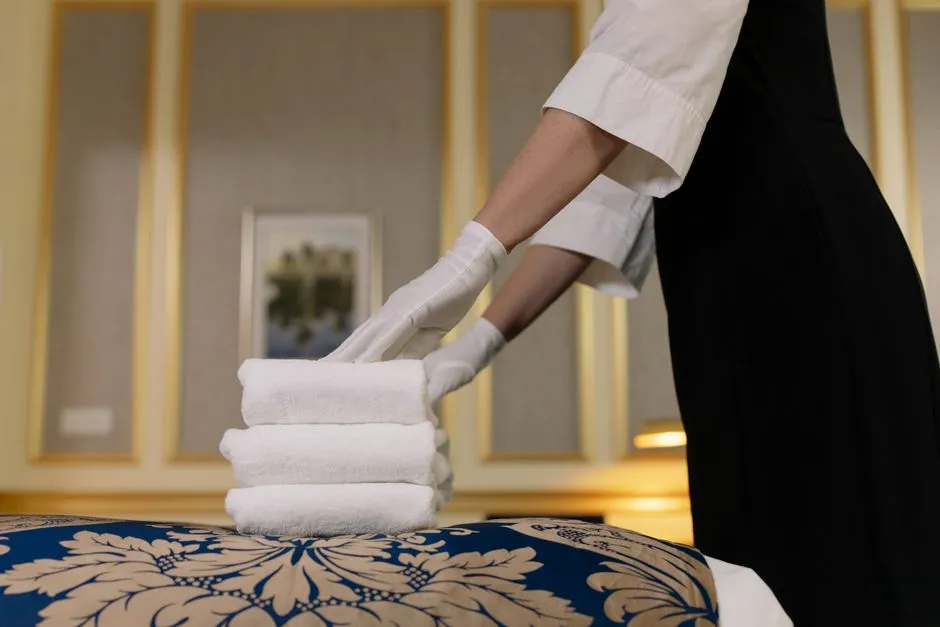
The tipping gap in hotels is significant. A recent industry survey found that only around 20 to 30 percent of hotel guests actually leave a tip for their housekeepers, making it one of the least common tipping instances in the travel industry. That’s a striking figure given how much goes into maintaining a clean room.
Etiquette experts recommend tipping housekeeping daily rather than at checkout. Housekeepers often rotate days and schedules, so the workers cleaning a room at the end of a stay likely won’t be the same people who cleaned it earlier. Tipping a lump sum at the end means the housekeepers who cared for the room during the stay won’t receive anything. The American Hotel and Lodging Association suggests tipping housekeeping between one and five dollars per night at a mid-range or business hotel. It’s a small gesture with a meaningful impact on someone who cleans more than a dozen rooms every single day.
Request a Specific Cleaning Focus for Your Room Type
If you’re staying in a room with a kitchen, a multi-room suite, or a space being used for work, a standard turnover clean doesn’t always address your actual needs. For guests with allergies, properties can implement deep cleaning protocols using hypoallergenic cleaning chemicals, and housekeeping teams can verify that restocking includes specifically requested items like extra towels or particular toiletries.
Cleanliness is a leading reason guests leave a review, whether positive or negative, and the other top reasons guests leave negative reviews are odors and pests. Communicating a clear, specific priority, whether that’s the kitchen area, the bathroom, or the upholstered furniture, helps housekeeping teams allocate their limited time where it matters most to you personally.
The Takeaway
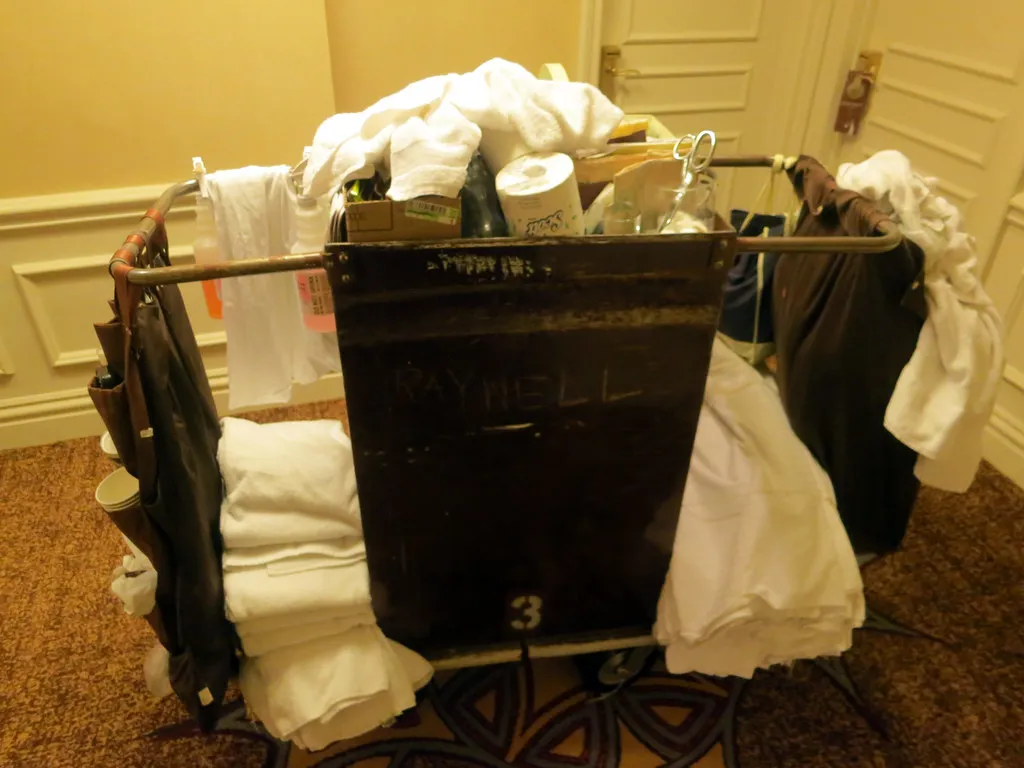
Housekeeping teams are experienced, often overloaded, and genuinely willing to accommodate thoughtful requests. Few roles in hospitality are as foundational and yet as often overlooked as hotel housekeeping. Without them, hotels would quickly lose the cleanliness and order that define a relaxing stay, and the ability of a hotel to provide a comfortable experience rests heavily on their unseen efforts.
The requests covered here aren’t demanding or unusual. They’re simply conversations most guests don’t think to have. Travelers consistently rank guest room cleanliness and property cleanliness as the most important factors in their experience, yet most people never speak directly to the team responsible for delivering exactly that. Changing that dynamic starts with a single, polite ask.
AI Disclaimer: This article was created with the assistance of AI tools and reviewed by a human editor.