

There’s a particular kind of excitement that comes before a first skydive. It’s equal parts nervousness and wonder, the feeling of standing at the edge of something genuinely extraordinary. Picking where you take that leap matters far more than most people realize. The drop zone you choose shapes every dimension of the experience, from how safe you feel on the ground to what you actually see when the door swings open at altitude.
Making an informed choice doesn’t require being an expert in aviation. It just requires knowing what questions to ask, what credentials to look for, and how to read the landscape, literally and figuratively, before you book.
Understand Just How Safe Skydiving Has Become
The numbers are worth knowing before you start your search, because they put the whole conversation in perspective. In 2024, the sport of skydiving achieved the lowest fatality rate in its recorded history, with just nine fatalities in the United States according to the USPA. Out of 3.88 million skydives made at USPA drop zones that year, nine fatalities translates to just 0.23 fatalities per 100,000 jumps, or roughly one in every 434,783 jumps.
This is particularly notable given that previous decades averaged 20 to over 40 fatalities annually, and the number of skydives performed each year continues to increase. For context, tandem skydiving, designed specifically for first-timers, averages roughly one fatality per 500,000 jumps. The gap between public perception and actual risk is significant.
Start With USPA Membership, Not Price
Being a USPA member drop zone is the first starting point when selecting a facility. The USPA isn’t a government institution like the FAA, but it does set the safety standards for the sport in the United States. A drop zone that isn’t a member of the USPA isn’t required to follow their safety guidelines, which likely means they have more lenient, and therefore more dangerous, policies.
The most reliable verification is USPA membership. You can search the USPA Drop Zone Locator at uspa.org to confirm that a facility is an active member. In 2025, over 95 percent of reputable drop zones hold USPA Group Member status, ensuring adherence to federal aviation regulations and industry best practices.
Price should not be your primary filter. Extremely low pricing that seems too good to be true usually is. The economics of running a safe, professional skydiving operation are significant, covering aircraft maintenance, fuel, qualified instructors, certified equipment, and liability insurance. A price significantly below the regional average often reflects corners being cut somewhere in that chain.
Verify Instructor Credentials and Jump Numbers
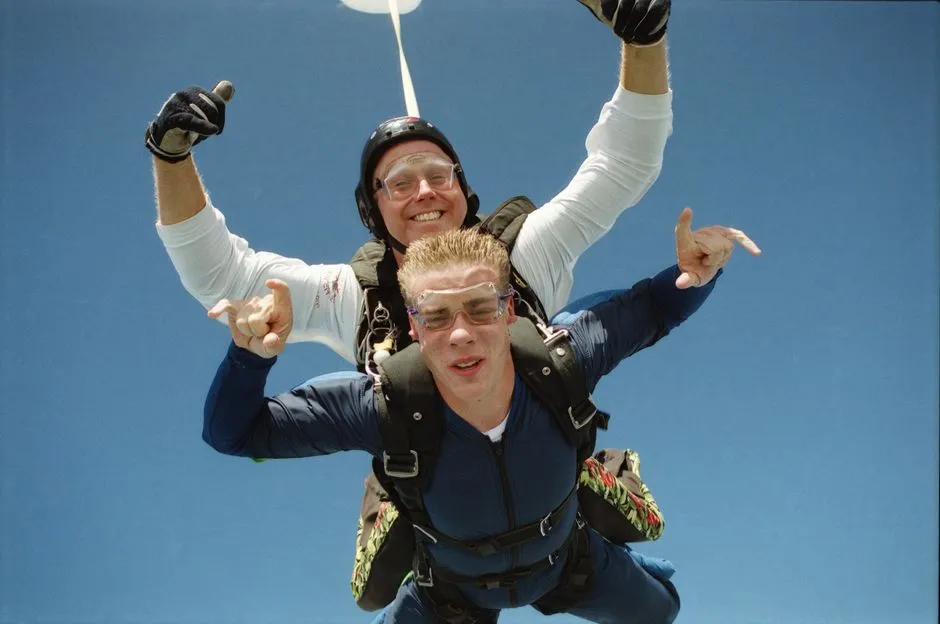
Every tandem rig includes a main parachute, a reserve chute, and an automatic activation device that deploys the reserve if needed. Instructors undergo rigorous certification and must complete hundreds of jumps before carrying passengers. This isn’t just a formality. Experienced instructors are the single greatest variable in a first-timer’s safety and comfort.
Jumping at a USPA drop zone guarantees that you will be receiving a qualified, properly rated, and current tandem skydiving instructor. When you call a drop zone, it’s entirely reasonable to ask how many jumps their tandem instructors have logged and how recently they completed recurrent training. A confident, transparent answer is itself a good sign.
Look at the Aircraft, Not Just the Parachutes
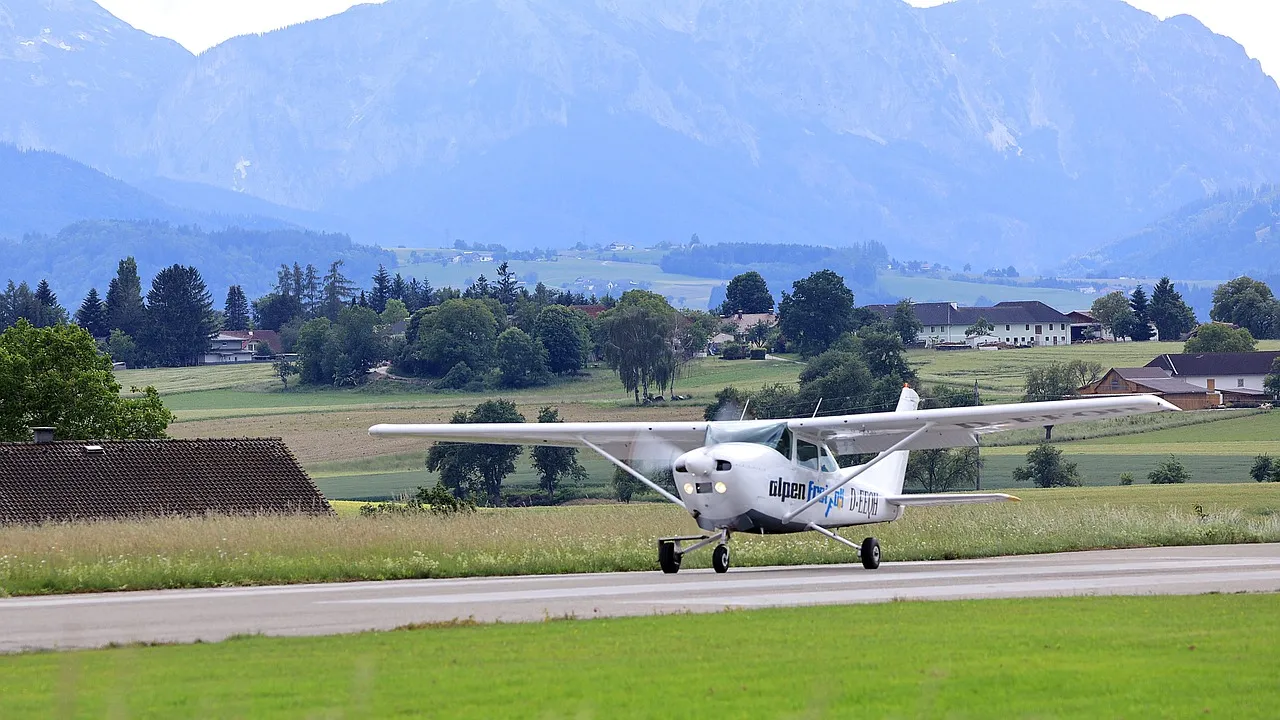
Most first-time jumpers focus entirely on the parachute gear, which makes sense, but the aircraft matters just as much. The quality, maintenance record, and capacity of the plane directly affect how smoothly your experience unfolds from takeoff to exit altitude. Ask whether the drop zone employs its own certified aircraft mechanics or outsources that work entirely.
The USPA mandates reporting of all skydiving incidents at affiliated drop zones. A well-run facility will be transparent about its safety record and won’t hesitate to walk you through its aircraft maintenance process. Drop zones follow strict USPA or equivalent regulations for equipment checks, weather limits, and emergency procedures.
Read Reviews, But Read Them Carefully

You can get a feel for a drop zone by visiting reviews on Google and TripAdvisor. While some people have unrealistic expectations, you’ll be able to see trends developing that indicate the kind of business you’re working with. Look specifically for comments from other first-timers, not just experienced jumpers who may be evaluating different things entirely.
Poor communication before your visit is another warning sign. A reputable drop zone should be easy to reach, happy to answer your questions, and transparent about what is included in your booking. If a facility is evasive on the phone or their website is vague about instructor qualifications, trust that instinct before you hand over your deposit.
Consider Altitude Options for First-Timers
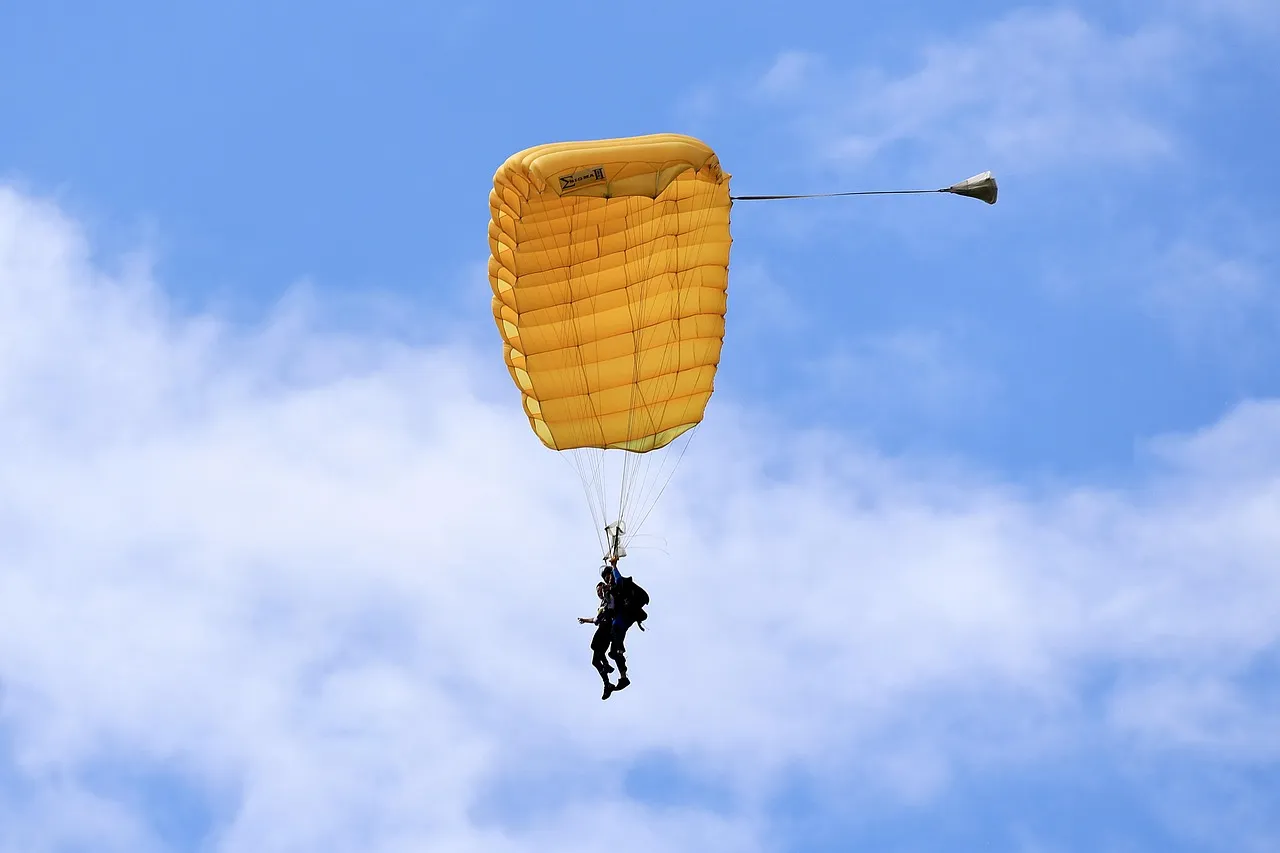
Jump altitude is one of the most overlooked details in the booking process. Most tandem jumps exit between 10,000 and 15,000 feet, with freefall times ranging from about 30 seconds to nearly a minute. Higher exits give you more time to absorb the sensation and the view, which matters enormously on a first jump when everything is happening very fast.
Compare drop zones based on safety records, USPA certification status, instructor experience levels, and customer reviews. Consider factors like altitude options, aircraft types, video packages, and proximity to your location. Jumping from a higher altitude also tends to mean the scenic views, if the location offers them, have more time to register before deployment.
Think About What You Actually Want to See
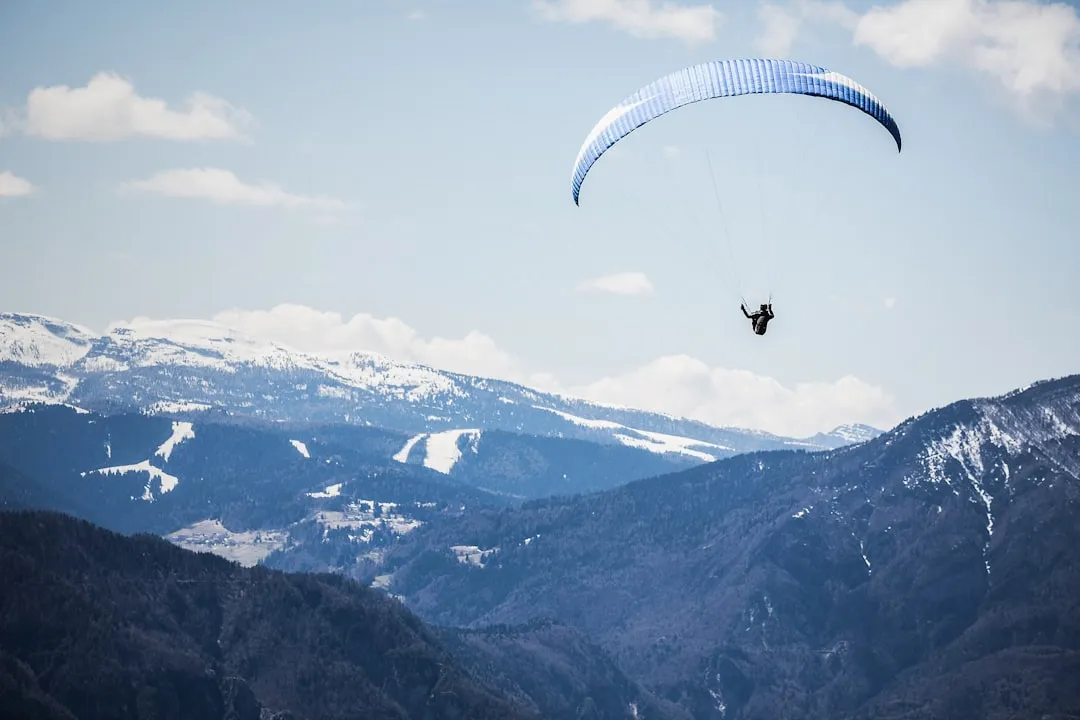
Safety and scenery aren’t competing priorities. The best drop zones offer both, and the landscape you fall through becomes a core part of the memory. If you’re traveling or looking to check something off your bucket list, the view might be your top priority. Coastal jumps, mountain landscapes, and iconic skylines all offer different types of wow-factor.
The United States offers some of the world’s most spectacular skydiving locations, from Hawaiian coastlines to desert landscapes. Whether you’re seeking your first tandem jump or planning an advanced solo dive, America’s diverse geography provides breathtaking backdrops for every skill level. Outside the US, destinations like Interlaken, Switzerland and the Fox Glacier region of New Zealand are widely regarded among the most visually stunning options available.
Interlaken offers a panoramic view of the Eiger, Jungfrau, and the surrounding lakes and snowy mountains, jumping from around 14,000 feet. Skydiving over Fox Glacier in New Zealand gives you views of some of the country’s most famous geological features, including Mt. Tasman, Aoraki Mt. Cook, and Fox Glacier itself.
Check Seasonal and Weather Conditions
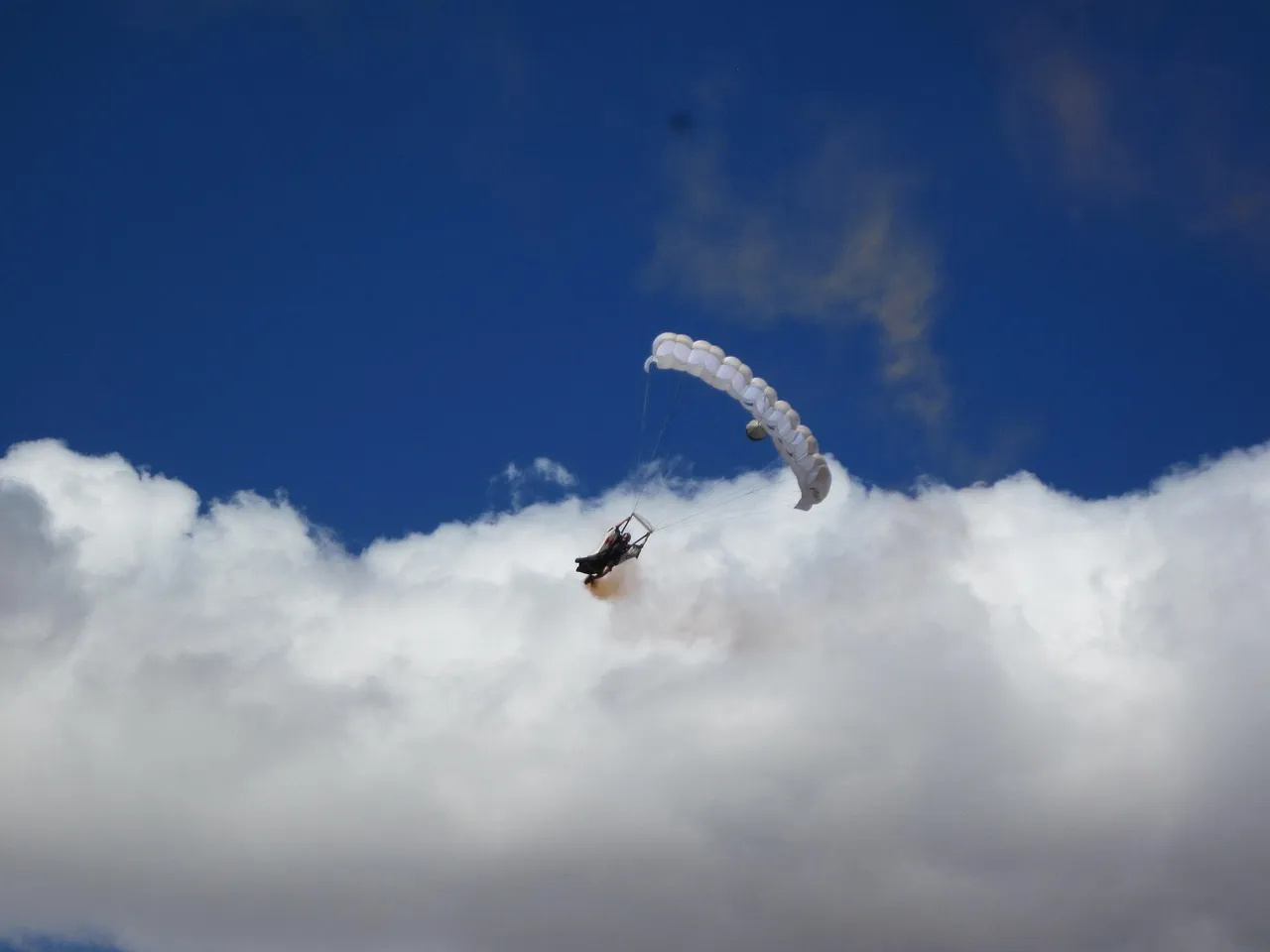
Understanding seasonal weather patterns is crucial for planning the best skydiving experiences across different US regions. Spring and fall typically offer optimal conditions with mild temperatures and stable weather systems. Summer provides the longest operating seasons but may include afternoon thunderstorms in certain areas.
Winter skydiving is possible in southern locations like Florida, California, and Arizona, while northern facilities may have limited operations. When you’re planning your first jump, build flexibility into your schedule. Experienced drop zones will reschedule you for free if conditions aren’t right, and that willingness to cancel on safety grounds is itself a mark of a trustworthy operation.
Beware of Booking Through Third-Party Sites
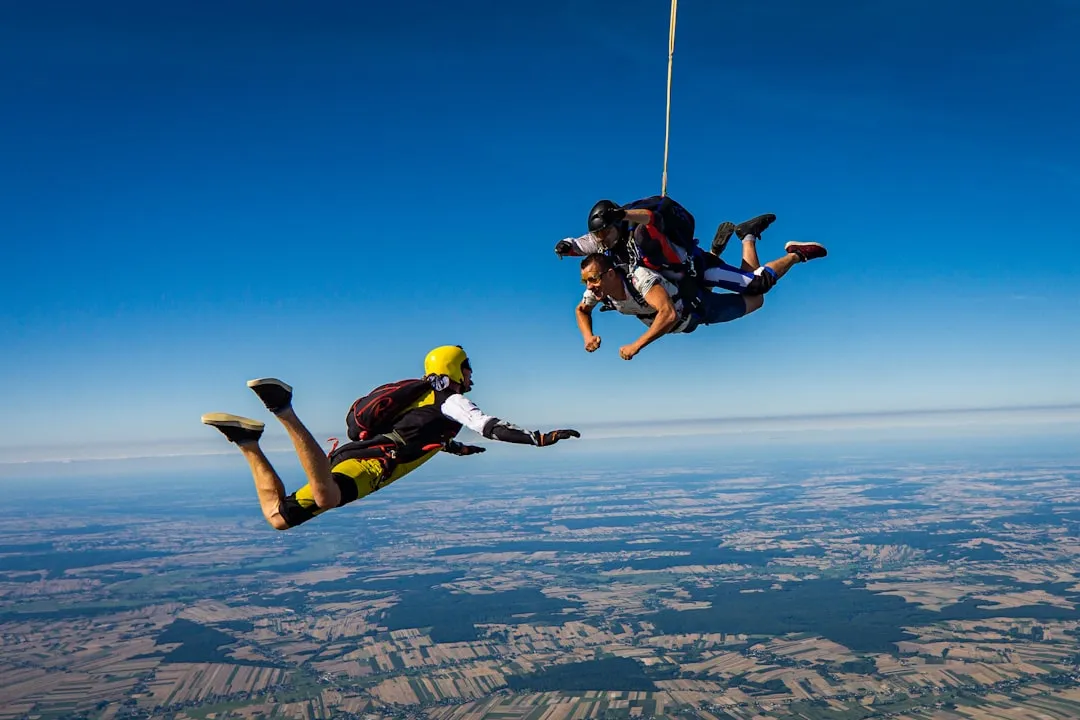
There are a lot of drop zones that appear to exist online but aren’t real skydiving centers. Your best bet is to select a drop zone from the USPA DZ Locator tool. Third-party booking platforms and aggregator sites sometimes list facilities without verifying their current operating status or safety credentials. Going directly through verified sources protects you from wasting money and, more importantly, from showing up somewhere unprepared.
Be careful of pricing that’s exceptionally high, over $300 for a tandem skydive, as these are normally third-party sites, or too low. Booking directly with the drop zone also gives you a clearer line of communication and often better flexibility when weather causes rescheduling.
Trust the Atmosphere When You Arrive
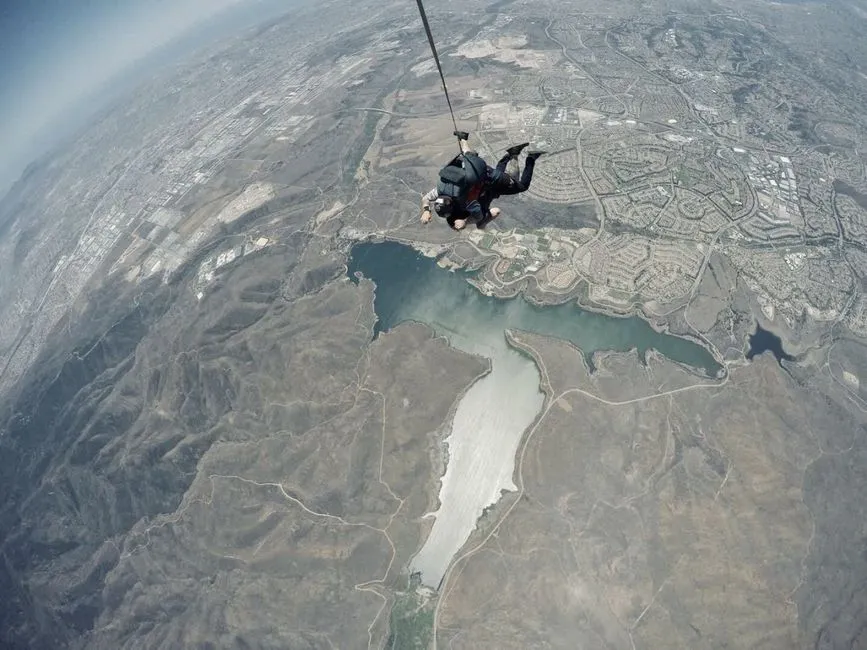
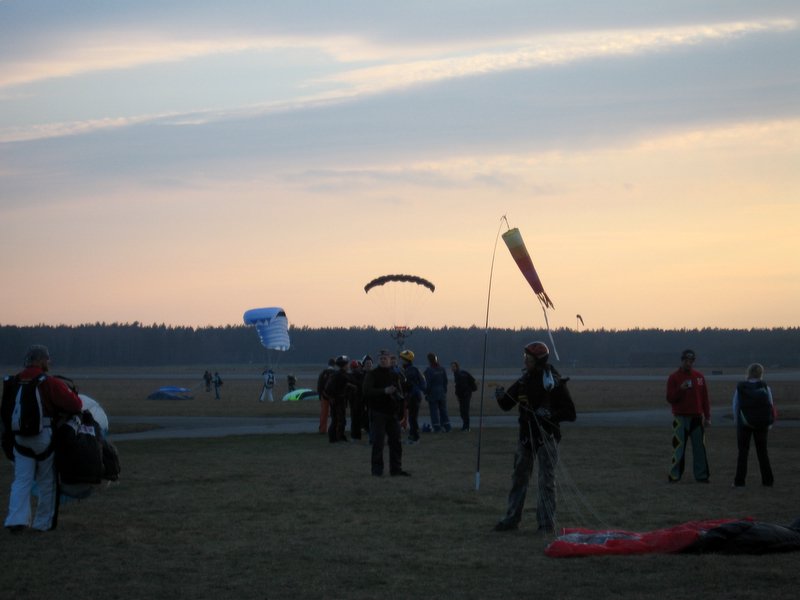
No amount of online research fully replaces the impression you get when you actually walk onto a drop zone. A well-run facility feels organized, calm, and welcoming. Staff speak clearly about the process. Gear is laid out neatly. Instructors take their time during the briefing. Visit facilities in person when possible to assess professionalism, equipment condition, and overall atmosphere before booking your jump experience.
Making a skydive for the first time is really exciting, if a little nerve-wracking. It’s really important that the skydiving center you choose is somewhere you feel comfortable and that’s convenient for you and your family and friends who wish to spectate. A drop zone that takes your comfort seriously before the jump is almost certainly taking your safety seriously too.
The Takeaway
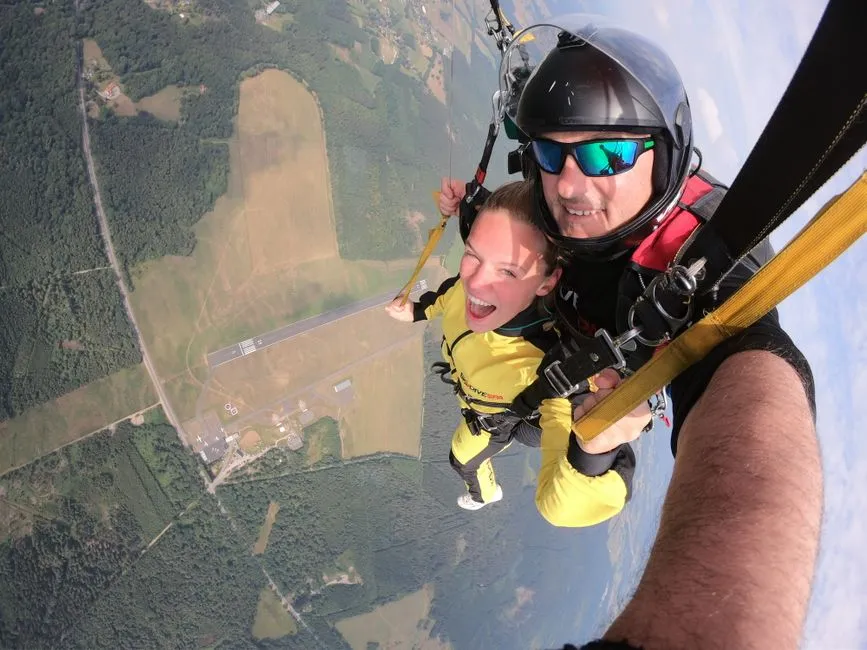
The impressive decrease in skydiving fatalities can be attributed to continued improvements to equipment, training methods and emergency response techniques, as well as an overall focus on a better safety culture. That culture is something you can feel when you find the right drop zone.
The combination of USPA verification, transparent instructor credentials, honest communication, and a landscape worth falling through is entirely achievable. Skydiving is not just about the jump. The location you choose can completely change the experience. Take a little extra time with the research. The memory you land with will be worth it.
AI Disclaimer: This article was created with the assistance of AI tools and reviewed by a human editor.