

Something quietly remarkable has happened to the way people explore cities. Over the past two decades, a simple idea rooted in trust and local knowledge has spread from a single city in Germany to nearly every major urban destination on earth. You show up, you walk, you listen, and at the end you decide what it was worth.
Free walking tours have become a genuine fixture of urban travel culture. They sit at the intersection of community, storytelling, and responsible tourism, and understanding how they actually work reveals just as much about the cities they operate in as about the travelers who take them.
The Pay-What-You-Want Model Explained
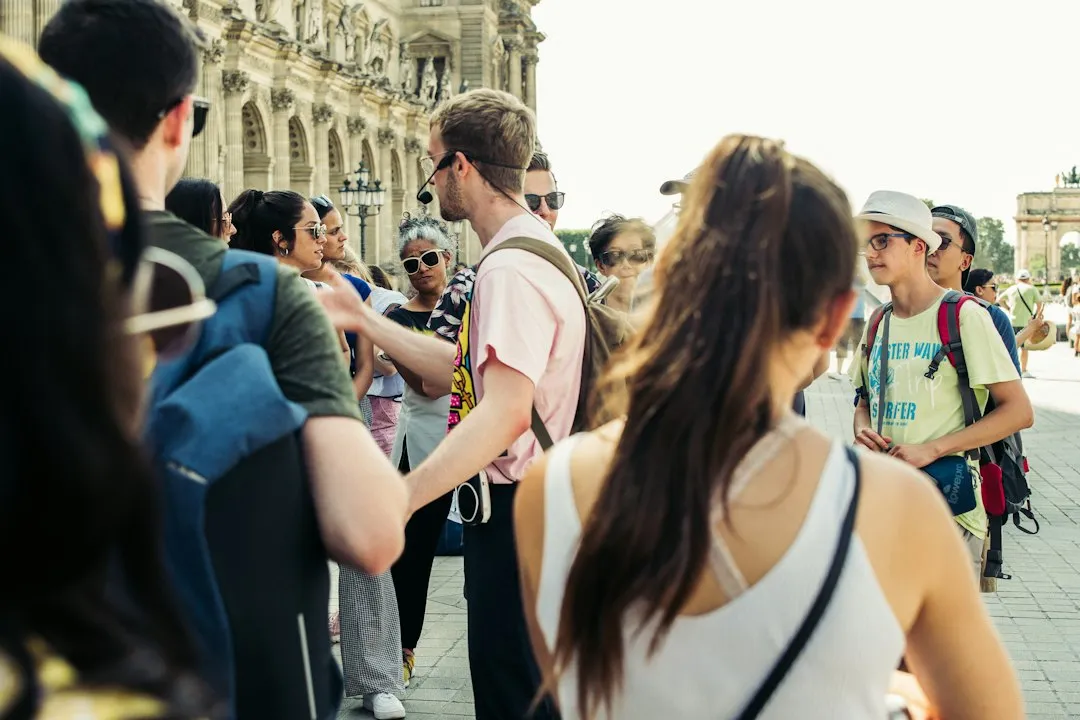
A free walking tour is a guided exploration of a city, typically led by a local expert who shares insights into its history, culture, and landmarks. Unlike traditional tours with a fixed price, these operate on a pay-what-you-want model, and participants are encouraged to give a tip or donation at the end that reflects their experience and budget.
This means travelers have the freedom to determine the value of the experience based on the quality of the tour itself. Unlike fixed-price tours, which require upfront payment regardless of satisfaction, free tours empower participants to reward excellence and ensure their money goes directly to the guide who delivered the experience.
These tours are not actually “free” in the traditional sense. The guide provides the service upfront, and guests decide afterward how much they think the tour was worth. This model makes guided tours more accessible while ensuring that guides are fairly compensated for their work.
Where It All Started: Berlin, 2004
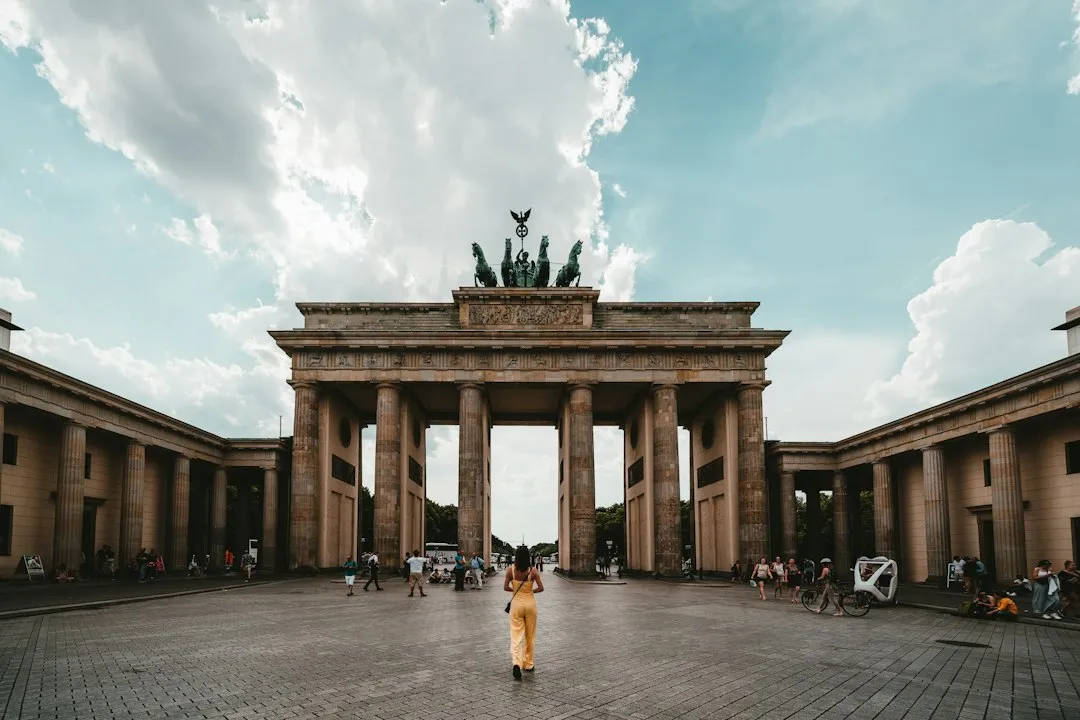
The movement appeared in 2004 in Berlin. What began as a small experiment in trust quickly proved it could work at scale. The concept traveled fast, spreading through Europe and eventually reaching cities across South America, Asia, and beyond.
In the past two decades, free walking tours have transformed the way travelers explore cities, offering a cost-effective, engaging, and immersive way to learn about new destinations. The timing was not accidental. With the growth of low-cost airlines, affordable hostels, and digital nomad culture, more travelers were looking for experiences that didn’t break the bank, and free walking tours provided a perfect solution, allowing visitors to learn about a city’s history, culture, and hidden gems without a hefty price tag.
How Booking and Logistics Actually Work
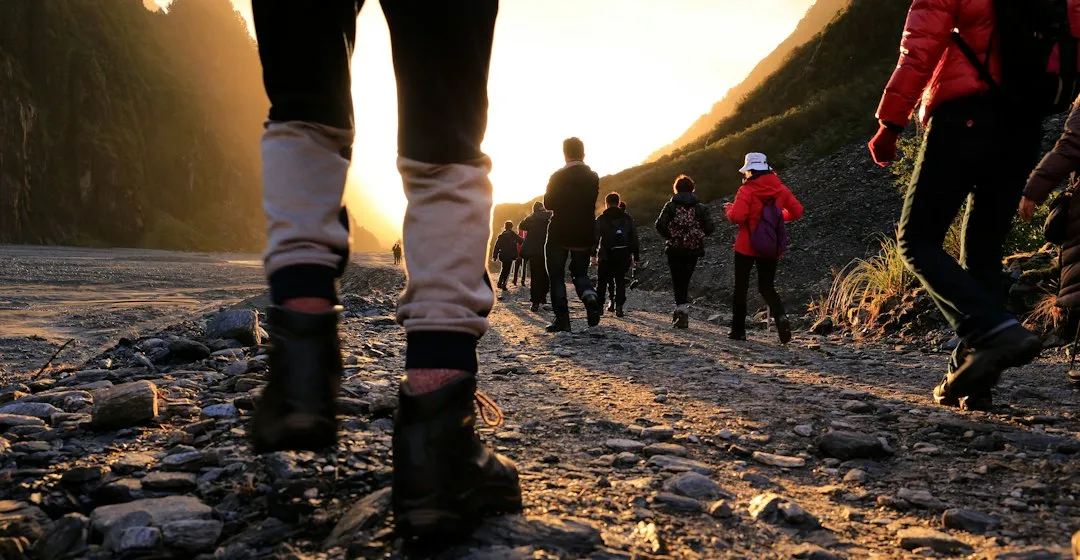
The process is simple: choose a city, select the tour that interests you, and book it for free. Most tours depart from a well-known landmark or public square at a fixed time each day, rain or shine. Free walking tours typically follow a set schedule, and weather and the number of participants don’t change whether the tour runs.
Some free walking tours are listed on online platforms, which help travelers find tours in many cities. These websites can also work as intermediaries between guides and visitors. Platforms such as GuruWalk, FREETOUR.com, and similar marketplaces have made it significantly easier to browse available routes, compare guides, and lock in a spot before you even land.
Depending on the country you’re visiting, these tours have different times, lengths, styles, and are created by different companies, with some even sponsored by the city itself. A quick online search for the name of your destination alongside “free walking tour” is often all it takes to find one within hours of arrival.
How Guides Get Paid and What They Earn
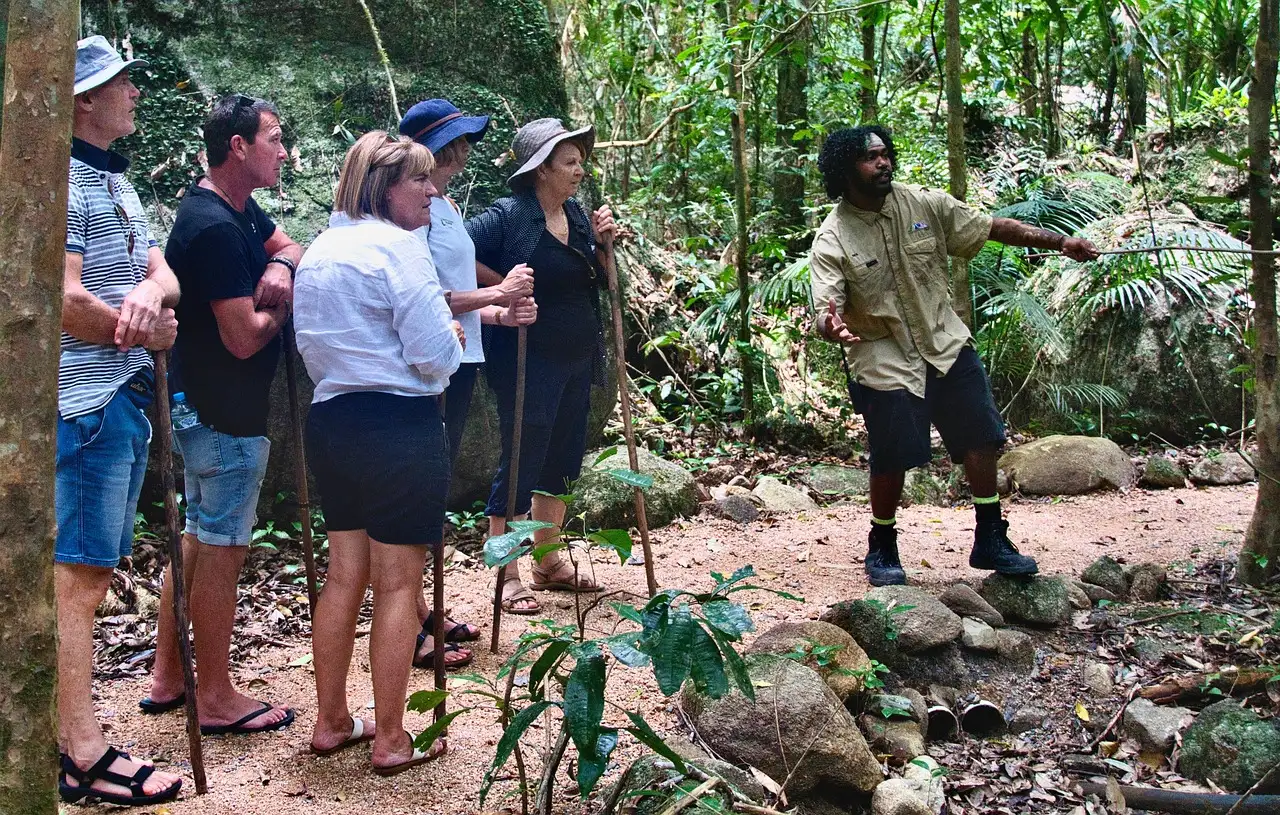
The way that free tours work throughout the world is pretty similar. Most free walking tours work with independent contractor tour guides, and they all are freelance guides. While branded as “free,” pay-what-you-want walking tours operate as tip-supported micro-enterprises. Guides invest significant research, preparation, and physical effort into delivering multi-hour walking routes, relying on voluntary guest contributions to maintain their livelihood and operational expenses.
The company behind the tour operates as a marketing agency of sorts, charging for every person who shows up. This means a guide who attracts a large group must split a portion of the tips with the operator, while those who run independently keep their earnings in full. It is a business model that rewards consistency, personality, and genuine knowledge.
Many guides who give free walking tours depend solely on tips for their income and will expect them. Depending on the country and the tour length and quality, tips can range from around five to thirty US dollars per person.
The Role of Online Platforms in the Sector’s Growth
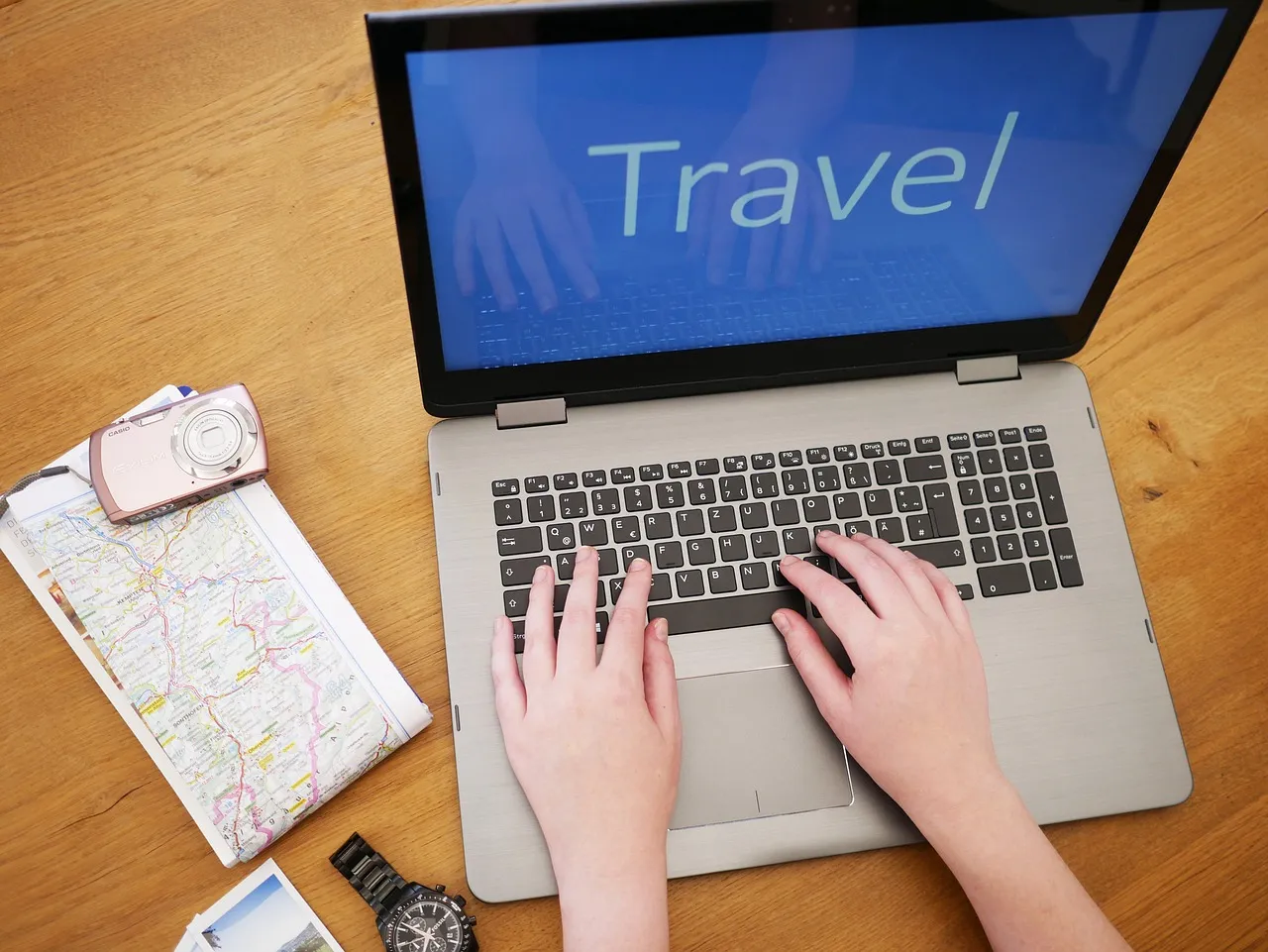
According to academic literature, free guided tours are becoming more common in urban areas. They are distinct in their reliance on online platforms and their ability to attract younger audiences, and they have grown in popularity with the rise of digitalization and international digital marketing channels.
GuruWalk, launched as an online marketplace for the tourism sector, connects local guides with travelers using a pay-what-you-want model, which is common in free tours, where users book for free and tip the guide voluntarily afterward. Similar platforms have emerged globally, each with slightly different models but the same underlying principle.
Experiences bookings grew significantly faster than travel overall in recent years. Only about a third of experiences were booked online in 2025, compared with nearly two thirds of travel bookings overall, even as specialized marketplaces like Viator and GetYourGuide expand their inventory. This suggests there is still enormous room for digital growth within the free tour space.
Who Takes These Tours and Why
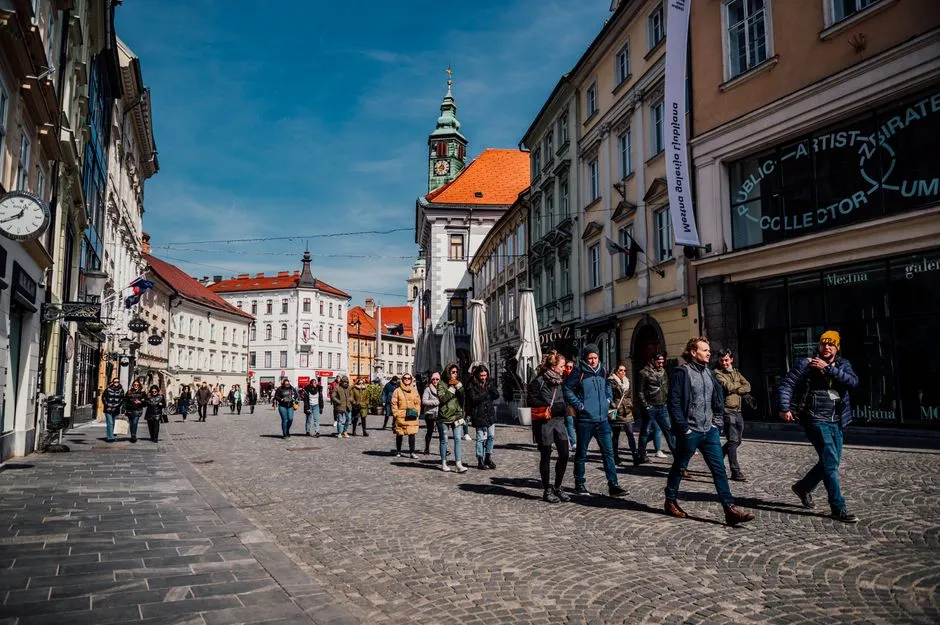
The rapid expansion of the free walking tour model reflects broader shifts in traveler preferences toward experiential, community-focused tourism. Independent travelers, solo backpackers, and budget-conscious families increasingly prefer guided walking routes over traditional bus excursions.
The model also allows travelers of all financial backgrounds to participate, fostering a diverse and inclusive tour environment. That inclusivity is part of what gives free tours a different atmosphere than premium alternatives. Groups tend to be genuinely mixed, with students, retirees, and seasoned backpackers all standing together on the same pavement.
Led by licensed local storytellers and independent guides, these tours provide contextual historical insights, architectural analysis, and recommendations for local food venues that lie beyond standard tourist itineraries. For many travelers, the local recommendations alone make the experience worthwhile.
The Guide’s Craft: What Makes a Good Free Tour
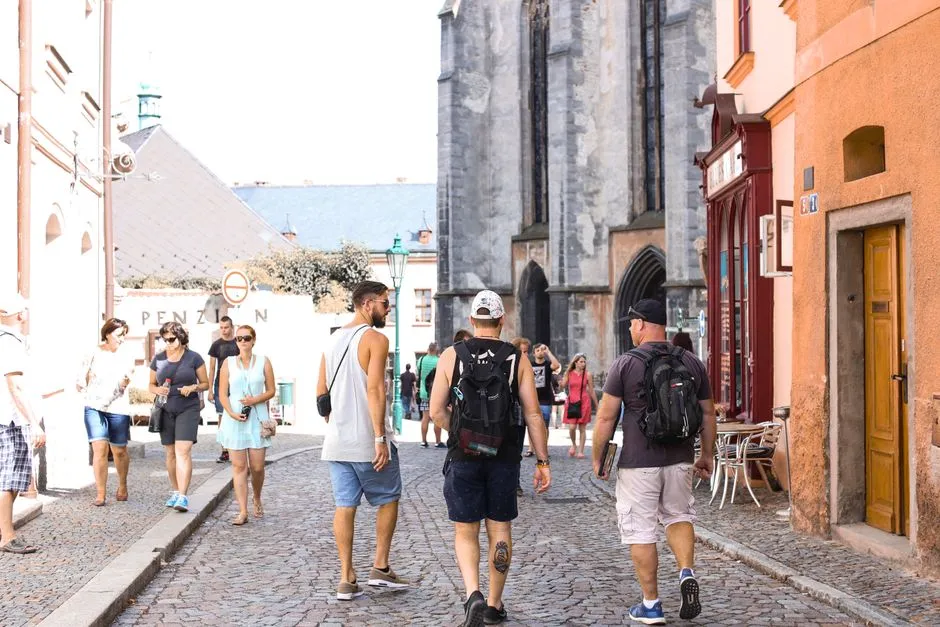
The pay-what-you-want model ensures that guides are incentivized to provide engaging, informative, and entertaining experiences, as their earnings depend directly on guest satisfaction. There is no safety net in a bad tour. A guide who bores a group earns very little, and the model keeps quality honest in a way that upfront pricing often cannot.
Being able to do free tours is a rare skill. A good guide has to combine theatrical ability with guiding ability with a bit of a schoolteacher’s presence as well. The best guides treat storytelling as a genuine craft, threading together history, architecture, local gossip, and personal anecdote into something that feels more like conversation than lecture.
Guides are usually passionate locals who share authentic stories, fun facts, and lesser-known anecdotes about the city. That local fluency is something no guidebook, audio tour, or AI-generated itinerary can quite replicate.
Tipping Etiquette Around the World

Navigating tipping expectations requires travelers to balance tour quality, duration, group size, and local living costs when determining an appropriate contribution. What feels generous in one city can be insulting in another, so it pays to do a small amount of research before you arrive.
For free walking tours operating on a pay-what-you-wish basis, guides earn only tips, and ten to fifteen euros per person is considered the norm for a good two-hour tour. Less than five euros per person is generally considered poor form.
You can tip at the lower end in Central and Eastern Europe, where the cost of living is typically lower. Many walking tours in European countries such as the Czech Republic, Hungary, and Poland are free of charge, and tour guides depend on tips. In cities across Latin America and Southeast Asia, local economic conditions shift the calculation again, so checking local norms before you go is always a worthwhile habit.
How Free Tours Support Local Communities

This kind of income matters more than it might seem at first glance. According to the United Nations, tourism contributed roughly ten percent of global GDP in 2024 and supported one in every ten jobs worldwide. Free walking tours are a small but meaningful part of that picture, creating real income for local guides in cities that might not otherwise see tourism money reach street level.
A knowledgeable guide rarely recommends only the city’s biggest attractions. Visitors often discover independent cafés, family-run restaurants, artisan shops, and neighborhood markets they might otherwise miss. When travelers spend money at these smaller businesses, more tourism revenue stays within the local community rather than being concentrated among large international brands.
Ethical free tour companies actively implement responsible tourism practices. They educate visitors on local customs, encourage sustainable travel behavior, and often take guests to lesser-known areas, helping to disperse crowds rather than concentrate them. Done well, a free walking tour functions as a quiet act of community investment.
Where the Sector Is Heading

New multi-year data from FREETOUR.com shows travelers moving away from high-cost Western European hubs and toward culturally rich, affordable, and winter-strong cities, signaling a structural shift in global tourism demand for 2025 and 2026. That shift is reshaping where guides are building their routes and where new operators are choosing to launch.
Cities including Rome and Florence saw meaningful year-on-year declines in free tour bookings for October 2025, while Athens dropped substantially. In contrast, Vienna surged strongly between October 2024 and October 2025, and cities such as Naples, Palermo, Krakow, and Tokyo showed unexpected resilience and rising interest.
The broader experiences sector has been growing fast. Experiences bookings grew seventeen percent in 2024 compared to six percent for travel overall. Growth is expected to settle into steadier rates of around six percent annually through 2029, but experiences will keep growing faster than most other travel categories even as the catch-up phase ends. Free walking tours, sitting comfortably within that experiential bracket, are well-positioned to keep expanding.
The Quiet Genius of the Model
At its core, the free walking tour is a bet on human decency. The guide shows up and gives everything they have. The traveler decides afterward what that was worth. It is a strikingly simple arrangement, and the fact that it has replicated itself across hundreds of cities suggests it works far more often than it fails.
The economic model of free walking tours exemplifies a dynamic, market-driven approach to urban tourism. By leveraging voluntary payment systems and market segmentation, these tours democratize access to cultural and historical experiences while incentivizing high-quality service.
For travelers, the message is worth taking seriously: showing up is free, but tipping well keeps the whole system alive. The guides, the stories, the communities they support, and the cities that come to life through their words all depend on that quiet, voluntary handshake at the end of the walk.
AI Disclaimer: This article was created with the assistance of AI tools and reviewed by a human editor.