
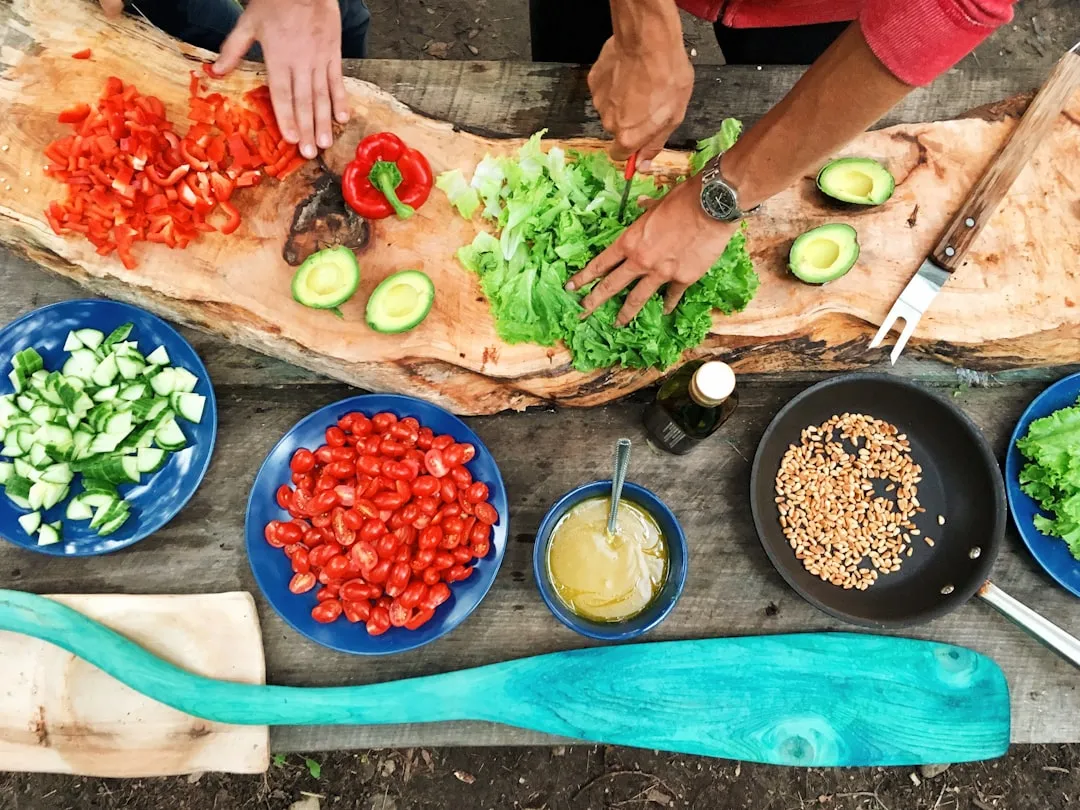

There’s something remarkably honest about a kitchen. When you’re trying to keep dough from sticking or figure out how to fold a dumpling correctly, nobody has much energy left for pretense. That shared vulnerability, small as it seems, turns out to be the starting point for something far more significant.
Across cities and communities worldwide, group cooking classes are quietly doing work that formal multicultural policies often struggle to accomplish. They’re creating moments of genuine contact between people who might otherwise live parallel lives. Flour, heat, and a shared table can, it turns out, open doors that little else does.
The Kitchen as Common Ground
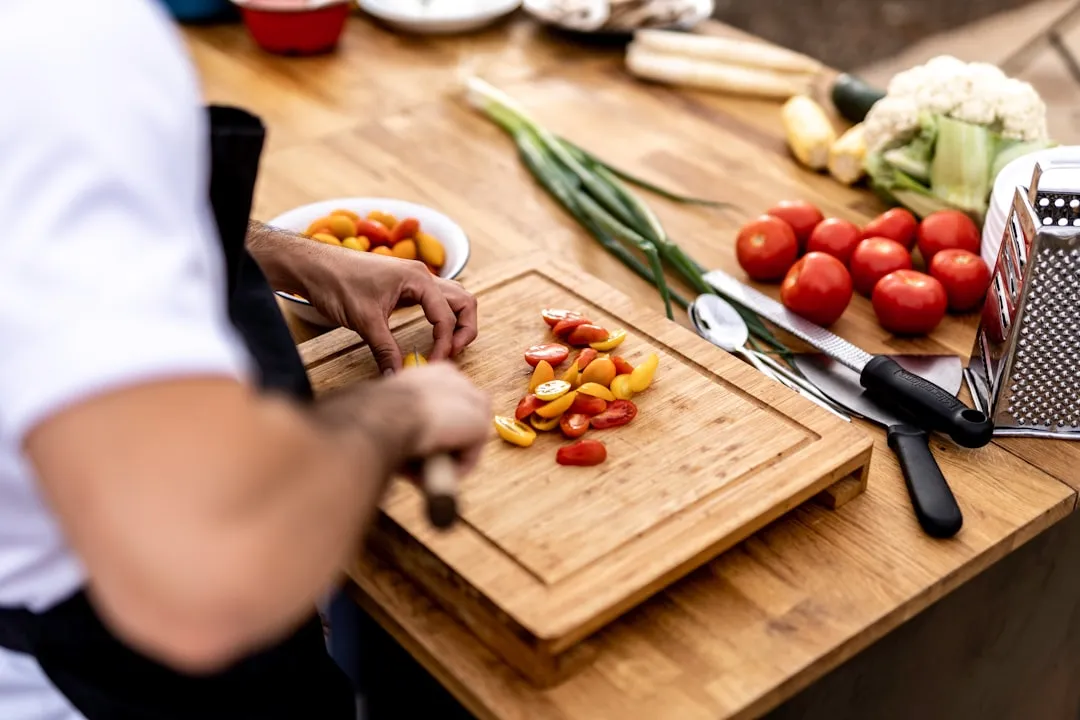
Food is a common thread that weaves through the fabric of human experience, transcending linguistic and cultural barriers. Whether it’s a traditional holiday meal or a casual gathering, food has the power to unite people and create a sense of belonging.
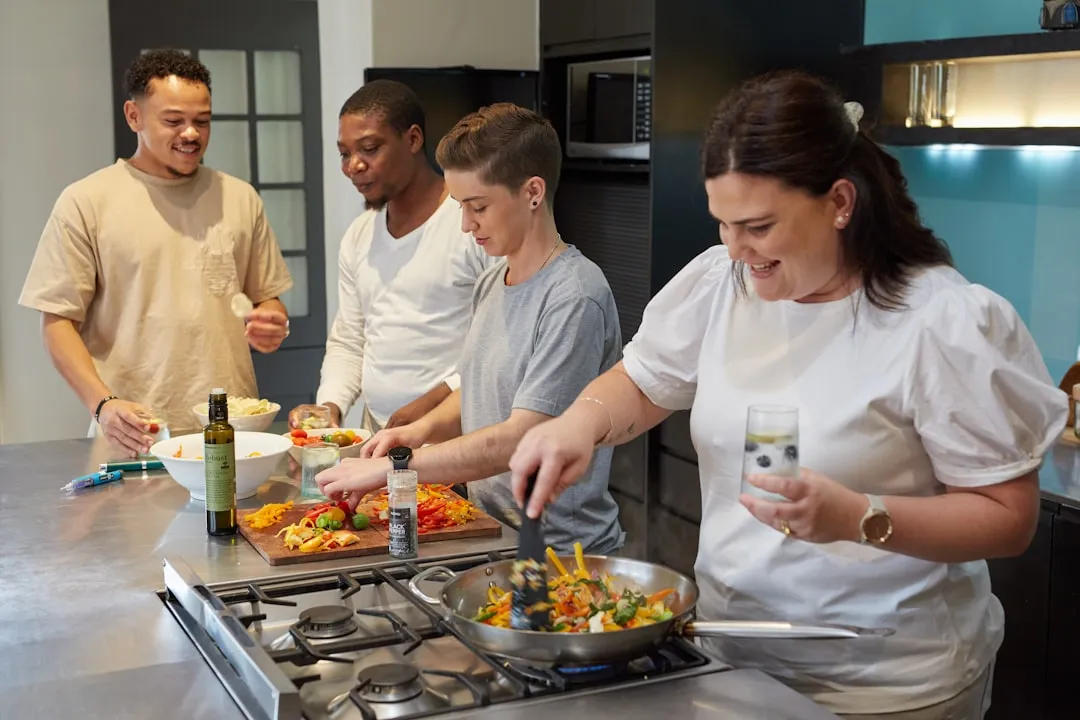
From New Haven, Connecticut, to Cleveland, Ohio, a growing number of cooking classes and supper clubs are using cuisine to bring together U.S.-born residents with immigrants, refugees, and temporary transplants. These groups meet regularly, in a comfortable and non-threatening environment, usually a private residence or small commercial kitchen, and do away with the typical guest-host hierarchy.
In multicultural societies, contact between people from diverse ethnic backgrounds happens through various ethnic cuisines, which are referred to as a source of cultural bridge among them. That bridge isn’t metaphorical. It’s built out of real conversations, real laughter over mishaps, and meals shared at the end of a two-hour session.
A Growing Market with a Social Dimension
The global cooking classes market was valued at roughly four billion dollars in 2025 and is projected to reach ten billion dollars by 2033, expanding at a compound annual growth rate of around fourteen percent during the forecast period.
The cooking class market is witnessing a remarkable transformation, driven by evolving consumer preferences, increased interest in culinary arts, and the proliferation of digital learning platforms. The integration of technology, greater emphasis on experiential learning, and the growing trend of culinary tourism have collectively contributed to the market’s expansion.
As more individuals, groups, and institutions recognize the value of culinary education, both for personal enrichment and professional development, the demand for diverse cooking class formats and cuisines continues to surge globally. Within that wider expansion, culturally themed and community-oriented classes represent one of the sector’s fastest-growing niches.
Eating Across Cultures Reduces Prejudice
A UK-based study found that regularly consuming non-native cuisines isn’t just a matter of taste. Research from the University of Birmingham and the University of Munich, based on a nationally representative survey of more than a thousand White British adults, shows that everyday experiences like eating Indian curry, Caribbean jerk chicken, or Spanish tapas can foster more tolerant attitudes in today’s increasingly diverse society.
The study was the first to explore the role of ethnically diverse food as a potential prejudice-reduction mechanism, and it was published in SAGE Open. The implications are significant. If simply eating another culture’s food shifts attitudes, actively learning to prepare it alongside someone from that culture runs even deeper.
In multicultural societies, cultural bridging is much needed for social cohesion and reducing intergroup and intercultural prejudices. It can reduce intercultural clashes significantly and promote peace and harmony.
Immigrant-Led Classes and the Power of the Instructor
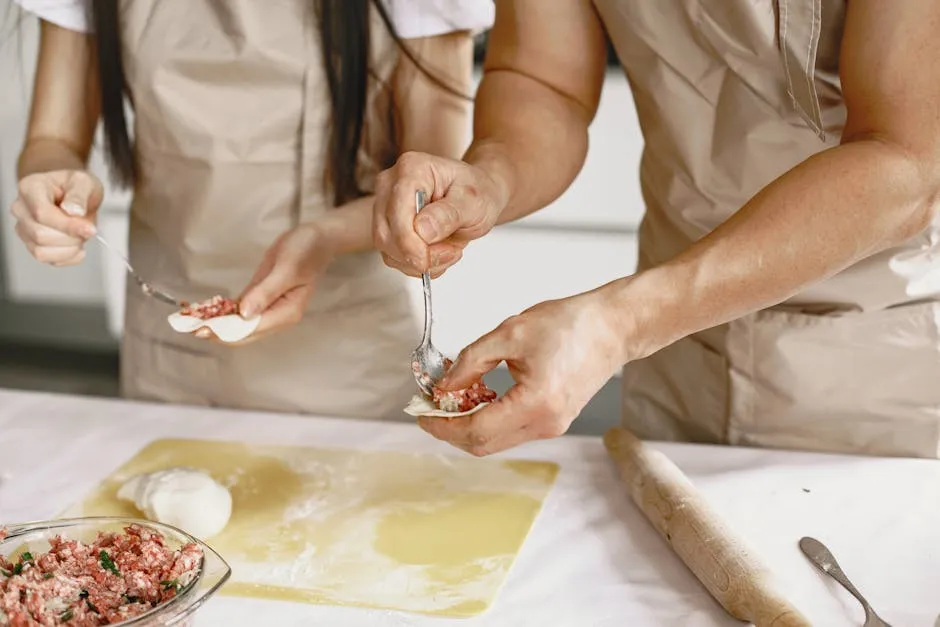
Lisa Kyung Gross founded New York City’s League of Kitchens, an organization that focuses on immigrant-led cooking classes to help build cross-cultural connections. What makes models like this distinctive is that the knowledge flows in a direction the mainstream rarely allows. The immigrant or refugee becomes the expert. The local becomes the student.
The cooking class environment offers novel ways for forced migrants to reframe their personal agency by valuing their own perspectives and using food as a means of breaking down social barriers and fostering a sense of togetherness.
Globalfood, a social enterprise based in London, was first set up to support refugee women into employment using their cooking skills. Most of these women were unemployed due to legal barriers, lack of English language skills, and qualifications from their home countries not being recognized in the UK. Cooking classes gave them not just income, but visibility and respect.
Social Cohesion Backed by Research
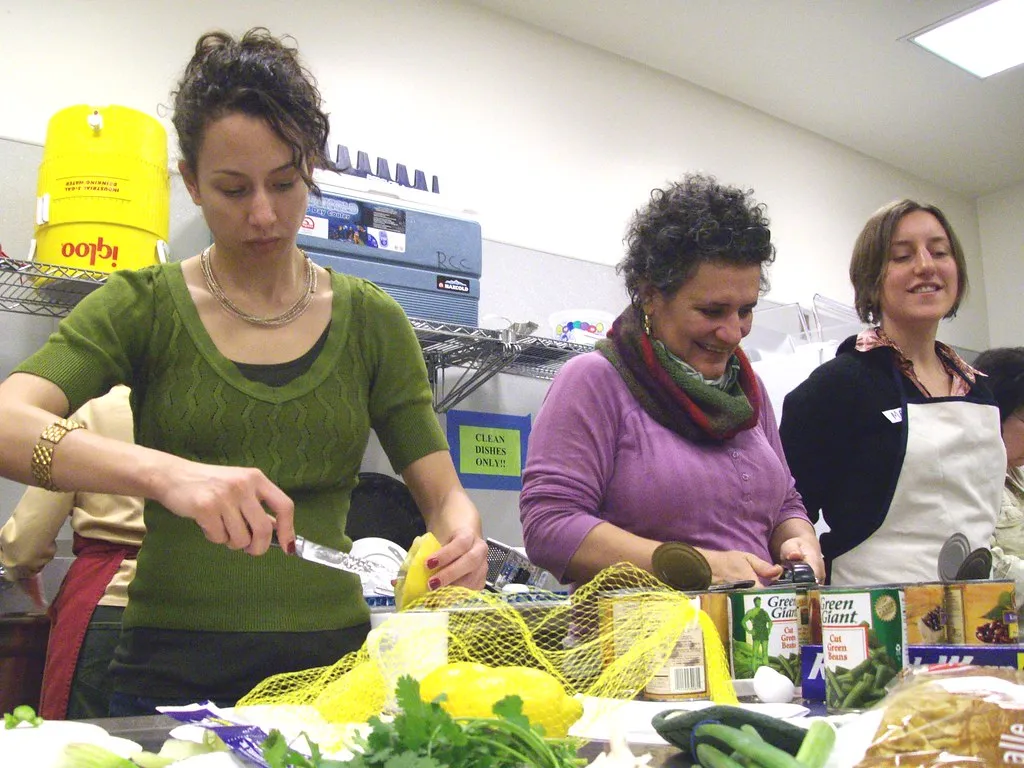
Group cooking classes have been found to increase social inclusion, cohesion, and support for dietary changes. A systematic review by Farmer and colleagues found that while social support and sense of community were often not the primary outcomes of interest for studies on cooking class interventions, the majority of studies found that participants reported socialization-related benefits, specifically improvements in social support and belonging.
A qualitative case study of a community-based social restaurant in central-northern Italy, conducted over nine months from October 2024 to June 2025, aimed to promote the social and labor inclusion of migrant women through training and experiential programs. The results demonstrate the multifaceted role of food practices, which serve to strengthen internal relationships, regulate community life, construct intercultural narratives, and establish spaces of recognition and agency for the women involved.
The Dumpling Effect: When One Dish Belongs to Everyone
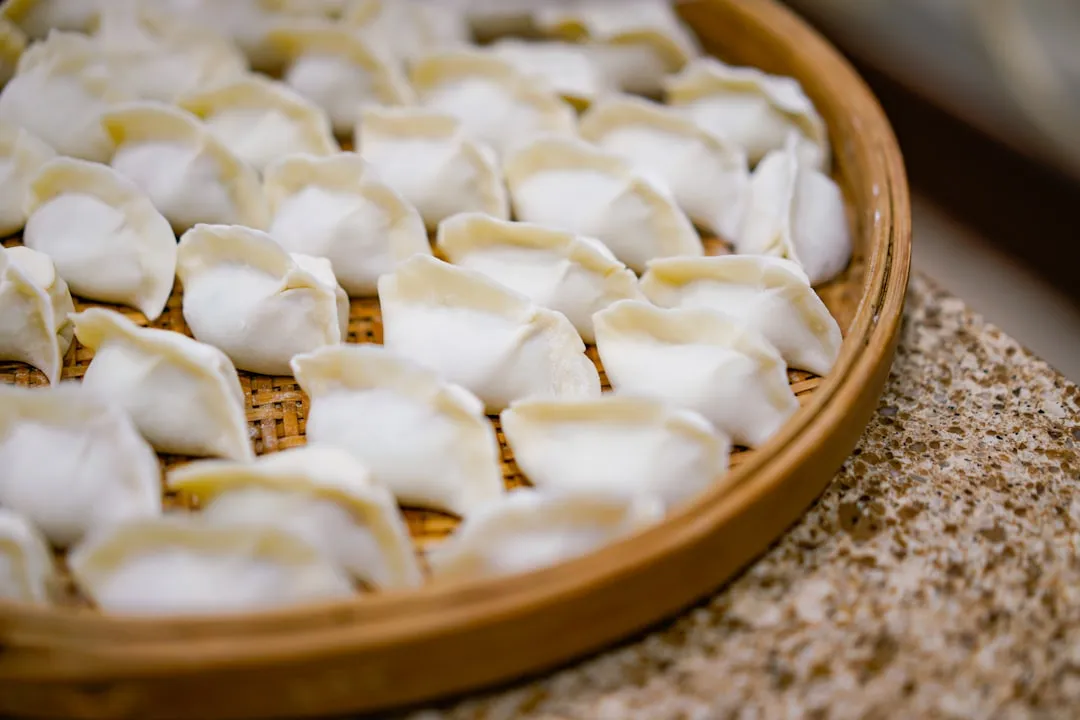
The dumpling exists in various cultures around the world in diverse forms: the Italian ravioli, the Chinese jiaozi, the Turkish manti, the Maltese ravjul, the Russian pelmeni, the Ukrainian vareniki, the Polish pierogi, the Korean mandu, and the Japanese gyoza. When a group of strangers gathers to fold dumplings together, the dish itself becomes a kind of proof that borders between cultures are more porous than they appear.
During cooking sessions, shared workstations allow each team to work alongside each other and observe and be inspired by their neighbors. This also allows participants to communicate and even help one another individually and as teams, fostering another layer of casual engagement and learning.
As a result of these exchanges, some very exciting hybrid dishes can emerge, like Korean-Greek feta and beef bulgogi dumplings. That kind of improvised creativity is not a culinary accident. It’s what cultural exchange actually looks like when it works.
Food, Identity, and a Sense of Belonging
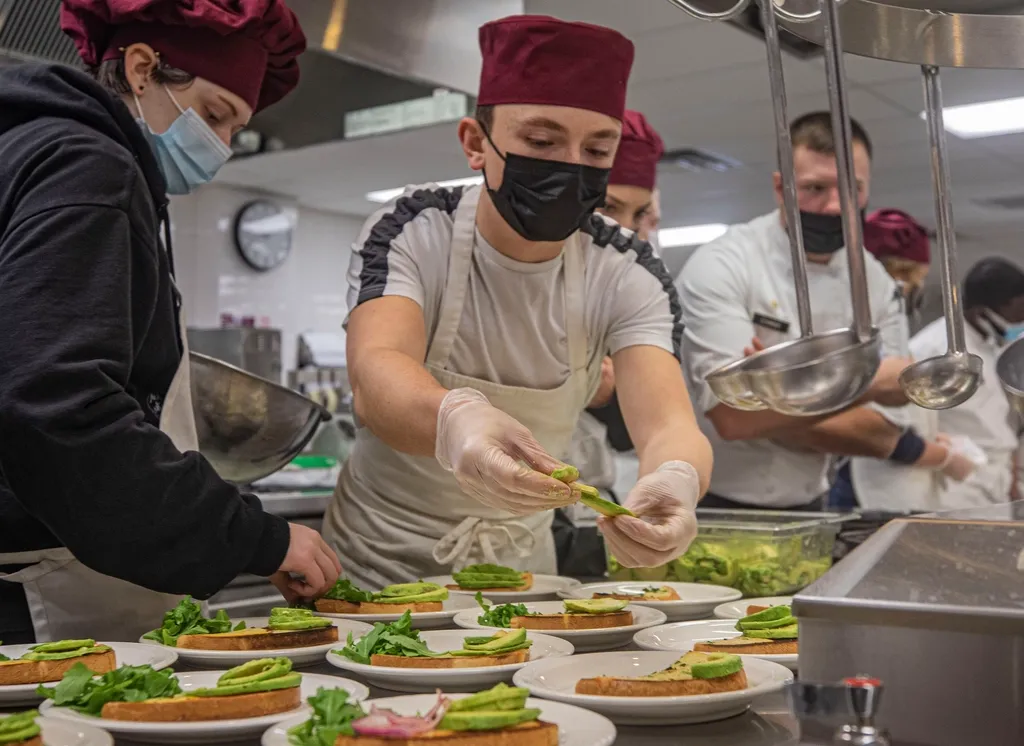
Food practices operate as a material field in which complex identities are reflected and co-constructed. Food has been shown to negotiate belonging and boundaries between groups. In the context of a cooking class, that negotiation happens in real time, with everyone’s hands in the same bowl of dough.
The consumption of traditional food can be regarded as a symbolic act of resistance or a means of anchoring identity in the host country for migrants. The literature refers to the construct of food acculturation as the process through which individuals or groups acquire and modify their food practices, preferences, habits, and cultural meanings in response to social interactions and cultural contacts.
A sense of togetherness was found to be essential for interviewees both in their daily eating habits and when cooking for others, as they associate food as a collective experience and being part of a certain cultural community. That association doesn’t vanish when the class ends. It tends to travel home with people.
Shared Meals and Wellbeing
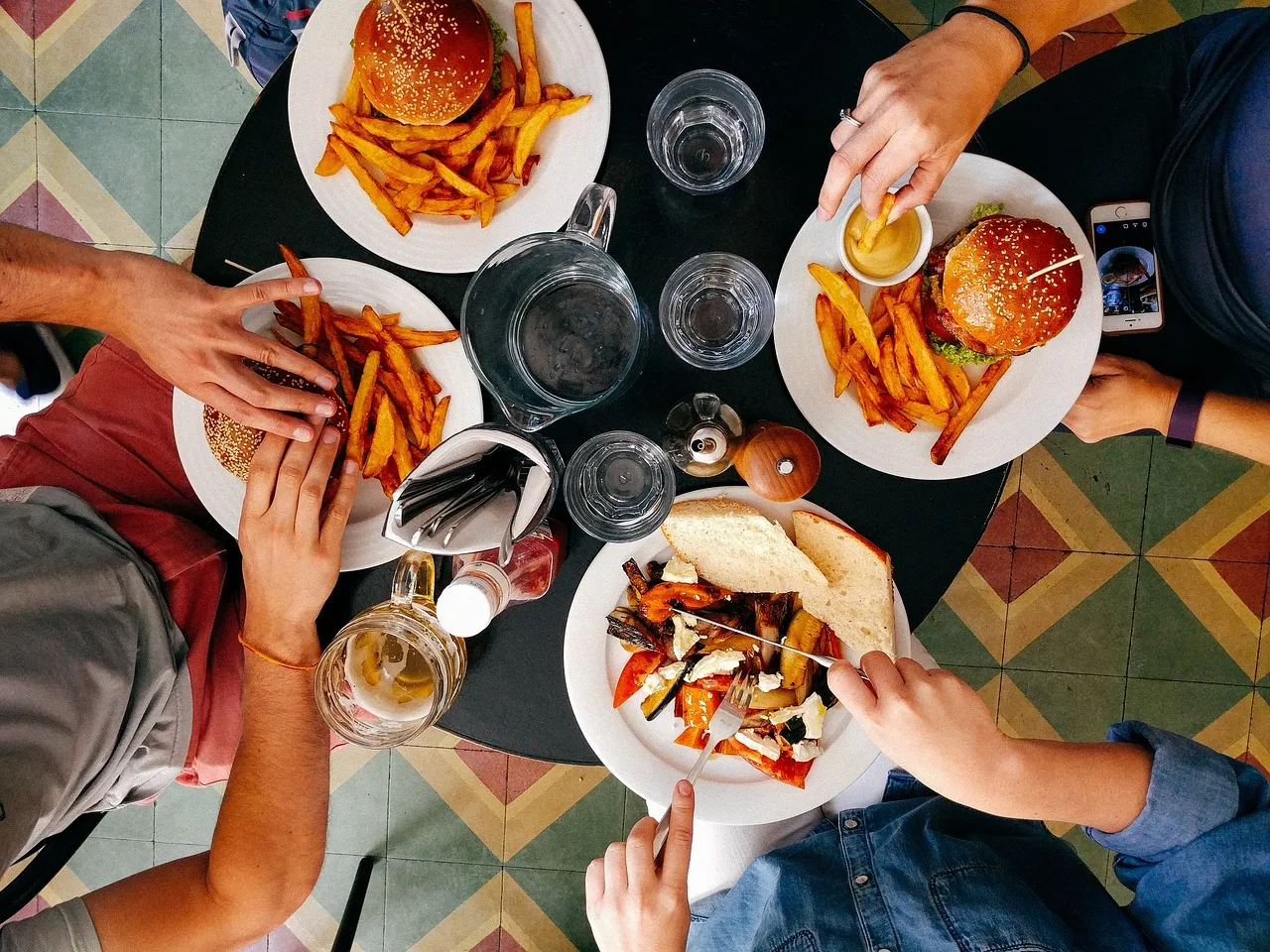
Sharing meals is a cross-cultural social ritual, practiced every day by millions of people. It is a universal practice. The 2025 World Happiness Report examined shared meals as a measurable indicator of wellbeing and social connection, noting that the number of meals shared with others is one of the more reliable cross-cultural comparisons available to researchers.
Even without sharing foods, eating together itself can signify the social relationships between individuals, strengthen the cohesion of a group of people, and provide ample opportunities to communicate verbally or non-verbally and to interact with each other.
Add the actual act of cooking together before the meal, and that cohesion deepens further. People who chop, season, and plate food side by side have already done something collaborative before they ever sit down to eat.
The Limits: When Food Events Stay Shallow
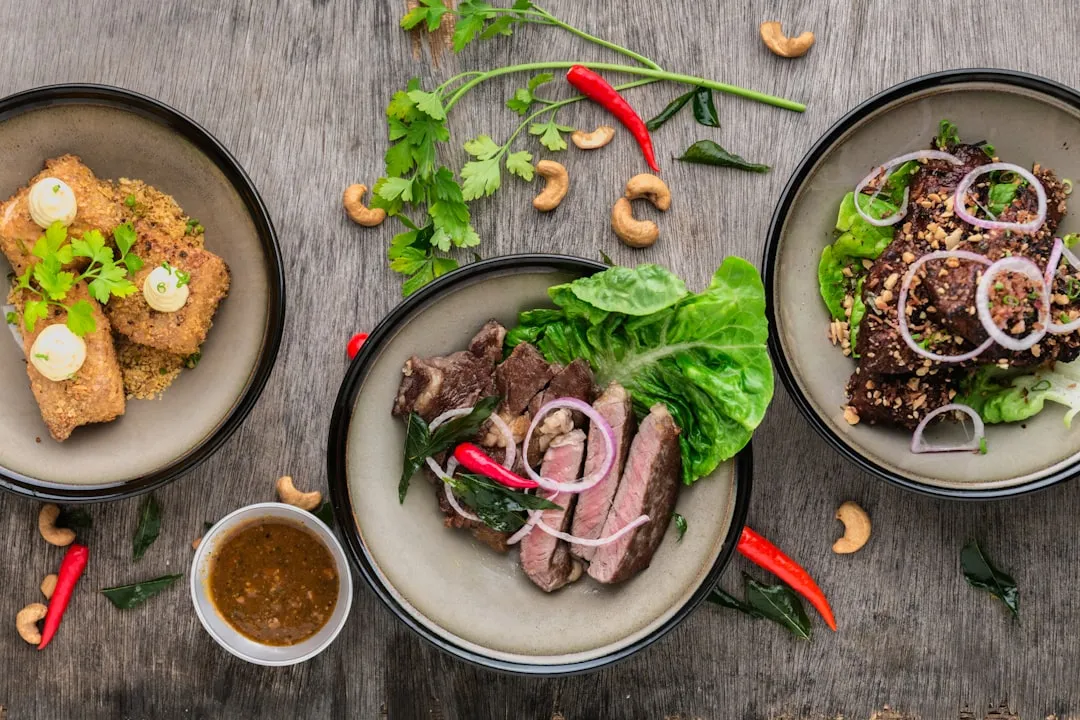
Not every multicultural cooking event delivers genuine cultural exchange. Research has highlighted a real tension between the feel-good format of food-centered cultural events and their actual capacity to shift attitudes or challenge deeper inequalities.
Scholars describe a shallow interpretation of multiculturalism in which events promoted as multicultural can actually increase the gap between those who consume the multicultural offer and those who merely contribute to it. Policy makers, the event industry, and the research community sometimes lack understanding of race and ethnicity, meaning minority groups can be affected by white hegemony even in spaces meant to celebrate diversity.
Future initiatives should move beyond traditional restaurant settings to noncommercial food events, enhancing opportunities for intergroup bridging. The distinction matters: a cooking class that centers the cultural knowledge and lived experience of the instructor is different from one that treats another culture’s food purely as entertainment. Intent and structure shape outcomes.
Building Stronger Communities, One Recipe at a Time
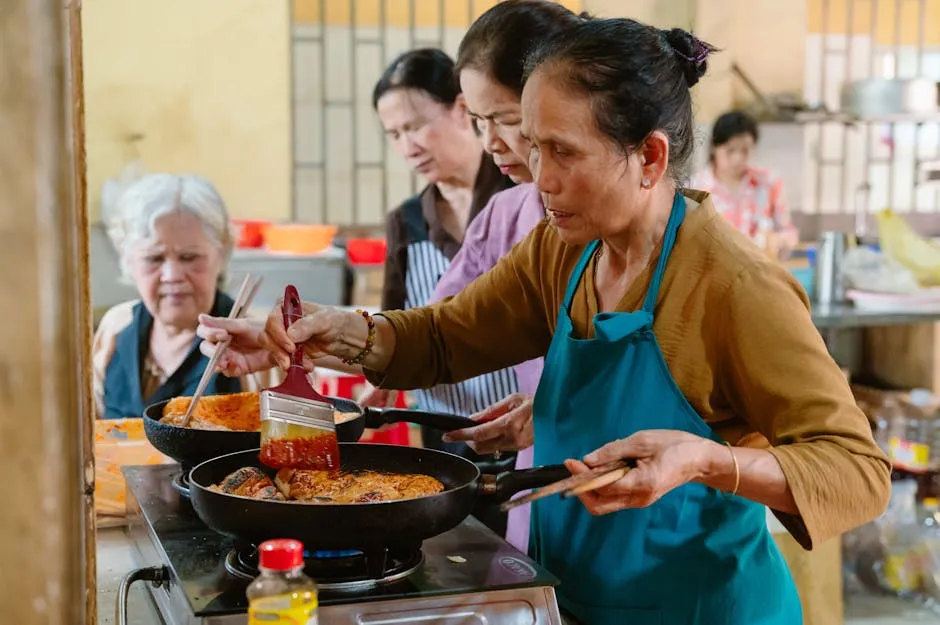
Cultural events and festivals centered around food can help promote cross-cultural understanding and appreciation. These events provide a platform for communities to share their culinary traditions, fostering a sense of inclusivity and diversity.
Researchers suggest several practical ways diverse food can be used to celebrate diversity and serve as pathways to more inclusive communities, including multicultural education programs that incorporate food tastings in schools, local grants or tax incentives to support immigrant-owned food businesses, and tourism campaigns that highlight culinary diversity in both rural and urban areas.
In multicultural societies, cultural bridging is much needed for social cohesion and reducing intergroup and intercultural prejudices. Group cooking classes won’t solve systemic inequality on their own. What they can do, reliably and at a human scale, is create the conditions in which two strangers stop being strangers. Sometimes that starts with getting the spice ratio right. Sometimes it starts with getting it completely wrong, laughing about it, and trying again together.
AI Disclaimer: This article was created with the assistance of AI tools and reviewed by a human editor.