
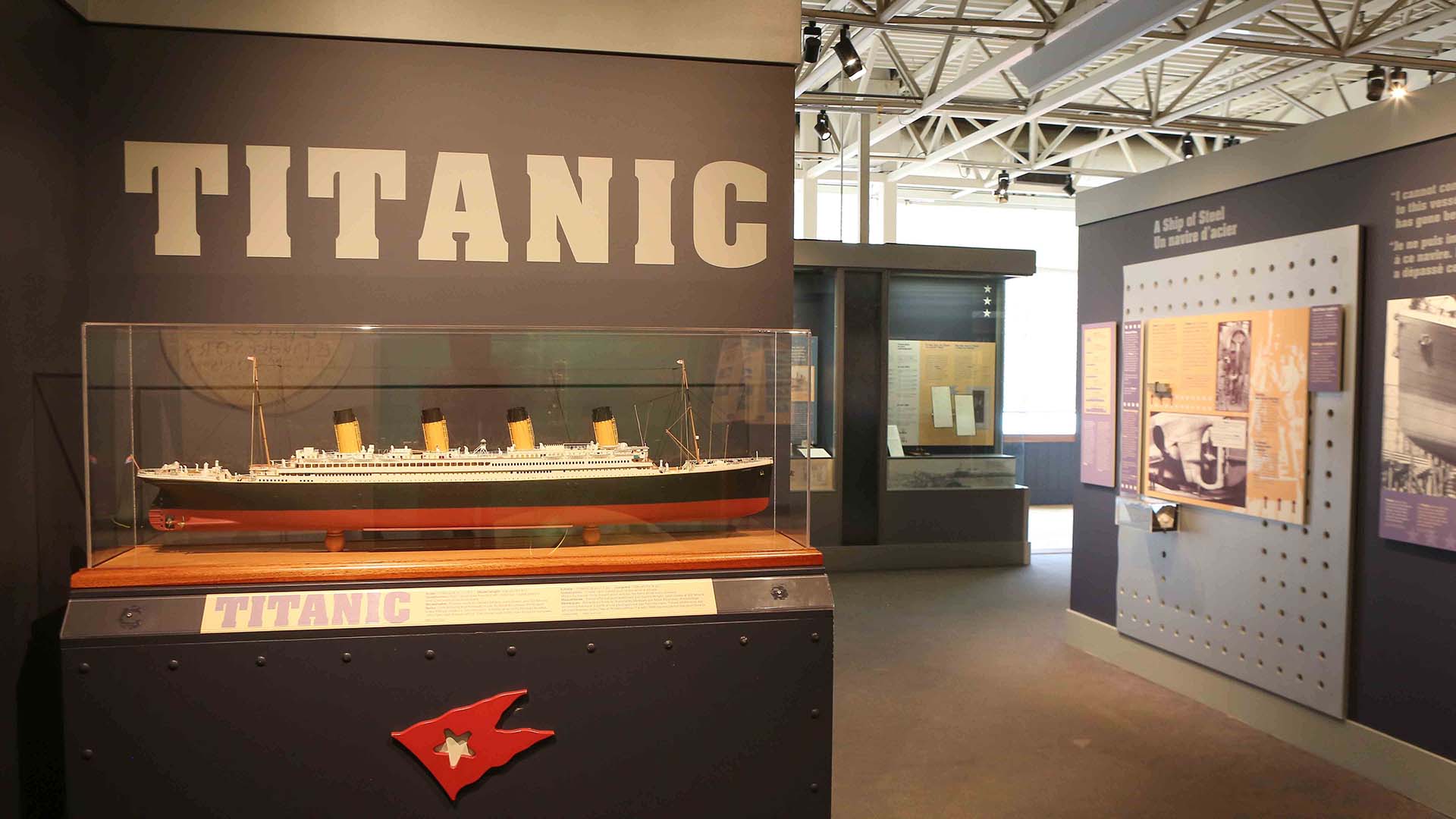

From my hotel window, I can see Halifax Harbour and the Maritime Museum of the Atlantic. On a day when snow has been falling since late yesterday, it is impossible not to think about the Titanic — and the city that helped carry its sorrow home.
A Story Many of Us Think We Know
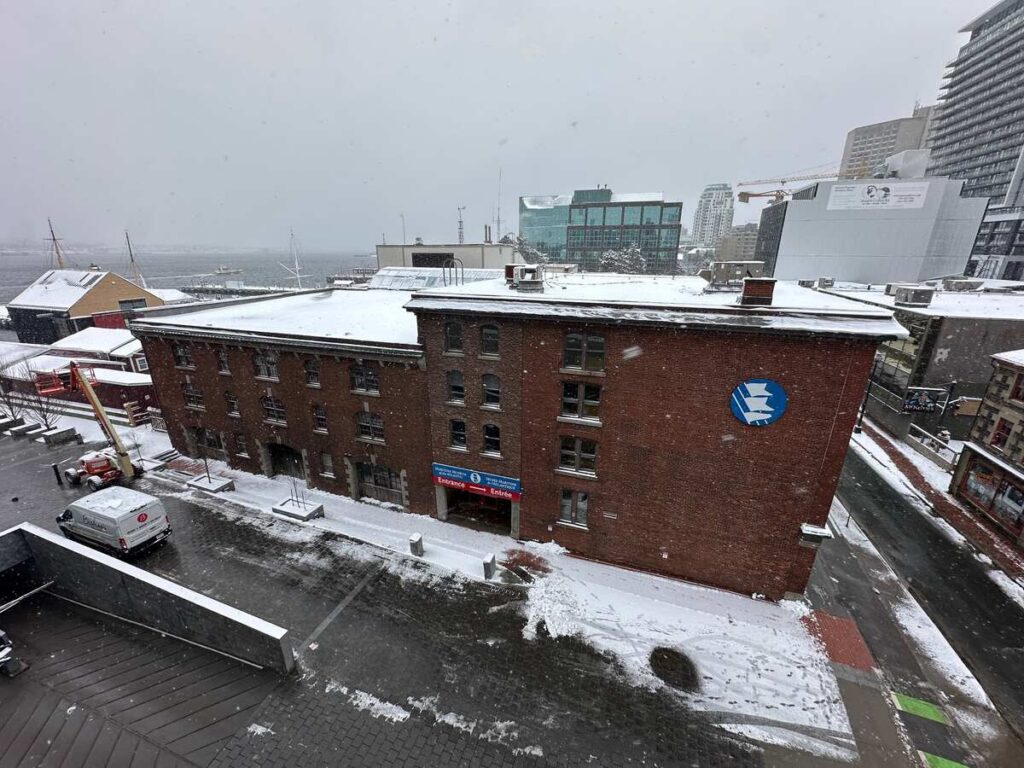
Depending on when you were born, many of us first came to know the Titanic through James Cameron’s sweeping, devastating film. It gave the tragedy a face, a soundtrack, and a kind of heartbreak that has never really left us. Sitting here in my hotel room in Halifax, snowed in for the day, with the Maritime Museum of the Atlantic directly in my line of sight and the harbour just beyond it, it is hard not to think about that ship and all that was lost. The story feels less cinematic here. It feels closer.
Snow Outside, Silence at Sea
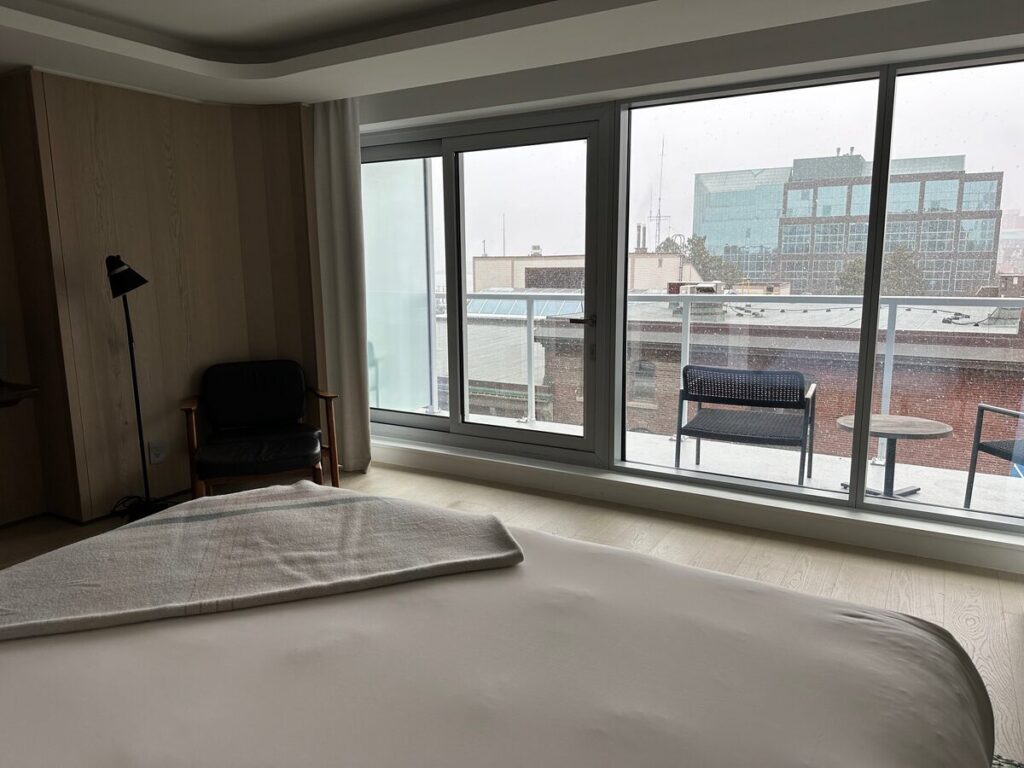
It is strange what weather can stir in us. A snow system moved through Halifax during my stay, which altered my plans. Watching the flakes gather over the harbour, I found myself contemplating whether it had been snowing on the night Titanic sank. It had not. According to NOAA, the ship struck the iceberg on a moonless, clear night with calm seas — conditions so still that the usual waves breaking against an iceberg were absent, making the danger even harder to detect. There is something especially chilling in that detail: not a dramatic storm, but a cold, black stillness. The museum’s exhibit focuses on the ship’s sinking on April 15, 1912, and the official museum interpretation centres Halifax’s role in the recovery that followed.
Where Halifax Enters the Story
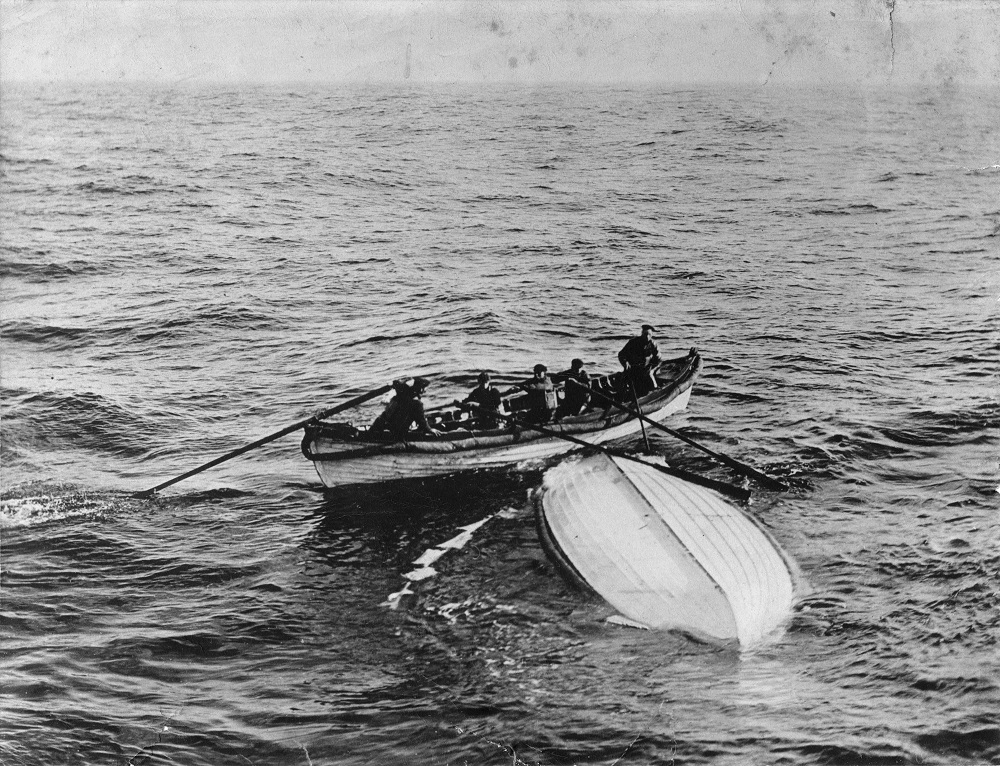
Halifax was not merely near the Titanic story, it became central to what happened after the ship went down. Roughly 700 nautical miles from Halifax, Titanic sank into the North Atlantic, but the work of recovery came ashore here. The White Star Line commissioned Canadian vessels to search for the dead, including Halifax-based cable ships such as the Mackay-Bennett and the Minia.
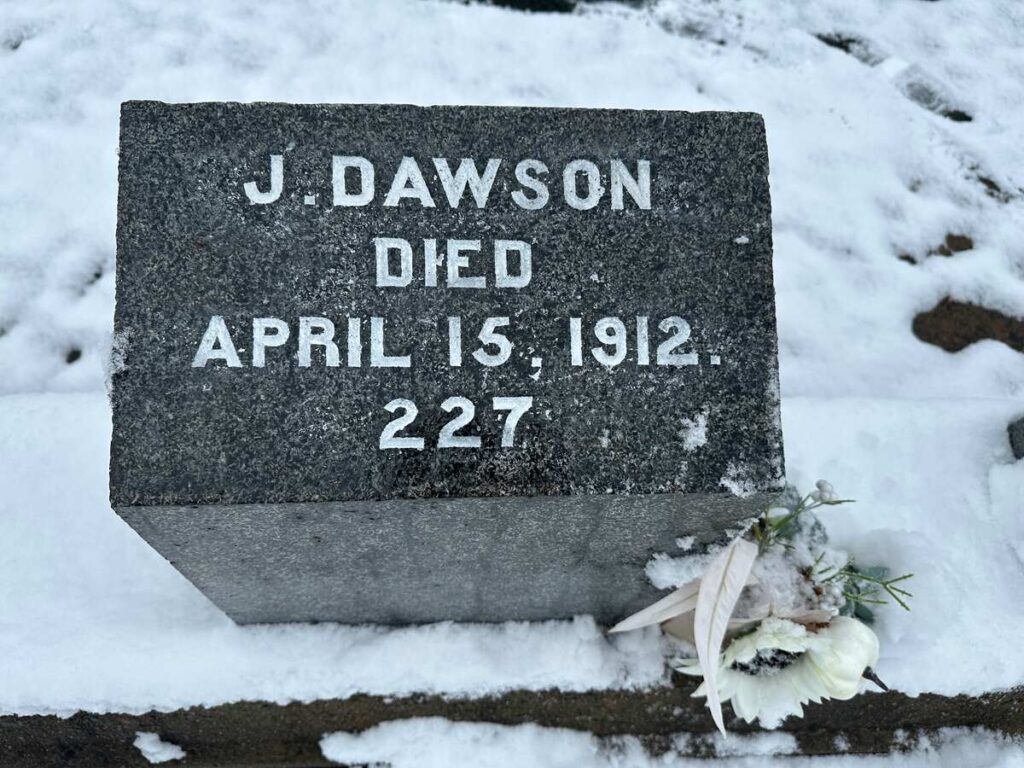
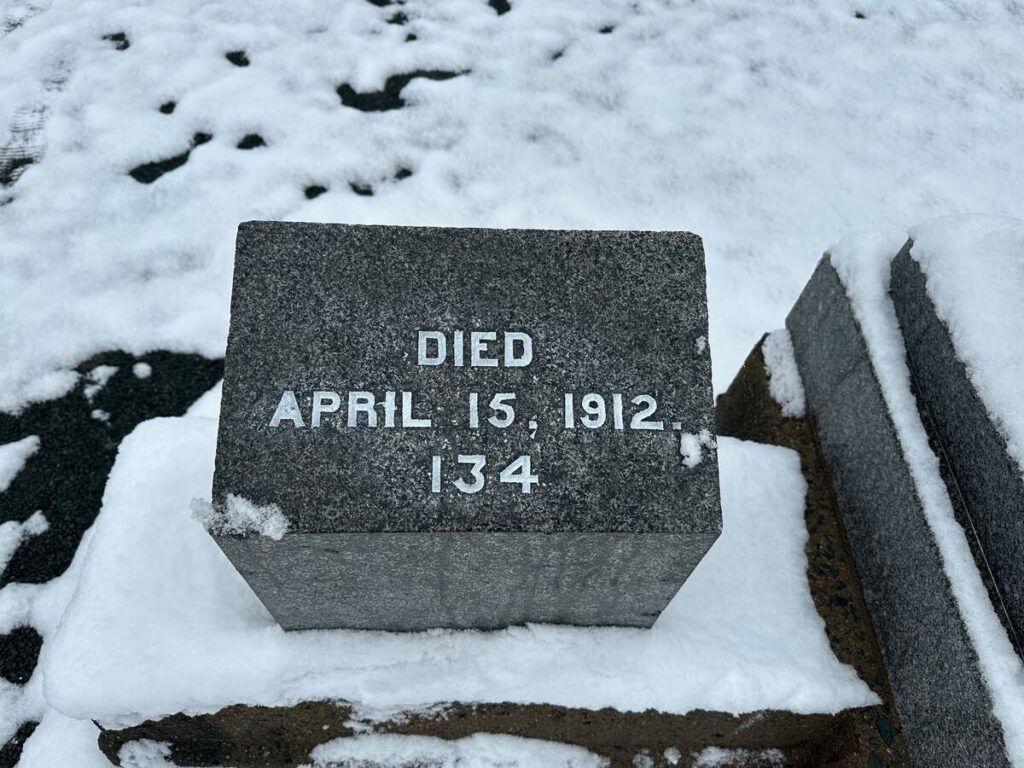
In all, 328 victims were recovered. Many were buried at sea, but 209 bodies were brought back to Halifax, the closest major port to the disaster. Here, families claimed loved ones where they could, officials worked to identify the dead, and those who remained unclaimed were laid to rest in the city’s cemeteries. For those who could not be identified, the tombstones bear numbers rather than names, with each number marking the order in which the body was found and recovered. Halifax did not witness the sinking itself, but it became the place where the tragedy was received, processed, and mourned.
Fairview Lawn Cemetery: Where the Story Comes Ashore
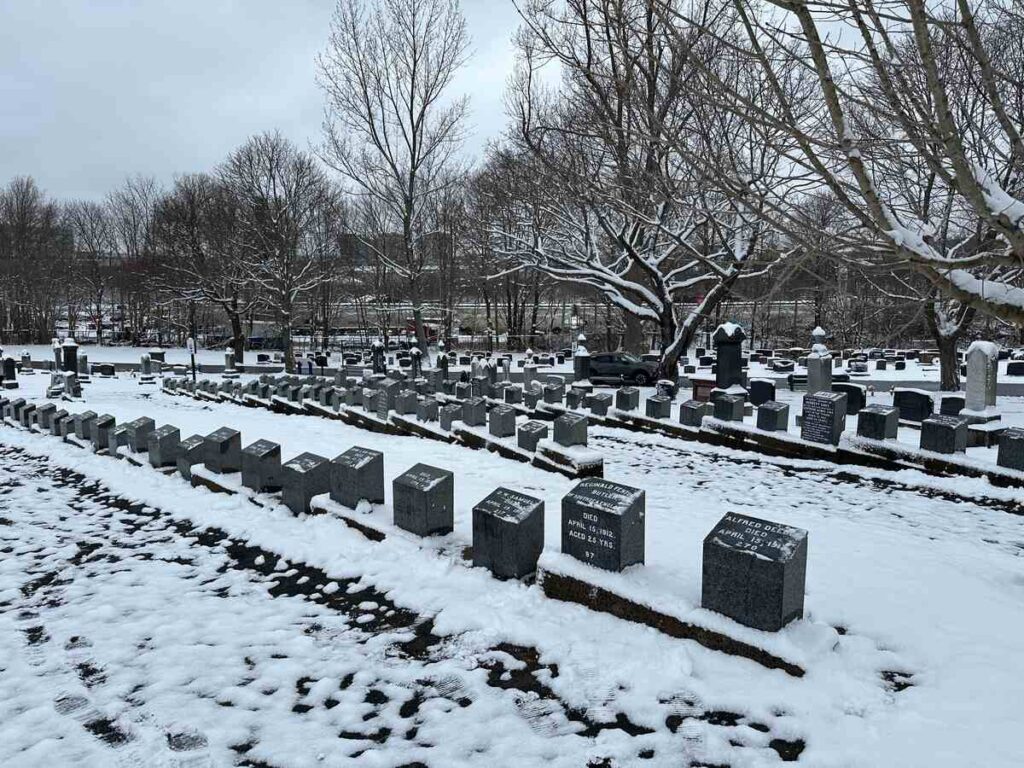
At Fairview Lawn Cemetery, the Titanic story stops being abstract. It becomes heartbreak set into the ground. This is where many of the victims brought back to Halifax were buried, their graves arranged along the hillside in a solemn curve that still draws visitors more than a century later. It is one thing to know Titanic as a historical event. It is another to stand among the markers and understand that Halifax became one of the places where the world came to mourn.
A Place Where History Comes Ashore
I was meant to visit the Maritime Museum of the Atlantic, but like many museums in shoulder season, it keeps reduced winter hours and was closed while I was in town. Even from outside, the building carries weight. The museum explores Halifax’s deep connection to the Titanic and its aftermath, but it also reaches far beyond that story, into the Days of Sail, the Age of Steam, World War convoys, CSS Acadia, and the Halifax Explosion. Visitors can carry that reflection beyond the museum as well, paying their respects at Fairview Lawn Cemetery, where Titanic victims are buried and where a memorial also marks the unidentified victims of the Halifax Harbour Explosion. Port cities have a way of collecting stories with every tide, and Halifax has gathered more than its share.
How Long to Spend Here
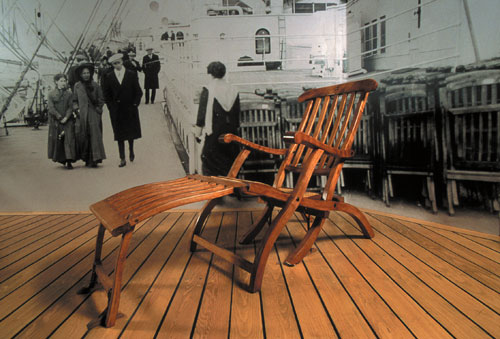
Give yourself two-and-a-half to three hours. That gives enough time to move beyond the emotional pull of Titanic and understand Nova Scotia’s broader relationship with the sea. Even a shorter visit of about 90 minutes would still allow you to take in the core Titanic gallery, sit in a reproduction of a rare Titanic deck chair, and view some of the more than 50 objects tied to the disaster, including artifacts recovered as flotsam and historic photographs. But the fuller experience comes from staying longer and letting the wider maritime story unfold around it.
The Takeaway
Travel has a way of handing us moments we never planned for. What was meant to be a museum visit became a day of remembrance instead. Even with the Maritime Museum of the Atlantic closed, Halifax’s connection to Titanic did not feel distant. It was there in the harbour, in the cemeteries, and in the memory of the people who went out to sea to retrieve the dead and bring them home. I found myself paying respect not only to those who lost their lives, but also to the city that helped bear the sorrow that followed. Sometimes a destination reveals itself not when you are out chasing it, but when you are still enough to receive what it is trying to tell you.
All photographs are by Helen Hatzis unless otherwise noted.
Every journey leaves a mark, and small choices can make a big difference. Choosing eco-friendly stays, supporting local communities, and being mindful of plastic use help preserve the beauty of the places we visit. Respecting wildlife, conserving resources, and travelling sustainably ensure future generations can experience the same wonders. By treading lightly and embracing responsible travel, we create meaningful connections and lasting memories. Here’s to adventures that inspire and footprints that honour our planet. Safe and mindful travels!