
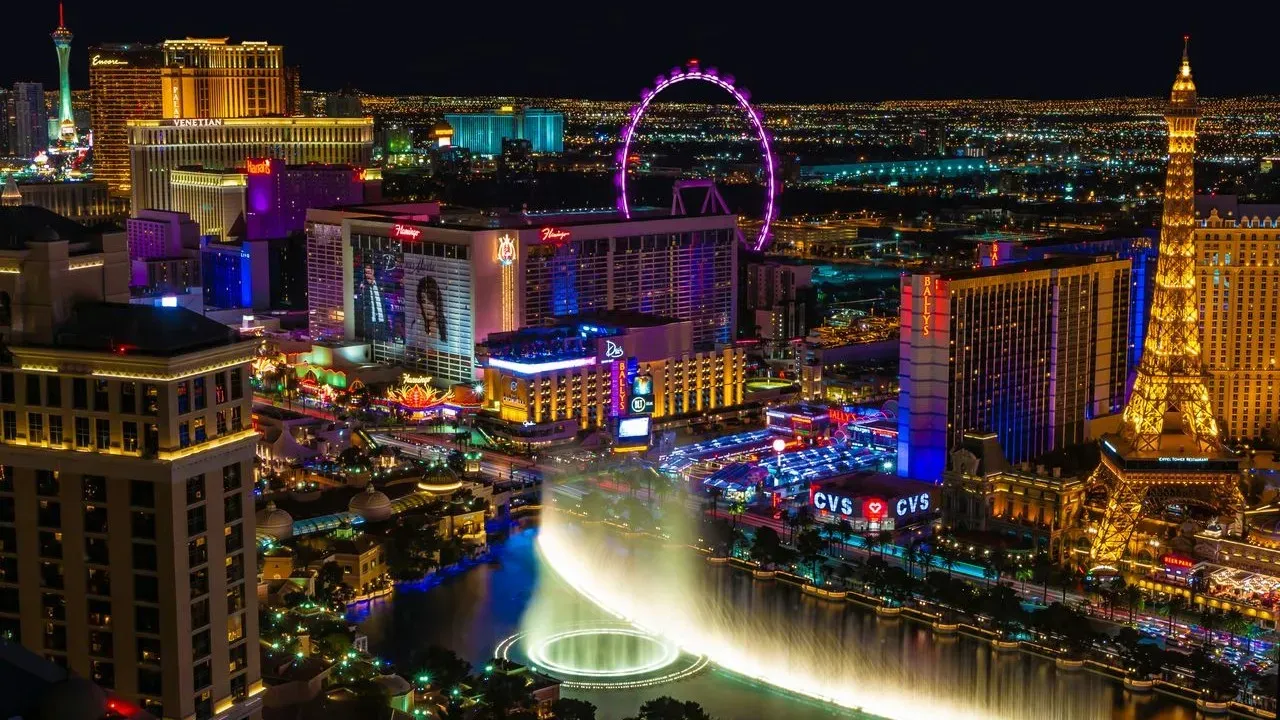

Las Vegas has long drawn travelers with its bright lights and energy, yet a recent shift in its approach to tourism places even greater emphasis on layered experiences that blend entertainment, dining, and attractions into something more cohesive and repeatable. The city now treats destinations themselves as immersive environments rather than simple stops on an itinerary. This evolution reflects a deliberate strategy to keep visitors engaged and returning, as detailed in a Newsweek report on the destination’s changing tourism model. ## A City Built on Reinvention Travelers often arrive expecting the familiar spectacle of neon and casinos, only to find that the real draw lies in how the city layers new attractions onto its existing landscape. Rather than discarding what came before, Las Vegas adds fresh elements that complement the old. This approach creates a sense of ongoing discovery, where each trip can feel distinct even for those who have visited many times before. The result is a destination that rewards curiosity and encourages repeat exploration without requiring travelers to start from scratch. The philosophy centers on meeting visitors where they are while gently expanding what a trip can offer. Entertainment venues, dining scenes, and large-scale attractions now work together to form connected experiences. Transportation improvements further ease movement between these elements, turning a single visit into a fluid sequence of moments rather than isolated events. ## The Power of Repeat Connection One striking aspect of this model is the high rate of return visitors, which underscores how effectively the city fosters loyalty. Many travelers come back because each stay reveals something new, whether a performance space, a culinary destination, or an architectural feature that alters the rhythm of the trip. This pattern transforms tourism from a one-time transaction into an ongoing relationship between the destination and its guests. Infrastructure plays a quiet but essential role in sustaining that relationship. Venues designed for major events and efficient transit options help visitors move seamlessly from one experience to the next. The emphasis remains on practicality and enjoyment, allowing people to focus on the moments that matter rather than the logistics of getting there. ## Immersive Attractions as the New Standard Large-scale projects illustrate how entertainment and spectacle now anchor broader itineraries. The Sphere, for instance, has quickly become a focal point that draws audiences and influences how other attractions are experienced. Similarly, stadium facilities and innovative transit systems expand the range of what feels possible during a stay. These additions do not replace the city’s core identity; they enrich it by offering new ways to engage with the environment. Dining and smaller-scale attractions receive the same thoughtful integration. The goal is to provide options that feel both accessible and memorable, whether guests are seeking a quiet meal with a view or a high-energy evening of performance. This balance supports a wide variety of travel styles while maintaining a consistent sense of immersion. ## Looking Ahead With Purpose Las Vegas demonstrates that successful destinations evolve by listening to what travelers seek next and responding with thoughtful additions. The city serves as a platform where private investment and public vision combine to create lasting appeal. For those planning a trip, this means opportunities to engage with a place that continues to grow in meaningful ways. Ultimately, the experience invites visitors to return not out of obligation but out of genuine interest in what has changed since the last visit. In this way, Las Vegas offers a model of tourism that values depth, continuity, and the quiet satisfaction of discovering something new within a familiar setting. ([1])
AI Disclaimer: This article was created with the assistance of AI tools and reviewed by a human editor.