

Most travelers assume the sea is equally priced year-round. It isn’t, not by a long stretch. The difference between booking a cruise at the right moment versus the wrong one can mean hundreds, sometimes thousands, of dollars saved on the exact same ship, sailing the exact same route.
Cruise pricing follows patterns that are surprisingly predictable once you know where to look. The industry runs on supply and demand, and when demand dips, the deals get real. Here is what the data actually shows.
Why Cruise Prices Move So Dramatically by Season
Cruise prices fluctuate based on the time of year you book, and during peak seasons like summer and holidays, prices tend to be higher due to increased demand. This isn’t a small nudge upward. You can end up paying 30 to 50 percent more than January rates for the exact same ship and the exact same itinerary.
Cruise fares increased by over 15 percent in 2023 compared to 2019, and they’ve only continued to rise since then. Still, within that rising baseline, seasonal variation remains a powerful lever for the informed traveler. Knowing when that lever tips in your favor is genuinely worth the research.
September: The Cheapest Month to Set Sail

September emerges as the cheapest sailing month, with fares running 30 to 45 percent lower due to hurricane season, and Caribbean cruises that hit peak pricing in July at an average of $1,186 bottom out in September at around $758 on average. That’s a meaningful drop on a per-person basis, especially for couples or families.
Cruising the Caribbean from September through early December delivers the lowest fares, though it’s worth keeping an eye on hurricane season. Travel insurance is a smart investment for this window, and it still leaves you well ahead financially compared to a July sailing. September offers the biggest savings, but consider travel insurance for hurricane season protection.
Wave Season: The Industry’s Best-Kept Promotional Window
The best cruise deals of the year are usually found between January and March, also known as wave season, when cruise lines offer special deals to entice travelers to try out new routes and ships. It’s a concentrated window of promotions, and the discounts can be genuinely striking.
During wave season, eye-popping discounts have included up to 40 percent off from Princess Cruises and almost 60 percent off from Celestyal Cruises, along with perks like included flights, suite upgrades, and onboard food and beverage credits. Prices typically drop 10 to 15 percent during wave season promotional windows, though specific lines often go further with bundled perks that add meaningful value beyond the base fare.
Alaska Shoulder Season: A Hidden Sweet Spot
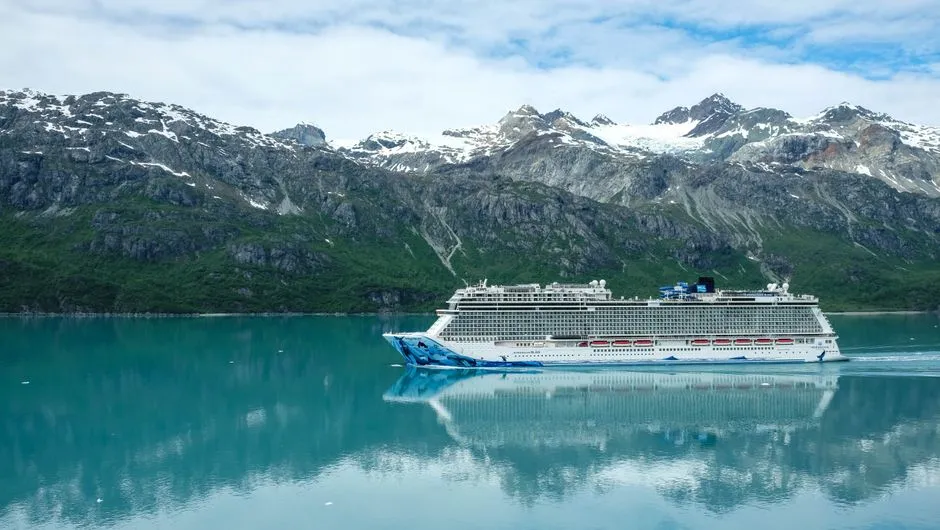
May and September are considered shoulder seasons for Alaska cruises, offering fewer crowds, lower prices, and unique seasonal experiences, from spring’s baby wildlife to fall foliage and even a chance to see the Northern Lights in late summer. The experience doesn’t suffer nearly as much as the price does.
Alaska shoulder-season sailings in May and September can save you 20 to 40 percent compared to peak summer. Alaska cruises become significantly more affordable during those shoulder months, making them one of the best affordable itineraries for scenic travel in 2026. For travelers without school-calendar constraints, this is one of the clearest and most reliable savings opportunities in the cruise world.
Mediterranean Shoulder Seasons: Warm Weather, Cooler Prices

The Mediterranean offers warm weather at shoulder-season prices during April through May and September through October. These windows sit just outside the summer rush when European school holidays drive demand sharply upward. The ports are also noticeably less crowded, which matters to many travelers as much as the price.
For the Mediterranean in 2026, the best pricing falls in April through May or September through October, while July and August represent peak pricing. Traveling just a few weeks earlier or later than the high season can translate into significant savings with very little trade-off in weather or experience.
The Early Booking Advantage: Lock In and Save
Booking cruises 10 to 12 months in advance is associated with the lowest fares, as prices typically rise 40 to 42 percent as departure approaches. This is one of the most consistent findings across multiple cruise lines, and it reflects how inventory-based pricing actually works.
Carnival ship analysis shows average cruise fares rose by approximately 41 percent in the 12 months leading up to departure, and Royal Caribbean data shows nearly identical results with fares jumping roughly 42 percent when comparing year-ahead versus last-minute booking. Planning ahead is a great way to score big savings, as cruise lines often run early saver deals for guests booking well in advance.
Repositioning Cruises: The Underrated Budget Gem
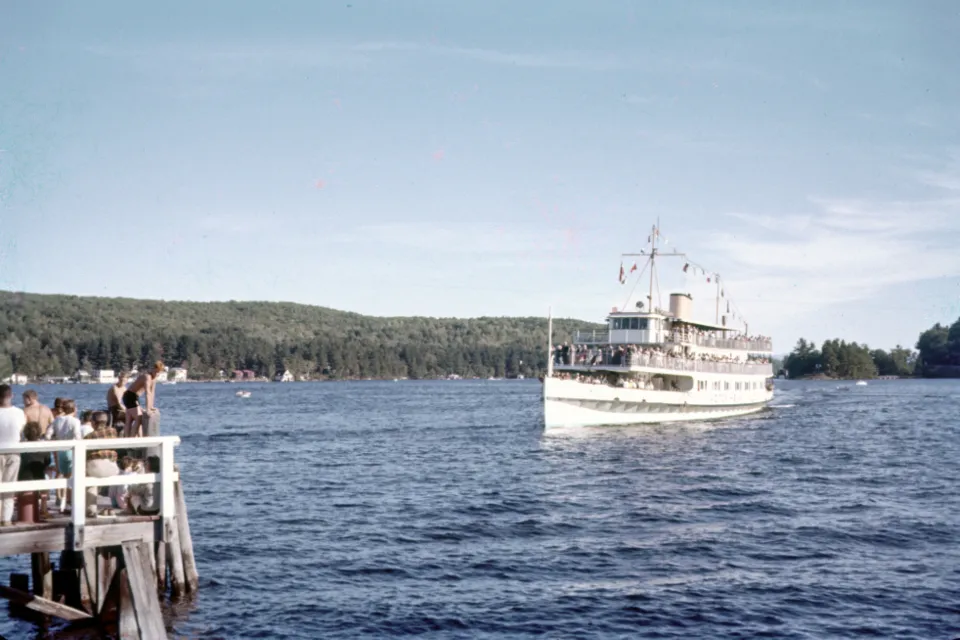
For deep discounts, look for repositioning sailings in the spring or fall, when ships move from the Caribbean to Europe or vice versa. These trips offer long, relaxing stretches at sea for a fraction of the usual daily rate. They tend to appeal to travelers who enjoy sea days and don’t need port-intensive itineraries.
Repositioning sailings often carry genuinely dramatic per-night pricing because cruise lines simply need to move the ship between seasons. Sailing when the school year is in full swing, like in September or January, usually leads to lower fares and a more relaxed, adult-oriented vibe on the ship. For slower-paced travelers, it’s hard to beat this combination of value and atmosphere.
When Last-Minute Deals Still Exist (and When They Don’t)
The days of scoring incredible last-minute cruise deals are largely behind us. With cruise ships now sailing at or near 100 percent capacity, the industry has fundamentally shifted to reward early planners rather than spontaneous travelers. Waiting to grab a cheap cabin at the last minute is no longer a reliable strategy in the current market.
Last-minute deals can be enticing if you’re flexible and willing to travel on short notice, but these offers are not guaranteed and might limit your cabin choices. The better play in 2026 is to combine early booking with off-peak timing, rather than to rely on desperation discounts that rarely materialize the way they once did.
Stacking Promotions: Wave Season Plus Off-Peak Sailing
The real savings come when two strategies overlap. Booking during wave season for a September or October sailing, for example, stacks a promotional discount on top of an already lower base fare. Booking during wave season from January through March tends to deliver the steepest promotions across every cruise line.
Booking six to 12 months ahead or around the six-month mark, with early spring and late fall often delivering 30 percent lower prices than summer peaks, is a well-supported pattern across the industry. Combining cabin type choices with onboard credit promotions, such as an interior cabin paired with drink credits, and using fare-tracking tools to lock the best rate rounds out a genuinely effective approach to minimizing total trip cost.
Practical Tips for Finding Off-Peak Fares in 2026

Targeting low-fare windows like April through May for Bahamas sailings, September through October for Caribbean and Mediterranean routes, and May through June for Alaska, while choosing budget-friendly departure ports like Port Canaveral or Fort Lauderdale where interior cabins can start at $29 to $60 per night, gives you a concrete starting point.
Watching for line-specific sales like Carnival’s Pack and Go promotions offering up to 55 percent off plus onboard credit, or Royal Caribbean’s base fares and spend promotions, or MSC flash sales, rounds out the picture. Sailing during the off-season is more affordable than during peak months like June, July, and August, and avoiding holidays such as Labor Day, Thanksgiving, and Christmas keeps you firmly in the cheaper pricing tier.
The Takeaway
Cutting your cruise fare in half isn’t a myth or a lucky accident. It follows from understanding how cruise pricing actually works and making deliberate choices around when you sail and when you book. The data from 2024 through 2026 is consistent: off-peak timing, combined with early booking and a bit of flexibility, is the most reliable path to meaningful savings.
The ocean goes nowhere. The ship departs whether it’s July or September, whether cabins are full at peak price or discounted to fill the last few rows. The only real difference is what you paid for your spot on it.
AI Disclaimer: This article was created with the assistance of AI tools and reviewed by a human editor.