
There’s a particular kind of weariness that doesn’t come from the journey itself. It settles in a day later, or two, in an unfamiliar bed at 3 a.m. when the ceiling of a beautiful hotel room feels profoundly wrong. Jet lag is a common but short-lived sleep problem you can get after traveling across more than three time zones, and it can make you feel out of sorts due to an abrupt change in your body’s internal clock, known as the circadian rhythm.
What separates frequent long-haul travelers from first-timers isn’t immunity to jet lag. It’s strategy. Most of the heavy lifting happens in the days before departure, not after landing. These are the methods that actually hold up to scrutiny.
Understanding What’s Actually Happening in Your Body
Jet lag is a circadian rhythm disorder that causes your body’s internal clock to become out of sync when you travel long distances. Your circadian rhythm is a 24-hour cycle that regulates sleep and alertness, normally promoting sleep at night when it is dark and wakefulness during daylight hours. It also controls biological processes such as mood, metabolism, hormones, and immune function.
Research from Harvard Medical School shows that the circadian system typically adapts by about one to one and a half hours per day, which explains why full recovery can take several days after long-haul flights. That’s not a personal weakness. It’s biology operating exactly as designed, just in the wrong time zone.
Know That Eastward Travel Hits Harder
Medical experts generally agree that flying eastward may cause more severe jet lag symptoms than flying toward the west. Researchers say that’s because your body can adapt more quickly to staying up late than going to bed earlier than usual.
Symptoms vary by person and are influenced by travel direction, the number of time zones crossed, age, and existing sleep health. So if you’re heading from North America to Europe or Asia, give yourself a bit more lead time in your preparation. The direction of your flight should shape the direction of every adjustment you make.
Shift Your Sleep Schedule Days Before You Leave
Gradually shifting your sleep schedule in the days before departure can help your circadian rhythm begin adapting before you even board the plane, reducing the mismatch between your body clock and your destination’s time zone. It doesn’t require dramatic changes, just a gentle, consistent nudge over several days.
For eastbound trips of five or more time zones, shift bedtime earlier by thirty to sixty minutes per night, three to five days before departure, with morning light at home. Poor sleep in the days leading up to a flight can increase a person’s propensity for jet lag after traveling, so protecting your rest in the week before departure matters as much as the schedule shift itself.
Use Light as Your Most Powerful Tool
While many strategies exist to combat jet lag, from adjusting meal times to taking melatonin to tweaking sleep schedules, exposure to light is one of the most powerful natural remedies. This isn’t just conventional wisdom. It’s backed by circadian physiology research from institutions including Stanford University.
Adjusting natural light exposure based on the direction of travel, seeking more light in the morning and less in the evening if you’re traveling eastward, and more light in the evening and less in the morning if you’re traveling westward, can aid in faster synchronization. Light exposure and melatonin intake at the wrong time of the day can further desynchronize your circadian rhythm and actually exacerbate jet lag, so the timing matters just as much as the exposure itself.
Get Serious About Sleep Quality Before Departure

Being stressed out can keep the mind and body on edge in ways that interfere with sleep and make it harder to cope with the sleep disruption associated with jet lag. This is why seasoned travelers treat the pre-departure week as a kind of quiet training period. They wind down deliberately rather than scrambling to pack until midnight.
Dimming the lights and avoiding screens a couple of hours before your usual bedtime signals to your brain that it’s time to wind down. Combined with a consistent wake time, this pre-travel sleep hygiene routine creates a more stable internal clock to work with once you cross time zones.
Use Melatonin Strategically, Not Just Reflexively

Some studies suggest that melatonin supplements are effective for treating circadian rhythm sleep disorders like jet lag. The key word is strategically. Timing and dosage both matter considerably, and getting either wrong can push your clock in the wrong direction.
Experts recommend taking between 0.5 and 10 milligrams of melatonin for jet lag, and suggest starting with a lower dose of around 0.5 to 1 milligram, taken 30 to 60 minutes before bedtime. Thirty minutes before your target destination bedtime, on local destination clock time, starting the night of arrival, and continuing for three to five nights, is the general guidance. Avoid dosing during destination daytime, and don’t take it on the plane, as it can push the clock the wrong way.
Hydrate Intentionally, and Rethink the Inflight Drink
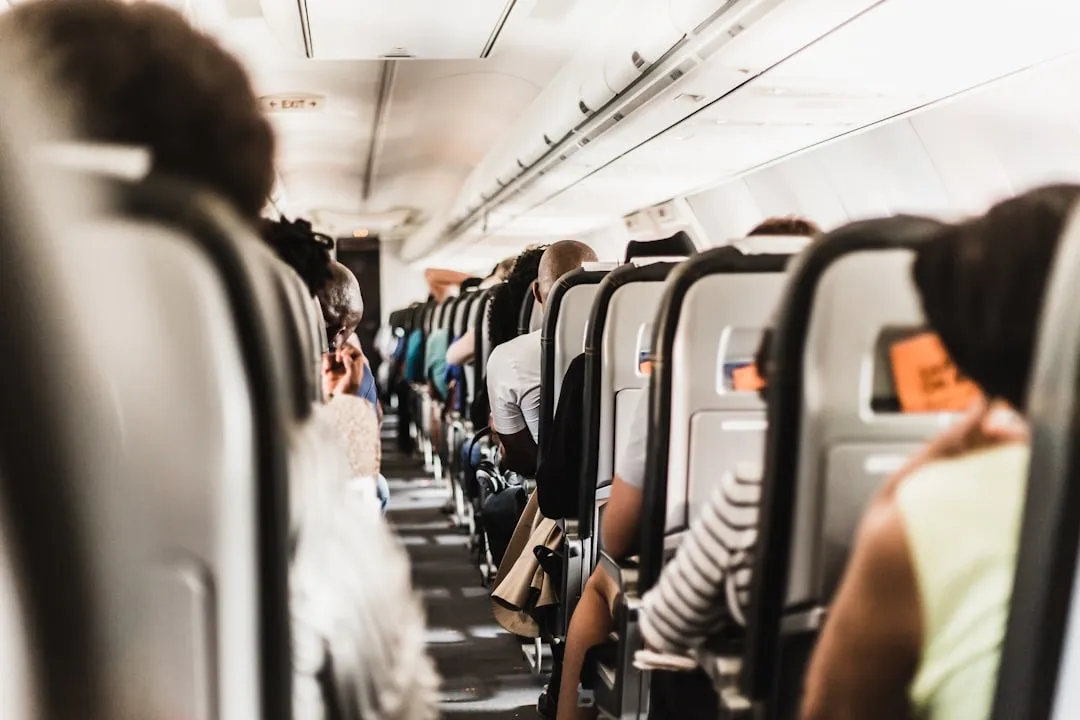
Lack of oxygen and decreased air pressure in the airplane cabin, combined with warm cabin temperature and low humidity, can cause dehydration. Cabin air is notably dry, and most travelers underestimate how much fluid they lose on a long flight without feeling obviously thirsty.
Alcohol and caffeine can both cause dehydration, which can further exacerbate jet lag. Alcohol also reduces sleep quality and can interact with melatonin. Regular water intake throughout the flight, more than you think you need, is one of the simplest and most overlooked preparations a traveler can make.
Time Your Meals to Match Your Destination
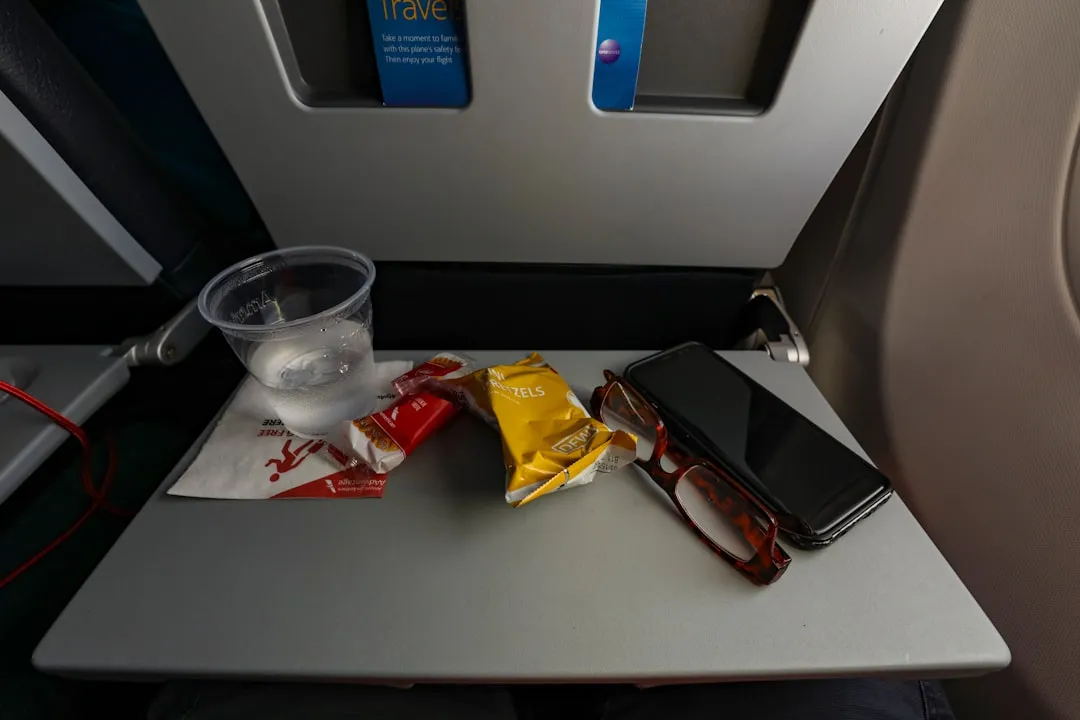
During a flight, adjusting to destination time immediately by changing your watch and timing meals and sleep accordingly helps anchor the transition. Your digestive system is more closely tied to your circadian rhythm than most people realize, and eating at the “right” local time sends a powerful cue to your body.
Staying hydrated because volume depletion can worsen physical symptoms of jet lag, and avoiding excess alcohol, are both part of the broader strategy that the CDC’s 2026 Yellow Book outlines for jet lag management before and during travel. Even beginning to shift your meal timing by an hour or two before departure can ease the adjustment on arrival.
Consider Jet Lag Apps Built on Real Science
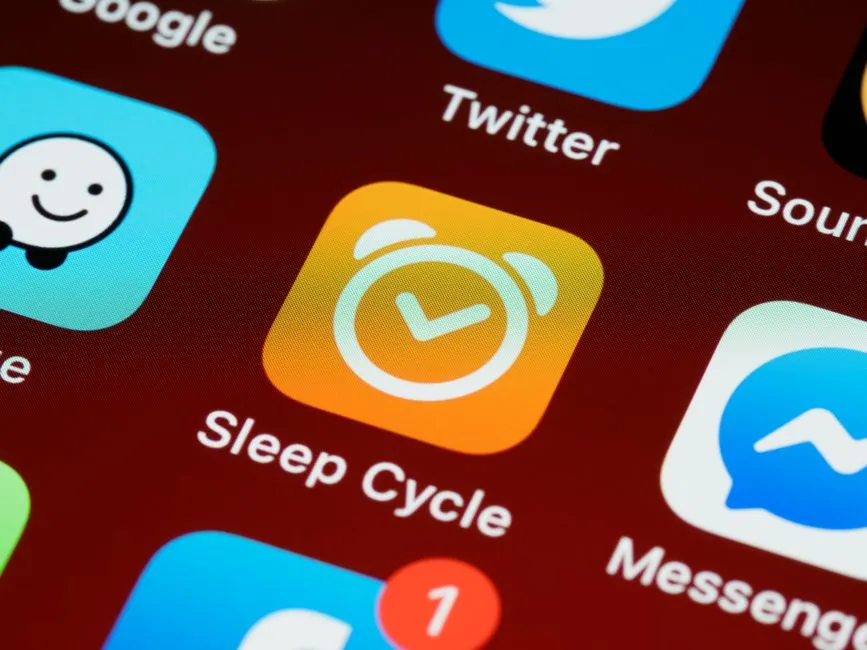
Jet lag apps from 2024 to 2025, including Timeshifter, which offers personalized plans based on chronotype and itinerary, and StopJetLag, which provides comprehensive lifestyle recommendations, now integrate with wearables for real-time adjustment. These aren’t gimmicks. Timeshifter, for instance, was developed with circadian scientist Steven Lockley and generates a personalized schedule covering light exposure, melatonin, and caffeine timing based on your specific itinerary.
The jet lag treatment market has grown significantly, with market value exceeding $1.86 billion in 2025, and the industry is shifting toward personalized, preventive approaches with integration into travel planning platforms and increased focus on non-pharmaceutical interventions. The best of these tools give travelers a day-by-day plan they can follow starting well before the flight departs.
Understand Who Is Most Vulnerable
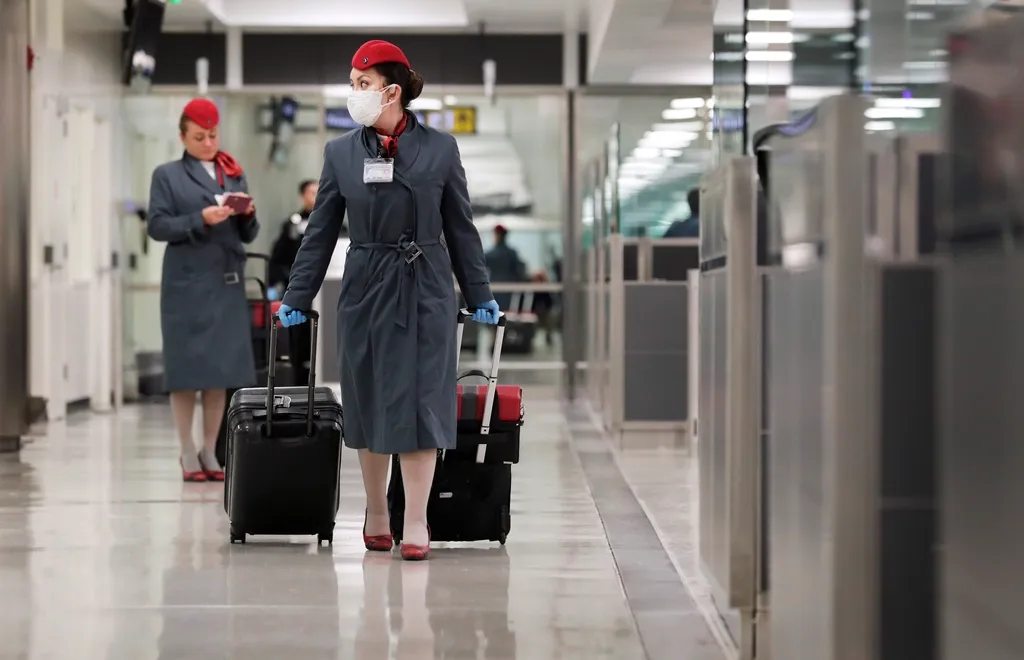
One recent survey reported that 68% of international business travelers experienced negative jet lag symptoms on a regular basis. Frequent flyers are not somehow more resistant because of experience alone. Frequent flyers, including pilots, flight attendants, and business travelers, face unique challenges as chronic jet lag is linked to increased health risks.
Some studies have shown that people over the age of 60 experience circadian rhythm changes more frequently, making proactive preparation even more worthwhile for older travelers. People who are already suffering from sleep deprivation or insomnia have been shown to be more likely to experience jet lag, and at a higher degree of intensity. Knowing your own risk profile means you can calibrate how many days of pre-departure preparation to invest.
The Takeaway
Jet lag isn’t something that happens to you entirely beyond your control. The science is clear and increasingly detailed: the circadian clock responds to light, timing, sleep habits, and what you eat and drink. Most of those variables can be managed before you ever step onto the plane.
The travelers who arrive functional, curious, and genuinely present at their destinations aren’t just lucky. They started adjusting at home, several days earlier, with purpose. That preparation is quiet and unglamorous, but it’s the part of the journey that makes everything after it worth the effort.
AI Disclaimer: This article was created with the assistance of AI tools and reviewed by a human editor.