


Costa Rica has a reputation for being one of Central America’s pricier destinations. Compared to neighbors like Nicaragua or Guatemala, prices here lean noticeably higher, and many first-time visitors come home genuinely surprised by the bills. So when a family of four manages to pull off an entire trip for under $2,500, it’s worth looking at exactly how they did it.
The short answer is: intentional planning, a flexible calendar, and a willingness to travel the way locals do. None of it requires sacrifice. It just requires knowing where the real costs hide.
They Booked Flights During the Off-Peak Window

Airfare is almost always the first budget lever a family can pull. According to Dollar Flight Club’s 2026 forecast, average round-trip fares from the U.S. to Costa Rica run about $239 per person. That figure isn’t guaranteed, but it’s a realistic target for anyone booking with enough lead time.
To hit those lower fares, the key move is booking two to six months in advance. Midweek departures on Tuesdays, Wednesdays, or Thursdays can reduce costs by up to 20 percent compared to weekends. For a family of four, that midweek gap alone could save well over $100.
September is the least busy time to visit, with the lowest average one-way fare around $228, roughly 20 percent cheaper than the yearly average. A family traveling in September or October is essentially paying a discount just for avoiding the peak crowd. Flights from Orlando and Miami tend to be the most competitively priced, with multiple carriers competing on those routes.
They Flew Into the Right Airport

The Dollar Flight Club report ranked both San José and Liberia among the least expensive international spots to reach in 2026, placing San José at number 11 with an average round-trip fare of about $239 from major U.S. cities. Liberia followed at number 12 at the same average price.
Most direct flights from the U.S. to Costa Rica originate in Miami, Atlanta, Houston, Los Angeles, or Denver. Choosing which airport to fly into matters, too. Families heading to beach destinations on the Guanacaste coast often find Liberia more convenient and similarly priced, cutting hours off their ground travel time.
Airlines such as JetBlue and United frequently offer these routes, with direct flights available from hubs like Miami, New York, and Houston. Checking multiple carriers and using Google Flights’ price tracking tool before committing to a date is one of the simplest ways to lock in a better deal.
They Traveled During Low Season
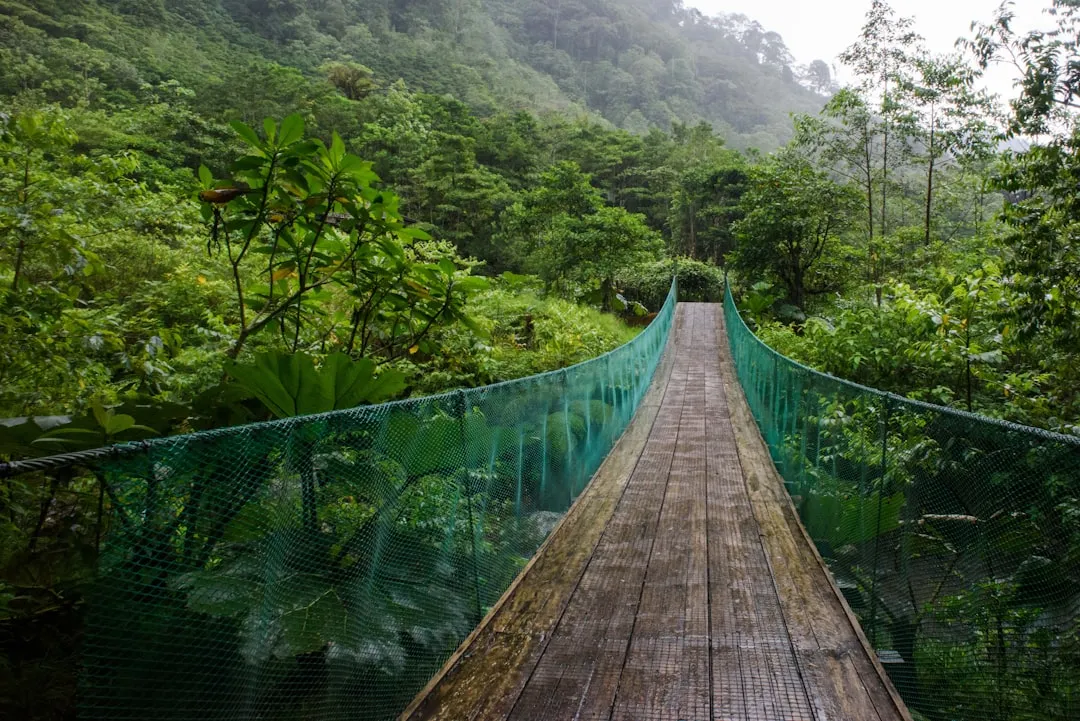
Most places in Costa Rica see the biggest crowds during the winter season, when hotels fill up and accommodation prices become more expensive. Visiting during the shoulder and low seasons keeps the budget noticeably lower.
Low season runs roughly from May through November. It’s rainiest from May through November, so peak travel season is November through April. That said, rain in Costa Rica is usually predictable, arriving in short afternoon bursts rather than all-day downpours. Mornings stay clear more often than not, especially on the Pacific coast.
You can expect to spend about five to ten percent less in low season compared to high season. For a family working with a tight budget, that discount across accommodation, tours, and even some restaurants adds up meaningfully over a week-long trip.
They Rented a Vacation Home Instead of Hotel Rooms

Places like Tamarindo are perfect for week-long getaways, and many families, especially those with kids, prefer to book an apartment or vacation rental. The financial logic here is straightforward: a short-term rental with a kitchen costs far less per night than two hotel rooms when there are four people to sleep.
Many accommodations in Costa Rica have family rooms which cost between 25 to 50 percent more than standard rooms but give you more space and sometimes separate bedrooms or bunk beds. A vacation rental, by contrast, often comes in at a flat nightly rate that stays competitive even with four guests.
Cooking at home regularly is one of the best ways to stretch your budget in Costa Rica, especially in tourist towns where restaurant prices can spike during high season. Families who rent a place with a kitchen and cook even half their meals at home can shave hundreds off the food budget without missing much.
They Ate Like Locals at Sodas

Budget travelers who sample local food mainly at street food stalls and sodas, which are family-run restaurants serving tasty traditional food at low prices, can feast on authentic plates for just $2 to $3 per person for lunch. That’s a meal for four people that comes in under $15.
Local sodas serve traditional Costa Rican dishes like casado, rice and beans, and grilled chicken usually for about $5 to $10 per person. A casado typically includes rice, beans, a protein, fried plantains, and a small salad. It’s the kind of filling, well-rounded plate that keeps kids satisfied without any drama.
Eating like a Tico means having a small breakfast, a large midday meal, a coffee break in the afternoon, and a light dinner. Families who front-load their biggest meal at lunch can spend significantly less at dinner, opting for lighter snacks or simple home-cooked meals at the rental.
They Used Public Buses for Getting Around

Costa Rica’s public buses are incredibly budget-friendly for families or long-term travellers, with city bus fares typically running just $0.60 to $1.00 per ride. Long-distance routes are equally reasonable. A bus from San José to Tamarindo, for example, runs $8 to $12 depending on the operator and route.
Local buses cost anywhere from $1 to $10 per ride, though they aren’t always the most timely or convenient. For a family with young children who need flexibility, combining buses for the longer routes with occasional Uber rides for short city trips keeps costs manageable without complete dependence on expensive private transport.
Uber is available in San José and surrounding areas, often cheaper than taxis. Avoiding rental cars entirely also removes the mandatory insurance cost, which can add $15 to $25 per day on top of rental quotes. Over a week, that insurance alone would eat nearly $200 of a tight family budget.
They Chose National Parks Wisely
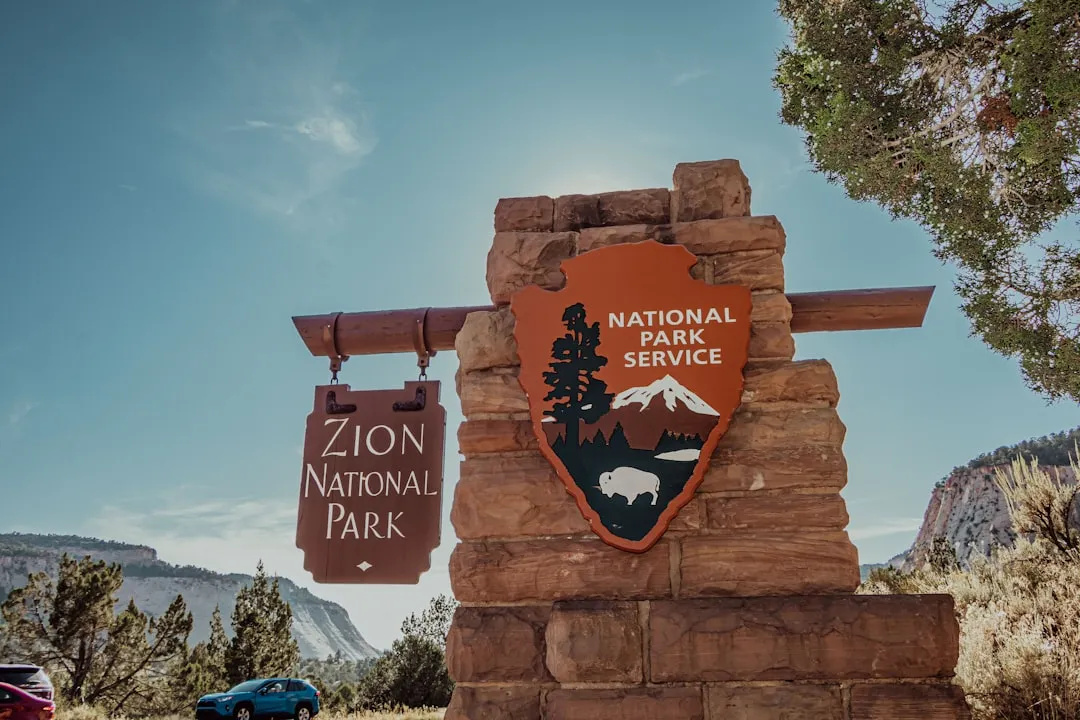
Most park entrance fees for national parks and reserves range from $12 to $16 per person. For a family of four visiting two or three parks, those fees accumulate quickly. Being selective about which parks to visit is a real cost decision, not just a logistics one.
Entrance to Manuel Antonio National Park is currently $18.08 for non-Costa Rican adults and $5.65 for kids aged 5 to 11, with under-2s free. A family of two adults and two young children visiting Manuel Antonio pays roughly $47 total, which is quite reasonable for one of the most biodiverse spots in the country.
Some less demanding tours like nature cruises, coffee tours, or wildlife watching walks may have discounts of 25 percent or more for children ten and under. National parks and wildlife refuges typically offer discounts of about 50 percent for children and 25 percent for students with school IDs. Knowing which parks offer child pricing before planning the itinerary matters.
They Skipped the Priciest Activities

All Costa Rican coastline is public property, and there are dozens of places where visitors can walk for kilometers along the beach without paying a cent. For families, beach days are genuinely free entertainment, and Costa Rica’s Pacific coast is full of beautiful, accessible stretches of sand that don’t require an entrance ticket or a guide.
Scheduling in a lot of time at the beach, where sand, sun, and water will keep everybody happy and busy, is one of the most cost-effective ways to fill a family itinerary. Wildlife watching from the beach, tide pooling, and snorkeling with rented gear cost a fraction of what organized tours charge for the same general experience.
A canopy zip-line tour runs about $70 per person, and surfboard rental is around $15. Choosing one or two signature experiences and filling the rest of the trip with free or low-cost activities is how families stay on budget without feeling like they missed out.
They Understood the Real Per-Person Math

When traveling as a family of three or four, the price per person often goes down because children’s tickets are cheaper and hotel rooms can be shared. This is a real structural advantage that families have over solo travelers or couples, even if it doesn’t always feel that way during trip planning.
According to Budget Your Trip, the average daily cost of a Costa Rican vacation is $71 per person, which amounts to $499 per person for a one-week vacation, or roughly $1,996 for a family of four. That baseline assumes shared accommodation and budget eating habits, but it confirms the math is achievable.
As a rule of thumb, budget about half to two-thirds the cost per adult for each child ten and under. Two adults and two young children traveling together can realistically keep the total ground cost for a week well below $1,500, leaving room in a $2,500 total budget to cover affordable round-trip flights for all four.
They Had a Plan Before Landing
In popular destinations like La Fortuna, Jaco, and Tamarindo, making reservations well in advance, ideally several months ahead, helps avoid peak pricing and sold-out availability. Last-minute booking in Costa Rica, especially during shoulder season when accommodation is already leaner, often forces families into pricier options by default.
A great way to keep costs low is to choose accommodations that include breakfast. Most hotels go all out on these breakfasts and include freshly prepared rice and beans, scrambled eggs, tortillas, bread, various fruits, juices, and coffee. Starting the day with a full meal that’s already paid for removes one meal’s worth of spending before 9 a.m.
The families who travel Costa Rica cheaply aren’t cutting corners on experience. They’re just solving the puzzle differently, flying on the right days, eating where the locals eat, and letting the country’s natural beauty do most of the heavy lifting. Costa Rica’s rainforests, beaches, and wildlife don’t charge by the hour. Planning around that fact is the real budget strategy.
AI Disclaimer: This article was created with the assistance of AI tools and reviewed by a human editor.