
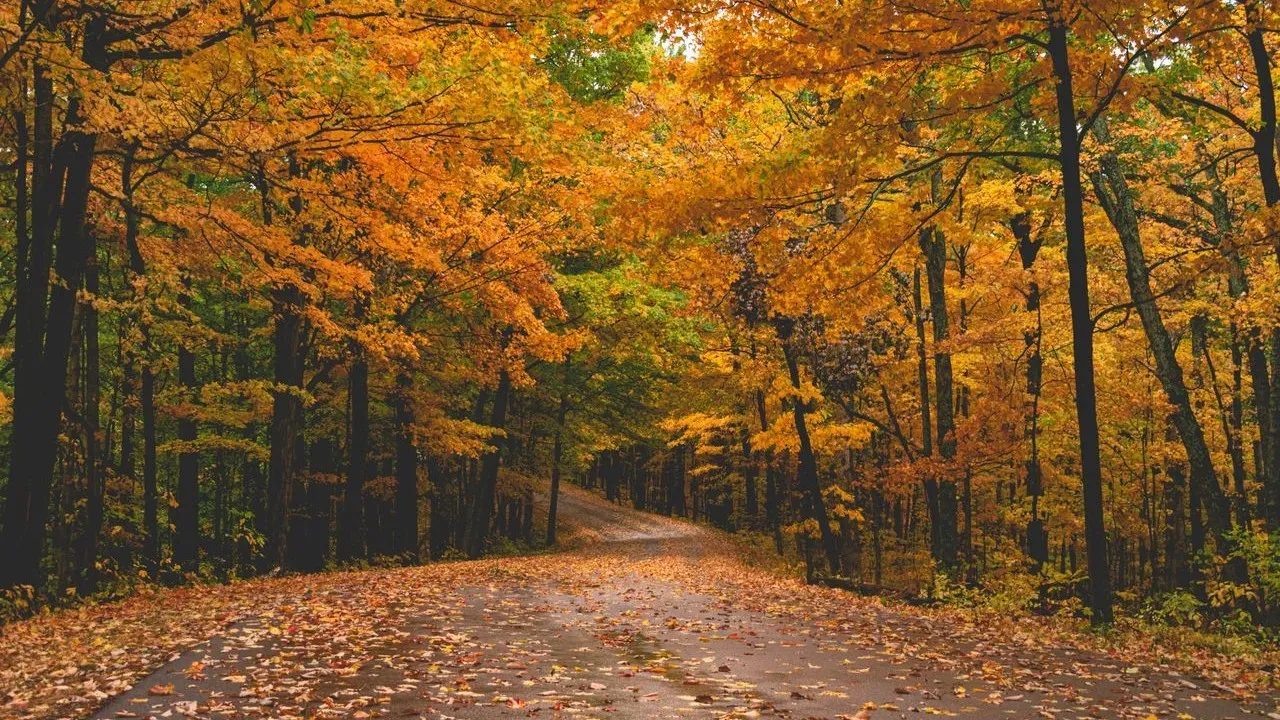

New England’s autumn color arrives like a quiet tide, beginning at the northern edges and moving steadily southward as cooler nights settle in. Travelers who time their journeys with this natural progression often find the most rewarding displays, whether they start in the high peaks or linger in the rolling hills farther south. Understanding the typical timing helps turn a simple drive into a purposeful seasonal experience.
Reading the Seasonal Shift
The color wave generally begins in late September across the northern reaches of Maine, Vermont, and New Hampshire. From there it travels south and to lower elevations through October, with the Mid-Atlantic states often holding their peak into early November. Weather can nudge these windows by a week or more in either direction, which is why many experienced travelers consult regional foliage reports in the days leading up to a trip. This north-to-south movement creates natural opportunities for extended journeys. A traveler might begin in the mountains of northern New England and continue southward over several days, watching the display intensify rather than fade. The approach rewards patience and flexibility more than rigid itineraries.
Northern Routes That Signal the Start
In New Hampshire, the Kancamagus Highway offers a compact introduction to the season. The 34.5-mile stretch through White Mountain National Forest contains no commercial development, allowing the surrounding forest to dominate the view. Pull-offs such as Rocky Gorge and Sabbaday Falls provide short walks that place visitors among the turning maples and birches. Vermont’s Route 100 runs roughly 111 miles from Manchester northward to Stowe. The road threads past farmland and small villages, with notable stops including Moss Glen Falls and the covered bridge near Warren. Color tends to arrive earlier in the northern sections of this route, giving drivers a sense of the wave building as they travel. Maine’s Park Loop Road in Acadia National Park combines mountain and ocean views on a 27-mile circuit. The drive passes Sand Beach and climbs toward Cadillac Mountain, where the Atlantic serves as a dramatic backdrop to the foliage. A vehicle pass is required, and timed reservations apply for the summit road during peak weeks.
Mid-Season Highlights Across the Heart of the Region
Massachusetts’ Mohawk Trail follows Route 2 through the Berkshires and ends at a well-known hairpin turn with sweeping valley views. The route passes the Bridge of Flowers in Shelburne Falls and Poet’s Seat Tower, both offering places to pause and take in the layered colors. Early-to-mid October often brings the strongest display here. New York’s High Peaks Scenic Byway along Route 73 cuts through the Adirondacks’ tallest terrain. Chapel Pond and the Cascade Mountain trailhead provide easy access to short walks amid peaks exceeding 4,000 feet. The drive concludes in Lake Placid, where connections to nearby summits remain possible until mid-October. Pennsylvania’s stretch of Route 6 leads to Pine Creek Gorge, a 1,450-foot-deep feature sometimes called the state’s Grand Canyon. Overlooks at Leonard Harrison and Colton Point State Parks frame the gorge against surrounding hills. The surrounding Wellsboro area offers a quiet base for exploring the rim trails.
Southern Extensions and Practical Planning
Connecticut’s Litchfield Hills along Route 7 showcase classic New England scenery of stone walls and village greens. Kent Falls State Park sits directly on the route and provides an easy waterfall walk. Mid-to-late October frequently marks the strongest color in this corner of the state. Rhode Island’s Route 102 runs about 44 miles through the rural interior from Wickford to Slatersville. The Scituate Reservoir offers reflections of the surrounding hills, while nearby wildlife refuges provide quiet trails. New Jersey’s Skylands Drive connects High Point State Park, the state’s highest elevation, with the Delaware Water Gap, where Old Mine Road threads through forested ridges. Travelers benefit from filling fuel tanks before entering longer undeveloped stretches and checking road conditions in advance. Weekday mornings consistently offer lighter traffic than weekends during peak weeks. Most routes remain free to drive, though Acadia requires a vehicle pass and separate reservations for the summit road.
The pleasure of these drives lies less in reaching a single perfect moment and more in following the gradual transformation of the landscape. Each stretch offers its own character, from mountain passes to river gorges, inviting travelers to return in different years as the season unfolds anew.
AI Disclaimer: This article was created with the assistance of AI tools and reviewed by a human editor.