

Most people assume a Caribbean cruise is reserved for a specific kind of budget. The kind with wiggle room. But fall has quietly become one of the most accessible windows to sail, and the math, when you lay it out carefully, is genuinely surprising.
Combining a discounted cruise fare with a well-timed flight is the move. Done right, the total stays under $700 per person. Here’s how it actually works.
Why Fall Is the Magic Window for Cheap Caribbean Cruises
The pricing logic behind fall Caribbean cruises is straightforward. September is considered the peak of Caribbean hurricane season and usually carries the highest storm risk along with some of the lowest cruise fares. That risk perception drives most vacationers away, which pushes prices down sharply for those willing to show up.
The value proposition during September and October is compelling: cruise fares often drop well below winter rates, and ships sail at lower capacity, providing more space and enhanced service. November often provides strong cruise value as weather stabilizes and hurricane season begins winding down.
What Cruise Fares Actually Look Like Right Now
Cheap 3 to 5 day cruises to the Caribbean can be found listed from $149 per person on platforms like Tripadvisor, though those prices are cruise only, per person, double occupancy, and do not include taxes, fees, and port expenses. That leaves meaningful room in a $700 budget for flights and incidentals.
It’s generally easier to find cheaper options when you have flexible dates and can book in advance, and if you’re flexible with the length of your cruise, you can find 3-day or 7-day cruise deals. Short sailings departing from Florida ports consistently offer the lowest entry points in the Caribbean cruise market.
The Best Cruise Lines for Budget Fall Sailings
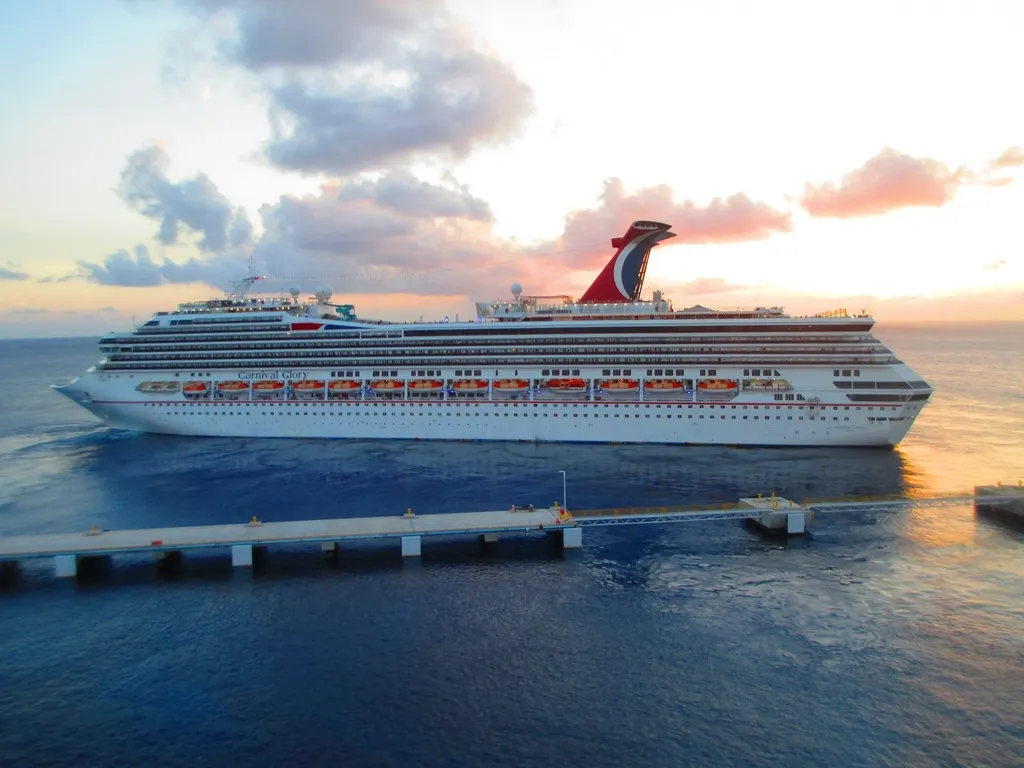
The Caribbean is arguably the most popular cruise destination, and nearly every cruise line has itineraries across the Eastern, Western, or Southern Caribbean. Lines that go to the Caribbean include MSC Cruises, Norwegian, Holland America, Royal Caribbean, Celebrity, Viking Ocean, Princess, and Windstar. For budget travelers, Carnival and MSC typically have the most competitive base fares.
For a limited time, great low rates are available on select Carnival Cruise sailings through Fall 2026. Carnival also runs deals like balcony cabins offered at ocean-view rates on select sailings, which gives budget travelers a meaningful upgrade without paying extra.
How to Find the Cheapest Flights to a Cruise Port
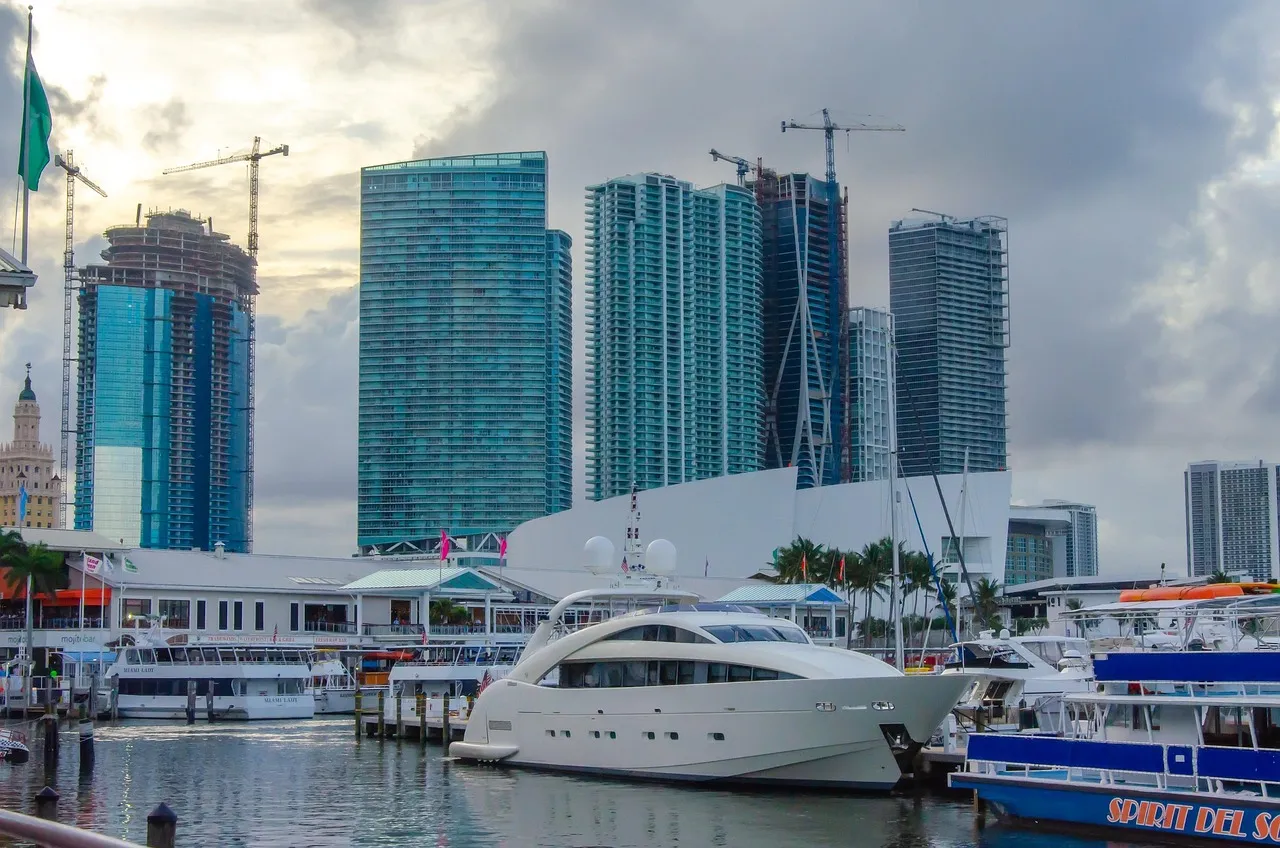
Florida is still the cruise capital of America, with six homeports: PortMiami, Port Everglades in Fort Lauderdale, Port Canaveral near Orlando, Port Tampa Bay, the Port of Palm Beach, and JAXPORT in Jacksonville. Having multiple ports nearby gives travelers real flexibility when shopping for airfare.
Florida’s port setup can work in your favor. If flights to Miami are outrageous, check Fort Lauderdale. If Fort Lauderdale is expensive, check Miami or West Palm Beach. Sometimes the cheapest plan is not “fly to the closest airport,” but rather fly where the fare is cheap, then connect smart.
It’s worth noting that Spirit Airlines officially shut down on May 2, 2026, and the average one-way domestic airfare to Fort Lauderdale had already climbed to $280 by mid-May, compared to $210 on the same date in 2025. That means being strategic about which airport you fly into matters more than ever in 2026.
Choosing the Right Embarkation Port to Save Money
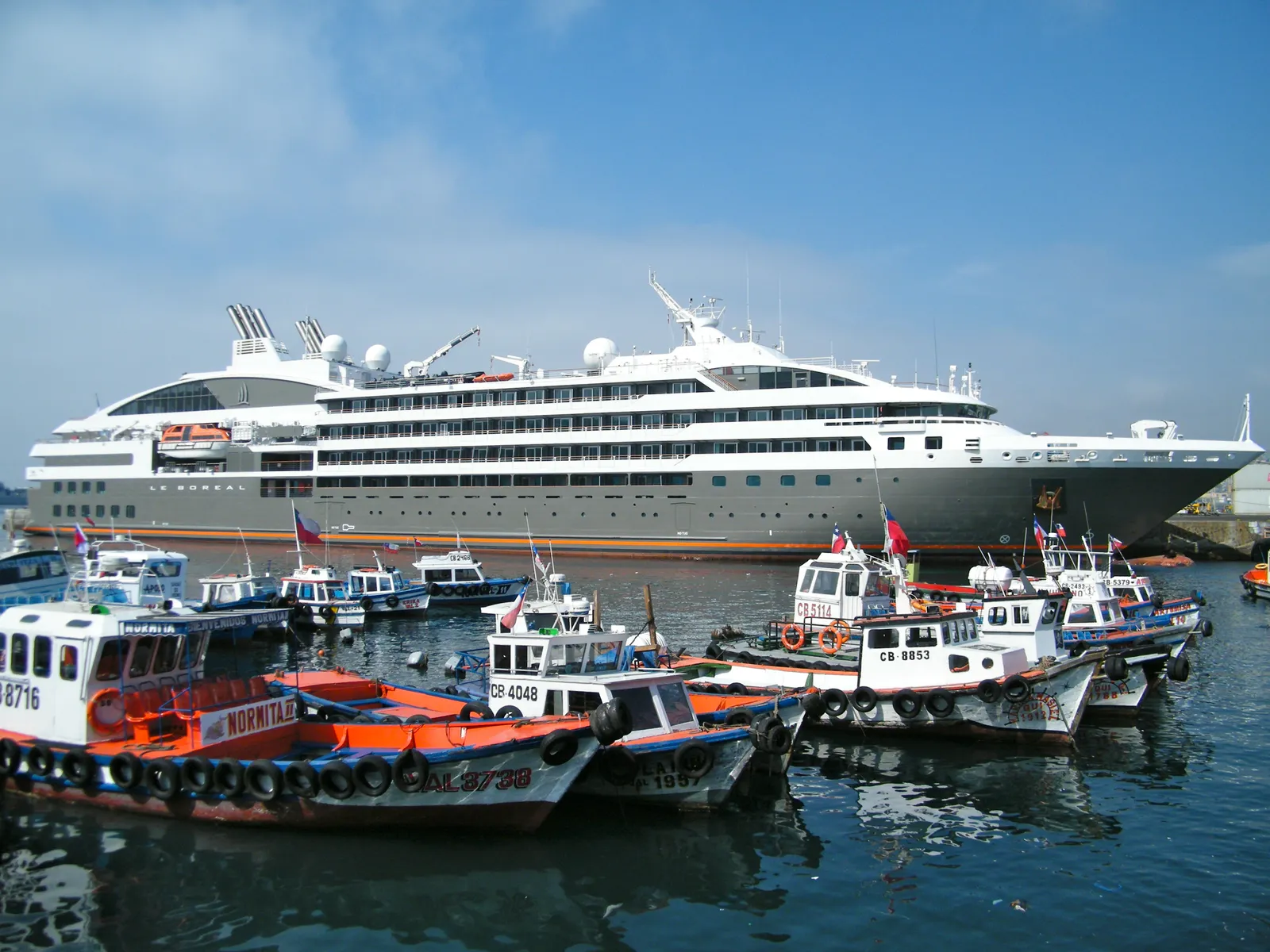
Western Caribbean cruises depart from Florida, New Orleans, and Galveston. If you live in the South or Midwest, driving to Galveston or New Orleans and skipping the flight altogether can free up a large chunk of your $700 budget. If you have three or more people traveling and live within about 1,200 to 1,600 miles of your Florida cruise port, it’s worth pricing the drive before you book flights.
The Miami and Fort Lauderdale area has multiple airports that cruise passengers can use, giving the ability to shop flights to different airports, often finding a route that offers a cheaper price or a better schedule. Avelo Airlines, for example, flies directly into Fort Lauderdale’s airport, which puts arriving passengers within 5 miles of downtown, the beach, and the cruise port.
Sailing Without a Passport: The Closed-Loop Option
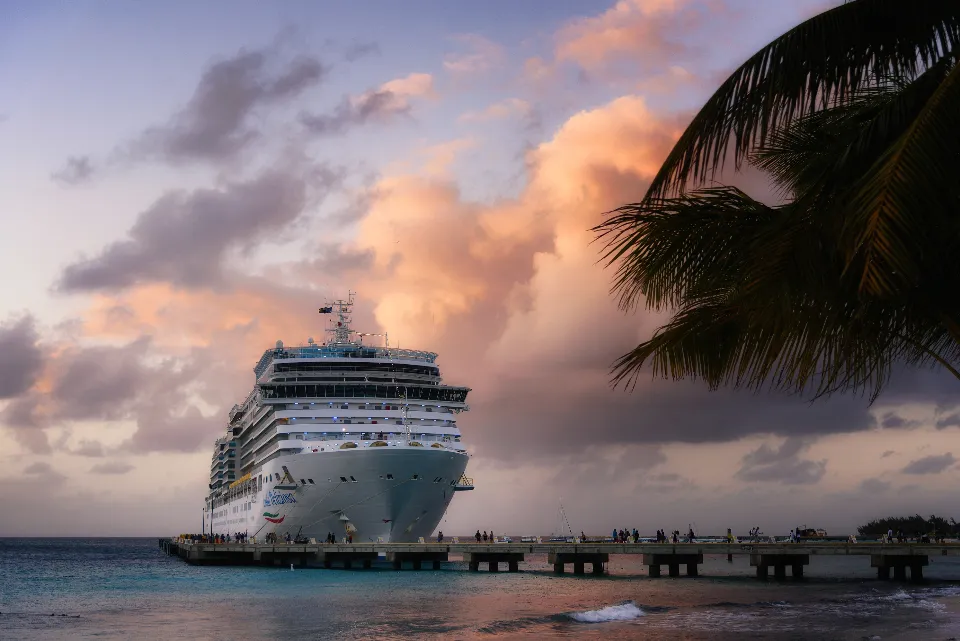
You can visit the Caribbean without a passport on a closed-loop sailing, which is one that begins and ends in the same U.S. port. Examples include cruises that depart and return to Galveston, Tampa, Baltimore, or Orlando. This is a practical budget advantage since expedited passport processing adds cost that many travelers overlook.
Some Caribbean ports, including Martinique and Guadeloupe, will not allow cruisers to get off the ship and enter the country without a passport, so checking the itinerary and cruise line instructions matters. For a budget trip, sticking to a standard closed-loop itinerary covering Jamaica, Cozumel, or the Cayman Islands is the cleanest path.
Navigating Hurricane Season Without Getting Burned

Caribbean hurricane season runs June 1 through November 30, with peak activity from mid-August through mid-October. Cruise ships reroute around storms and very rarely cancel sailings outright. The bigger adjustment to prepare for is a potential itinerary change, not a safety concern.
The southern Caribbean islands of Aruba, Curacao, and Bonaire sit below the typical hurricane belt. For added peace of mind, consider a Caribbean itinerary that visits the ABC Islands, Barbados, Trinidad and Tobago, Grenada, or St. Vincent and the Grenadines. These destinations carry a structurally lower storm exposure than the northern Caribbean.
Travel Insurance: Non-Negotiable at This Budget Level

Travel insurance with cancel-for-any-reason coverage is essential when cruising during hurricane season. At a total trip cost of under $700, comprehensive travel insurance typically runs between $30 and $60, making it a proportionate investment. Travelers cruising during hurricane season should maintain flexibility and strongly consider travel insurance coverage.
Vacationers should always consider the repercussions that come with affordable hurricane season cruises, such as potential itinerary changes or travel delays. It is important to remain flexible, as storms are unpredictable and plans may need adjusting. Booking a refundable or adjustable fare where possible adds another layer of protection at minimal extra cost.
How to Stack Deals to Stay Under Budget
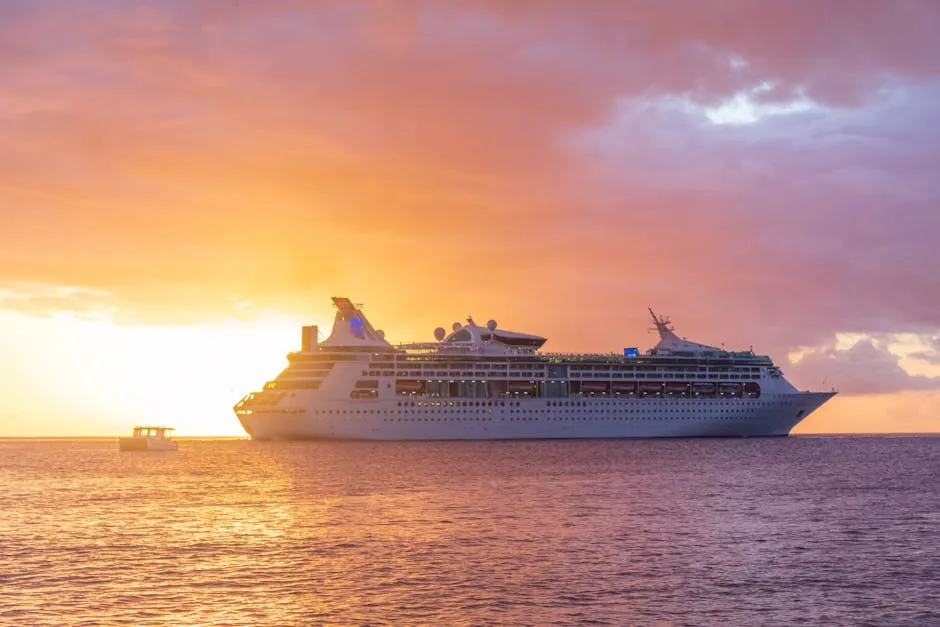
Flash sales on select cruises to the Caribbean and Bahamas regularly appear, and some promotions offer up to 40 percent off plus additional instant savings on select 2026 sailings. Timing a booking to coincide with a flash sale event can drop the cruise fare to the $200 to $300 range, which leaves a viable amount for a round-trip flight.
If the risk of severe weather doesn’t deter you, you’ll likely score some discounts by booking a cruise that embarks during hurricane season, because demand for Caribbean itineraries is lower at this time of year, and cruise lines often advertise major deals on fares and significant onboard credits to incentivize travelers. Combining those credits with a low-cost airfare to Tampa or Galveston is how a full trip ends up under $700.
What to Expect Onboard at a Budget Price Point

On a cruise vacation, all the planning is taken care of by the cruise line, from the destinations you sail to and the shore excursions available at each port, to a full range of entertainment and activities happening onboard every day. At the lowest fare tiers, you’re typically in an interior cabin, but the ship amenities, buffets, and entertainment remain the same regardless of what you paid for the room.
Being aware that least expensive does not always mean best value is worth keeping in mind. A 5-day Caribbean cruise may offer a wealth of experiences that a 2 or 3-day cruise cannot match, especially when factoring in cruising time from your port of departure. If the total budget allows, stretching to a 5 or 6 night sailing squeezes more value out of every dollar spent getting there.
The bottom line is simple: the Caribbean in fall is genuinely cheap, and the people who avoid it mostly do so out of habit rather than careful calculation. Cruise fares drop hard, flights to Florida remain competitive if you shop across ports, and the experience onboard doesn’t change because the calendar says October. The $700 ceiling is tight, but it’s real, and for travelers willing to stay flexible, it holds.
AI Disclaimer: This article was created with the assistance of AI tools and reviewed by a human editor.