

Rome is one of those cities where food is simply part of the landscape. Ancient aqueducts, piazzas lined with centuries-old churches, and somewhere around every corner, a hole-in-the-wall serving something extraordinary for just a few euros. The gap between eating well and eating cheaply here is much smaller than most visitors expect.
While you can certainly spend lavishly on dining, Rome also offers excellent value options, with budget travelers eating well for roughly €25 to €35 per day. With a little local knowledge, $30 is not a ceiling. It’s actually comfortable room to eat magnificently.
Master the Italian Breakfast Ritual First
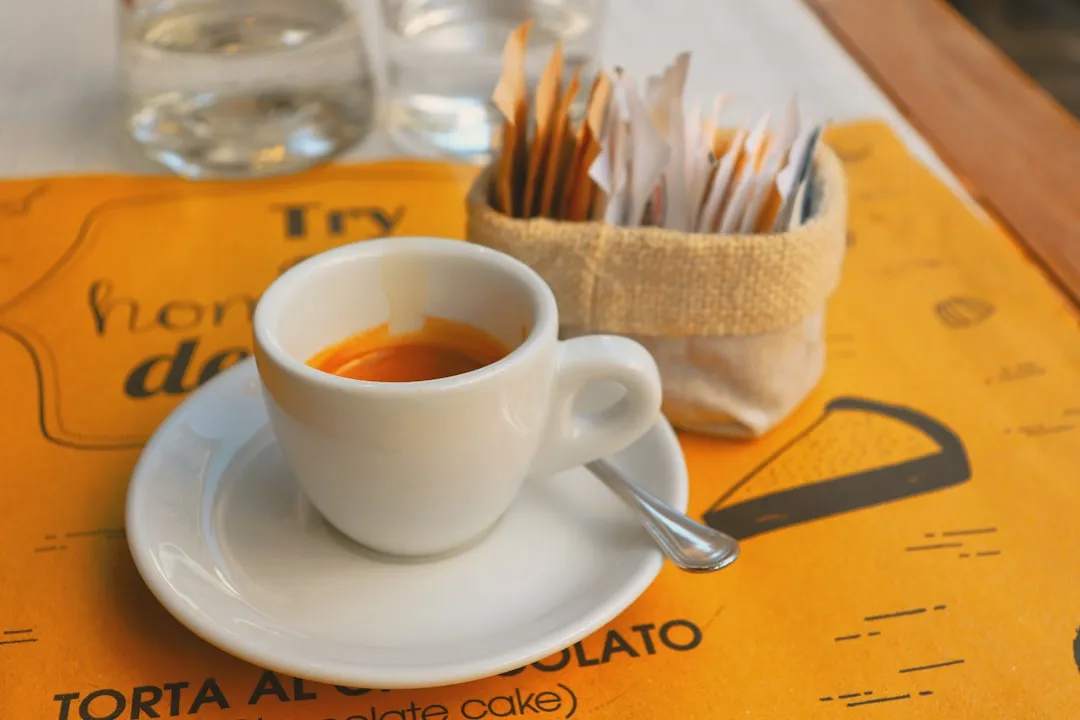
The first main difference in cost begins with breakfast. Italians tend to shoot their espressos and eat their cornetti right at the bar, with coffee costing around €1, a cappuccino about €1.20, and pastries usually €1 to €2. This is one of Rome’s best-kept financial secrets for visitors.
Standing at the bar rather than sitting at a table can save anywhere from fifty to a full one hundred percent on the price of your coffee. It sounds small, but it adds up over several days. Grab a cornetto, sip your espresso standing at the counter, and you’ve had a perfectly genuine Roman breakfast for under €3.
Pizza Al Taglio Is Your Best Friend at Lunch
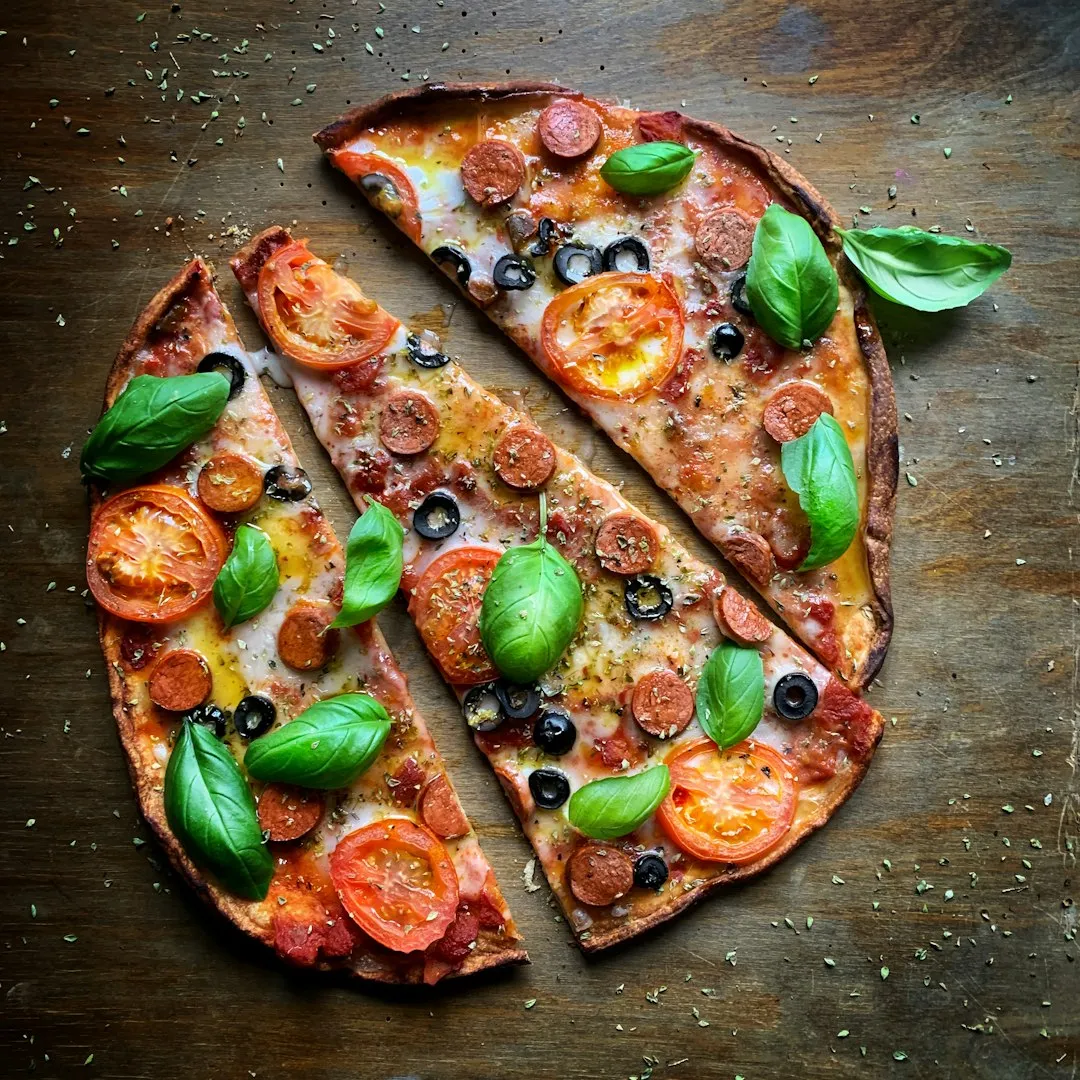
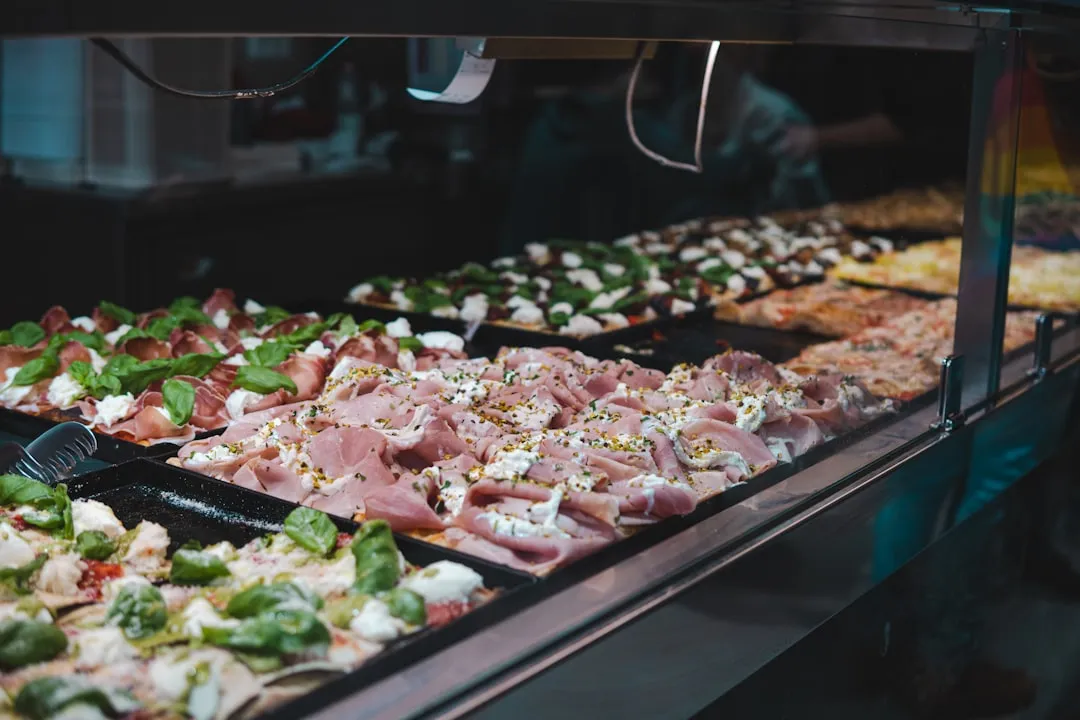
One of the most famous Roman street foods is pizza al taglio, or pizza by the slice. It’s sold based on weight, so the price depends on how many slices you pick, their size, and their toppings. In general, the average price for two slices sits around €5 to €6. That’s a proper, satisfying lunch for the price of a mediocre airport coffee.
Pizzeria La Boccaccia has three locations in central Rome, with most pizza slices ranging between €1.50 and €2.50 per 100 grams, while their Pizza Rossa and Pizza Bianca come in at just €1 for 100 grams. Keep that one saved on your phone. It’s the kind of place locals rely on without a second thought.
Discover the Humble Magic of Supplì

If there’s one street food that defines Rome, it’s supplì – crispy, golden-fried rice balls that reveal a molten mozzarella center when you bite into them. The name supposedly comes from the French word for “surprise,” referring to the discovery of melted cheese inside, though Romans have claimed this treat as distinctly their own since the 19th century.
For €1.50 to €3 each, they’re a stellar snack, and they also serve variations like carbonara and ragù. Along with classic versions, you’ll find supplì in flavors like amatriciana, cacio e pepe, and ‘nduja, a spicy Calabrian sausage. Two or three of these alongside a pizza slice is a lunch that genuinely punches above its price tag.
Unlock the Pranzo di Lavoro Secret
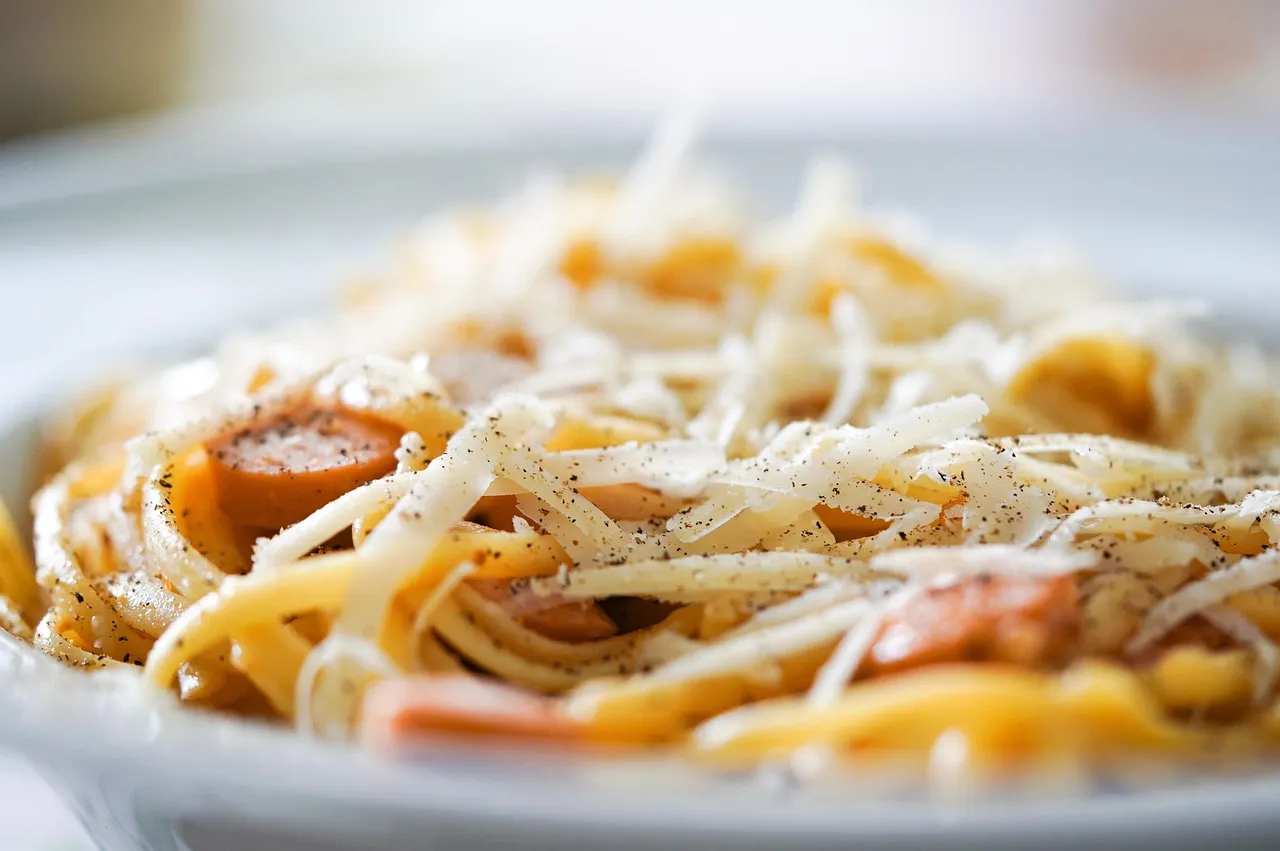
Many restaurants offer weekday lunch specials known as “pranzo di lavoro,” the worker’s lunch, which includes multiple courses at reduced prices between €12 and €18. This is how Romans who work in the center eat a full, proper meal without draining their wallet every single weekday.
Many restaurants offer these affordable lunch menus or pranzo di lavoro specials, and they can be a way to experience higher-end restaurants at a fraction of the dinner price. Dining timing also matters significantly, with lunch typically costing noticeably less than dinner. A multi-course sit-down meal for €12 to €15 mid-afternoon is absolutely achievable, especially on weekdays away from the tourist epicenters.
Eat in the Right Neighborhoods
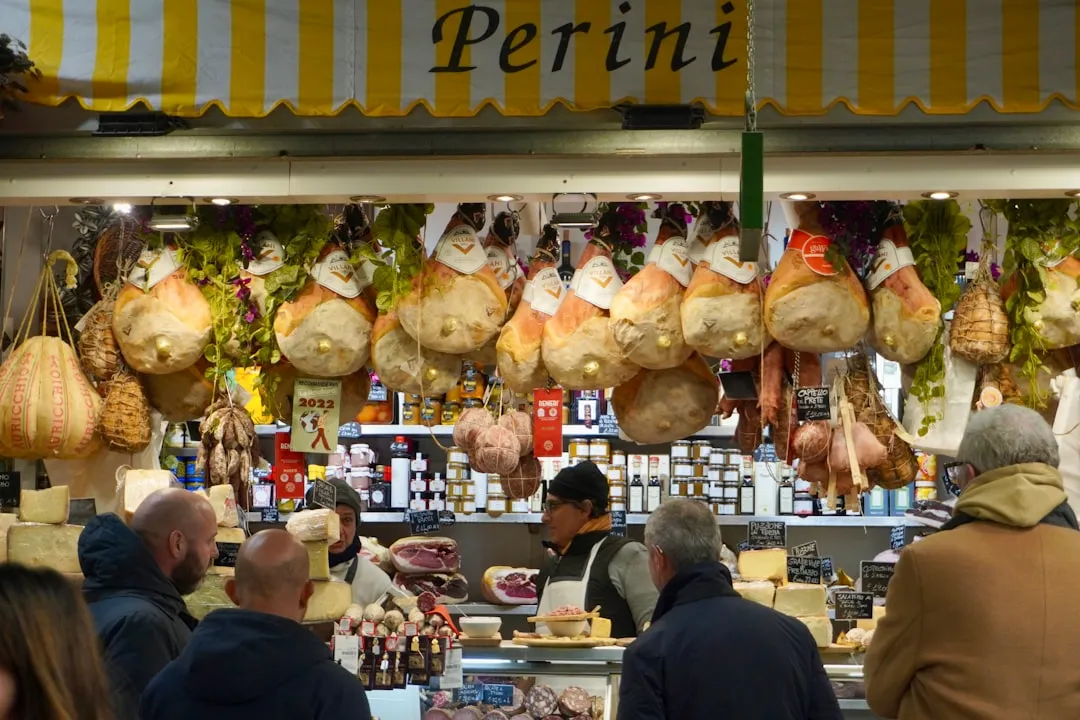
Restaurants in residential neighborhoods like Testaccio, San Giovanni, or Pigneto offer prices that are roughly twenty to thirty percent lower than those in tourist areas. That price difference is real and consistent. The food quality is often better too, since these places depend on returning local customers rather than one-time visitors.
In Trastevere, a one-course meal for around €11 with a glass of wine for €4 can total just €15. These prices have been known to nearly double at more upscale eateries located near the Roman Forum or the Vatican. The lesson is consistent: walk five minutes away from the monument and your bill shrinks noticeably.
Spend a Morning at Testaccio Market
Testaccio Market is a literal feast for the senses. Start at Mordi e Vai, a legendary stall where former butcher Sergio Esposito fills crusty panini with slow-cooked Roman classics like trippa alla Romana or picchiapò, simmered beef with tomato and onion. Locals line up for this no-frills soul food between errands.
At Testaccio Market, you can grab lunch from food stalls typically for €8 to €15, with options like the beloved Flavio al Velavevodetto for coda alla vaccinara, and Felice a Testaccio for cacio e pepe. While it attracts some visitors, you’ll still find it’s mostly Italians. That alone tells you something worth knowing.
Work the Aperitivo Hour Like a Local
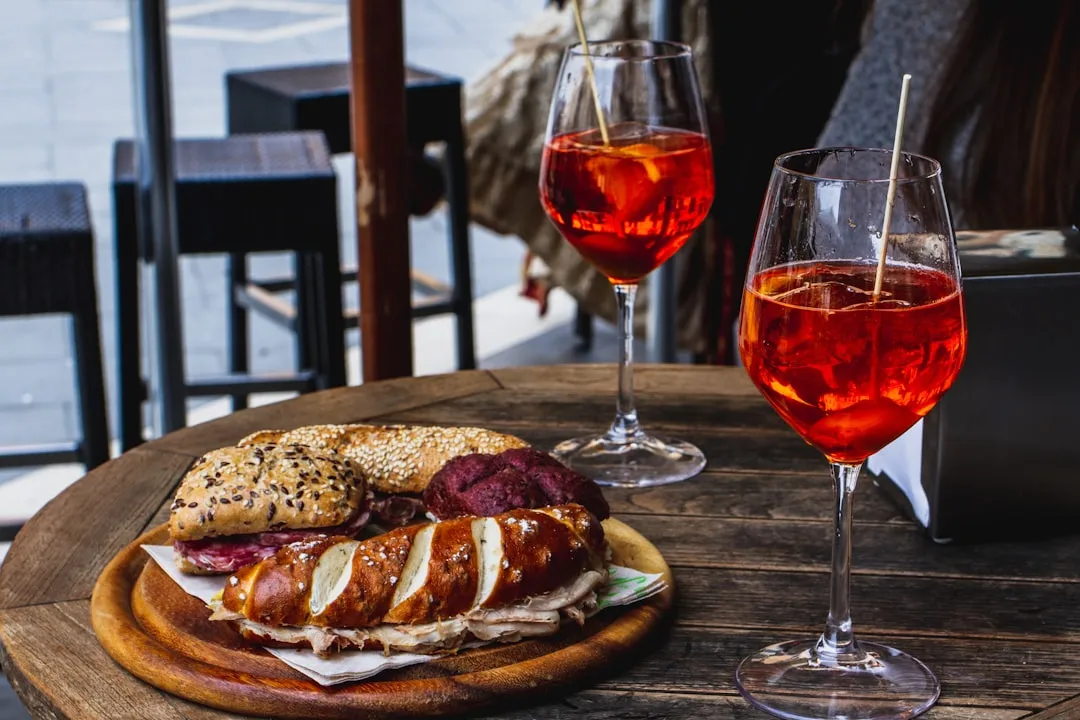
For roughly €10 to €15, you can enjoy a drink and access to food buffets that can effectively substitute for dinner. The aperitivo culture is one of Rome’s most underrated budget tools. You pay for a single drink and find yourself in front of a spread of olives, bruschetta, cheeses, and small bites.
Aperitivos are a way of life in Italy, and these pre-dinner drinks can be found everywhere, from the best wine bars to the cozy hole-in-the-wall haunts. Even if your drinks are on the pricier side, each aperitivo usually comes with a snack, meaning you can save money in the long run. Think of it as a two-for-one deal framed as Italian elegance. It genuinely works.
Hydrate for Free with the Nasoni
Rome’s public drinking fountains, known as nasoni, provide free, clean water throughout the city. There are hundreds of them scattered across the historic center, residential streets, and even near major monuments. Bring a refillable bottle and you’ll spend almost nothing on water during your entire stay.
These public drinking fountains are scattered throughout the city and provide free, safe water, which proves essential for staying cool during warmer months. Bottled water from a café near a tourist site can cost €2 to €3 for a small bottle. Over a week, that adds up to a full meal saved. The nasoni are one of Rome’s greatest unsung gifts to budget travelers.
Choose Gelato Wisely and Avoid the Tourist Traps
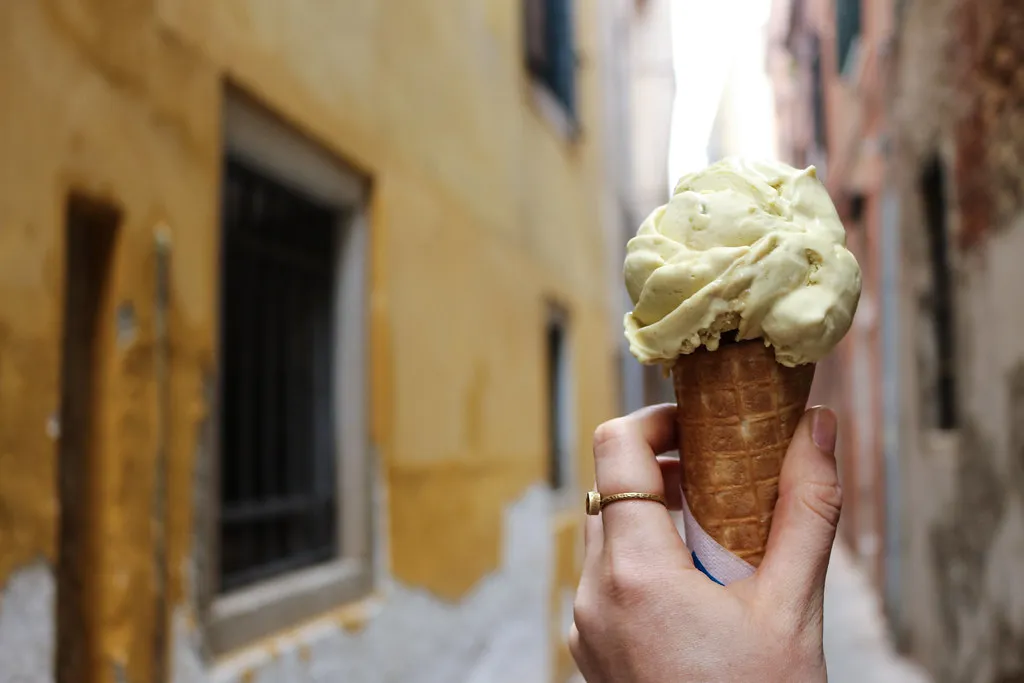
Gelato prices are calculated based on whether you get a cone or a coppetta and on the number of scoops you want. For a two-scoop gelato on a cone, budget around €2.50. That said, location matters more than anything else when it comes to gelato pricing.
On average, a good quality gelato goes from €2 to €3. Avoid buying it near monuments, because gelato there can go up to €7. Top gelato spots like Al Settimo Gelo, Gelateria dei Gracchi, Fior di Luna, and Gelateria Gori serve two scoops of all-natural gelato for €3.50 or less. The rule of thumb: if the gelato is piled high and neon-bright, walk away. The real thing is stored in flat metal containers and looks almost humble.
Use Budget Apps and Know the Red Flags
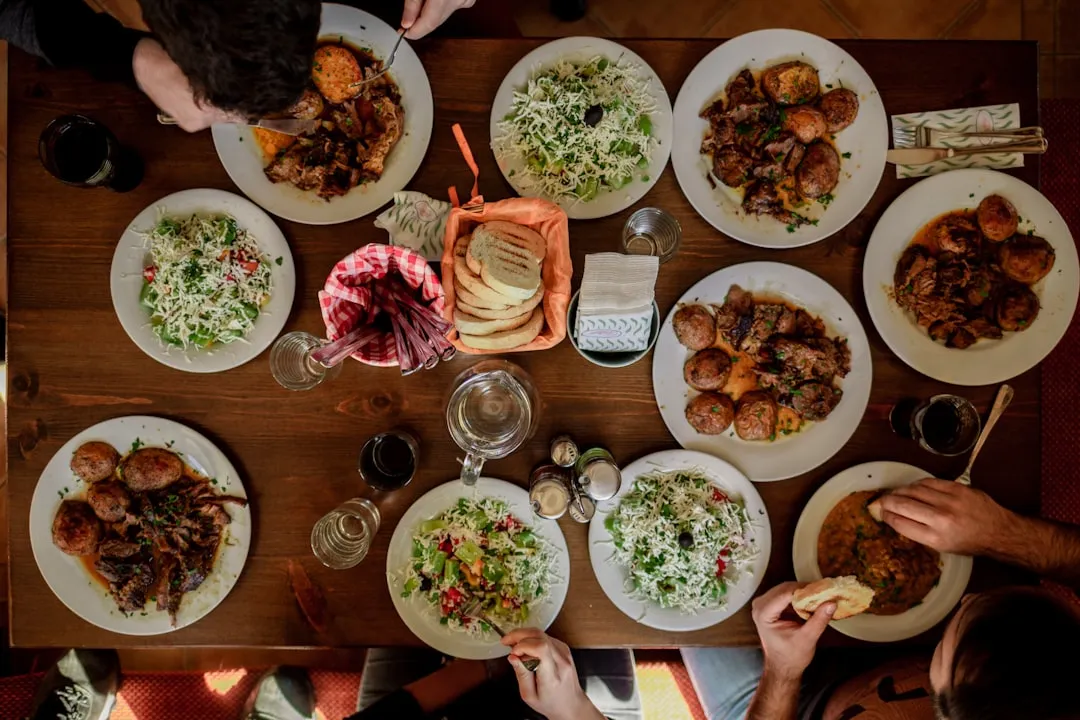
Apps like TheFork and Too Good To Go can offer significant discounts on restaurant meals and help reduce food waste, so it’s worth checking these resources before dining out. Too Good To Go in particular lets you pick up unsold food from bakeries and cafés at a steep discount, often for under €4 per bag.
Red flags to avoid include picture menus outside in multiple languages, aggressive hosts trying to pull you inside, locations within 100 meters of major monuments, and restaurants that only seem to serve tourists. Instead, look for handwritten daily specials boards in Italian, Italian families dining together, and side-street locations away from monuments. These signals are more reliable than any app rating. Walk just five to ten minutes away from the main tourist drag for authentic spots with local prices. It’s a small effort that makes the whole trip taste better.
Putting It All Together: A Sample $30 Day
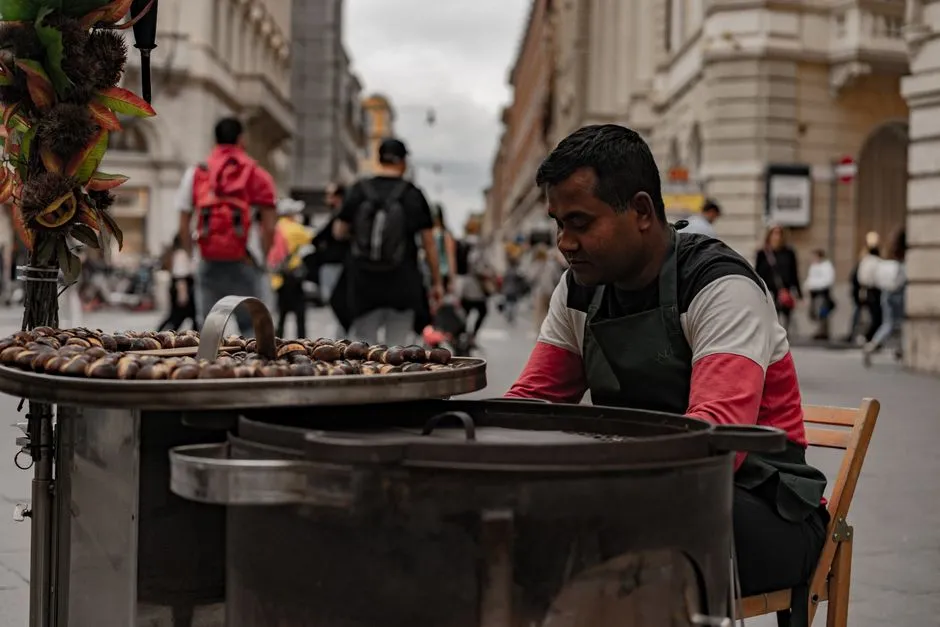
The math is genuinely encouraging when you combine all of these strategies. A bar breakfast of espresso and a cornetto runs under €3. Most pasta plates at budget spots like Pastaciutta run €5 to €7, and a couple of supplì add another €3 to €5 for a complete lunch. An aperitivo covering pre-dinner drinks and snacks costs €10 to €15.
Refilling your water bottle at Rome’s nasoni fountains throughout the day keeps beverage costs essentially at zero. Throw in a €2.50 gelato in the afternoon and you’ve had a full, varied, genuinely Roman day of eating well within the $30 mark. The city is designed, whether intentionally or not, to reward people who pay attention.
Rome has always fed its people well. The trick for visitors is simply to eat the way Romans actually eat – standing at bars, sitting in neighborhood trattorias, and grazing through markets rather than performing the tourist version of Italian dining. The food is there, it’s honest, and most of it costs far less than you’d ever expect from one of the world’s great culinary cities.
AI Disclaimer: This article was created with the assistance of AI tools and reviewed by a human editor.