


Hawaii sits roughly 2,400 miles off the California coast, and that distance has always made it feel like a trip that demands a serious financial commitment. The ticket prices can look shocking at first glance, especially for travelers on the East Coast or Midwest who are staring at multi-stop itineraries and hefty base fares. Yet the reality is more nuanced than that.
With the right timing, the right carrier, and a clear-eyed understanding of what fees are coming before you click “book,” getting to Hawaii on a real budget is genuinely achievable in 2026. The trick is knowing what the data actually says, not just what the flight-deal newsletters tell you.
What You Should Actually Expect To Pay

Before anything else, it helps to set a realistic baseline. A flight to Hawaii costs $481 on average according to KAYAK data. That number, though, moves around a lot depending on your origin city, the time of year, and how far out you book.
The most popular routes on KAYAK are San Francisco to Honolulu, which costs $561 on average, and Boston to Honolulu, which costs $1,278 on average. That gap illustrates just how much your departure airport shapes the total cost.
Prices will differ depending on the departure airport, but generally, the cheapest airport to fly into in Hawaii is Hilo International Airport, with an average flight price of $252. If your itinerary is flexible enough to land there instead of Honolulu, that difference is worth considering.
The Best Airlines For Budget Hawaii Travel

United Airlines, Alaska Airlines, and American Airlines are the top three most popular airlines that fly to Hawaii from the United States. Popularity and cheapness aren’t the same thing, though, so it’s worth looking at each one with fresh eyes.
Southwest Airlines flies to Hawaii from several California airports and is frequently the lowest-cost option for West Coast travelers. Southwest also has a new Las Vegas to Hilo nonstop starting August 6, 2026, while United flies nonstop to Kona from San Francisco, Denver, and Los Angeles.
The airlines that fly the Hawaii route most regularly are Alaska Airlines at roughly 1,471 flights per week, Japan Airlines at 885 flights per week, and United Airlines at 856 flights per week. More flights typically means more competitive pricing on those routes, which is a real advantage for the budget traveler.
The Alaska–Hawaiian Merger And What It Means For You
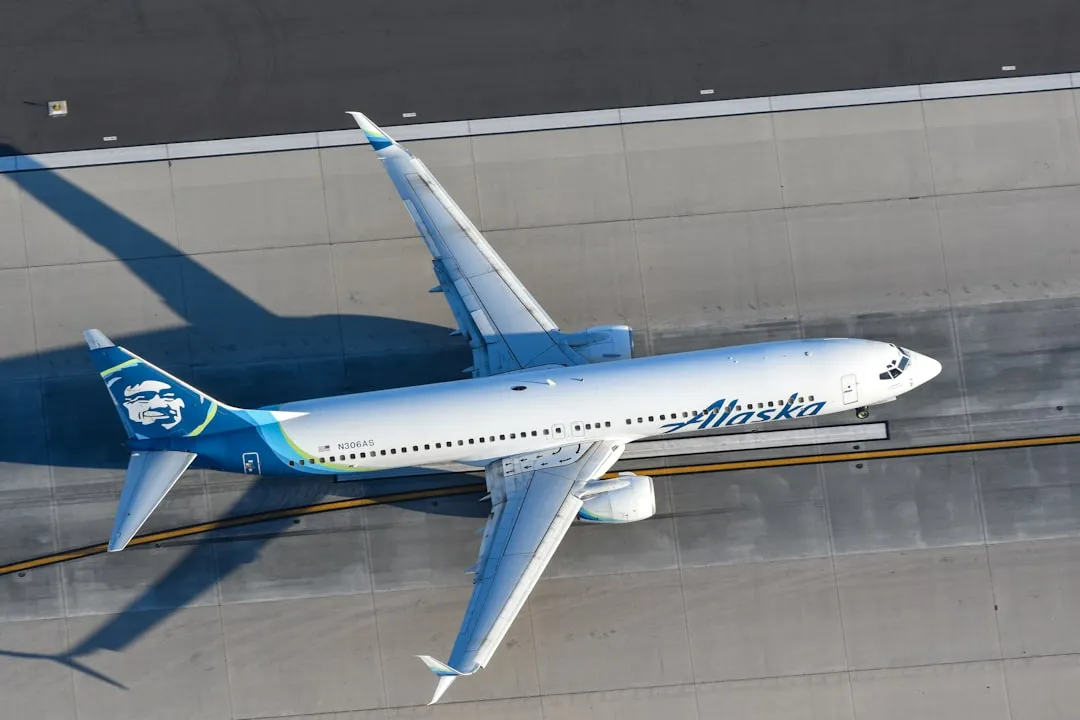
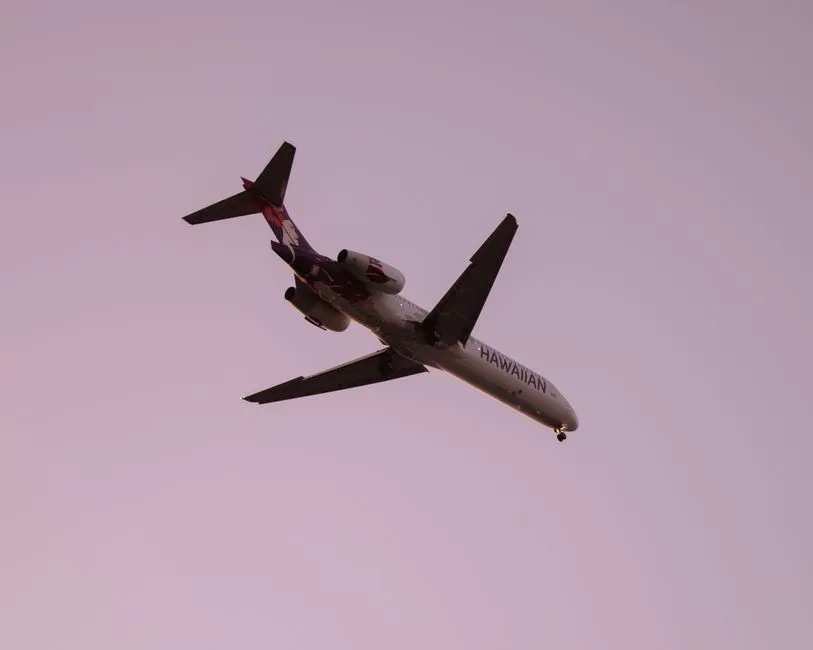
One of the biggest structural changes in Hawaii aviation is the completed merger between Alaska Airlines and Hawaiian Airlines. Hawaiian and Alaska merged in September 2024 and have flown under a single FAA operating certificate since October 2025. As of April 2026, all flights carry the AS flight code.
Starting April 22, 2026, Hawaiian Airlines and Alaska Airlines began operating as one airline, powered by a single passenger reservation system. For travelers, the practical effect is that both brands remain bookable but now share backend technology, loyalty programs, and baggage rules.
One visible change for passengers is new flight numbers for certain Hawaiian Airlines routes to prevent duplication within the combined network. Frequent flyers are encouraged to confirm flight details when booking or checking in. This is especially relevant if you booked a while ago and haven’t re-verified your reservation.
The Cheapest Months To Buy Your Ticket

Seasonal timing is probably the single most powerful lever for a budget Hawaii flight. The best cheap months of the year to book flights to Hawaii in 2026 are typically April, May, September, and October. These months fall between peak tourist seasons, resulting in lower demand and cheaper fares.
Following the spring break rush, airlines often lower fares in April and May as demand decreases. These months also precede the peak summer vacation season, making them ideal for budget travelers to find cheaper flights before prices surge again.
The worst months for price are June through August and the December holiday period. The most expensive periods are typically summer and the winter holiday rush, so choosing the right month can save hundreds of dollars that are much better spent once you’re in the islands.
The Ideal Booking Window
Most travelers either book too early or wait too long. The data on the optimal booking window is actually fairly consistent across multiple sources. CheapAir’s annual study of 917 million airfares puts the single best buying day at 42 days before departure, Google Flights data says 43 days, and 2026 guides from Going and KAYAK back the same pattern for domestic routes.
On average, the best time to buy your ticket to Hawaii is between three weeks and three months before departure, with the period between 40 and 50 days as the golden rule. That window gives airlines enough time to have settled their seat inventory while still leaving some competitive pricing open.
ARC data shows that domestic flights booked 28 days or more before departure are typically around one quarter cheaper than those booked last minute. That’s a meaningful saving that requires almost no effort beyond planning ahead.
The Best Days To Fly And To Book
Your day of travel matters more than most people assume. The best day of the week to fly to Hawaii is Thursday due to prices being at their lowest. Flying out on a Wednesday is a solid backup option, while Friday is the most expensive day to fly to Hawaii.
Wednesday is among the cheapest days to fly to Hawaii from the U.S., with fares averaging notably lower than Friday. Midweek departures on Tuesday, Wednesday, or Thursday are typically between 15 and 25 percent cheaper than Friday or Saturday flights.
Typically, Sunday can be the cheapest time to book a flight to Hawaii Island. On average, you could save between 6 and 13 percent by booking on a Sunday instead of a Friday, which is the most expensive day to make a reservation. Booking day and travel day are two separate decisions, and optimizing both adds up.
Hidden Fees That Will Quietly Blow Your Budget
The base fare is only part of the story, and in 2026, that gap between advertised price and real cost has widened considerably. U.S. airlines collectively pulled in close to $5.5 billion in baggage fee revenue in 2025 alone, according to the Bureau of Transportation Statistics.
United hiked fees by $10 for tickets purchased on or after April 3, 2026. You’ll pay $45 for a first checked bag if you prepay online, or $50 if you pay at the airport within 24 hours of your flight. Southwest raised its first and second checked bag fees by $10 effective April 9, 2026, and this follows the even bigger news from May 2025, when Southwest ended its famous two-free-bags policy for most fares.
Beyond baggage, seat selection costs an average of $33 for preferred seats, with exit rows running around $48. Fees apply per bag, per direction, so a round trip doubles everything. The arithmetic on a family of four adds up fast if you haven’t planned for this.
How The Alaska–Hawaiian Baggage Situation Got Complicated

The merger between Alaska and Hawaiian created some genuine confusion around baggage benefits that caught real travelers off guard in early 2026. Baggage rules now depend on both when you bought your ticket and when you travel. Hawaiian currently has two baggage price schedules in effect at the same time, with tickets purchased before October 14, 2025, or flown before January 2, 2026, following the old rules most travelers remember.
For flights to the mainland, the first bag is $35 if you prepay or $40 at the airport, with a second bag at $45. Inter-island travel within Hawaii is slightly cheaper, with the first bag at $30 and the second at $40.
Before booking, confirm which card you actually hold and what it covers as of today, not what you remember it covering from your last trip. Book directly through the airline whenever possible, and do not assume a third-party booking will preserve your benefits. This is especially important in the post-merger transition period.
How To Genuinely Cut The Total Cost

A few practical moves can meaningfully reduce what you spend. The Hawaii Vacation Guide recommends clearing cookies or opening a new incognito browser window each time you start a new flight search to avoid dynamic price-tracking that increases displayed prices as you search the same route repeatedly.
An open-jaw strategy can also work well: fly into Oahu, island-hop to Maui or Kauai, and fly home from there. This costs the same as a round-trip to one island but eliminates one inter-island flight entirely. That’s real money saved without sacrificing flexibility.
Flights with layovers are often cheaper than direct flights. Keeping an eye out for one or two-stop options can offer meaningful cost savings on the total fare. The tradeoff is time, but on a longer Hawaii trip, a few extra hours in transit is usually manageable.
Points, Miles, And When They Actually Make Sense
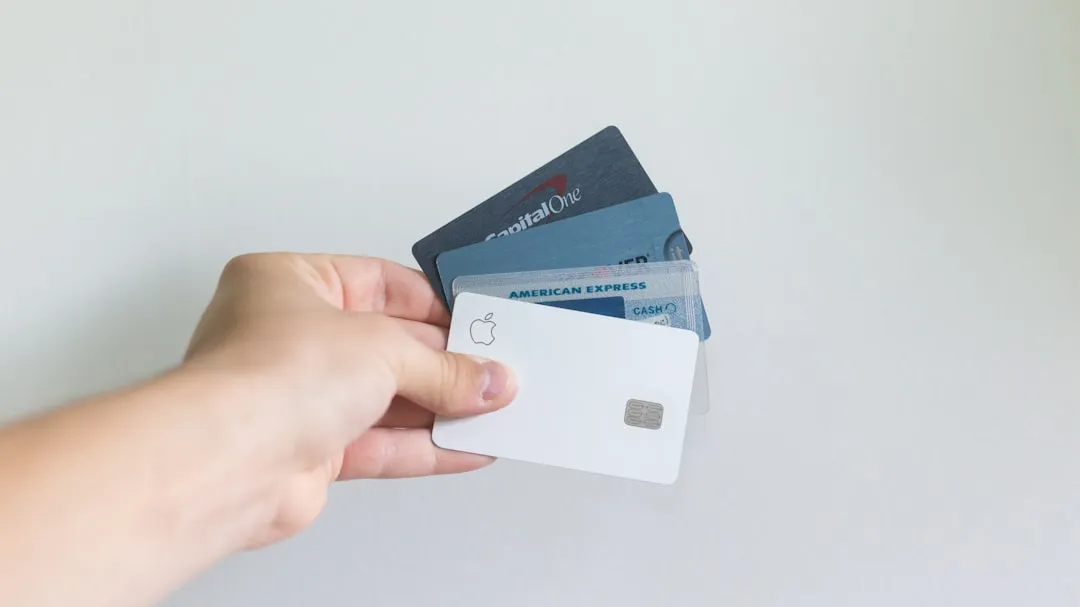
Miles and credit card points are most valuable when cash fares are at their peak. Points and miles stretch particularly far for Hawaii in summer 2026, when fares are running roughly 8 to 15 percent above 2025 levels. That makes summer the ideal window to redeem rather than pay cash.
Hawaiian Airlines is set to join the oneworld alliance in 2026, expanding global travel options and reward opportunities through Atmos Rewards. This opens up new ways to earn and redeem points that weren’t available before the merger.
Airline co-branded cards often include free checked bags. The Delta SkyMiles Amex, United Explorer, and American Airlines cards waive first bag fees for the cardholder and up to eight companions on the same reservation. On a Hawaii trip where you’re checking bags round-trip, that benefit can easily cover most of an annual fee on its own.
Final Takeaway

Flying to Hawaii on a budget in 2026 is not about luck or hunting for mythical flash sales. It’s about understanding the patterns: shoulder-season months like April, May, September, and October; a booking window of roughly six to eight weeks out; midweek travel days; and a clear-eyed accounting of every fee before you commit to a fare.
The airline landscape has shifted considerably, with the Alaska–Hawaiian merger reshaping how bags are charged, how loyalty points work, and which flight codes appear on your boarding pass. Staying informed about those changes matters more now than it did a few years ago.
The islands haven’t moved, and neither has the basic logic: get the timing right, read the fine print, and the cost of getting there becomes far less of an obstacle than it first appears.
AI Disclaimer: This article was created with the assistance of AI tools and reviewed by a human editor.