
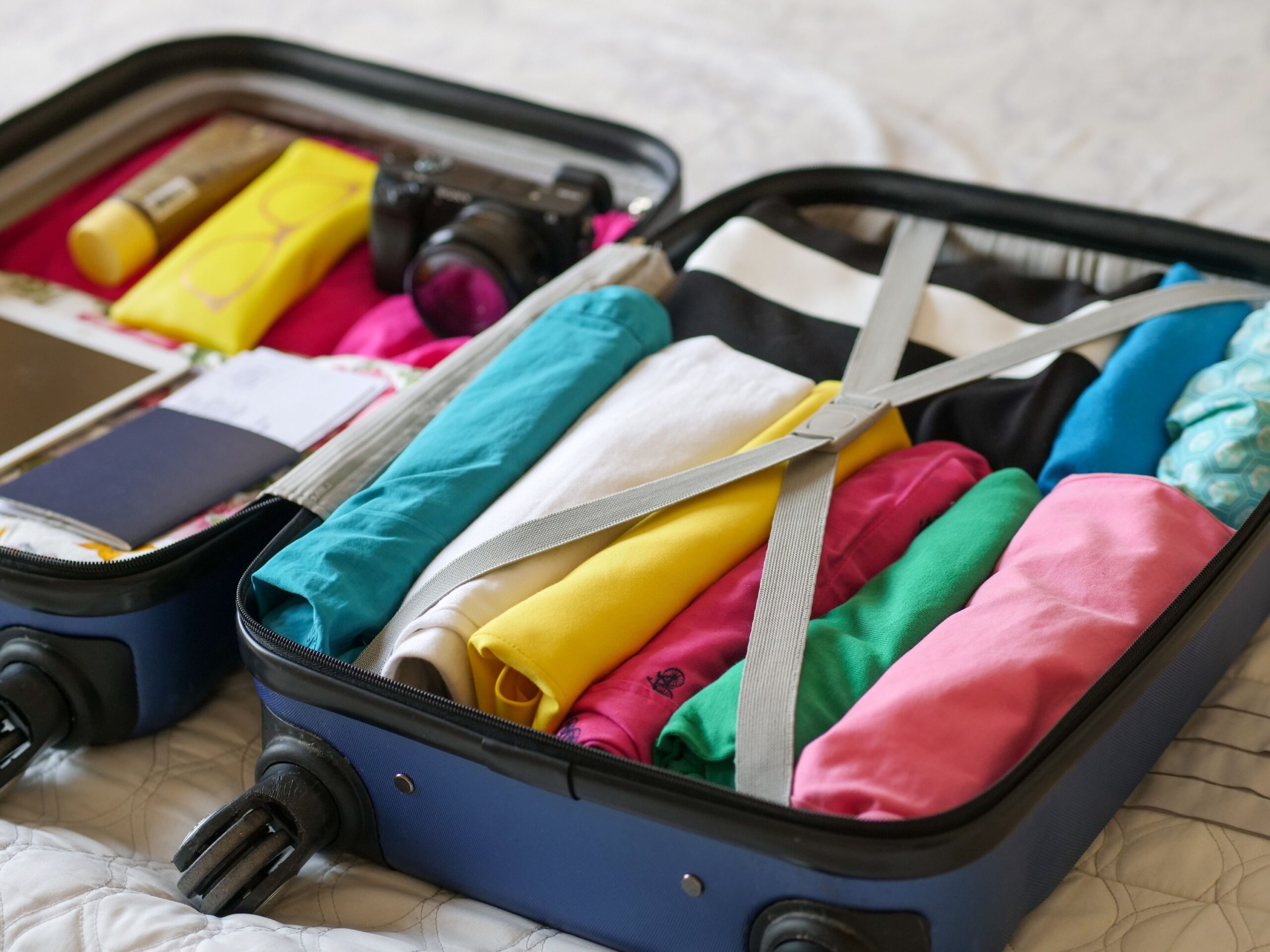

Few packing challenges are quite as humbling as the dual-climate trip. You’re heading somewhere warm, then cold – or you’re moving between a beach and a mountain – and the usual packing logic breaks down almost immediately. Suddenly one bag feels like an impossible negotiation between sandals and snow boots, sundresses and heavy knits.
The good news is that smart travelers have been solving this problem for years, and the strategies have become genuinely refined. What follows is a practical, honest guide to pulling it off – without checking a bag, without wearing your entire wardrobe on the plane (well, maybe just the coat), and without arriving at either destination underprepared.
Know Your Carry-On Limits Before You Pack a Single Thing
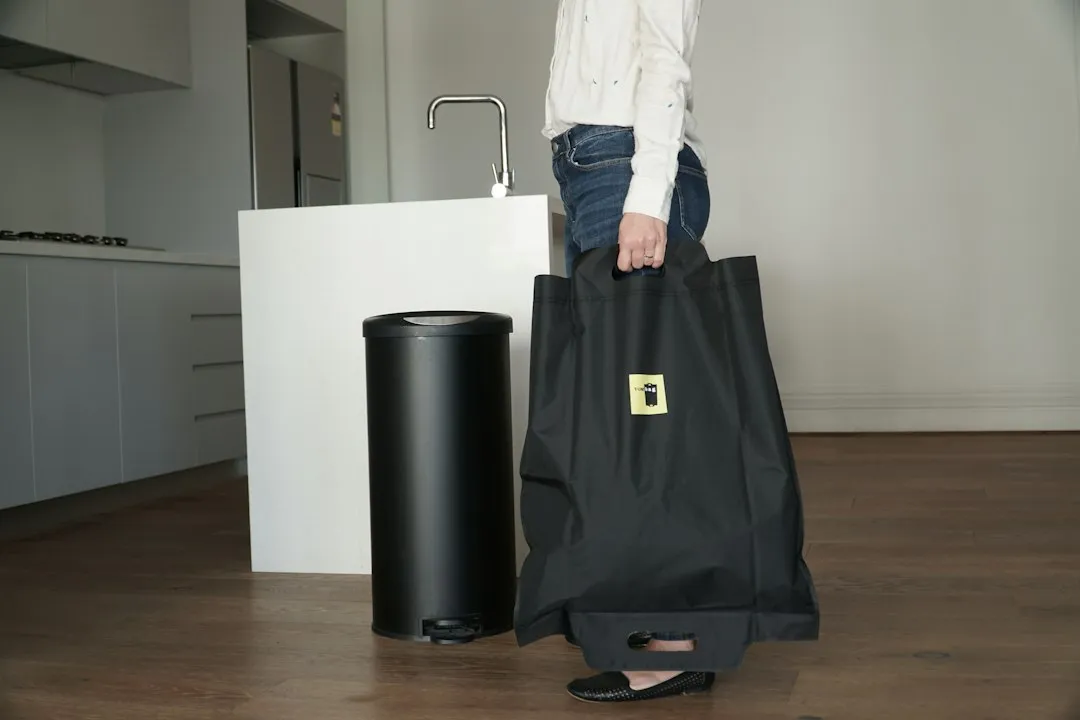
Before you fold a single item, it pays to understand what you’re actually working with. The most common carry-on size limit for major U.S. airlines is 22 x 14 x 9 inches. That’s your canvas. Some international airlines set cabin bag weight limits around 15 to 22 lbs, while many U.S. airlines do not list a standard carry-on weight limit.
Carry-on baggage allowances may vary by airline, cabin class, and aircraft type. As a general reference, many airlines apply maximum carry-on baggage dimensions of 56 × 45 × 25 cm (22 × 18 × 10 in), including wheels and handles. This matters enormously when you’re trying to squeeze gear for two very different weather conditions into the same bag.
New 3D scanner technology at airport security had promised an end to the 100 ml limit for liquids. In 2024, many airports using the new scanners had lifted the ban. However, an issue with the new technology led the EU to reinstate the 100 ml limit across all 27 member countries, and the UK. So if your dual-climate trip crosses into Europe, that still applies to your toiletries.
Research Both Destinations Before You Start Choosing Clothes

When planning your trip, take time to research the weather for each destination. Knowing the temperature, precipitation, and microclimates will help you pack smartly without overloading your luggage. There’s a real difference between a 10-degree cold destination and a -10-degree one, and that difference changes everything.
Weather forecasts are generally accurate up to 10 days in advance. Use trusted sources like the National Weather Service or AccuWeather to monitor temperature ranges, paying attention to daytime highs and nighttime lows. Once you have concrete numbers, you can make specific decisions rather than packing defensively for every possible scenario.
Build Your Wardrobe Around Layering, Not Bulk
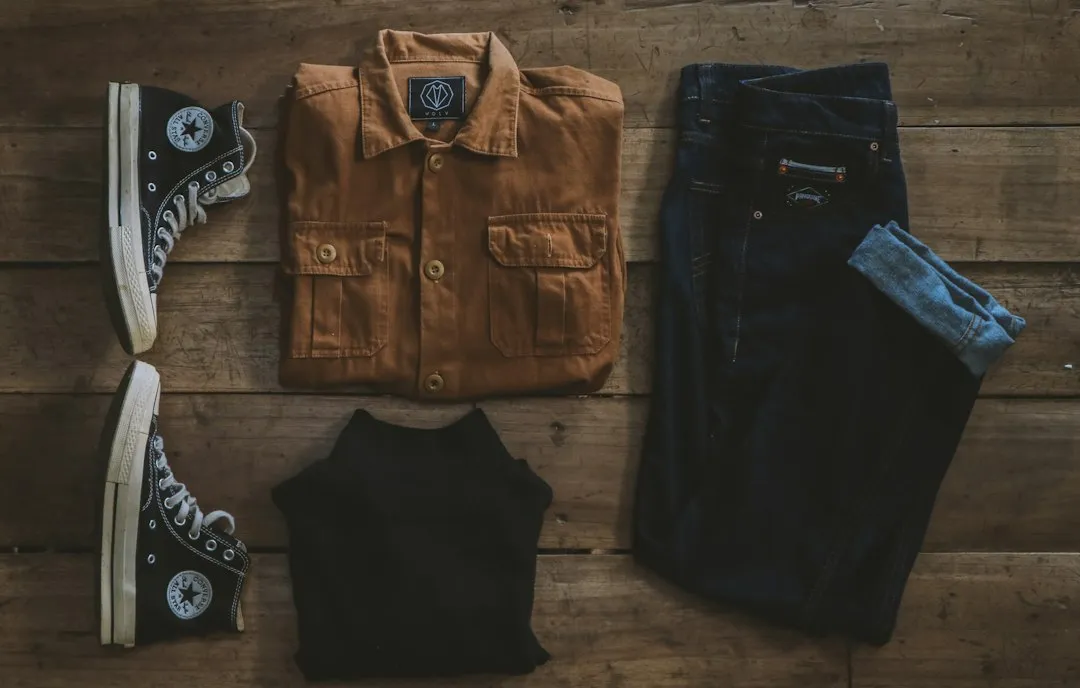
The layering system isn’t just a camping concept. It’s the structural backbone of any successful dual-climate carry-on. Start with a lightweight base layer that can be paired with other clothing. Add a long-sleeve shirt or light sweater for cooler evenings, and top it off with a versatile jacket and infinity scarf that can be used in multiple climates. This way, you can mix and match without overpacking.
Pack lightweight, moisture-wicking base layers, compact mid-layers, and a waterproof outer shell. Choose the right fabrics – opt for quick-dry synthetics, merino wool, or cotton-poly blends. The outer shell does the heavy lifting in cold weather and compresses down to almost nothing in your bag when you’re somewhere warm.
Make Merino Wool Your Best Friend
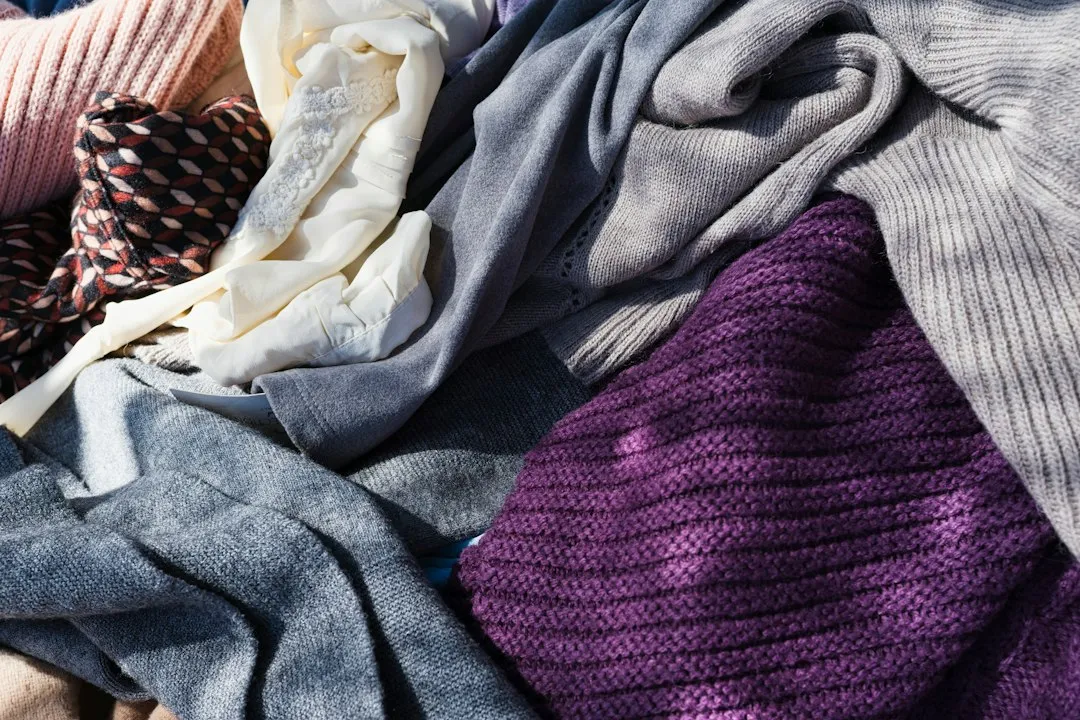
If there’s one fabric built for exactly this kind of trip, it’s merino wool. Merino wool travel clothing has long been a favourite of frequent flyers, hikers, and minimalists alike thanks to its lightweight feel, odour resistance, and temperature regulation. It genuinely crosses climates in a way that cotton and synthetics alone can’t.
Merino wool benefits include natural moisture-wicking capabilities, drawing sweat away from the skin to keep you feeling dry and fresh in hot weather. It also has impressive odor-resistant and anti-bacterial properties due to the presence of lanolin, which gives merino wool garments the ability to stay fresh for longer periods without needing frequent washing.
Merino wool can be considerably more lightweight and less bulky than other types of wool, making it easier to pack and suitable for both hot and cold weather. Its natural elasticity also makes it more durable and resistant to wrinkling. For a dual-climate trip, a merino base layer is genuinely one of the most space-efficient things you can pack.
Wear Your Bulkiest Items on Travel Day
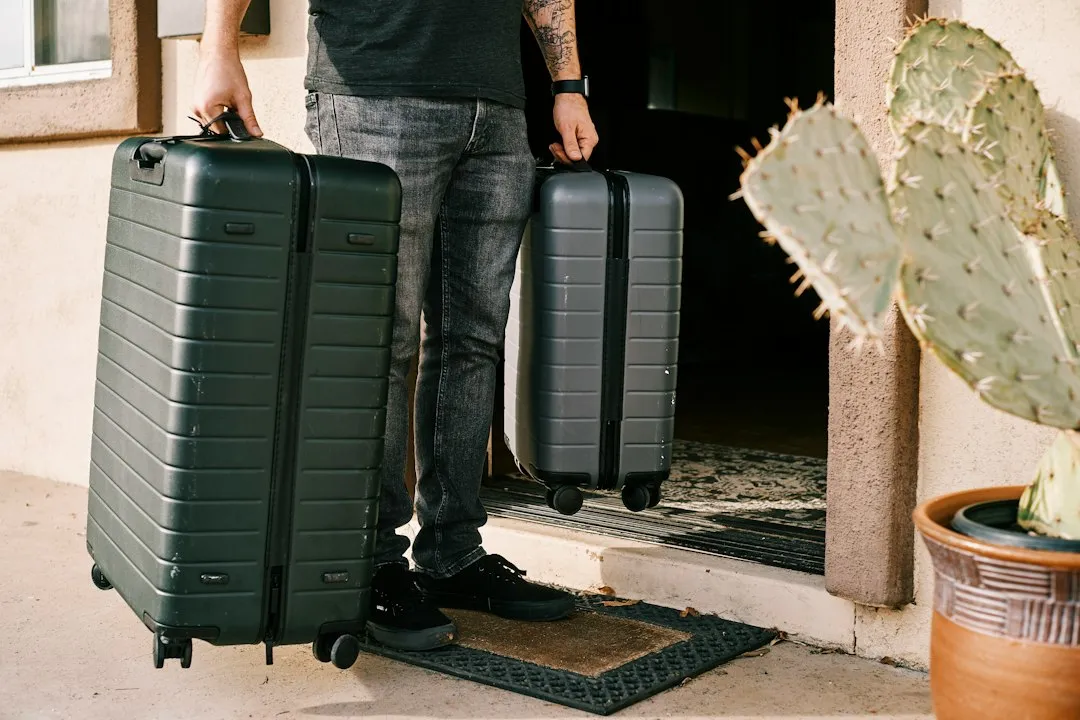
This is one of those tips that sounds obvious until you actually do it, and then you wonder why you never thought of it sooner. The core strategy is to wear the bulkiest clothes for travel to economize suitcase space. That means the winter coat, the thick sweater, and the heavier boots all go on your body instead of into your bag.
Wearing your bulkiest items on the plane means your suitcase benefits even if you look a bit dressed up for the airport. Use packing cubes to separate by climate – one cube for summer and one for winter, which makes unpacking and repacking much easier. It also means you’re not rooting through your bag at both ends of the journey trying to find the right weather-appropriate gear.
Use a Neutral, Cohesive Color Palette

Color coordination might feel like a style concern, but it’s actually a space-saving strategy. Stick to neutral colors that can be mixed and matched. This gives you more outfit options without overpacking. When every piece in your bag works with every other piece, you essentially multiply your outfit options without adding a single item.
Pack a capsule wardrobe of sorts. Neutrals only, with one allotted accent color. This gives you more leeway to mix and match without worrying if things will go together, because they always will. The result is that you can pull from both your warm-weather and cold-weather sections without creating jarring combinations.
Solve the Shoe Problem Early
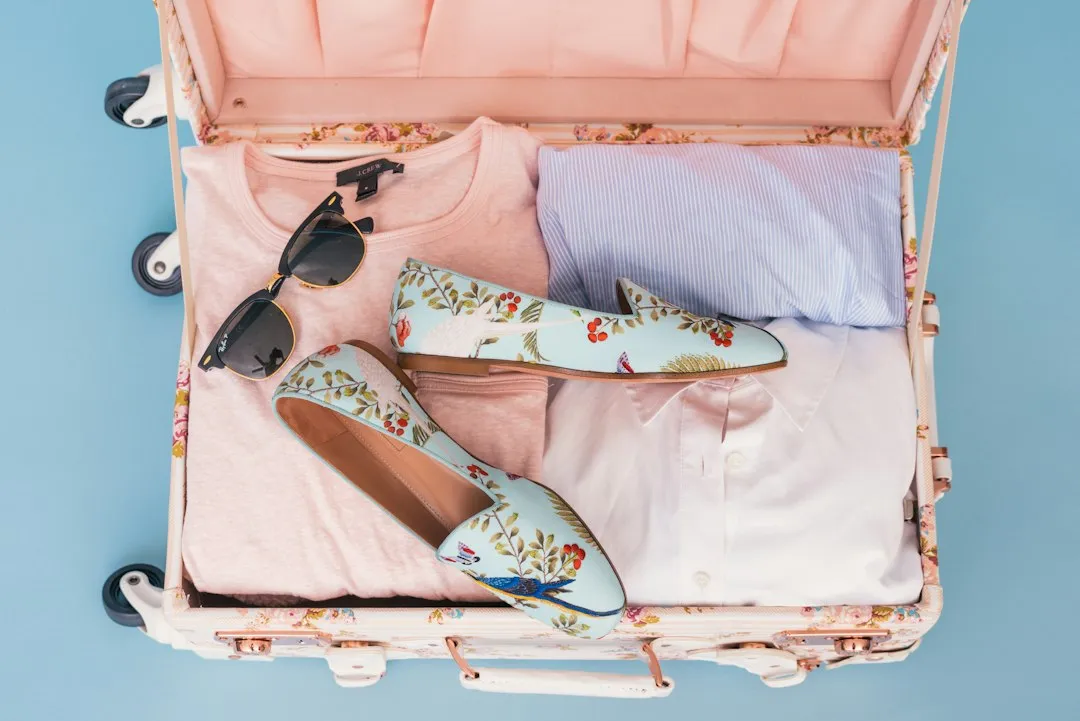
Footwear is where dual-climate packing gets genuinely difficult. Bar none, the most space-consuming object inside a typical packed bag is footwear. Two full sets of climate-appropriate shoes simply won’t fit in a standard carry-on alongside everything else you need.
Your best bet is to bring clothes and gear that pull double duty. Free up the bulk by committing to shoes that can effectively handle any situation, such as dressy-looking walking or hiking shoes that support and grip yet are preppy enough to work with slacks for casual evening wear. Limit yourself to two or three pairs maximum – something waterproof, something versatile, and sandals if the warm destination genuinely calls for them.
Pack Cubes and Compression Are Non-Negotiable
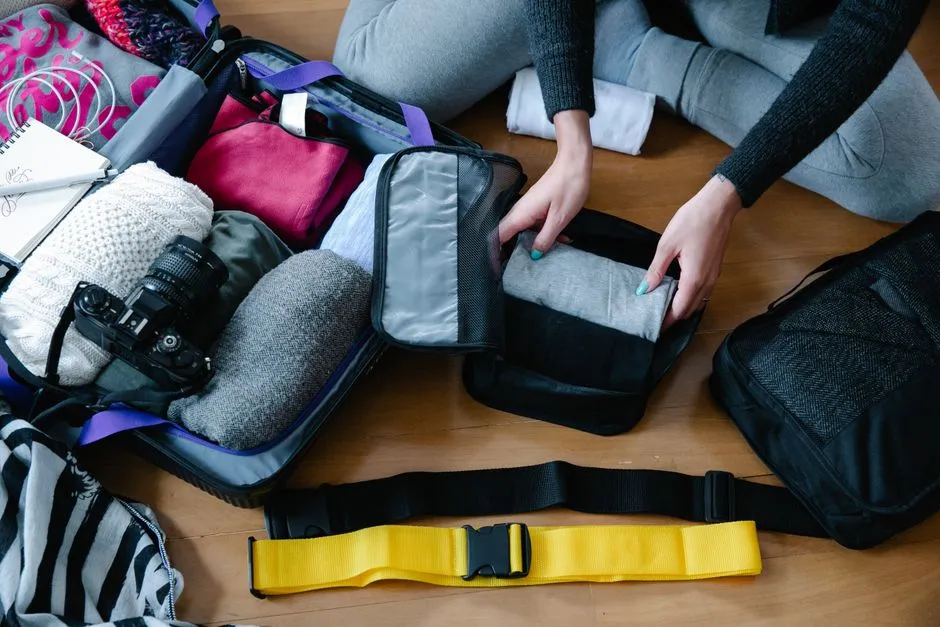
Packing cubes compress your clothes and maximize space in your suitcase. For a dual-climate trip, they also serve an organizational purpose that you’ll genuinely appreciate mid-trip. One cube for warm-weather pieces, one for cold-weather layers, and everything stays separated even when your bag gets turned upside down.
Use vacuum compression bags and packing cubes to organize and maximize space. The compression element is particularly valuable for mid-layers like fleeces and packable down jackets, which can take up a surprising amount of volume when left loose in the bag. Rolled tightly inside a compression cube, they shrink down to something manageable.
Plan to Do Laundry Mid-Trip
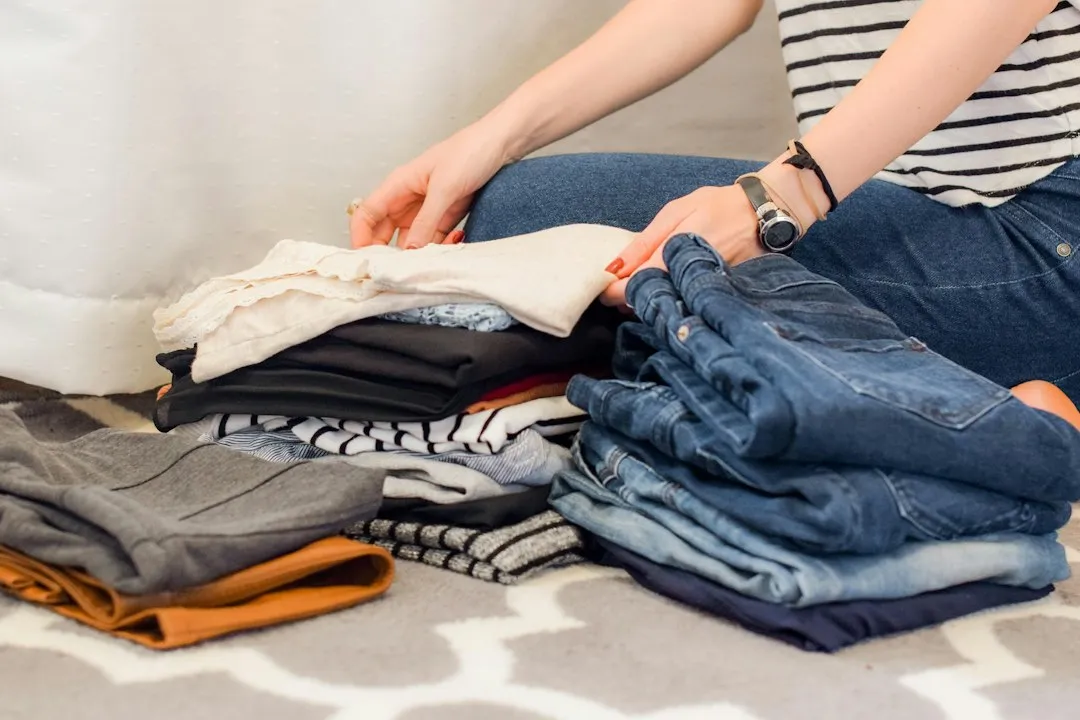
This one shift in thinking changes everything about dual-climate packing. Whether you use a hotel’s laundry service, plan a visit to a laundromat, or do quick laundry in the sink with detergent sheets, washing clothes mid-trip can help you limit the items you need to bring. Pack quick-drying fabrics such as merino wool or nylon, and wring out items in a dry towel before hanging them.
Doing laundry takes just one hour once a week. This is how you can travel with one bag and not need weeks’ worth of clothing. This simple approach is the key to traveling light. Once you accept that laundry is just part of the trip, the pressure to pack “enough” for every climate suddenly drops away.
Use a Structured Packing Formula to Stay Disciplined
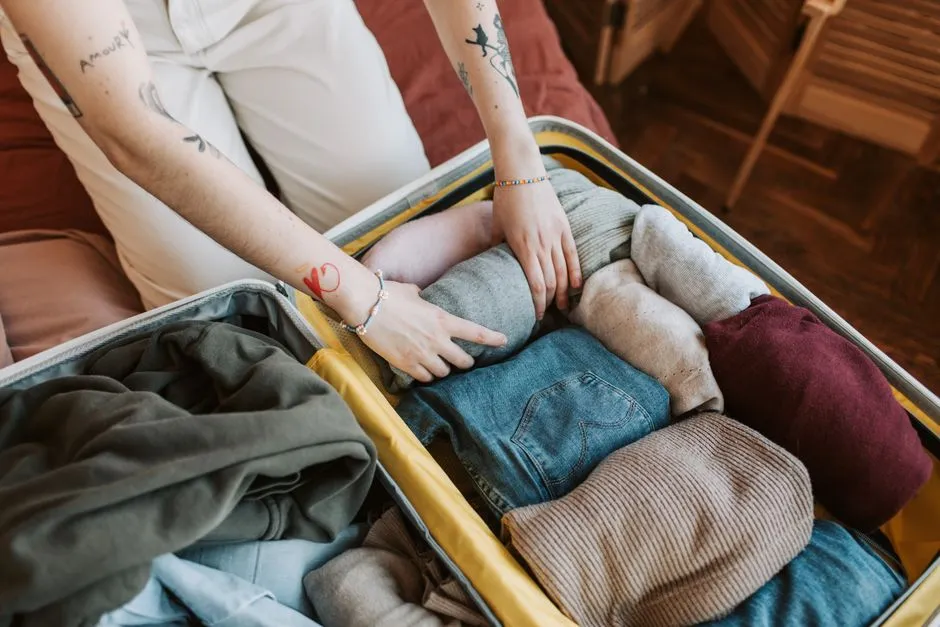
Having a concrete formula removes the guesswork and prevents the “just in case” additions that slowly inflate a bag beyond its limits. Try the “5-4-3-2-1” packing rule: five tops, four bottoms, three pairs of shoes, two dresses or layering pieces, and one of each accessory. This helps keep your packing balanced and prevents overpacking.
For a dual-climate trip, apply that formula across both temperature ranges combined rather than per destination. A practical checklist might include three to four moisture-wicking base layer shirts, two to three light fleeces or sweaters as mid-layers, one waterproof jacket and one packable down coat, and two to three pairs of convertible or versatile bottoms. The numbers feel tight until you actually start rolling things out and discover how much fits.
The Takeaway
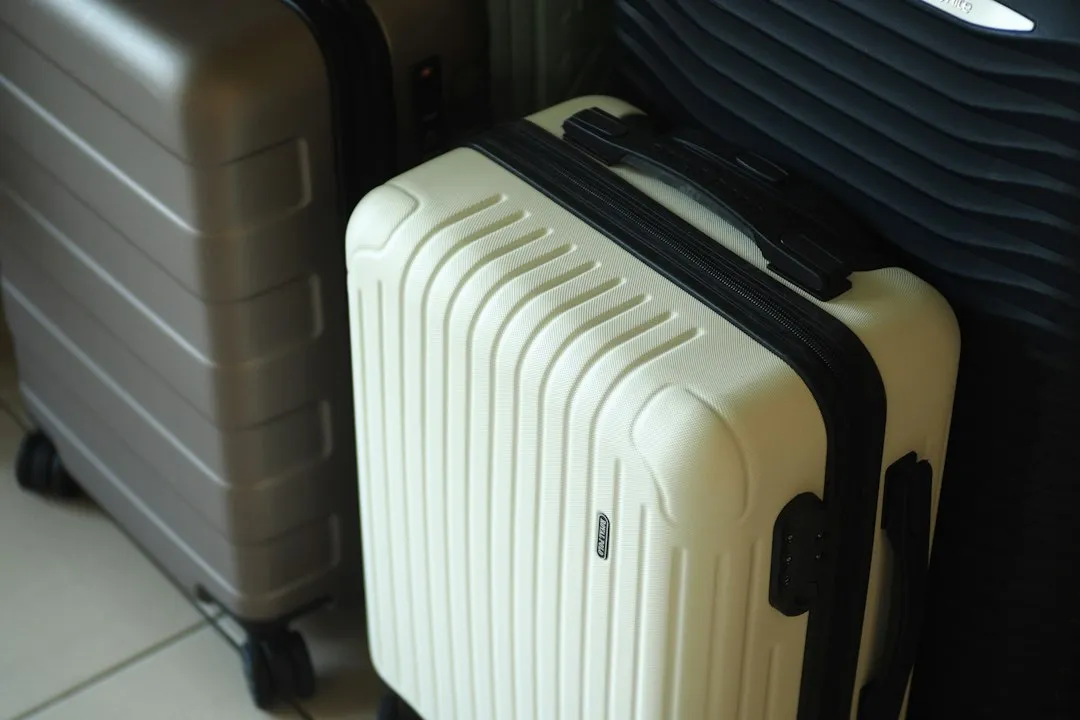
Packing for two opposite climates in one carry-on is less about clever tricks and more about committing to a different way of thinking about your wardrobe. Every item has to earn its place by serving at least two purposes. Fabric choices matter more than you might expect. In this age of bag fees and cramped planes, the goal whenever you pack is to include the fewest number of items possible and fit it all into a single carry-on. This task is especially challenging when packing for multiple climates. Your best bet is to bring clothes and gear that pull double duty.
The traveler who arrives light at both destinations isn’t packing less – they’re packing smarter. Once you do it successfully once, you genuinely won’t want to go back.
AI Disclaimer: This article was created with the assistance of AI tools and reviewed by a human editor.