
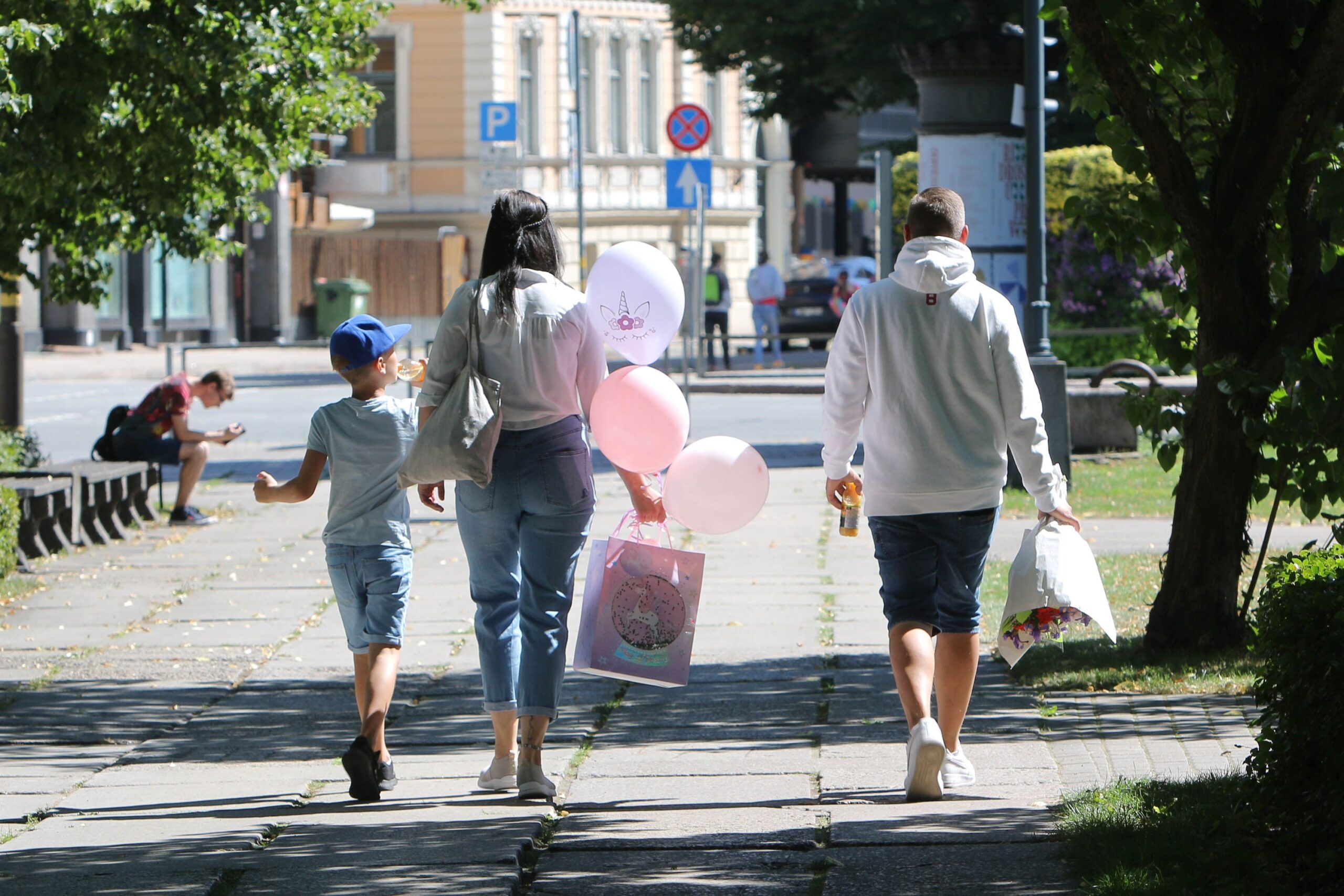

Large events have a way of swallowing people whole. One moment your group is walking together through a festival gate, and the next someone stops to look at a vendor stall and the crowd fills the gap between you in seconds. It happens faster than most parents expect.
The scale of modern gatherings makes this a real and pressing concern. In July 2024, a single religious gathering in Hathras, India drew roughly 250,000 people when the venue had permission for at most 80,000, illustrating how dramatically actual attendance can outpace planning. Knowing in advance exactly where your family will meet if separated isn’t just a nice idea. It’s genuinely protective.
Understand Why Crowds Separate Families So Easily

Children can vanish from sight in seconds, especially in crowded and unfamiliar settings, and large public gatherings create an environment where distractions are abundant and movement is constant. The natural flow of a crowd, people shifting for performances, queuing for food, or pushing through exit gates, creates constant micro-separations that compound quickly.
Children are naturally curious, and a performer in costume, a vendor giving away balloons, or the sound of music from another stage can quickly capture a child’s attention, with what might feel like just a few steps to them creating a gap of hundreds of feet within moments.
Caregivers are often juggling multiple responsibilities at events: managing tickets, buying food, checking phones, or tending to siblings. That divided attention is all it takes.
Choose a Meeting Spot Before You Leave Home

Establishing obvious meeting spots and a dedicated lost persons station on-site, and marking these clearly on maps and with signage, ensures everyone knows where to go if someone gets separated. The critical upgrade most families skip, though, is deciding on this spot before the event day even arrives.
Review the official event map online in the days before you attend. Look for structures that are visually distinctive, permanent, and not likely to be blocked by crowds, such as a main entrance fountain, a tall flagpole, or a permanent information booth. Vague meeting points like “by the food stalls” are nearly useless once thousands of people are in motion.
Let attendees know in advance where to go if someone gets lost, since festival programmes, emails, and social media updates before the event can include a reminder like, “If you get separated, head to the Family Reunion Tent near the main gate.” Apply the same principle to your own family group chat.
Pick Two Spots, Not One

One meeting point is good. Two is better. A secondary spot matters when your first choice is blocked, under construction, or simply too crowded to navigate safely. Think of it the way a navigator thinks of a backup route, something you hope you never need but are glad to have agreed on.
The primary spot should be close to the main activity zone, somewhere easy for a child to identify and reach without crossing multiple crowd streams. The secondary spot should be near an exit or a security station, a place that has staff presence and is easy for anyone arriving from outside the venue to find.
Walk both spots with younger children when you first arrive. A verbal description is far less effective than the actual physical experience of standing there and saying, “This is our spot.”
Use Technology as a Backup Layer, Not Your Only Plan
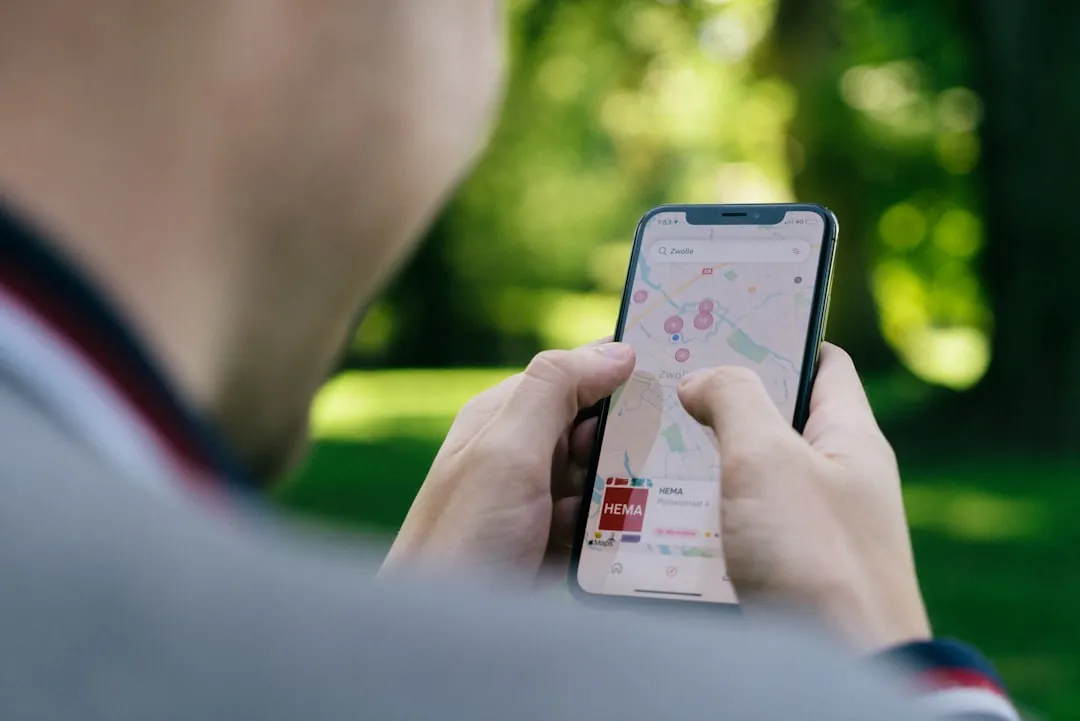
Family safety has taken on new dimensions in 2025, and location tracking apps have become powerful tools, doing much more than simply showing where family members are located, while offering peace of mind through real-time updates, safety alerts, and smart features that make coordination easier.
Life360 is widely considered the best overall location sharing app in 2026, offering real-time GPS tracking, customizable geofencing alerts, driving safety reports, crash detection, and cross-platform support for both iOS and Android. Google Maps location sharing remains the best free option for families who don’t want a dedicated app.
Modern tracking in 2026 goes beyond basic satellite pings, with apps now using sensor fusion that blends GPS data with a phone’s accelerometer and barometer to show not just street location but even which floor of a shopping mall someone is currently on. Still, technology requires battery life and signal, so it should always supplement a physical plan, never replace it.
Equip Children with More Than a Verbal Instruction
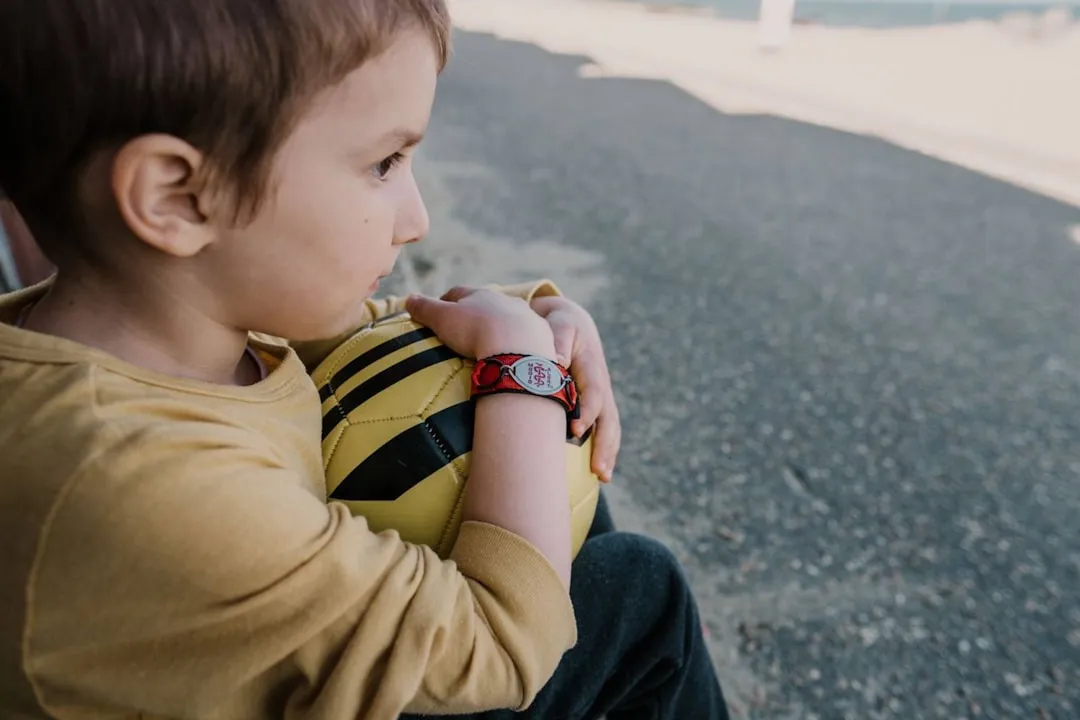
Wristband ID programs provide children and other vulnerable attendees with wristbands displaying a parent or guardian contact, and this simple step can reduce search time dramatically, as seen in festivals worldwide where thousands of kids are tagged and quickly reunited with family.
A wristband works when a phone doesn’t. Write a mobile number on the inside of the band in permanent marker as a backup to any printed text. For very young children, consider placing a simple laminated card in a zip pocket of their clothing with a parent’s name, number, and a short note directing staff to the family meeting point.
Older children benefit from knowing not just where to go but what to do when they get there. Run a brief, calm conversation before entering the event. Ask them to repeat the plan back to you. Repetition turns a piece of advice into a reflex.
Review the Official Event Safety Infrastructure

Amid music, food stalls, and performances, it’s surprisingly easy for a child or an elderly family member to get separated, and every experienced event organiser knows that having a solid plan to quickly reunite lost loved ones is not just a courtesy but a critical safety protocol.
Ensuring that staff and volunteers know the lost person protocol, and training a core team for child reunification with privacy-respecting scripts and compassionate tactics to calm children and parents, is a core element of well-run events. Before you attend, check the event’s website or app to find where their lost persons station is located.
Responsible events also place this information in pre-event emails and printed programmes. Signage at well-organised gatherings is multilingual when a diverse crowd is expected, and pictograms such as a parent-child icon can help transcend language barriers. If none of this information is clearly available, ask staff directly when you arrive.
Factor In the Needs of Every Generation in Your Group
A meeting plan built for a fit adult with a charged phone is not the same plan that works for a seven-year-old or a grandparent with limited mobility. Think through each person in your group specifically. Where would they naturally go if confused? How fast can they move through a crowd? Can they communicate clearly with a stranger?
Large cultural gatherings are often family affairs, bringing together multiple generations, and amid the activity, it’s surprisingly easy for a child or an elderly family member to get separated from their group. Assign a specific adult as the responsible contact for each child or elderly member, rather than assuming the whole group shares responsibility equally.
For older relatives, confirm that the meeting spot involves minimal steps or barriers and that it’s visible from a seated position if needed. A shaded bench near a permanent landmark beats a standing area in direct sun every time.
Communicate the Plan to Everyone in the Group
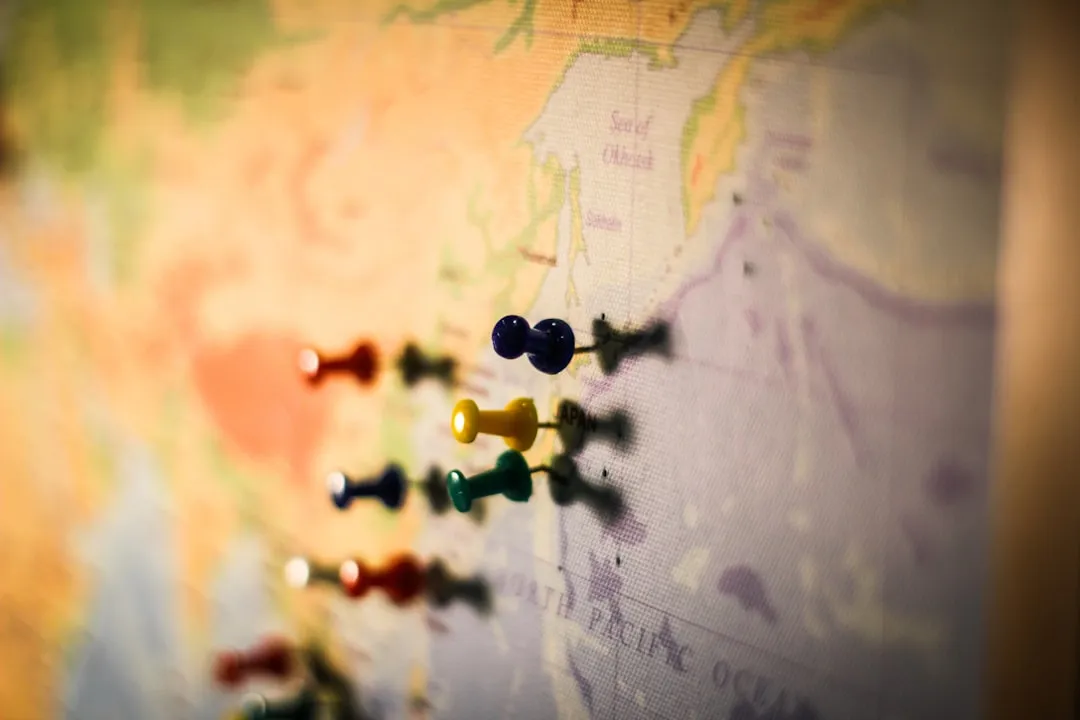
Knowing the plan yourself isn’t enough. A meeting spot only works if every person in the group knows it, which sounds obvious but is surprisingly often skipped in the rush of arrival. Take two minutes in the parking area or at the entrance before the group disperses.
Use a group messaging thread to share a screenshot of the venue map with the meeting spot marked clearly. Pin that message at the top of the thread. That way, if anyone’s memory fails them under stress, the information is one tap away without needing to send a new message and wait for a response.
For groups that include people who are less comfortable with smartphones, write the spot name and a one-line description on a small card. Physical information doesn’t need battery life or signal, and in a genuinely stressful moment, simplicity wins.
Know What Happens When the Plan Doesn’t Work

During the 2017 Las Vegas concert incident, over 22,000 people fled in all directions, and several community-based reunification centers were established immediately but were quickly overwhelmed by the volume. Real emergencies can render even well-designed plans difficult to execute, which is why your family should know how to reach official reunification support at any scale of event.
Teach children to identify a staff member, a security person, or a uniformed official as the first stop if they can’t reach the meeting point. Staff at well-run events are trained to help. When a festival’s reunification system works smoothly, panic is brief and families walk away with relief and gratitude. That outcome depends on children knowing to seek out help rather than continue searching alone in a crowd.
For older children with phones, agree on a single contact within the group who acts as the communication hub. Everyone messages that one person rather than flooding the group thread with overlapping messages that are hard to parse under stress.
Practice the Plan Before You Need It

Plans that exist only in conversation tend to fall apart under pressure. The solution is simply to rehearse, not in an alarming way, but as a matter-of-fact walkthrough that becomes part of your family’s event routine. Before entering any large venue, pause and say the plan out loud together.
With younger children, turning it into a brief game removes anxiety from the process. Ask them where they would go, what they would say to a staff member, and whose number they know by heart. If they can’t answer those questions confidently, that’s information worth having before you’re inside a crowd of thousands.
Recognizing risk factors helps families anticipate and put preventative measures in place before attending an event, and awareness is a form of preparation that reduces the chance of being caught off guard. Practiced plans become intuitive, and intuition is what actually guides people under stress.
The Real Value of a Good Plan
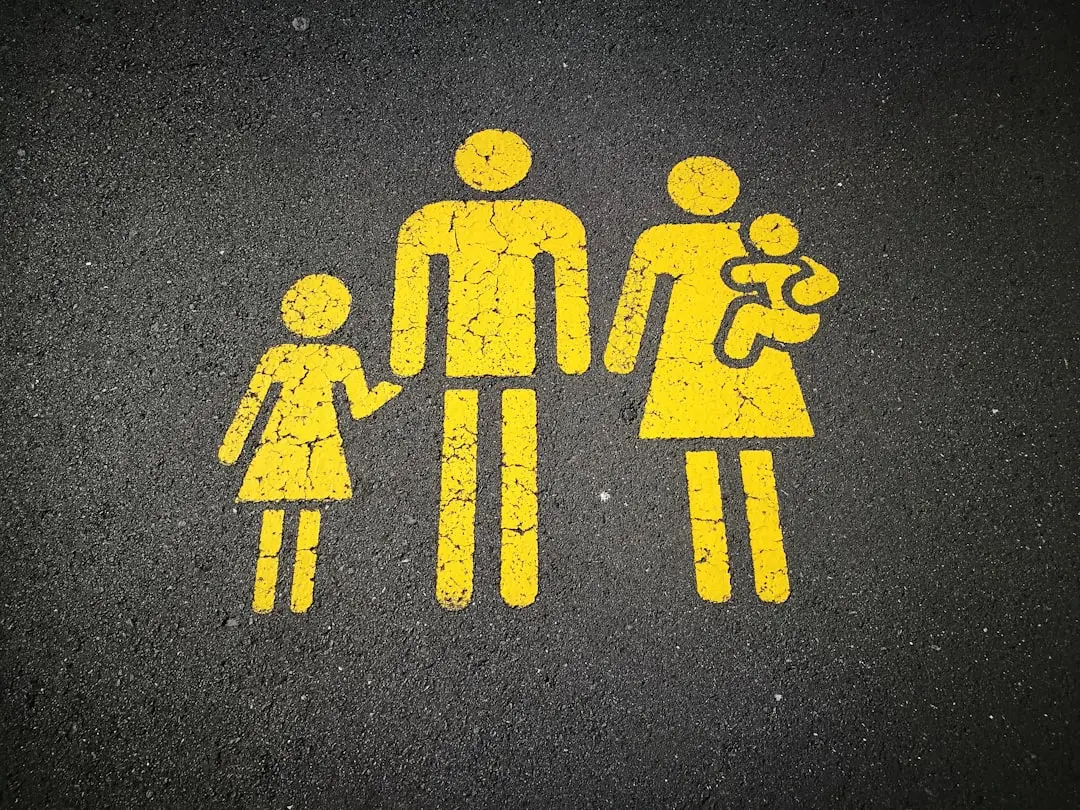
The families who handle crowd separations most effectively share one thing in common: they thought it through before it happened. The meeting spot they chose was specific, visible, and known to everyone. The technology was charged and set up in advance. The children knew what to do without needing to be reminded.
None of it requires expensive equipment or hours of preparation. Most of it takes less than ten minutes in a parking lot before a gate opens. That small investment of attention is, reliably, the difference between a minor inconvenience and a genuinely frightening experience.
Crowds will always have an element of unpredictability. Your family’s plan doesn’t need to control the crowd. It just needs to give every member of your group a clear, calm path back to each other.
AI Disclaimer: This article was created with the assistance of AI tools and reviewed by a human editor.