


There’s a particular kind of traveler who steps off a train or out of a taxi and somehow, within minutes, seems to already belong. They know which way to walk. They’re not staring at their phone at every corner. They find the good coffee before anyone else does. It’s not magic, and it’s not a special passport.
Reading a city like a local is mostly about paying close attention in the right places, and knowing which signals to trust first. Most of those signals present themselves in the very first hour, if you know what to look for.
Step Out and Just Walk Before You Do Anything Else

The single most effective thing you can do the moment you arrive is walk. Not toward a destination, just through the nearest streets. Walking really is one of the best ways to get to know a city, and the reason is simple: you move at the pace of real life instead of rushing past it in a cab or underground.
Walking or cycling through the city allows you to immerse yourself in the local vibe and discover unique spots that may go unnoticed by tourists. That first unplanned walk is where you pick up the textures of a place, what the shopfronts look like, how people dress, what language feels like on the street.
Walking is well known for its societal benefits, including promoting sustainability, health, and environmental well-being, and in recent years, urban planners have increased their focus on creating pedestrian-friendly zones. In most cities built with that philosophy, the best local life exists precisely in those pedestrian corridors.
Orient Yourself Using the City’s Natural Landmarks
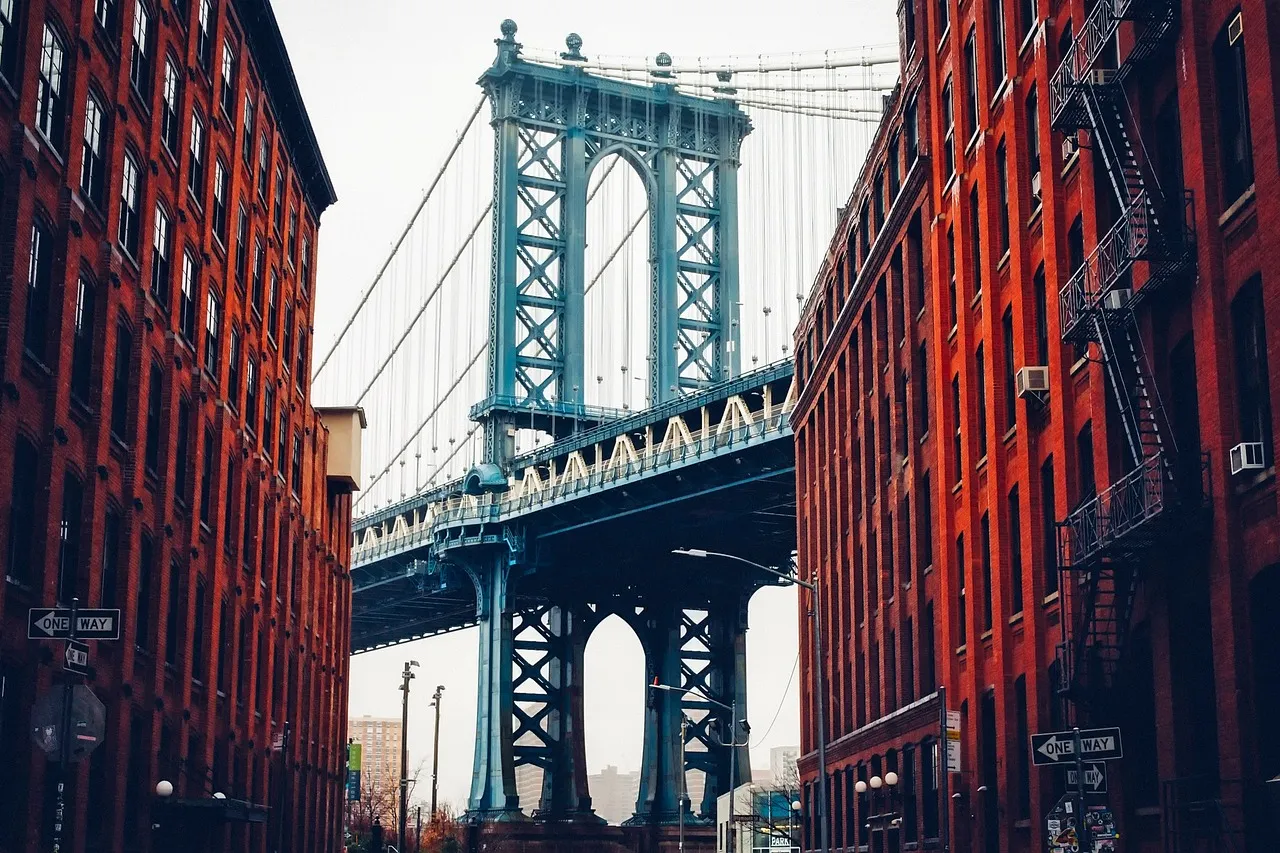
Every city has an organizing logic, and the fastest way to understand it is through its most permanent physical features. A river, a ridge, a cathedral tower, or a prominent hill can anchor your mental map far more reliably than any street name. Locals use these as unconscious reference points every day.
The 15-minute city concept, which has gained recognition in recent years, emphasizes proximity, aiming to keep daily amenities close to residents to reduce travel time and encourage walking and cycling as modes of transport. That means in cities designed this way, everything essential tends to cluster around a center you can usually see or feel within the first block.
Once you’ve spotted that anchor, even something as simple as knowing “the cathedral is always to my left” gives you a working compass that you can trust without touching your phone. It sounds old-fashioned. It works every time.
Ride the Public Transit for at Least One Stop
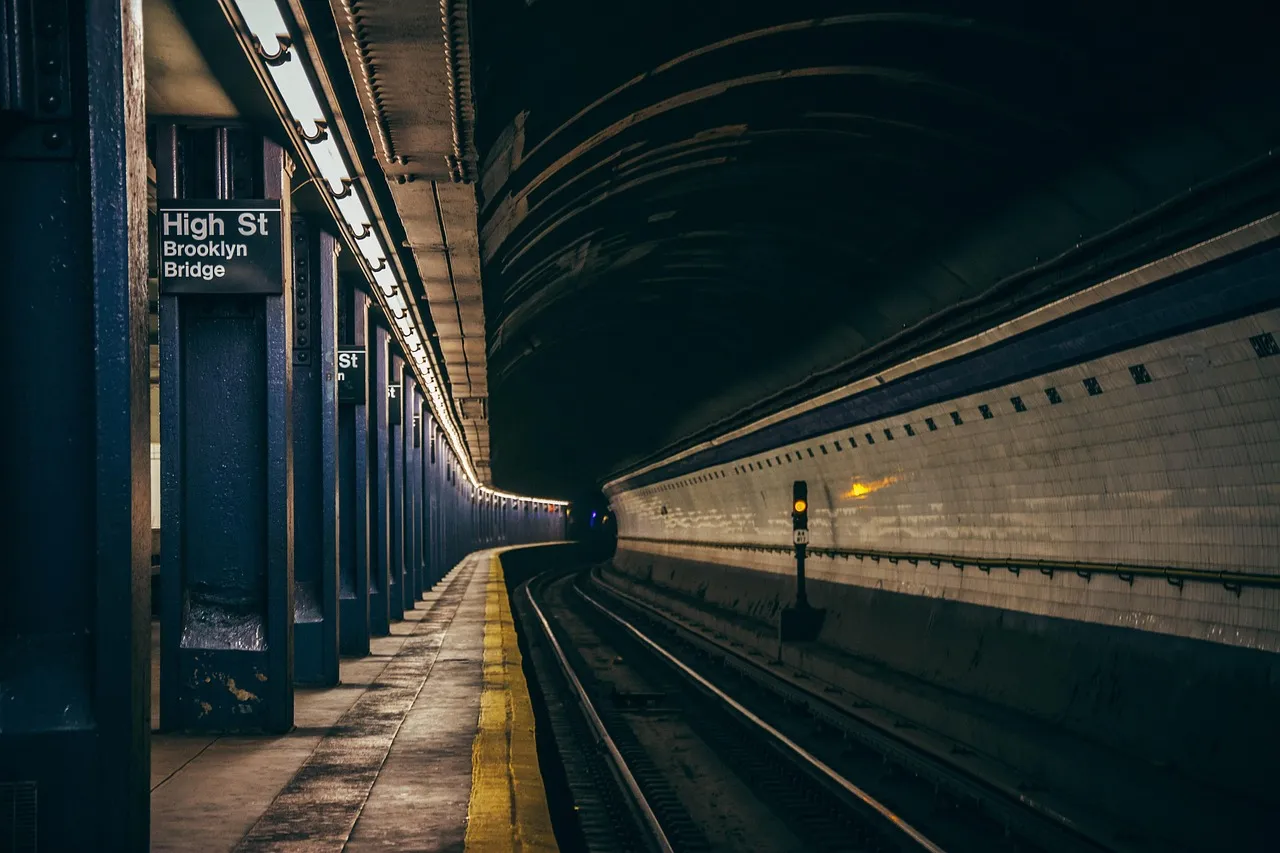
Using public transportation can give you a feel for how locals navigate the city and provide opportunities to engage with the community. You don’t need a full route planned. One bus or metro ride, even a short one, tells you an enormous amount about how the city moves, where commuters are coming from, and what the city values in its infrastructure.
Walking, public transit, and cycling networks all depend on each other to serve urban mobility needs, and an investment in one of these elements of sustainable transport will benefit the others. In well-connected cities, you’ll notice this integration immediately: transit stops sit near markets, parks, and gathering spaces, not just office buildings.
Though public transportation may take longer than other modes of transport, it’s a cost-effective and environmentally friendly way to explore a new city, and by familiarizing yourself with the routes and schedules, you can confidently navigate the city like a local. Even the map inside the carriage tells you which neighborhoods matter most to residents.
Find a Market or a Corner Shop, Not a Restaurant Chain

Markets are where a city reveals its real identity. The produce, the stall arrangement, the languages spoken between vendors and buyers, even the packaging of everyday goods, all of this is cultural information that a hotel lobby or tourist strip will never offer. Spend ten minutes in a local covered market and you’ll learn more than an hour on a guided tour.
The growing interest in unique and authentic food experiences as part of cultural exploration fuels enormous demand, as travelers seek opportunities to immerse themselves in local cuisines, with food-related activities such as food festivals, cooking classes, and visits to farms or vineyards becoming popular attractions. That appetite for the authentic is well-founded.
Hilton’s 2025 Trends Report notes that nearly one in five travelers will travel specifically to seek new restaurants or culinary experiences, and roughly three quarters of respondents in a travel-and-dining trends survey said they plan trips around a destination’s food and restaurant options. The local market is the unmediated version of all of that.
Watch Where Locals Actually Sit
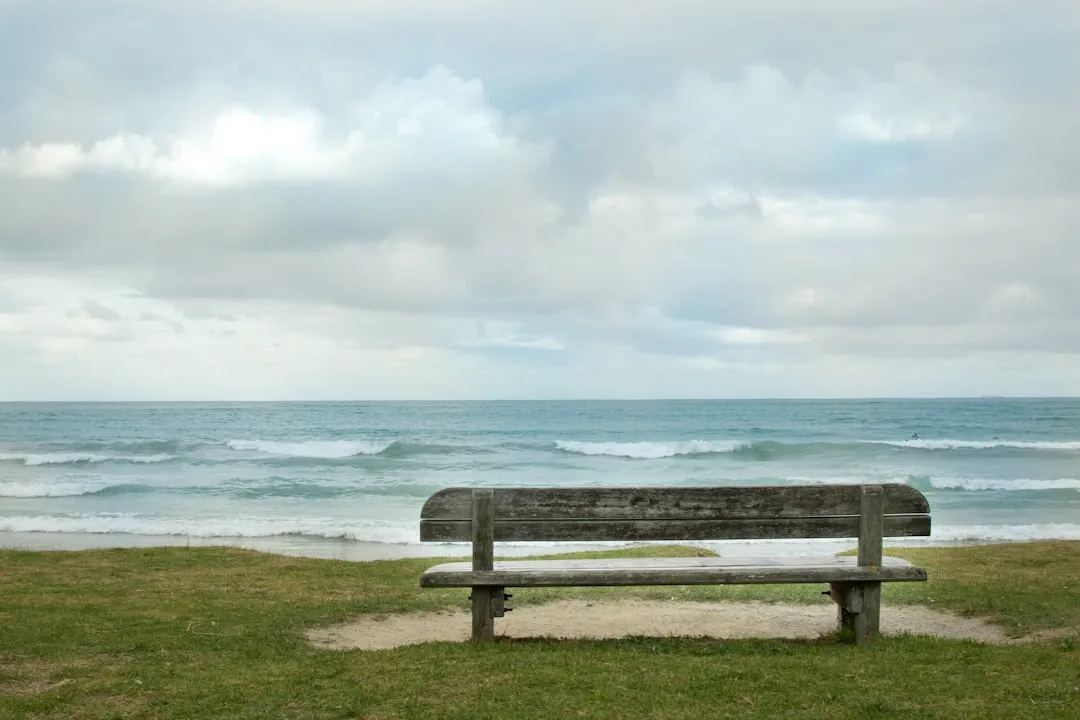
One of the most underrated ways to read a city fast is to observe where residents choose to stop and rest. Locals don’t sit where tourists sit. They sit where the light is good, where the breeze comes through, where there’s a reason to pause. That might be a low wall beside a fountain, a bench under a particular tree, or the edge of a plaza that catches the afternoon sun.
If you see a bench mostly empty even though nearby benches are full, there’s usually a local reason. Maybe there’s noise from a nearby shop, a shadow that never lifts, or simply a better spot ten meters away that regulars already know about. These micro-patterns speak to how a community actually inhabits its public space.
According to research from Get Your Guide and Wakefield Research, roughly nine in ten Americans say they want to experience life like locals do when traveling. Watching where people sit is one of the simplest ways to start doing exactly that, for free, without an app.
Read the Street Signage and Shop Names Carefully
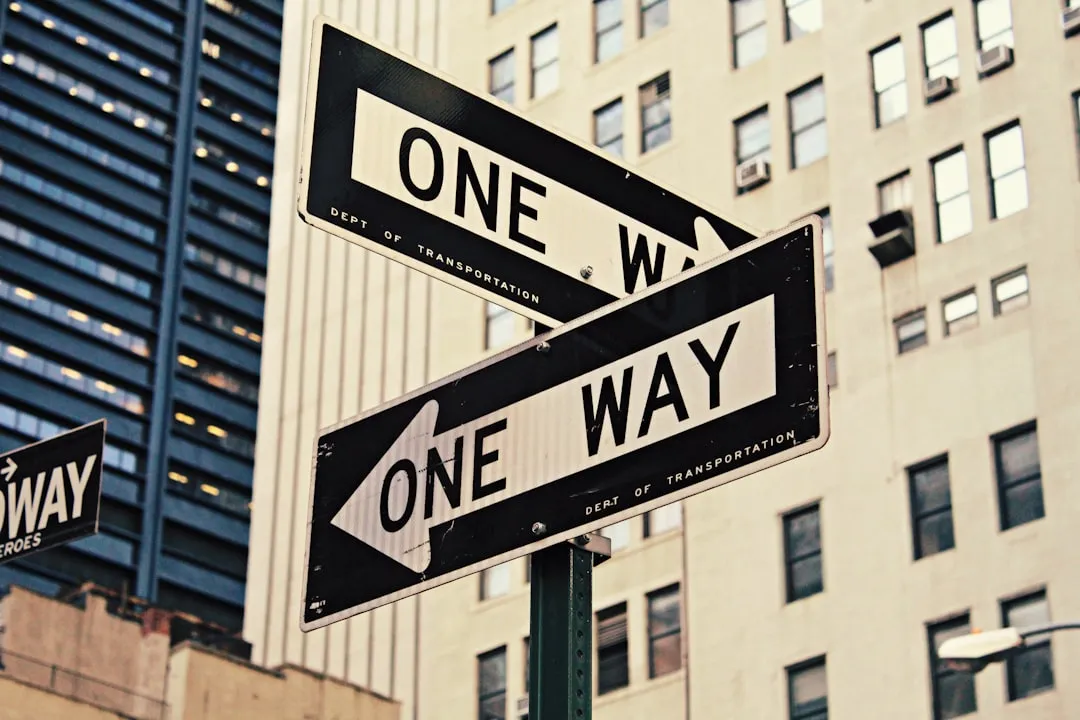
Language is a map. The script, the formality or informality of signs, the mix of languages on storefronts, the names of streets, all of these carry history and community identity that you can start to decode within the first few blocks. A street that shifts from formal Latin script to a second alphabet tells you a neighborhood boundary has just changed.
Shop names are particularly telling. A cluster of family surname businesses usually signals an established residential neighborhood. An abundance of stylized single-word branding often means recent gentrification. Neither is inherently better, but each tells you something true about where you are in the city’s social geography.
Pay close attention to handwritten signs as well. A handwritten menu in the window, a handwritten “closed Sundays” note, an informal board advertising a local service: these signal a working neighborhood where the city’s daily rhythms are still intact and commercial pressure hasn’t yet standardized everything.
Notice What Time It Is for the Locals, Not Just You
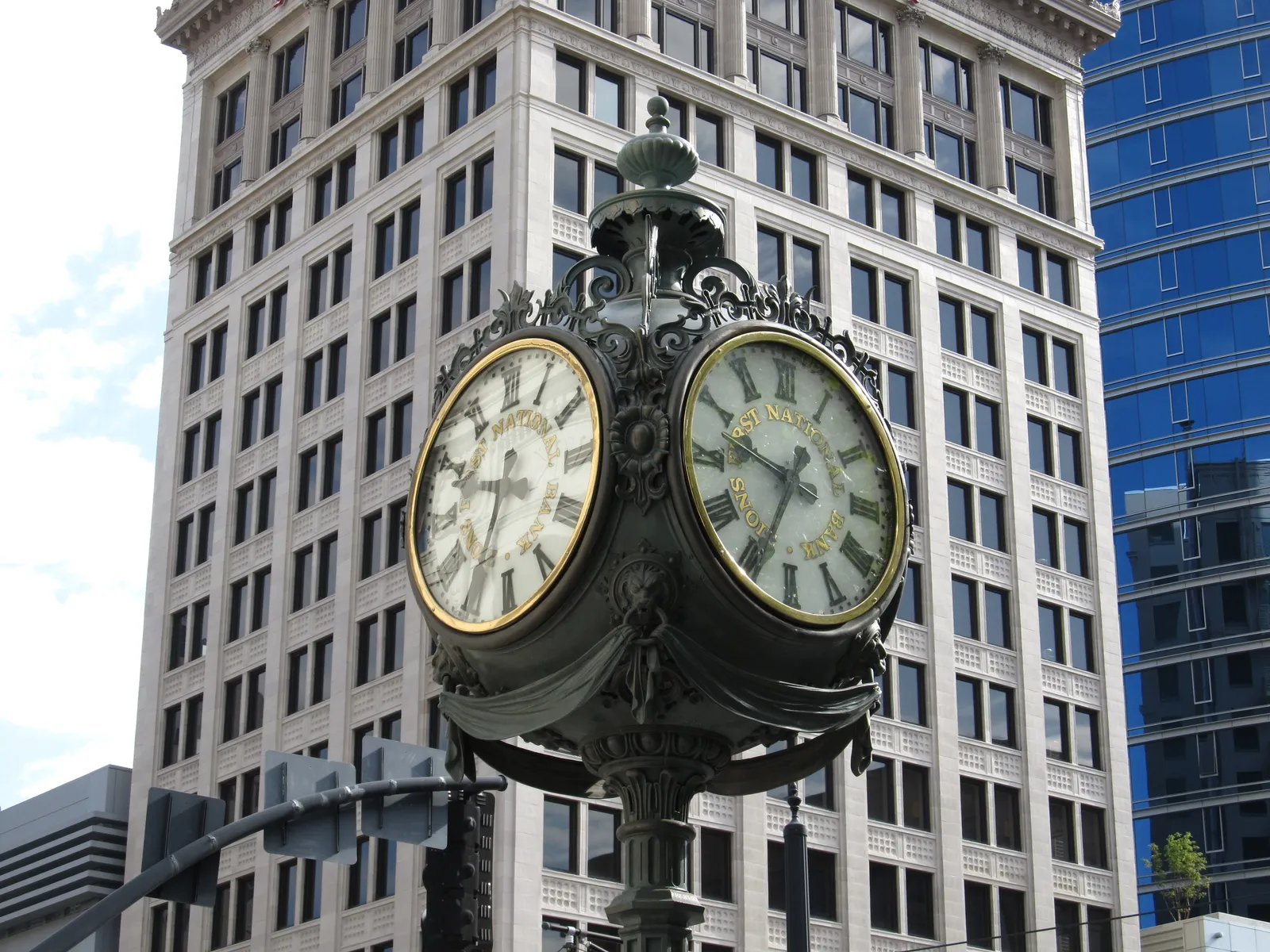
Every city has its own relationship with time, and arriving without awareness of this is one of the most common ways travelers misread a place. In many Spanish and Latin American cities, a main street that feels oddly quiet at noon is not emptied by misfortune; the city simply pauses there. In Tokyo, the pace of foot traffic at 7am on a weekday is itself a kind of social document.
What time are people eating? Are the cafés full at 8am or nearly empty? Are there families out at 10pm with small children, suggesting the dinner hour is late and the streets are safe for evening life? These rhythms are inseparable from culture and they will shape every interaction you have during your stay.
Authentic cultural experiences are becoming increasingly popular in travel, and by 2025, there are more opportunities to engage with local communities and traditions. Understanding a city’s daily time signature is one of the most genuine forms of that engagement, and it starts the moment you arrive.
Ask One Good Question to One Local Person

Not a complex question about attractions or opening hours. Something small, direct, and humble: where do you get coffee around here, is there a shortcut through this square, or what do people eat for breakfast in this city? The quality of local knowledge you get from one honest question to one willing stranger will exceed hours of app-scrolling.
Gen X travelers are the most independent travelers, preferring to explore a new city on their own, rather than using an app, tour, or guidebook. That instinct is well-founded. Real local knowledge tends to come from people, not platforms, and a small conversation opens the door to specificity no algorithm can replicate.
The exchange also shifts your posture from tourist to visitor in a more respectful sense. You’re signaling interest in a place on its own terms, not just consuming it. Most people respond warmly to genuine curiosity, and that single exchange can shape the entire tone of your trip.
Look at the Architecture Without Photographing It Immediately
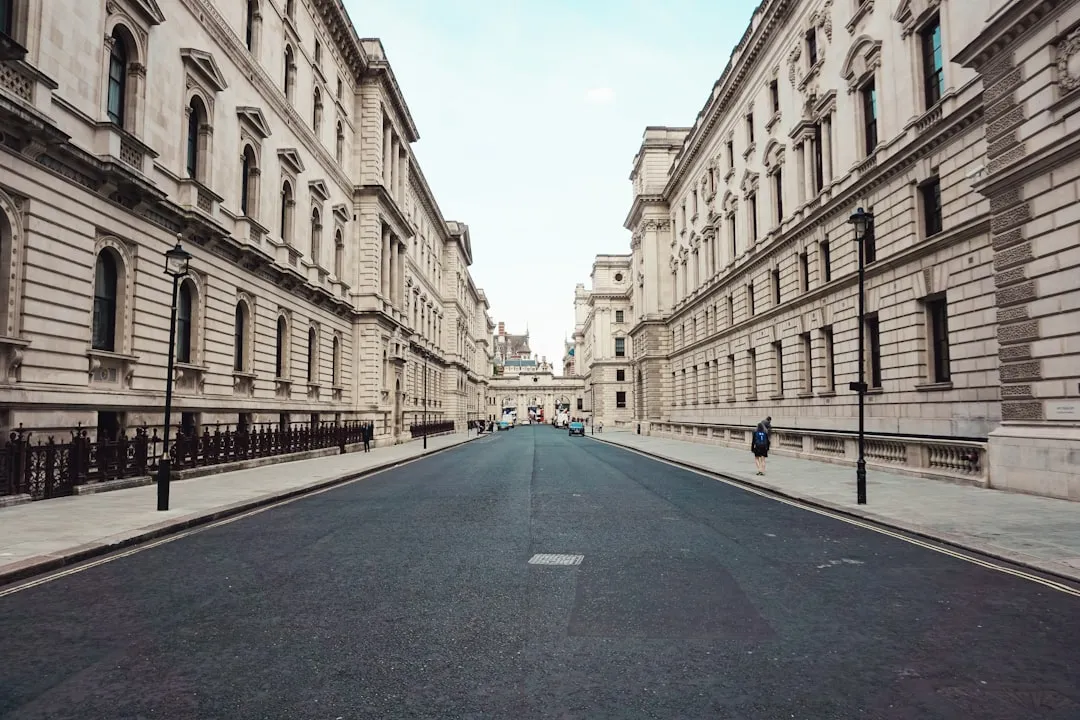
There’s real value in putting the phone away for the first ten minutes and just looking at the built environment around you. What period of history shaped the majority of what you can see? Is there evidence of recent construction sitting alongside older layers? Does the city feel continuous with its own past, or interrupted by it? These questions don’t require an architecture degree to ask or begin to answer.
About roughly two in five of all tourism worldwide now focuses on cultural and historical travel. That is a significant share, and it reflects something real: buildings are primary documents of a city’s values, conflicts, economic history, and civic ambitions. You can read quite a lot simply by looking at what was preserved, what was demolished, and what was built in its place.
Facades at eye level are especially informative. Look at the doorways, the balconies where they exist, the window proportions. Then look up: rooflines and upper stories are often far less modified than the street level and tend to preserve the original character of a block more faithfully.
Resist the Urge to Plan Everything After That First Hour
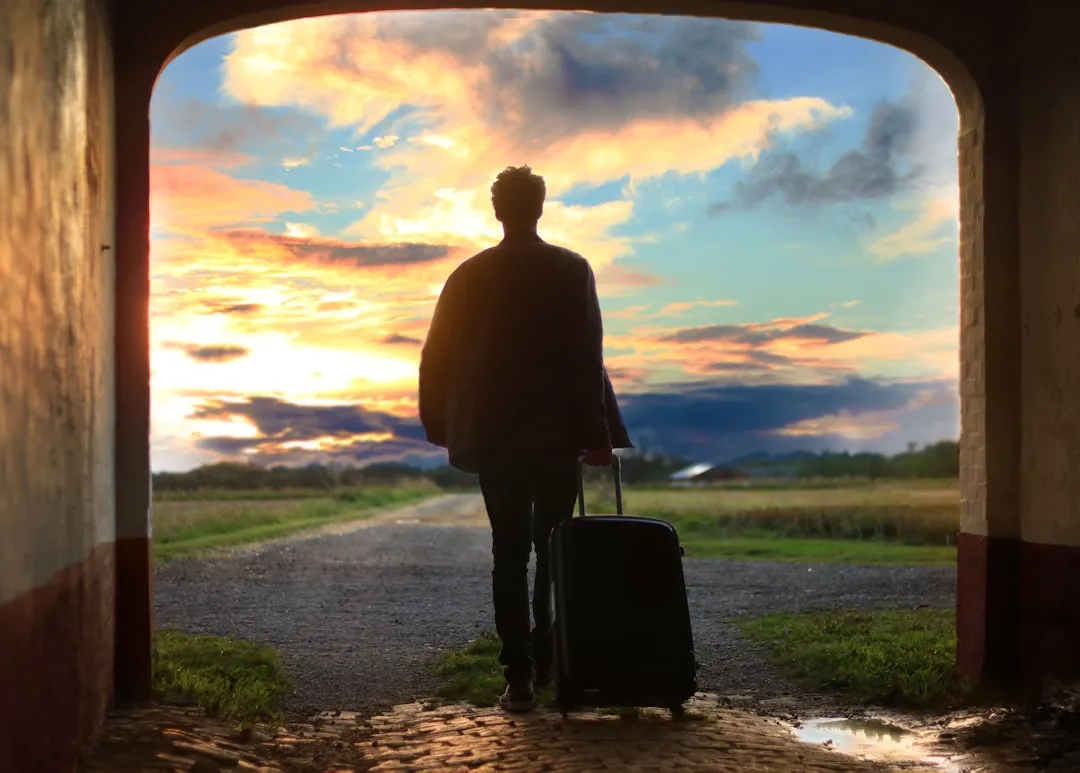
The whole point of reading a city is to stay responsive to what it actually is, rather than what your itinerary says it should be. Travelers who aim for quieter, more relaxing locations tend to find less expensive and more authentic trips, according to experts. That same principle applies within a city: the less rigidly you schedule, the more you tend to find.
According to ToursByLocals research, roughly one in five travelers prefer no plan at all, deciding on the spot what to do next, while about a third plan only one activity a day and leave room for spontaneity. That balance, one anchor activity with breathing room around it, tends to produce the most satisfying city experiences.
The first hour is genuinely the most information-rich of any trip. It’s when your senses are freshest and the city is most surprising. Use it to observe, not to tick off a checklist. Every walk, market stop, transit ride, and honest question in that first hour compounds into a working understanding of a place that no guidebook can give you.
The Takeaway
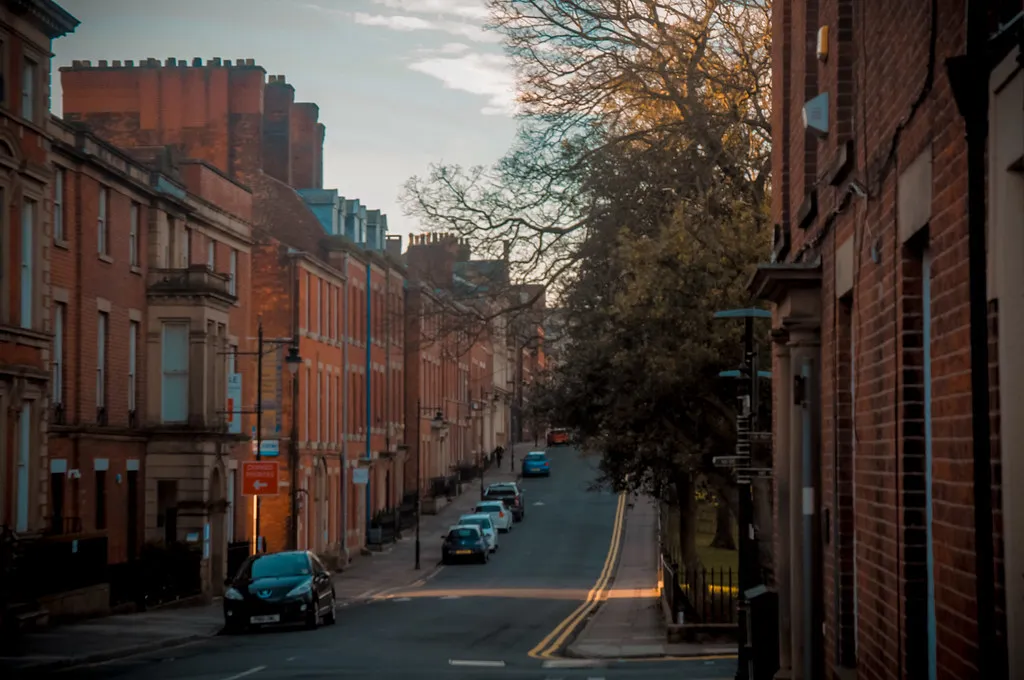
Reading a new city like a local isn’t a skill that requires experience or a specific kind of intelligence. It requires attention, a willingness to slow down, and some genuine curiosity about how other people live. The city is always communicating: through its streets, its schedules, its food stalls, its architecture, and the faces of the people who call it home.
You don’t need to decode all of it in sixty minutes. You just need to start listening in the right way, and the rest tends to follow naturally as the hours and days unfold. The traveler who arrives with that openness rarely feels like a stranger for long.
AI Disclaimer: This article was created with the assistance of AI tools and reviewed by a human editor.