


Paris has a reputation for being expensive. That reputation isn’t entirely undeserved, but it also isn’t the whole story. With a bit of planning and an honest look at what the city actually costs, a full week there, bed included, is genuinely achievable for under $1,200.
In 2026, a typical tourist spends between roughly €95 and €265 per day depending on travel style, with budget travelers managing on the lower end of that range. Lean into that lower end consistently, and the math starts working in your favor. Here’s how to make it happen.
Set a Realistic Daily Budget First
For budget travelers in Paris, planning for around $115 per day should cover essentials such as accommodations in hostels and budget hotels, affordable meal options, local transportation, and engaging in various activities. Over seven days, that puts you right at the $800 mark, leaving a solid cushion for flights, airport transfers, and the occasional splurge.
Accommodation is usually in hostels or basic hotels in the €30 to €60 range, local meals cost €30 to €40, and transport adds another €4 to €5 per day. Stick close to those numbers and the $1,200 ceiling becomes a realistic target, not an optimistic fantasy.
Choose the Right Neighborhood to Stay In
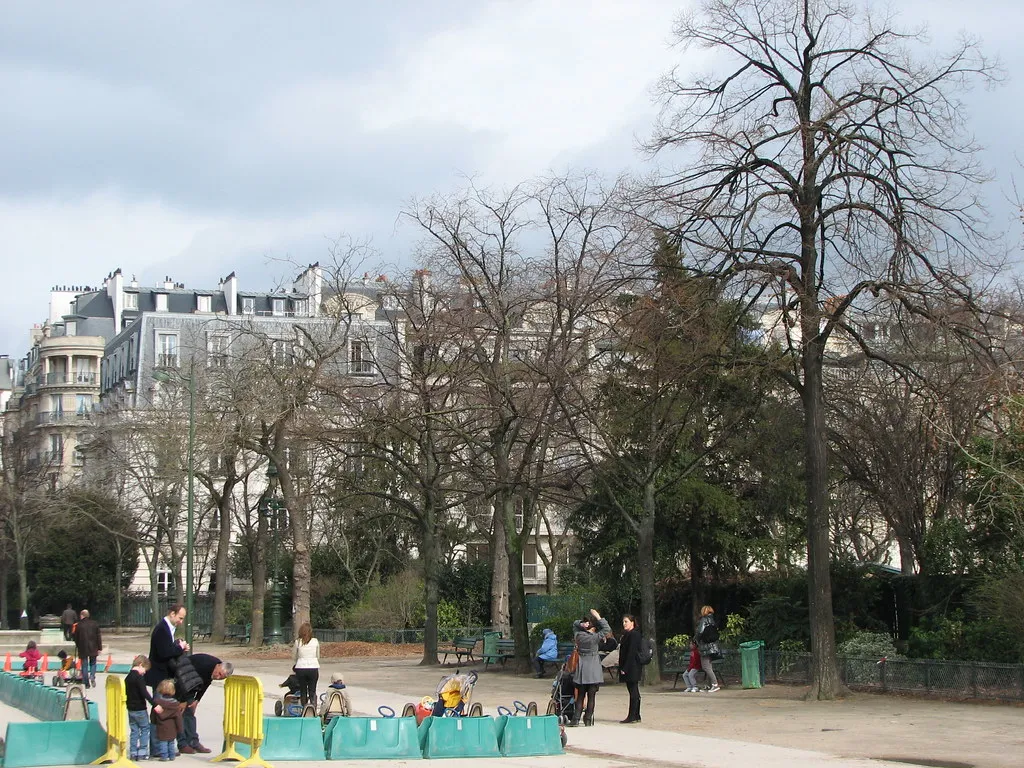
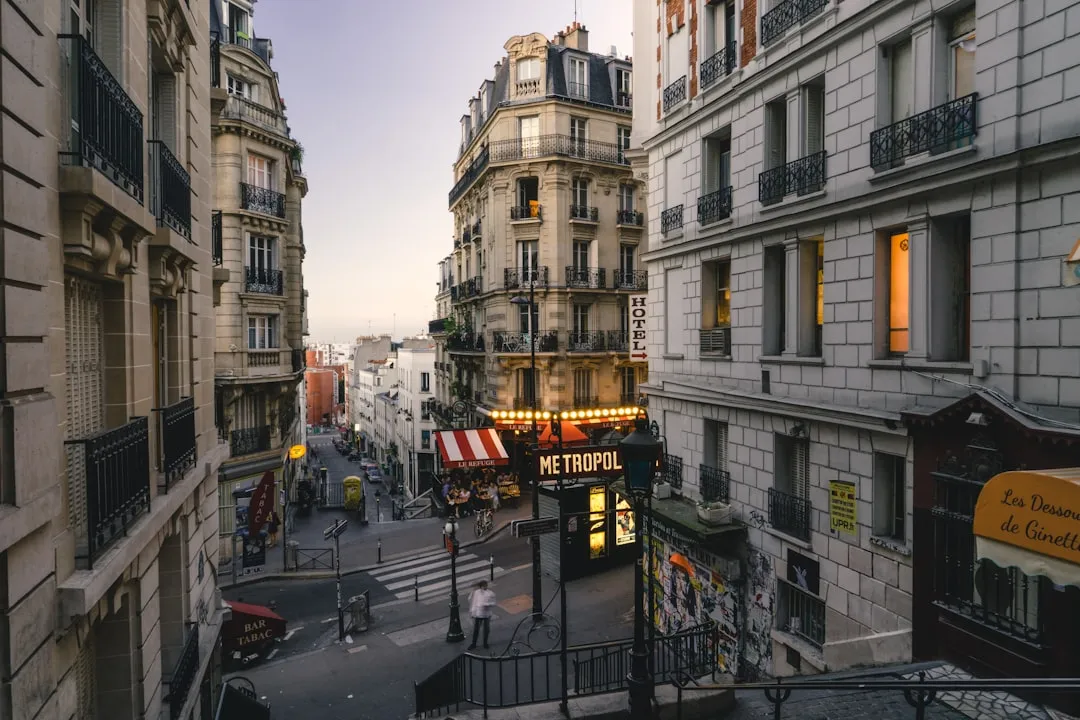
Key neighborhoods like Montmartre, Le Marais, and Canal Saint-Martin are popular for their proximity to attractions and affordability. These areas put you within walking distance of many sights, which quietly reduces your transport spending throughout the week.
Central neighborhoods such as Saint-Germain-des-Prés or areas near the Eiffel Tower tend to be more expensive, while districts slightly outside the historic center often provide better value while still being well connected by metro. Districts 10, 11, 12, 14, and 15 offer more affordable hotels. Prioritize walkability and metro access over prestige address.
Book a Hostel to Keep Accommodation Costs Low
Paris offers a wide range of budget-friendly hostels, with prices starting as low as $13.32 per night for dorms and up to $68.20 for private rooms in central locations. Even taking a modest private room at the higher end of that range, seven nights would cost under $480, leaving roughly $720 for everything else.
All the well-reviewed budget hostels generally offer WiFi included and a bed in a dorm room for between €21 and €35 per night. Recommended budget hostels include The People Paris Marais, The People Paris Belleville, and Mije Marais Hostel, all known for their good value, social atmosphere, and central locations. Several also include free breakfast, which trims your daily food spend immediately.
Master the Metro With a Weekly Pass
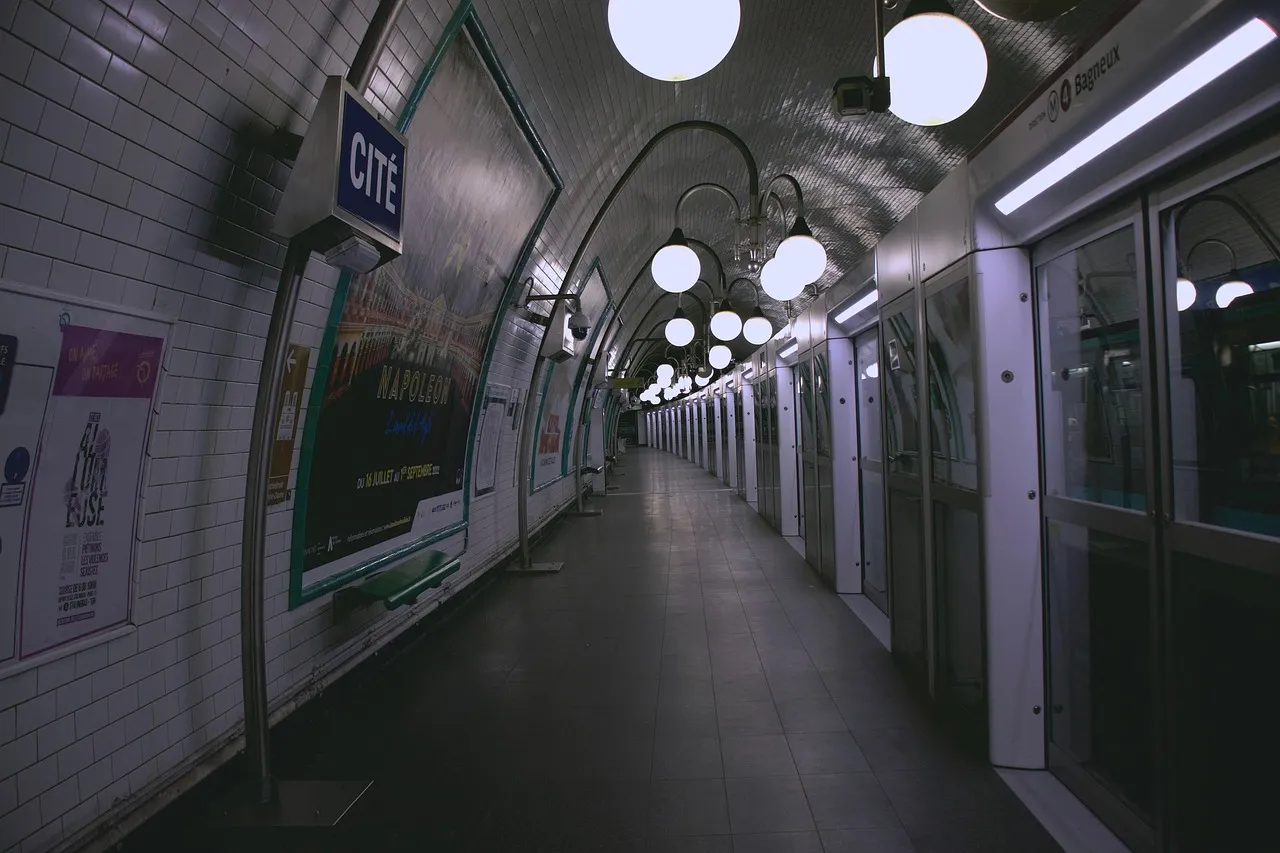
The best deal for visitors is often the Navigo Weekly Pass, which offers unlimited travel on Metro, buses, trams, and RER within Paris from Monday through Sunday. The weekly pass costs about €30, specifically €30.75 in 2025 for all zones. That’s roughly $33 for a full week of unlimited city transit, a remarkable deal for a city this size.
One of the best surprises about Paris is that getting around is relatively cheap. The city’s public transportation is extensive, reliable, and budget-friendly, a great advantage for travelers. Combine the Navigo pass with a neighborhood that’s walkable to major sights, and you’ll rarely feel the need for anything else.
Eat Like a Parisian, Not Like a Tourist

The key to eating cheaply in Paris is to move away from tourist-heavy areas and explore local neighborhoods, markets, and authentic boulangeries. A fresh croissant or pain au chocolat is one of the cheapest joys in Paris, and most boulangeries sell these flaky treats for under €2. Breakfast costs almost nothing if you do it right.
Many restaurants offer the “formule de midi,” a set lunch menu that includes a starter, main course, and sometimes dessert or a drink for a fixed, lower price than dinner. Head to any neighborhood boulangerie and you’ll find crusty baguettes filled with ham and butter, chicken and veggies, or melty cheese. They’re cheap, fresh, and perfect for a picnic in the park.
Discover the Bouillon Revival
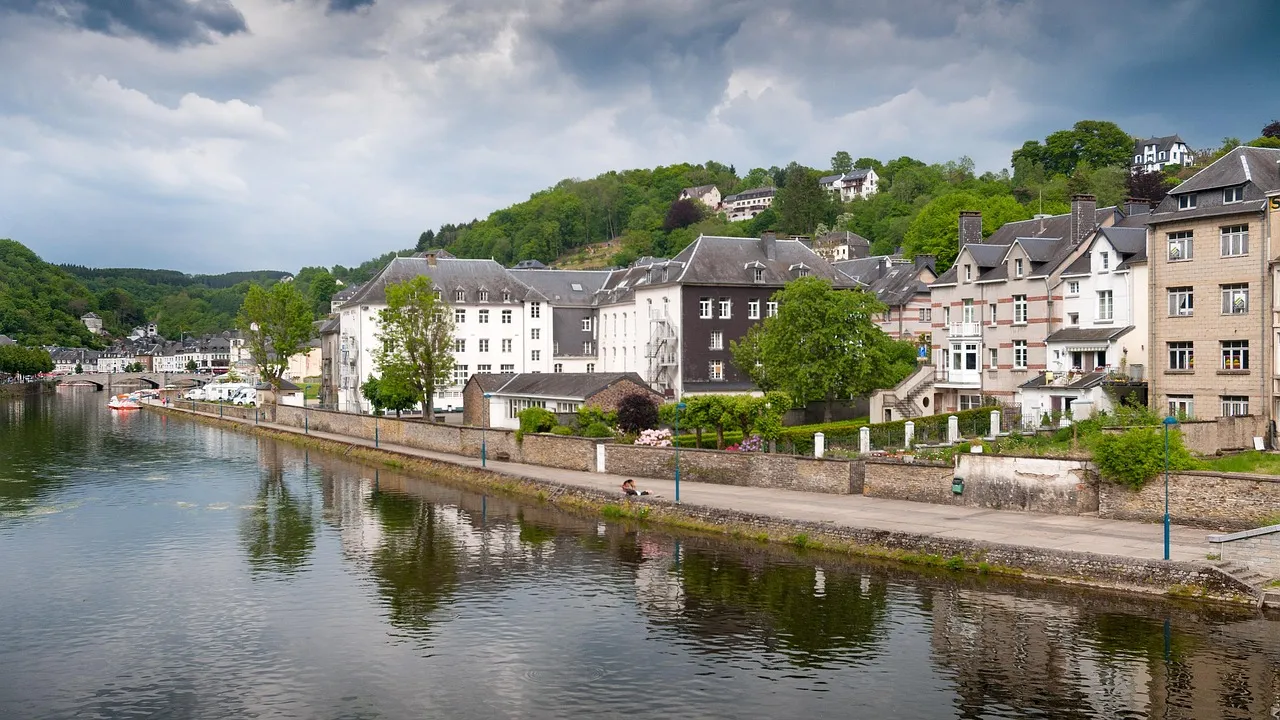
Bouillons are traditional French restaurants that serve hearty, classic French meals at very low prices in large, historic dining rooms. They were popular in the 19th century and have recently experienced a revival, offering a beautiful setting and great service at astonishingly low prices for Paris. Places like Bouillon Chartier, Bouillon Pigalle, and Bouillon Racine regularly appear on budget traveler radar for good reason.
Food is where Paris shines, and eating well doesn’t require Michelin-star budgets. A fresh baguette costs a euro. Croissants run about $1.50. Budget eaters spending $30 to $40 daily enjoy bakery breakfasts, market picnics, and casual bistro dinners. That’s entirely achievable with a little intentionality.
Time Your Museum Visits to Get In for Free
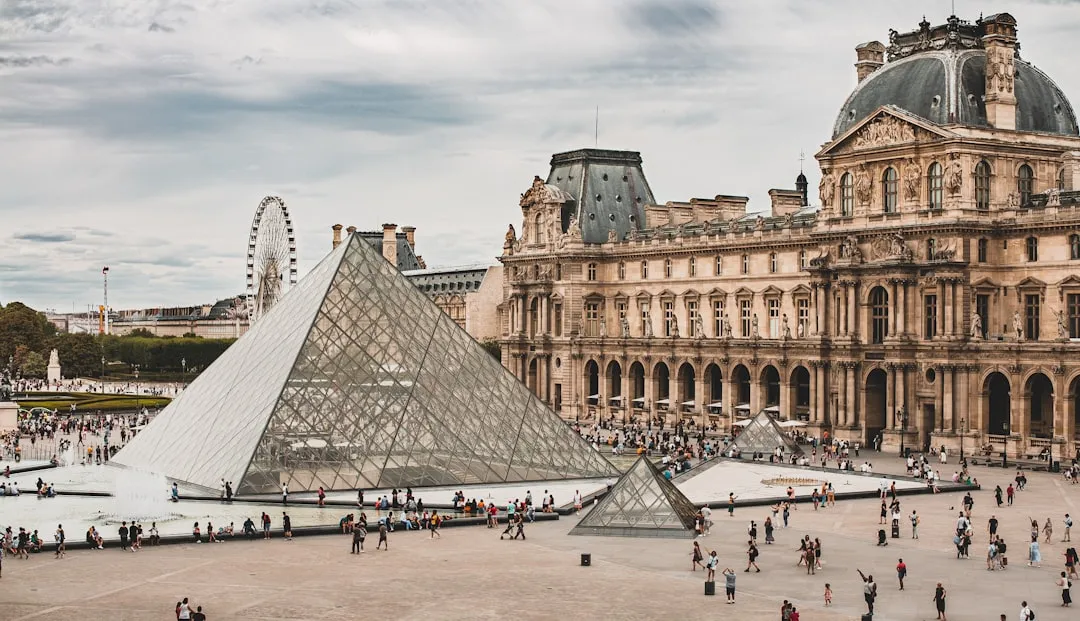
Paris museums offer free admission on the first Sundays of each month, providing access to world-class collections without cost. The most famous free offer is the first-Sunday-of-the-month entry policy, and many national museums participate in this program throughout 2026, including the Musée d’Orsay, which is famous for its beautiful Impressionist art collection.
Art lovers should visit the Musée d’Art Moderne de la Ville de Paris, where the permanent collection is free and features works by Picasso, Matisse, and other masters. It is situated in the Palais de Tokyo building with views of the Eiffel Tower. The Maison de Victor Hugo is a free site located in the Place des Vosges, the former home of the famous author who wrote Les Misérables, where you can explore the rooms where he lived and see many of his personal drawings.
Enjoy Free Outdoor Paris
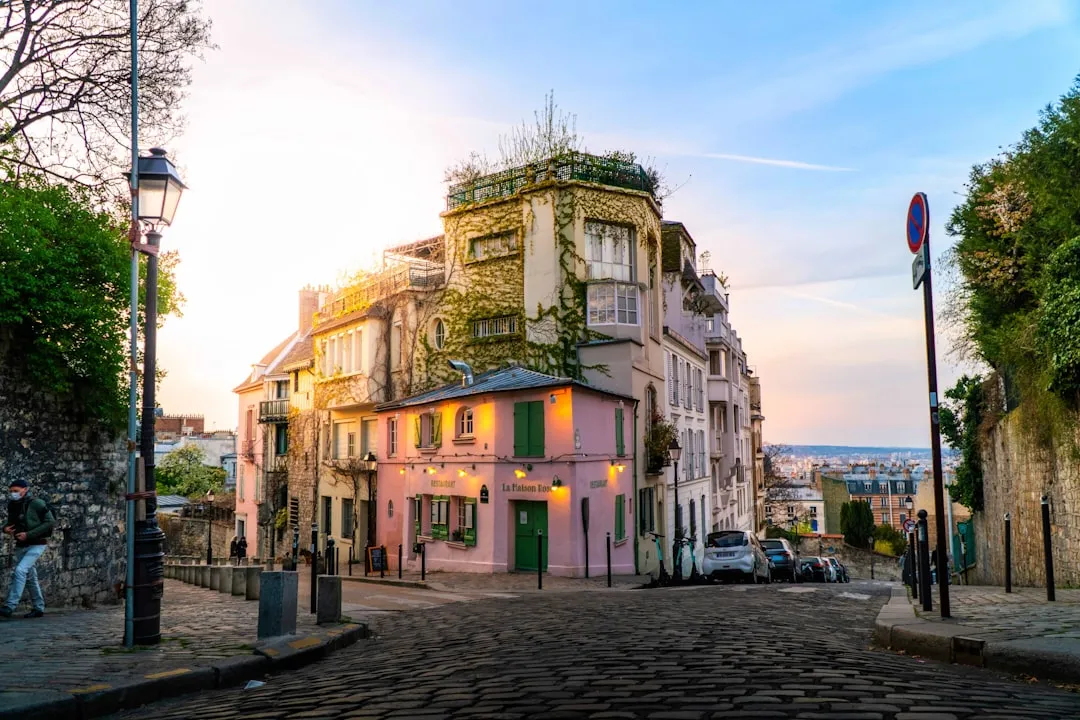
Notre-Dame Cathedral exterior, Sacré-Cœur Basilica interior, and major monuments remain free to visit in 2026, and seven public parks and gardens provide free relaxation spaces across Paris neighborhoods. Walking through Montmartre at golden hour or along the Canal Saint-Martin on a weekday afternoon costs absolutely nothing and delivers some of the most memorable Paris moments.
What makes Paris special is what that money buys you: world-class museums, many of which go free on the first Sunday of each month, iconic architecture you can admire for nothing from the street, some of the best food in the world at every price point, and a metro system that covers the entire city for €2.55 a ride. The city rewards walkers more generously than almost any other capital in Europe.
Travel in the Right Season to Save on Accommodation

Paris is busy year-round, but hotel prices tend to increase during summer and major events such as Fashion Week and large international conferences. Travelers often find better hotel deals during winter and late autumn, when tourism slows slightly. Planning trips for January or other off-peak months often yields the lowest rates.
Choosing shoulder-season travel, specifically April through May or September through October, allows you to avoid peak pricing. The weather is mild, crowds are more manageable, and your accommodation euro stretches noticeably further than in July. It’s one of the most effective levers you can pull without changing your itinerary at all.
Build a Rough Weekly Budget Summary
Putting the numbers together honestly: seven nights in a hostel dorm at around €25 per night comes to roughly $190. A Navigo weekly pass costs approximately €30.75, and budget meals averaging $30 to $40 daily across seven days adds $210 to $280. Add a few paid attractions, a day trip, and incidentals, and the total lands comfortably between $600 and $900 on the ground, well within the $1,200 target even after accounting for an airport transfer.
Paris can be expensive, but smart planning, booking early, and choosing budget districts significantly reduces costs. By choosing your arrondissement wisely, eating lunch on the prix fixe, using the Navigo pass, and timing museum visits on free days, you can experience the best of Paris without the worst of its costs. The $1,200 week isn’t a myth. It just requires decisions rather than luck.
The honest truth about Paris is this: the city charges a premium for convenience and impulsiveness. Plan ahead, eat where the lines are forming outside rather than where the chalk menus are facing the tourist streets, and walk more than you taxi. Do those three things consistently, and Paris stops being a city that drains your account and starts being one that rewards you generously for showing up prepared.
AI Disclaimer: This article was created with the assistance of AI tools and reviewed by a human editor.