


Traveling opens up the world in ways that are genuinely hard to put into words. New cities, new food, new perspectives. It’s one of life’s most reliable pleasures. The problem is that someone, somewhere, has figured out exactly how to profit from your excitement, your unfamiliarity, and the small moments of distraction that come naturally when you’re somewhere new.
According to data reported to the Federal Trade Commission, losses from travel scams surged dramatically, rising from $53 million in 2021 to nearly $146 million in 2024. The scale of the problem has grown significantly, and the tactics have grown with it. Understanding what you’re dealing with before you leave home is, genuinely, the most useful thing you can do.
The Numbers Behind the Problem
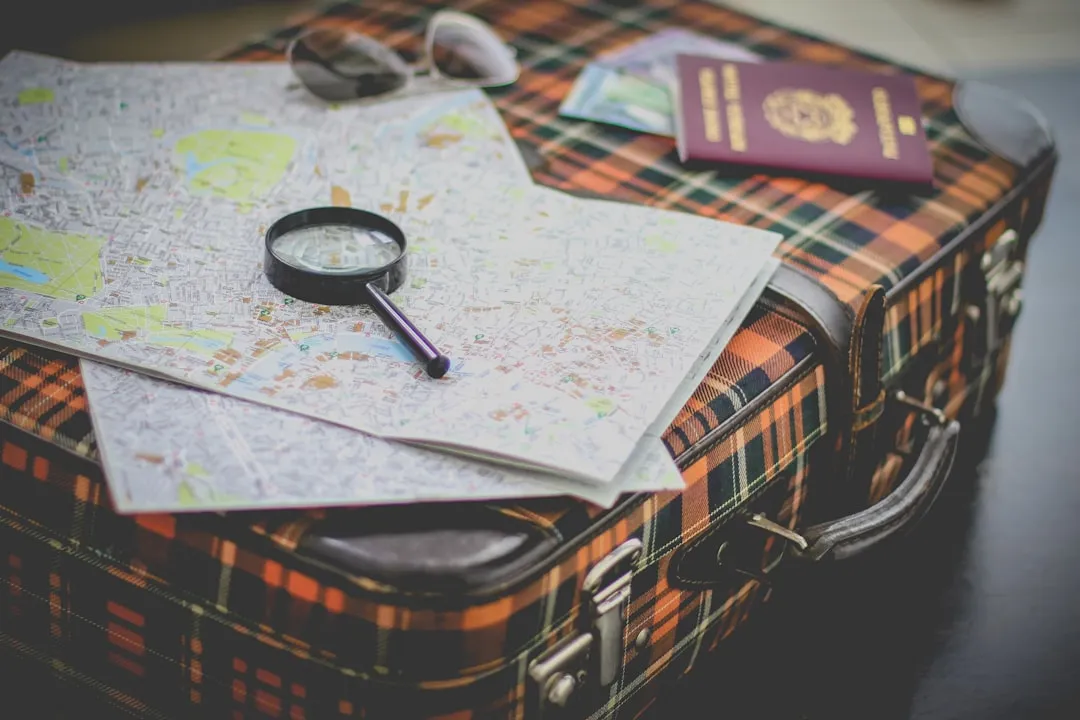
Travel fraud is not a minor inconvenience. The travel industry is one of the sectors most susceptible to fraud, with scams rising nearly a fifth during the summer peak season and over a quarter during the winter peak season in 2024, according to a Mastercard Economics Institute report.
That same report showed that fraud related to travel agency and tour company bookings is more than four times higher than the fraud average in other industries. That’s a striking gap, and it reflects just how consistently tourists are targeted during the trip-planning phase.
While full data for 2025 is not yet available, the total for the first three quarters was already ten percent higher than the same period in 2024, with a median loss of $623 per person. Behind that number is a real person who had their trip disrupted or their savings drained.
The Fake Booking Website Trap
One of the most common tourist scams involves fake vacation rental listings that hijack real property photos and descriptions from legitimate sites. Scammers create convincing listings on popular platforms, complete with stolen images and fabricated reviews. Victims pay deposits or full amounts for accommodations that either don’t exist or are already occupied when they arrive.
According to data published by McAfee in summer 2025, AI-powered travel scams racked up an estimated $13 billion in losses, with nearly $1,000 lost per victim. What makes these fake sites so dangerous today is their polish. By leveraging AI, scammers can quickly build and launch sites with realistic images, reviews, and pricing designed to lure travelers into making bookings, and these websites look so professional and convincing that many travelers believe they’re legitimate.
To avoid falling victim, always book directly through well-known official websites or trusted travel platforms, and double-check the website URL for minor misspellings or unusual domain names. A fake website might end in .net instead of .com. That one small character difference can cost you everything you paid.
Distraction-Based Pickpocketing
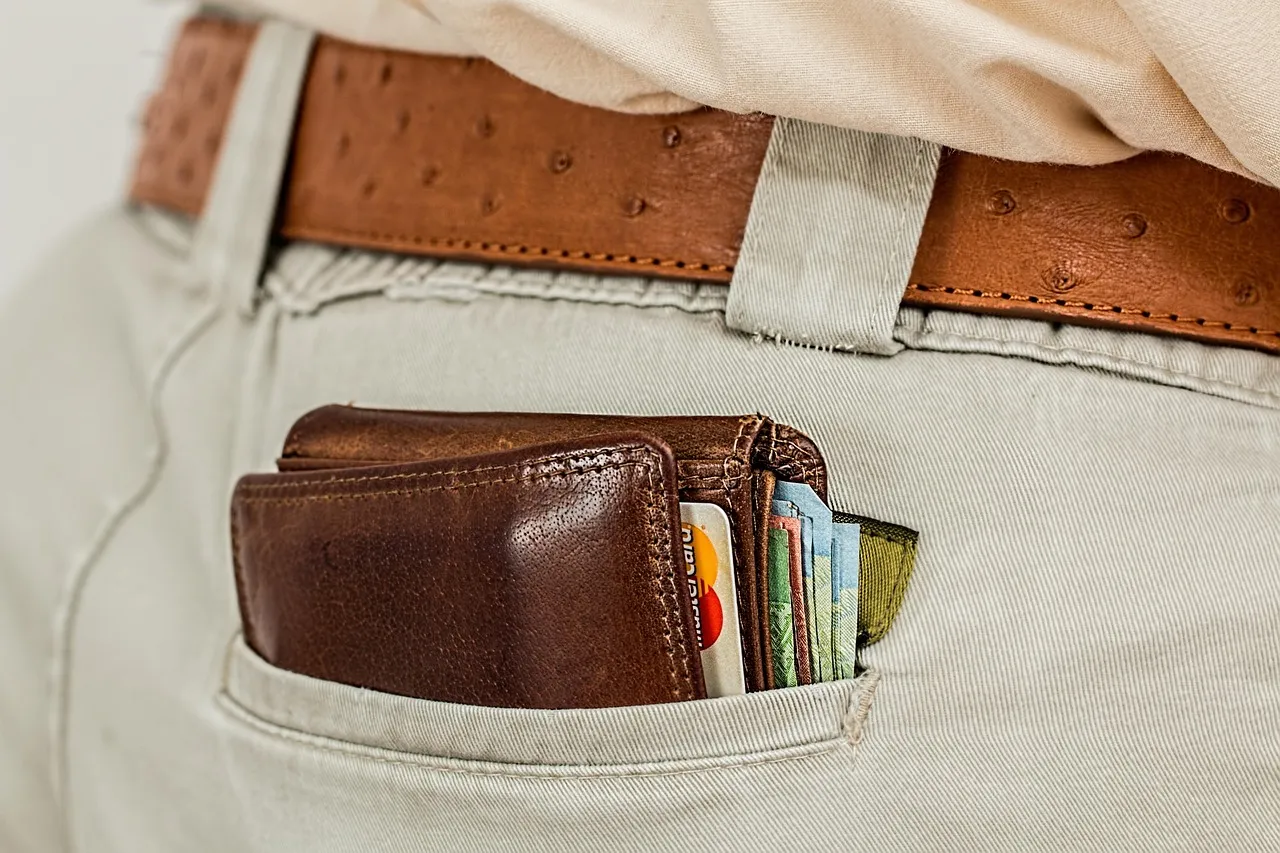
Pickpocketing remains one of the most widespread travel scams globally, particularly in crowded tourist hubs like Barcelona and Rome. Criminals often work in teams, using distraction techniques while an accomplice steals wallets or phones. Tourists are especially vulnerable in busy areas like metro stations, where a moment of confusion makes it easy for thieves to slip away unnoticed.
Scammers now use a range of diversion techniques including spilling sauce or wine on victims, dropping items, faking falls, or even throwing objects to cause immediate chaos. The mess is the point. For scammers who carry out this trick, distraction and causing immediate disgust is key: victims focus on removing the mess as quickly as possible while their belongings are taken.
Research has revealed that Bangkok has officially been ranked the world’s number one pickpocket and scam hotspot for 2025, scoring 83.45 on one ranking of pickpocketing and scam hotspots worldwide. Staying aware in crowded public spaces, especially around landmarks, is not paranoia. It’s just good sense.
The Broken Taxi Meter
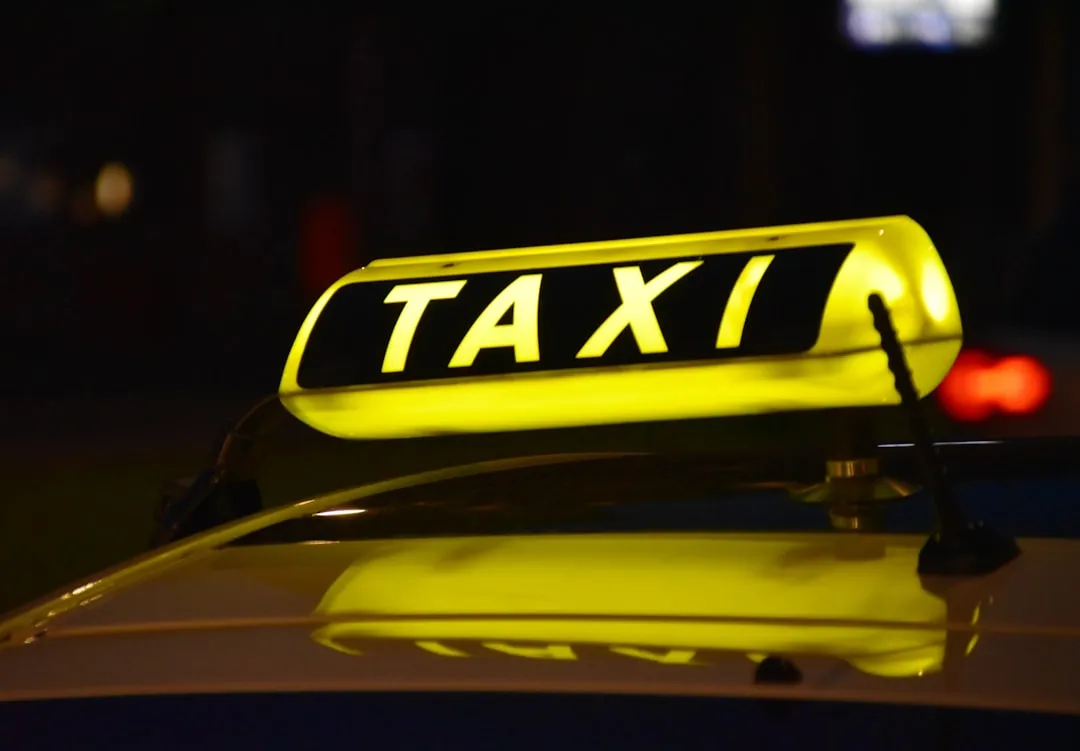
The broken meter scam is among the most prevalent taxi scams, where a driver claims the meter isn’t working and demands a flat rate that is typically three to five times the actual fare. It’s one of the oldest tricks in the book, and it still works constantly because tired, jet-lagged arrivals at airports are easy targets.
In Bangkok specifically, the Mastercard Economics Institute report pinpoints taxi and car rental services as the primary areas where tourists encounter the most fraudulent activity, with problems in this sector accounting for a significant portion of reported fraud cases in the city. Taxi-related scams have become particularly sophisticated, with some drivers working with accomplices to rob passengers, especially those traveling from major airports late at night.
The practical defense is straightforward: research official taxi rates before you land, use only metered or app-based rides where possible, and always confirm the fare before you get in. Knowing the number takes away the driver’s leverage entirely.
Tour Operator Fraud
Scams by tour operators and travel agencies account for more than sixty percent of tourist scams in bustling cities like Hong Kong, Delhi, and Barcelona, so particular care is warranted when making bookings in advance. The scale of that figure is easy to underestimate when you’re excitedly browsing tour packages from home.
Even with legitimate operators, tour guides often receive commissions from restaurants and shops for bringing in tourists, potentially taking visitors to places that offer kickbacks rather than authentic experiences. Some tour agencies also glorify sights with doctored photographs or charge for non-existent tours before disappearing.
Reading reviews across multiple independent platforms before booking, and paying with a credit card that offers purchase protection, are two habits that genuinely reduce your risk. Before clicking “book now,” ensure the property or tour is legitimate by searching for it on multiple platforms, and look for inconsistencies in photos or descriptions.
The “Free Gift” Setup

One of the most common scams at crowded tourist attractions involves a person offering a small item, such as a flower or a bracelet, and then demanding money in return. Sometimes, an accomplice uses this distraction to pickpocket the target.
The “bracelet scam” surged in popularity across Europe in the summer of 2024. The script is consistent across cities: the item is pressed into your hand or tied to your wrist before you realize what’s happening. Accepting it feels rude to refuse. That social discomfort is precisely what’s being exploited.
The solution is simply not accepting anything from a stranger in a busy tourist area, regardless of how harmless it looks. A polite but firm shake of the head, and keep walking. It sounds blunt, but it works.
Fake Wi-Fi Networks at Airports and Hotels
Travelers face increased risks from fake Wi-Fi networks at airports and on flights. An “evil twin” hotspot is a wireless network that impersonates a legitimate one by copying its name. When multiple networks with the same name exist, your phone or laptop often connects to the one with the stronger signal, which is usually the attacker’s.
In one documented 2024 case in Australia, investigators identified fraudulent Wi-Fi pages that had been active at airports in Perth, Melbourne, and Adelaide, as well as on domestic flights. The malicious portal requested passengers’ email addresses, passwords, or social media credentials under the pretense of granting access to the airline’s entertainment system, and the stolen information could then be used for account takeovers or identity theft.
Research indicates that roughly one in four Wi-Fi hotspots is vulnerable to attack, and nearly four in five travelers don’t use a VPN, leaving their data exposed. Using your phone’s mobile data or a personal VPN while traveling is among the simplest protections available today.
AI-Powered Scams: The New Frontier
Scammers can now clone a family member’s voice using just a few seconds of audio from social media, then call you claiming a travel emergency such as an arrest abroad or a lost passport, demanding immediate wire transfers. This is a qualitatively different kind of threat from anything that existed even a few years ago.
AI-generated listings use AI tools to produce flawless, professional-looking photos of vacation rentals that don’t exist. Meanwhile, QR code phishing is growing, with scammers placing stickers over legitimate codes at airport kiosks or restaurant menus to redirect users to malicious payment sites.
Phrases commonly used in scams such as “only 1 left at this price” or “deal expires in 10 minutes” are deliberately effective because travel is expensive and people are always looking for cheaper options. That manufactured urgency is a reliable red flag. Slowing down, even for two minutes, can save you hundreds.
Flight and Airline Booking Scams

The most common travel scam category in the United States is airline and flight fraud, and an analysis of over 1,500 travel scam reports submitted to the Better Business Bureau Scam Tracker between April 2024 and April 2025 reveals how widespread the problem has become.
A large number of complaints from 2025 on the BBB Scam Tracker are associated with flight reservations, where travelers are charged hefty cancellation or rebooking fees by fraudulent websites. The sites look nearly identical to the airline’s official page and often appear near the top of search results. Ranking high in search results does not mean a site is trustworthy.
To stay safe, always cross-check booking details by logging into the airline’s official website directly rather than clicking links in an email, and hover over links to verify the URL before clicking. These habits take seconds and can prevent significant financial loss.
Rental Car Damage Claims

Car rental businesses can wrongfully blame tourists for damage to a vehicle, be deliberately unclear with pricing, or add hidden fees after the fact. The scam often plays out at return time, when you’re rushing to catch a flight and in no position to argue or document the vehicle properly.
Mastercard’s report found a notable rise in fraudulent transactions during the early stages of trip planning in 2024 compared to 2023, and rental fraud is a significant part of that picture. Photographing and videoing every surface of the vehicle at pickup, including the roof and underneath the bumpers, is boring but essential. Email the photos to yourself immediately so there’s a timestamped record.
Always check what insurance your credit card already provides for car rentals, since many premium cards include coverage that makes the rental company’s own policy unnecessary. It’s worth a five-minute phone call to your card provider before you travel.
What Protects You Most
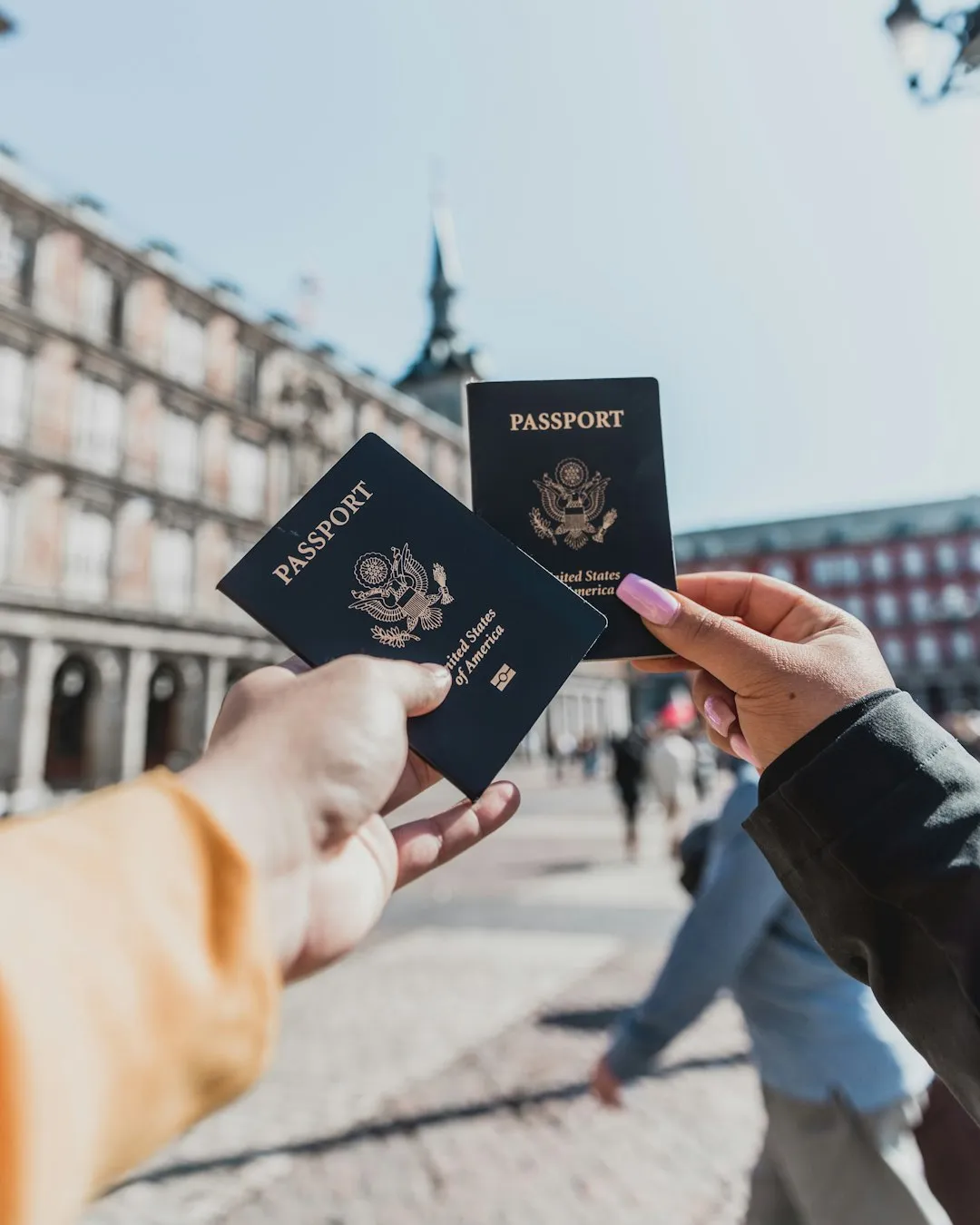
Almost a third of adults have fallen victim to a scam on holiday or know someone who has. That figure says a lot about how normalized this has become. The frequency of these incidents does not make them acceptable, but it does underscore how important basic vigilance has become as part of travel preparation.
Fraudsters are constantly refining their techniques to exploit tourists for easy money, leaving them without cash, identification, or access to funds during a trip. Awareness, a healthy skepticism toward unsolicited help, and booking directly through official or well-reviewed platforms remain the most reliable defenses across every type of scam described here.
Carry only what you need on any given day. Use your bank’s travel notifications. Save local emergency numbers before you land. None of this is complicated, and none of it takes the joy out of travel. If anything, knowing what to watch for lets you move through the world with more confidence, not less.
Travel Smart, Travel Well

Scams thrive on the gap between a traveler’s excitement and their local knowledge. That gap narrows every time you take thirty minutes to research your destination before you go. Read recent visitor forums, check your government’s travel advisories, and pay attention to patterns in reviews.
The overwhelming majority of people you’ll encounter in any destination are curious, hospitable, and entirely genuine. The point isn’t to approach every interaction with suspicion. It’s to recognize the specific, documented patterns that bad actors repeat so that when one of those patterns appears in front of you, you notice it before it costs you anything.
Travel with your eyes open, your phone secured, and your bookings made directly. The world is still worth exploring. You just need to be a slightly less convenient target.
AI Disclaimer: This article was created with the assistance of AI tools and reviewed by a human editor.