
Flight prices don’t move in a straight line. They shift dozens of times a day, nudged by seat inventory, competitor pricing, load factors, and plain old algorithmic logic. Most travelers only see the fare when they happen to search, which means they’re almost always looking at a snapshot, not the full picture.
Price alerts change that entirely. Instead of refreshing a search tab for the third time on a Tuesday morning, you set a target, walk away, and let the system flag you the moment something worth booking appears. The trick, of course, is knowing how to set them up properly so they actually work.
Understand What a Flash Fare Drop Actually Is

A flash fare isn’t just a routine dip in price. It’s a short, steep discount that can disappear within hours, sometimes minutes, once airline systems correct the inventory or competitors reprice. Platforms like Secret Flying Pro specialize in spotting airline pricing mistakes that lead to deeply discounted tickets, sometimes dramatically reduced, and they work by identifying these “error fares” faster than they spread across social media. The window to act is genuinely narrow.
Flash drops rarely last. When an alert hits your target, booking within half an hour is often the difference between securing the fare and watching it vanish. Knowing this upfront changes how you respond when the notification arrives.
Know the Landscape: Where Airfares Actually Stand Right Now

The 2025 annual average domestic itinerary air fare of $387 decreased 1.8% from the 2024 inflation-adjusted annual fare of $394. That’s a modest improvement for travelers, though it doesn’t mean cheap flights are plentiful. Fares still move aggressively based on season and route.
During spring 2025, round-trip flights from New York to Miami ranged from $400 to $500 at peak, while off-peak fares in April dropped to $250 to $300. Flights from Chicago to Orlando told a similar story, peaking near $450 but available around $275 in quieter windows. Understanding this range gives you a realistic target price to set in your alerts.
Choose the Right Alert Tools for the Job
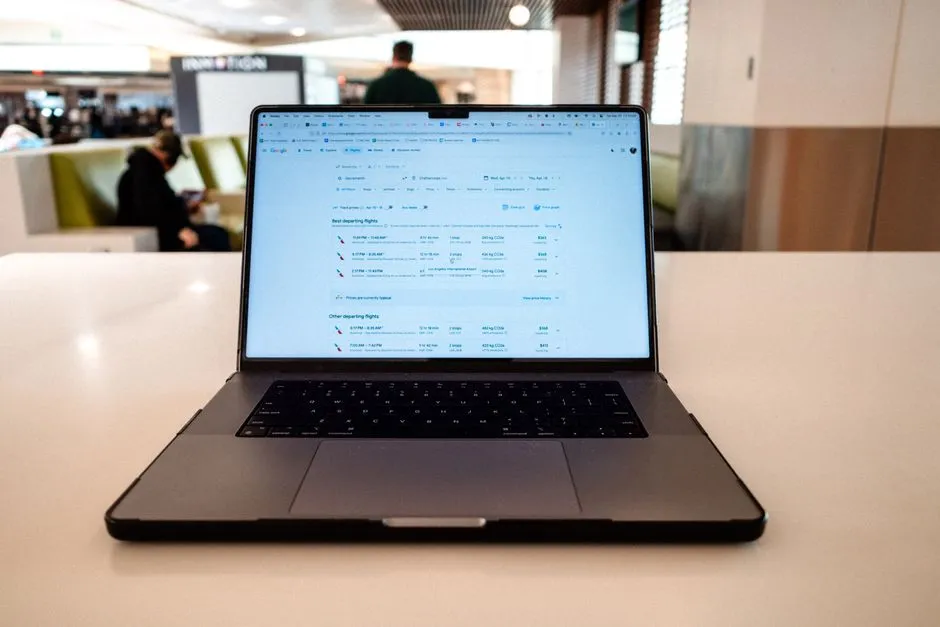
Google Flights remains the first stop for many U.S. travelers comparing fares online. It isn’t technically an app but its speed and simplicity make it feel like one, with an instant fare map and predictive calendar that shows how prices change day by day. Setting a price alert on Google Flights is free, fast, and sends notifications directly to your inbox.
Hopper is another widely used option in 2026, specifically for its price tracking feature. You can enter your departure airport and track flights across all airlines on specific dates, with a color-coded system showing green for a great price and red for a high one. The Hopper algorithm predicts whether prices will rise or fall, and the developers claim accuracy rates of around 95%.
KAYAK’s alerts are unlimited and reliably delivered, while Hopper’s are fewer but include AI guidance on whether the current price is worth acting on. Both serve different travelers. Use KAYAK if you want broad, constant coverage, and Hopper if you want a more curated recommendation.
Set Your Target Price Before You Set Your Alert

Decide in advance: if the fare drops below a set threshold, book immediately without second-guessing. This kills decision paralysis when the alert fires. It sounds obvious, but most people skip this step, and then stall when the notification actually lands.
To set a meaningful target, look at the historic range for your route, not just today’s price. Airline tickets are sold in pricing tiers. Once the cheapest seats in a tier sell out, fares typically rise by $20 to $50 overnight, and small steady price hikes are a signal that lower-priced seats are gone and prices may keep climbing. Set your alert slightly above the lowest price you’ve seen to catch the realistic drops, not just the rare error fares.
Build in Date Flexibility to Multiply Your Chances

A rigid departure date is one of the biggest limiters when using price alerts. Setting alerts for a three to seven day window rather than a single date can cut fares by an average of roughly 18 percent on U.S. domestic routes, according to the Hopper Index 2025. That’s a meaningful difference on a $400 ticket.
Flexibility also widens the pool of flash fares your alerts can catch. A deal might appear on Wednesday when you were fixed on Friday, and missing it purely because the date didn’t match is a frustrating and avoidable outcome. Last-minute strategies work best when plans are flexible and you can act the moment a deal appears.
Time Your Alerts Around the Booking Sweet Spot

Price alerts aren’t equally useful at all points in the booking cycle. Data from Going shows that domestic deals are most likely to appear one to three months before departure, and international deals most commonly surface two to eight months out. These are the windows when flash drops are most likely to coincide with a fare that’s actually worth chasing.
The consensus points to around 60 days from departure as showing the biggest price drop for flights, with 45 to 90 days out being the sweet spot with more low-cost options available than four months ahead. Setting your alert active during this window keeps you in position without creating months of noise before the market gets interesting.
Understand How Flash Sales Differ by Region

Not every market behaves the same way. North American flash sales tend to generate attention but require patience, with the biggest cuts usually on domestic routes or Hawaii rather than Asia. In Europe, flash sales are more of a competitive sport, with legacy carriers and ultra-low-cost airlines actively competing on short-term discounts.
Some European carriers flood inboxes with 24-hour offers at rock-bottom fares, and genuine bargains do exist, especially to Mediterranean and Middle Eastern gateways. Knowing this, it’s worth setting up alerts specific to the region you’re targeting and choosing tools that have strong coverage there. A tool built for the U.S. domestic market may miss a European flash window entirely.
Watch for Seasonal Patterns That Trigger Flash Sales

Airlines don’t discount randomly. Their sale windows tend to cluster around predictable moments in the calendar. Flight prices follow recognizable seasonal cycles. Winter deals often surface right after New Year’s, spring discounts land later in winter, and late summer markdowns frequently appear in early July once demand slows.
Activating your alerts in advance of these windows, rather than in response to them, gives you a head start. As airlines work to fill seats during slower travel periods, major carriers and budget airlines lower prices across key routes, and booking early within these windows tends to mean better availability, stronger value, and more flexibility.
Don’t Rely on a Single Platform

No single platform catches every deal. This is one of the most consistent findings across comparison testing. Each tool pulls from different data sources, has different crawl frequencies, and applies different filters before surfacing a result to you.
Booking apps tested across eleven flight searches between October 2025 and April 2026 confirmed that comparing the same route simultaneously across Skyscanner, KAYAK, Hopper, and Kiwi.com produces meaningfully different results. Running two or three alerts in parallel on different platforms costs nothing and significantly increases the odds that one of them catches the drop first. Some tools assess up to 700 million price data points daily, which illustrates just how much is happening beneath the surface at any given moment.
Act Fast When the Alert Fires

This is where most people lose the deal. The alert arrives, they forward it to a travel companion, they check hotel prices, they weigh whether the dates are ideal, and twenty minutes later the fare is gone. Airlines often correct error fares quickly, so getting early notice can mean the difference between snagging a bargain and missing out entirely.
Having a pre-made decision framework matters more than most travelers realize. Know your budget limit, have your passport details saved, and keep a payment method ready. Real-world examples from 2025 showed flights from Los Angeles to Rome dropping to just $297 to $401 roundtrip during holiday periods when booked within the optimal window, the kind of number that disappears fast. Speed, in this game, is its own form of preparation.
The Takeaway
Price alerts don’t guarantee cheap flights. What they do is take the luck factor out of timing and replace it with something more reliable: a system that watches the market so you don’t have to. Set clear targets, activate alerts across multiple platforms, time them around the booking sweet spot, and build in enough date flexibility to let genuine deals reach you.
The fare you’ve been waiting for will probably surface when you’re not watching. That’s exactly the point. Let the alert do the watching, and when it calls, be ready to move.
AI Disclaimer: This article was created with the assistance of AI tools and reviewed by a human editor.