

The Zamboni Itself Sets the Clock
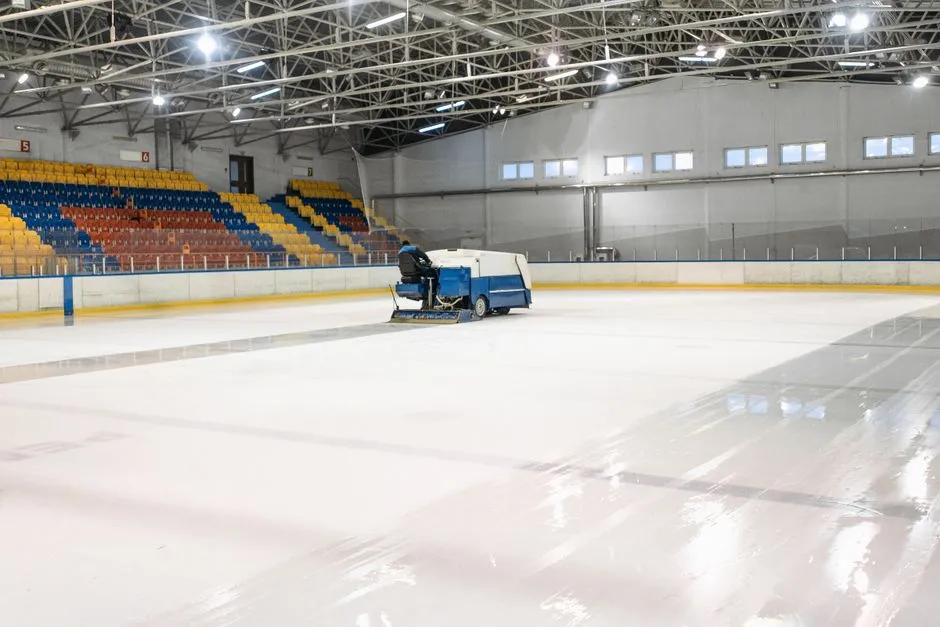
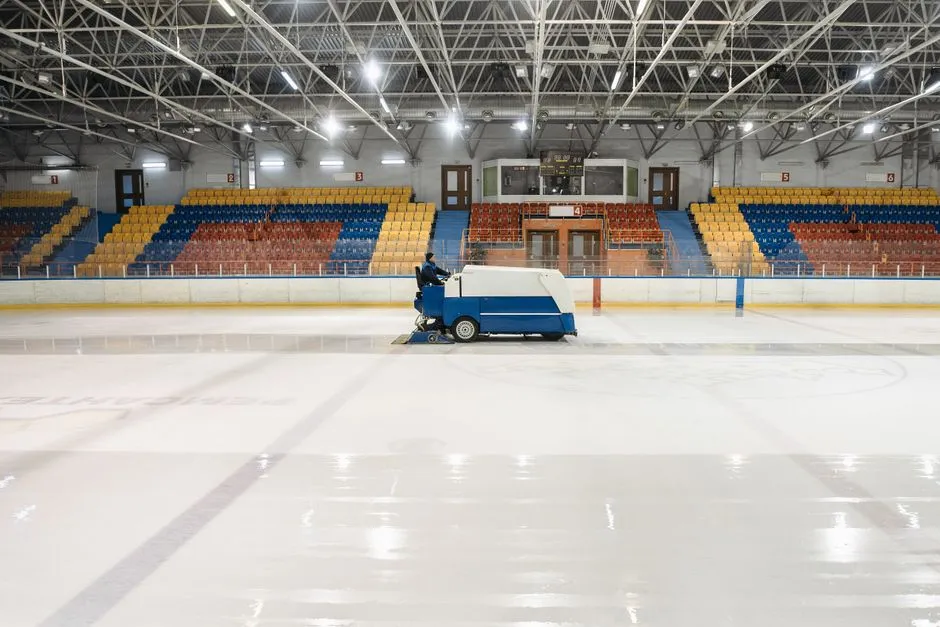
Before anything else, it helps to understand what a Zamboni actually does and why it shapes the entire rink schedule. The Zamboni removes a thin layer of ice and adds fresh water, helping maintain consistent thickness and quality. It uses hot water heated to between 140 and 160 degrees Fahrenheit for the final flooding step, because the hot water contains less dissolved air, which creates denser, smoother ice with fewer bubbles.
Resurfacing a standard NHL-sized ice rink takes approximately 10 to 15 minutes, depending on ice conditions and operator speed. That brief window is precious. The secret to a good surface is patience: operators only have a 10-minute window to resurface the ice, but you have to let the blade do its work and let the water smooth it all out.
Early Morning Is the Insider’s Preferred Window

Early mornings and late evenings are typically the best times to skate. In the early morning, the ice is freshly maintained, providing smooth gliding. Fewer people means fewer ruts, fewer collisions, and a much more relaxed experience on the surface itself.
The first sessions of the day have more space to move, shorter rental lines, and a quieter crowd, making them a nice fit for kids, first-time skaters, or anyone who wants a photo without a lot of other people in the background. At busy public rinks, this window can close quickly once the late-morning crowd arrives.
Weekday Mornings vs. Weekend Afternoons: A Real Divide
Off-peak hours at most rinks run Monday through Friday from 7:00 AM to 5:00 PM, while peak hours include Monday through Friday from 5:00 PM to 11:00 PM, plus all day Saturday, Sunday, and public school holiday and vacation days. That’s a meaningful distinction worth planning around.
Going during off-peak times, such as weekday mornings and afternoons, gives you less crowded ice. Weekends and evenings are packed with families and kids. Most ice arena schedules are built around peak and off-peak hours to manage demand efficiently, with early mornings and weekday afternoons typically designated for public skating or lessons, offering a quieter environment ideal for beginners.
Tuesday Through Thursday: The Sweet Spot of the Week
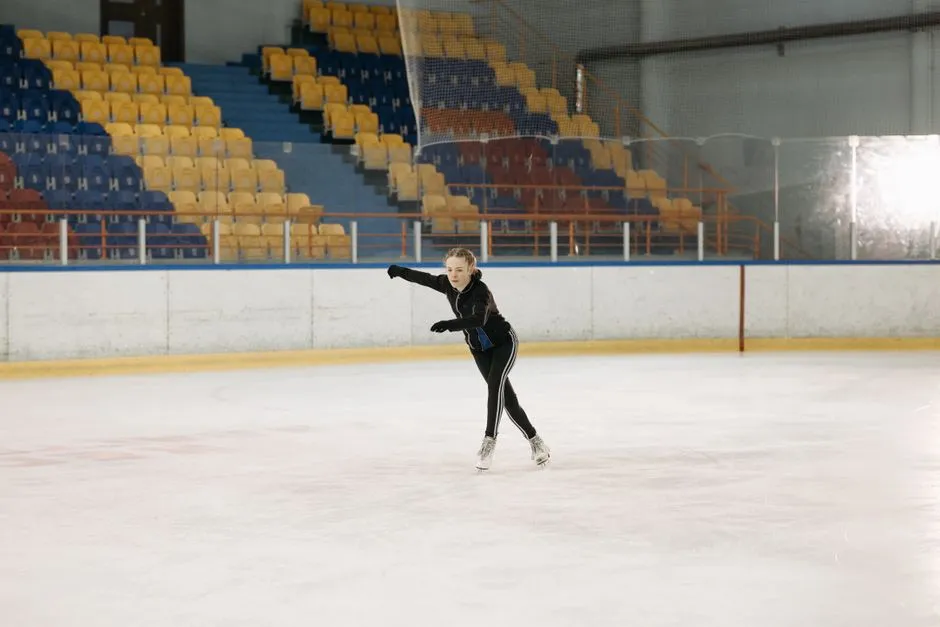
Experienced visitors consistently recommend a weekday morning when possible, with Tuesday to Thursday mornings being the first choice. The rink feels calmer and ticket prices are often lower. It’s a pattern that holds true across many public rinks, not just famous destinations.
Monday still carries some weekend energy as families extend their outings. Friday afternoons start filling up as school lets out. Weekday mornings consistently offer lighter crowds and often lower prices. Mid-week, mid-morning is genuinely the quietest slot most rinks will ever offer.
How Often the Ice Actually Gets Resurfaced
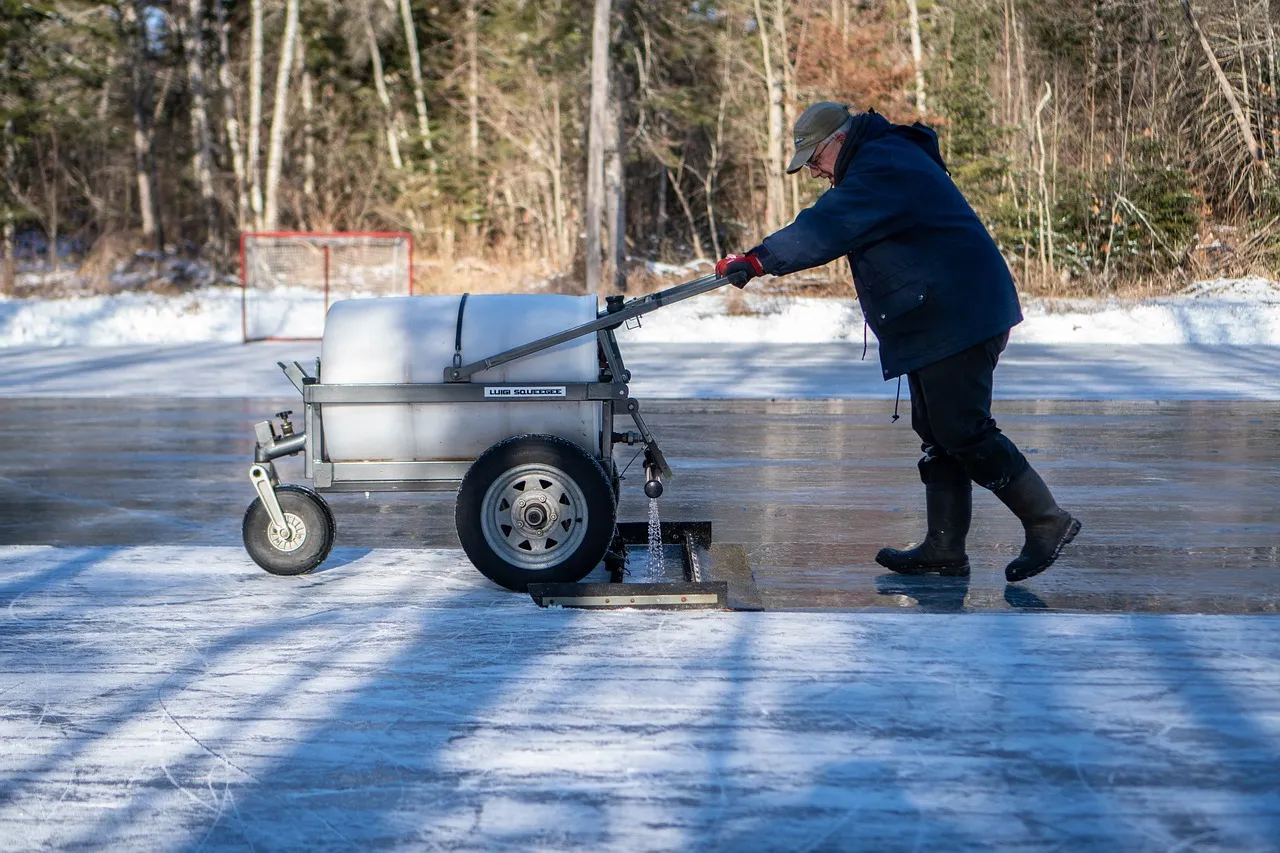
One of the more surprising things rink insiders know is just how frequently the Zamboni runs. While some arenas only use the Zamboni a few times a week, a busy facility like Columbia Ice Rink operates from 6 AM to 11 PM and resurfaces the ice about 10 times a day. That’s a machine in near-constant motion at high-traffic facilities.
Every time the Zamboni comes out, operators do a “circle check,” meaning they walk around the machine to evaluate it and ensure that its systems, including hoses, wires, and switches, are intact. Skating right after a resurfacing is the ideal window, and experienced skaters know to time their sessions accordingly.
The History Behind the Machine That Makes It All Possible
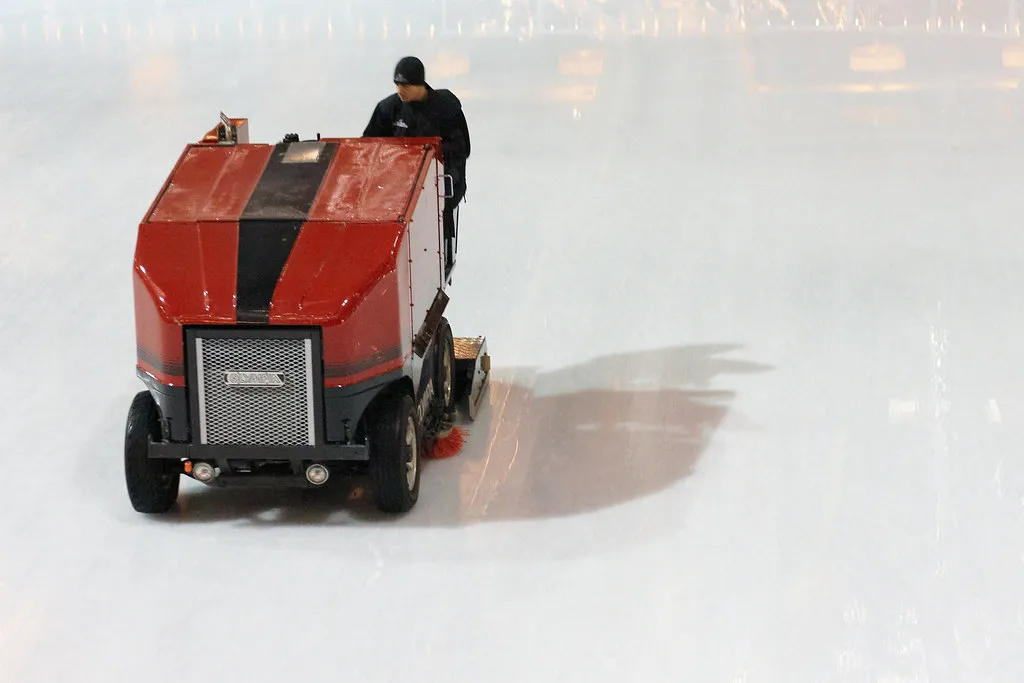
In 1939, Frank Zamboni built the Iceland skating rink in Paramount, California. To resurface it, three or four workers had to scrape, wash, and squeegee the ice, then add a thin layer of water for the fresh surface. The process was extremely time-consuming, and Zamboni wanted to find a more efficient way.
Before the machine was invented in 1949, resurfacing the ice required an entire crew and took more than an hour. Thanks to the Zamboni, it now takes just 10 minutes and one driver. Frank Zamboni received over 15 patents related to ice resurfacing before his death in 1988, and the company remains family-owned today.
Late Evening Can Also Work – With Conditions
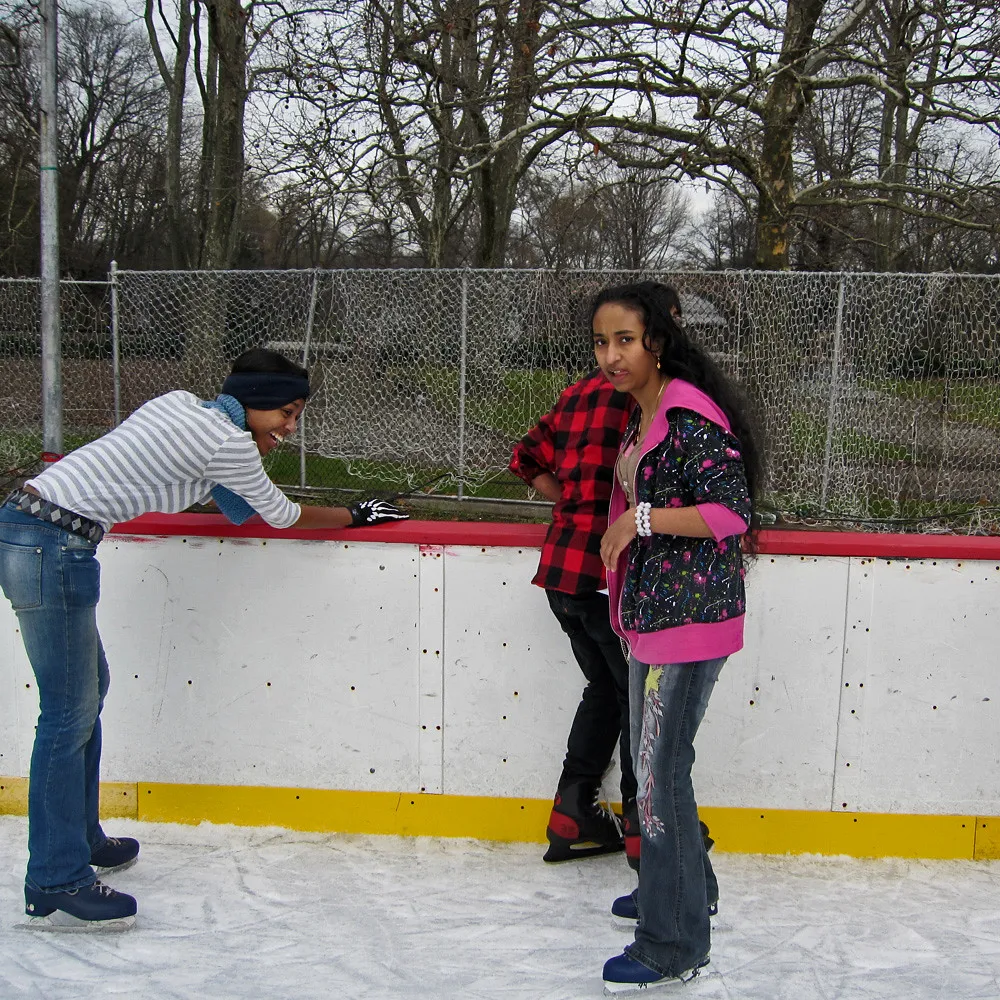
Late evenings offer thinner crowds, allowing for a more personal skating experience. However, the logic applies mainly on weeknights, not Fridays or Saturdays when evening sessions are among the most popular of the entire week.
Late evening can offer a good compromise outside weekends and school holidays. You still get the atmosphere, but many daytime visitors have already left the area. It’s worth checking your specific rink’s schedule, since session structures vary widely between facilities.
Ice Quality Peaks Right After a Resurfacing
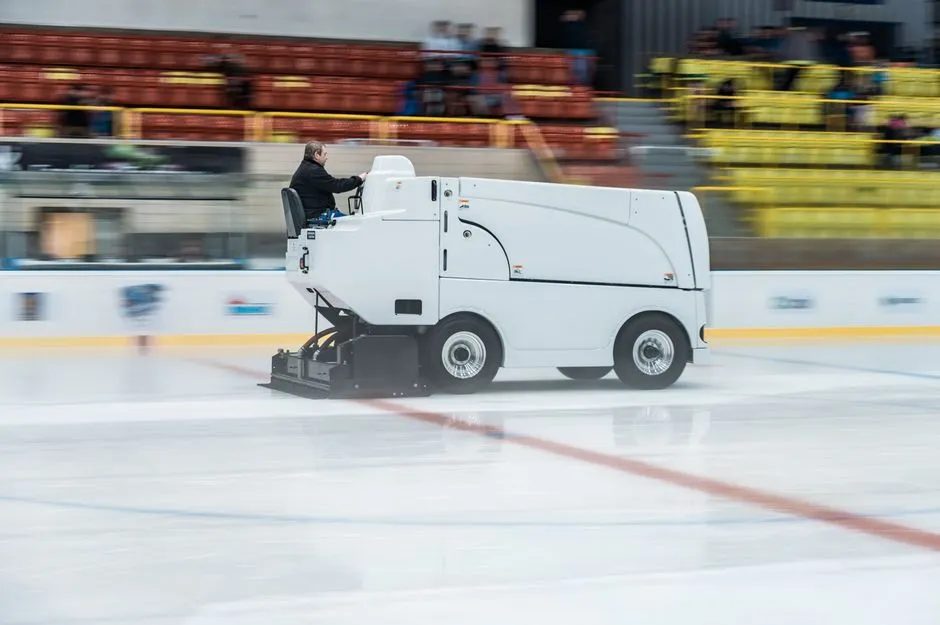
Timing your arrival relative to a Zamboni run matters more than most skaters realize. A Zamboni operator must pay attention to the rate and speed at which it shaves the ice, ensure it is spraying the proper amount of water, understand the current ice conditions, and keep the machine on a straight path. The result is a surface that degrades quickly under heavy use.
The practical implication: skating within the first 20 to 30 minutes after a fresh cut gives you the smoothest, most consistent surface of the entire session. Off-peak weekday mornings and afternoons yield less crowded ice, while weekends and evenings are packed with families and kids – meaning the ice deteriorates much faster during those sessions simply due to volume.
The Scale of Ice Skating in America Today
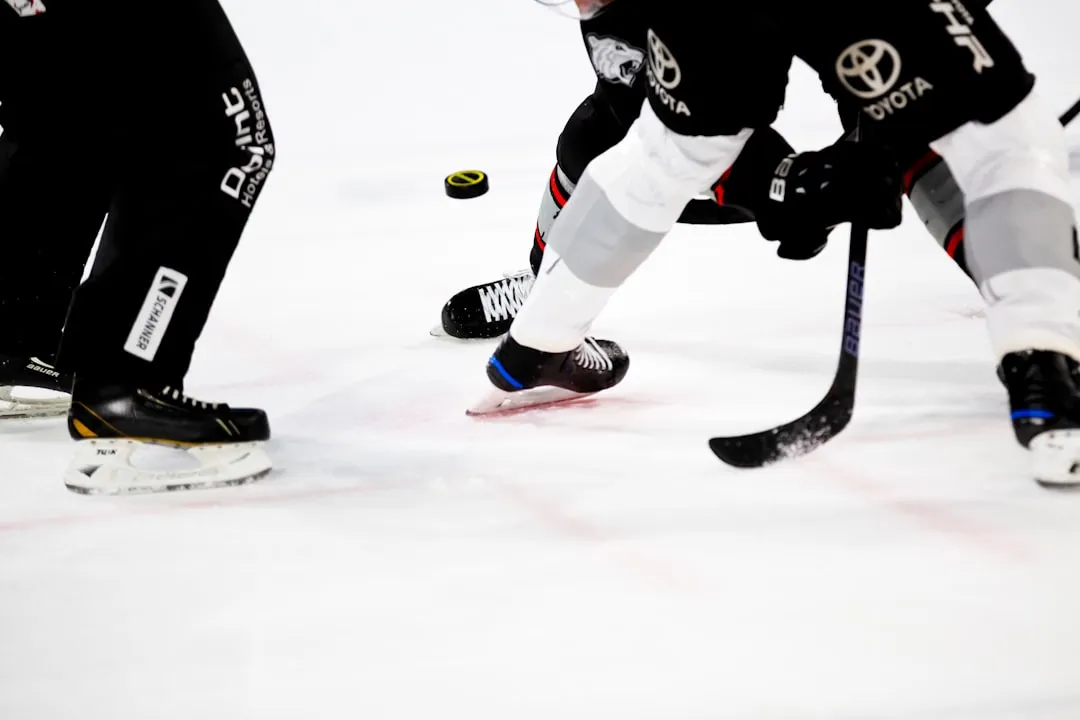
It’s worth putting the experience in context. Ice hockey participation grew nearly 8.7% and figure skating grew 8.4% nationally in a recent year, with 7,101 total ice rinks currently existing in the United States – roughly 2,101 indoor and 5,000 outdoor rinks. Demand is growing, which makes knowing the off-peak hours more valuable than ever.
From youth and adult hockey to figure skating, learn-to-skate programs, public skating, and tournaments, ice rinks serve multiple users throughout the day and evening, often operating at or near full capacity. In many communities, demand for ice time exceeds available supply, creating waitlists and limiting access, particularly during peak hours. Choosing your slot wisely isn’t just about comfort; it’s increasingly about access.
Practical Tips Rink Staff Actually Recommend
Calling the rink or checking their website before your first visit is worthwhile. Asking staff which sessions are best for your level can guide you to appropriate ice time and help you understand any special rules or requirements. Most rink staff are genuinely happy to point first-timers toward the quieter windows.
Off-peak sessions on weekday mornings and afternoons often cost less, and some rinks offer punch cards with 10-session packages at discounts of roughly 10 to 20 percent. Weekends, holidays, and school vacations are consistently the most popular periods for skating, and during these time slots, the rink may see increased foot traffic and longer lines. Planning ahead – even by a single day – can completely change the experience you walk away with.
The Quiet Ice Is Worth Seeking Out
AI Disclaimer: This article was created with the assistance of AI tools and reviewed by a human editor.