
Small Teams, Enormous Responsibility
Airlines usually have their own movie selection teams or hire content service companies to select their movies. The scale of that task, however, is rarely matched by the size of the team handling it. At Southwest Airlines, a single person named Kennedy Wilson handles the entire curation process, while Delta’s Ekrem Dimbiloglu oversees a team of four.
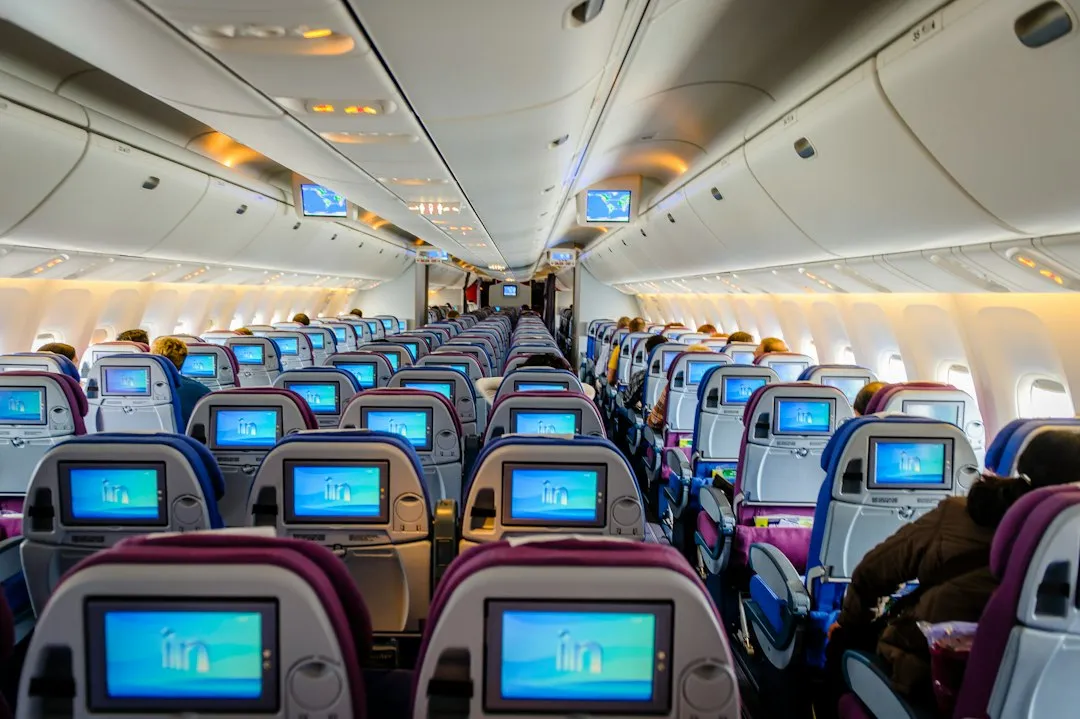
At United Airlines, the entertainment team has quadrupled in recent years, growing from two to eight people. These are not large departments for operations that reach millions of passengers every month. Delta alone operates 160,000 individual seatback entertainment screens and serves over ten million customers a month.
Data Drives Almost Every Decision
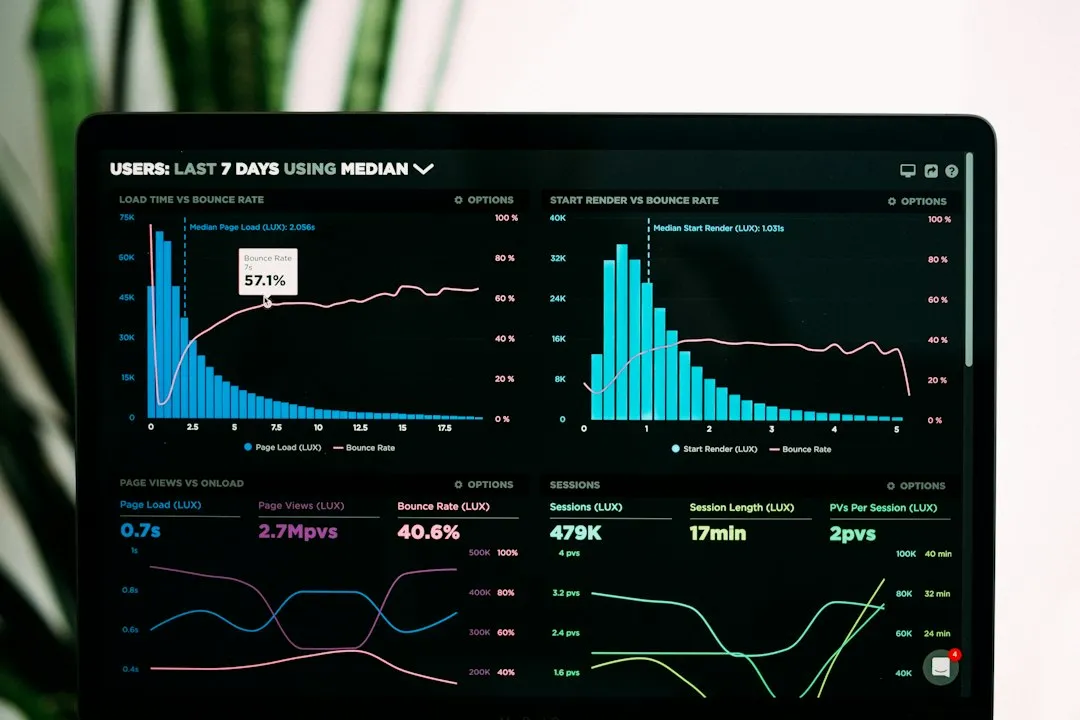
The choice of which movies are offered is determined by data. Airlines monitor passengers’ viewing preferences, tracking the most popular films and the time spent on them. This is not guesswork dressed up as strategy. It is genuine behavioral analysis applied to a captive audience.
Airlines are increasingly using data to offer tailored recommendations. United Airlines tracks passengers’ preferences, so if a traveler tends toward action movies, they will be presented with a curated selection of high-adrenaline films. Delta has also begun syncing its entertainment system with customers’ airline membership accounts, enabling passengers to pick up where they left off on their last trip or receive smarter recommendations based on past viewing choices.
Third-Party Curators You’ve Never Heard Of

Behind the seatback screen, a web of committees, third-party agencies, and studio liaisons select and edit films for airline use. Companies like Spafax and Global Eagle act as gatekeepers, interpreting both airline and studio guidelines while also playing cultural referee. Most passengers have never heard of these companies, yet they shape what the world watches at altitude.
United Airlines currently works with more than a hundred content partners to complete its list of movies, TV shows, and podcasts. The relationship between airlines, studios, and these intermediary agencies is genuinely complex. Airlines invest in licensing agreements to provide passengers with a selection of movies, TV shows, music, and other content, and these agreements often involve negotiations with content providers that can be time-consuming and costly.
What Gets Quietly Left Off the List
In-flight movie selections have become impressively varied, but don’t expect horror or anything involving plane-related disasters. This is a deliberate and well-considered policy, not timidity. Curators are acutely aware of the environment their audience is sitting in. Delta, for example, screens Game of Thrones but does not show Snakes on a Plane, Sully, or Flight.
Curators also avoid scenes that could be disturbing or cause claustrophobia, such as plane crash scenes. The reasoning is both practical and empathetic. A film that triggers anxiety in a sealed metal tube at 35,000 feet affects not just one viewer but potentially an entire cabin row.
A Catalog That Refreshes Constantly
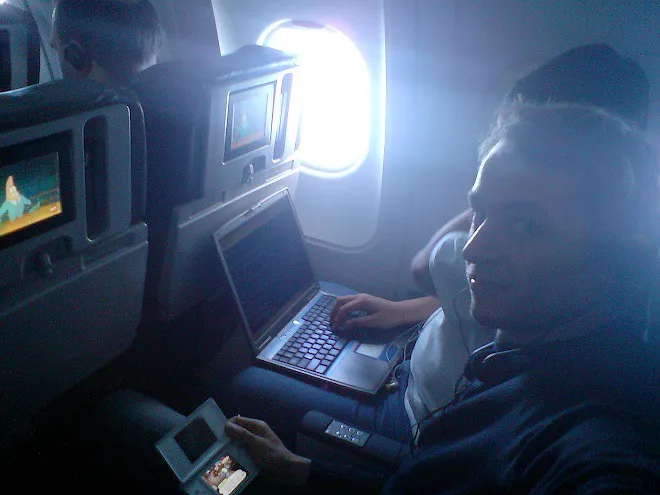
American Airlines adds around 200 new titles every month. That volume of rotation keeps the experience feeling fresh for frequent flyers who might take the same route repeatedly. Airlines also look at trends on streaming platforms to improve their catalog, which can include up to 500 titles, with up to 200 changing monthly.
Emirates updates its inflight content monthly, adding movies, TV shows, podcasts, and music channels to its library the moment they board, maximizing the seamless travel experience. Keeping content fresh at that scale requires continuous logistical coordination between curators, studios, and technical teams. It is, in effect, a rolling publishing operation.
Cultural Moments Shape the Selection
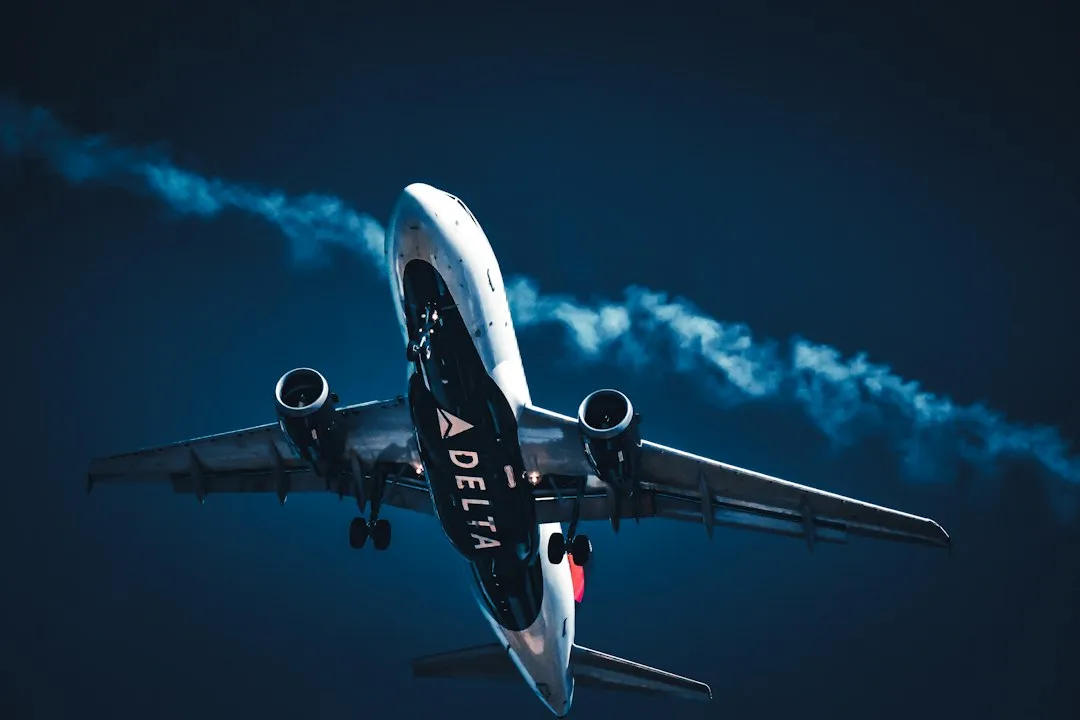
Delta Air Lines has improved content selection with a focus on cultural recognition, supporting Hispanic Heritage Month in September and October 2024 through a partnership with Televisa/Univision and its codeshare agreement with Aeromexico, offering movies in September and TV series in October. These are not token gestures. They reflect genuine editorial thinking about who is on the plane and what matters to them.
Movies are also grouped into special collections for occasions like Hispanic Heritage Month, or seasonal themes like Halloween, with Delta sometimes featuring themed collections such as a “Cozy Family Fall” lineup with films like Coco and Remember the Titans. Seasonal curation gives the catalog a rhythm that mirrors the real world outside the aircraft window.
Social Media and Passenger Feedback Actually Matter
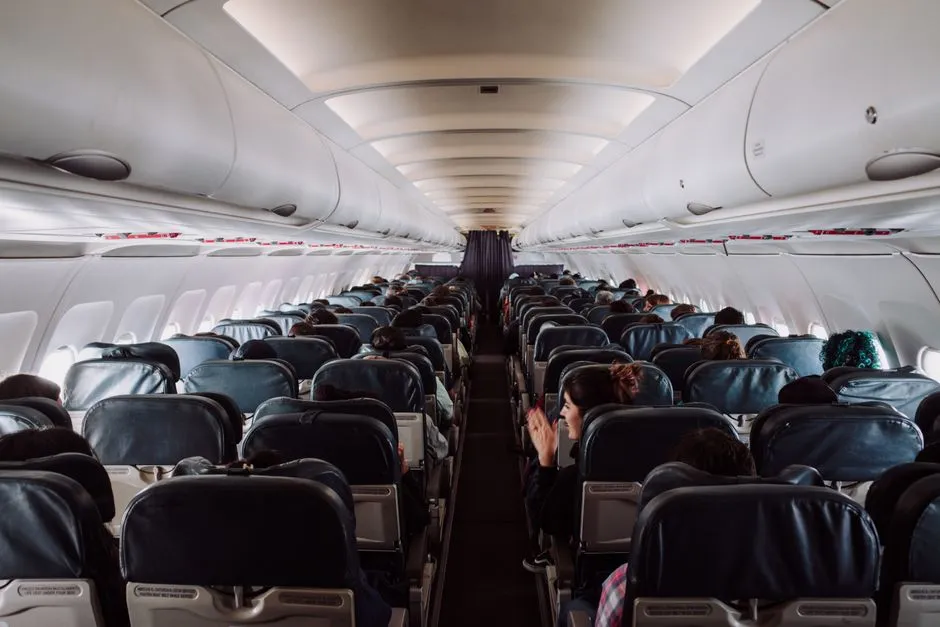
External feedback from surveys and social media posts is taken into account by airlines. United, for example, included The Devil Wears Prada on its roster after noticing renewed passenger interest tied to the sequel announcement. That kind of responsiveness is relatively new in the industry and reflects how closely curators now monitor cultural conversation.
Airlines in the U.S. have a dedicated department that selects the movies shown on flights based on feedback from flight attendants and passengers, as well as data collected from travelers. Flight attendants, who spend hours observing what passengers actually watch and react to, are a surprisingly useful source of qualitative insight that raw data alone cannot capture.
The Expensive Business of Getting Content Airborne
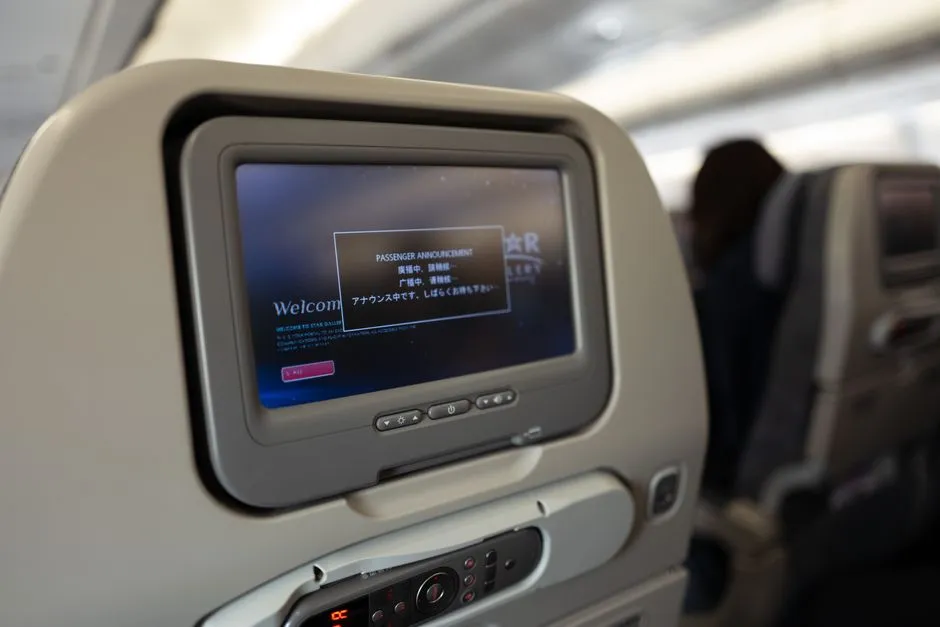
Inflight entertainment content licensing revenues are expected to exceed $300 million in 2024, according to a report by Valour Consultancy. That figure reflects only the licensing portion of the puzzle, not the technical infrastructure required to deliver content across a global fleet. The global in-flight content market was valued at $691 million in 2024 and is projected to grow to $931 million by 2029, at a compound annual growth rate of 6.1%.
The typical content cycle takes up to 90 days and involves manual content processing and physical files being couriered between vendors. That lag is a real operational frustration for curators who want to move quickly. Cloud-based content processing labs are now working to shrink content cycles from 90 days to fewer than 10 days by automating technical services.
The Airlines That Do This Best
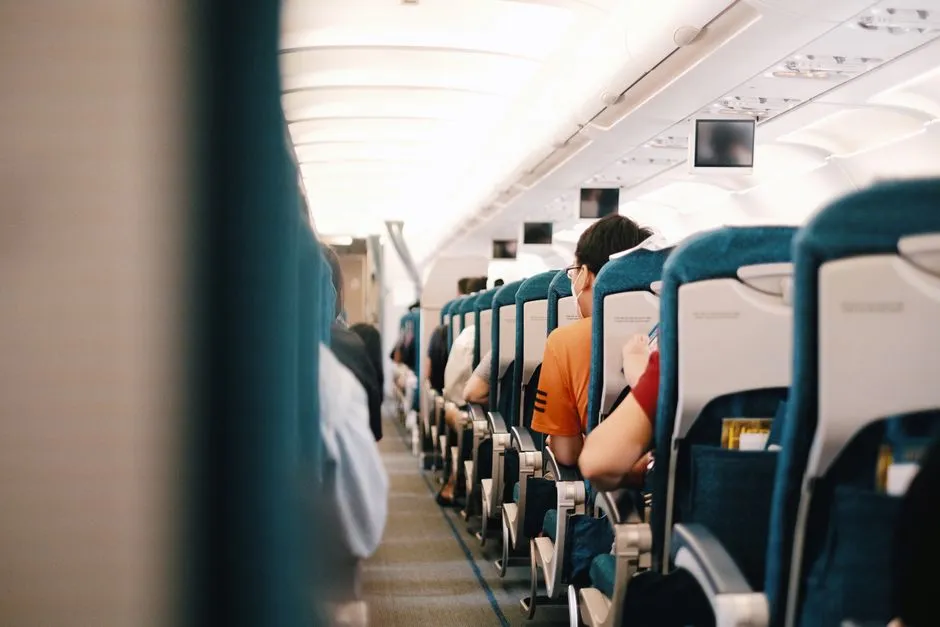
In 2024, Skytrax crowned Emirates with the World’s Best Inflight Entertainment Award, followed by Cathay Pacific and Qatar Airways. Emirates earned that recognition through sheer depth of library and consistency of quality. The airline maintains a world-class entertainment library of 6,500 channels, which includes more than 2,000 Hollywood and internationally acclaimed movies, including Academy Award-winning films.
Delta came out in first place among U.S. carriers in 2025 in NerdWallet’s in-depth study across 14 different airlines, thanks to its free Wi-Fi on domestic flights for all guests, wide inclusion of seatback screens, and complimentary snacks. Delta ranked fifth globally, outranking Singapore Airlines, while United, American Airlines, and JetBlue also cracked the top 20 worldwide.
The Psychology of the Perfect Plane Movie
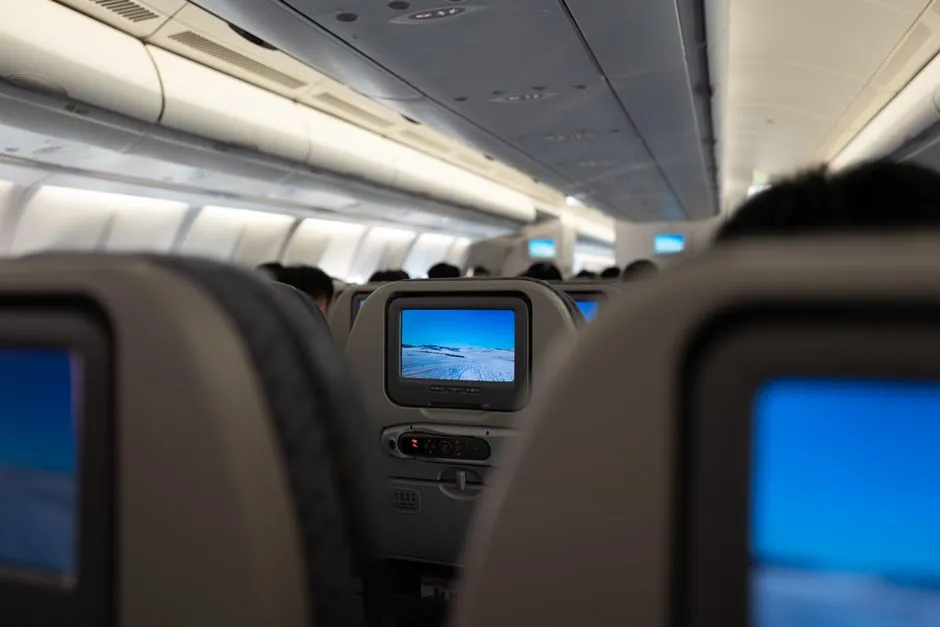
The airplane is one of the few places left where people can sit calmly and be open to trying different things. Curators know that showing movies passengers might not choose at home, in a curated fashion, draws people into new experiences they later say they appreciate. There is something to that observation. The slight remove of being airborne, away from domestic routine, genuinely changes viewing behavior.
Nostalgic series like Friends are consistently popular, along with optimistic, travel-themed movies like Crazy Rich Asians. Cast recognition and star power also play a significant role in the selection of inflight entertainment, as familiar faces often attract a wide audience and enhance the appeal of any film. The goal, ultimately, is to match the right title to a specific emotional state. Tired, curious, restless, relieved to be going somewhere. Curators are thinking about all of it.
The Takeaway
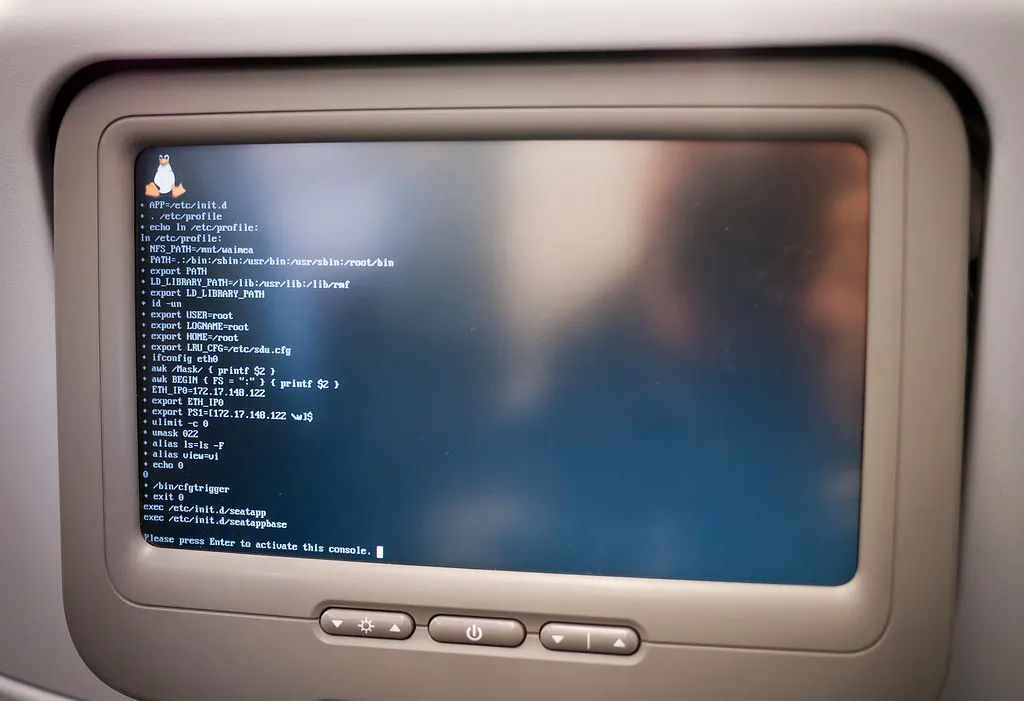
What looks like a random menu of movies is actually the output of a remarkably thoughtful industry. Curators study streaming trends, consult audience data, read social media sentiment, negotiate licensing deals, and think carefully about cultural sensitivity, all to fill a screen that most passengers will glance at without a second thought.
The next time a film catches your eye mid-flight and turns out to be exactly what you needed, that was probably not luck. Someone spent months making sure it would be there.
AI Disclaimer: This article was created with the assistance of AI tools and reviewed by a human editor.