
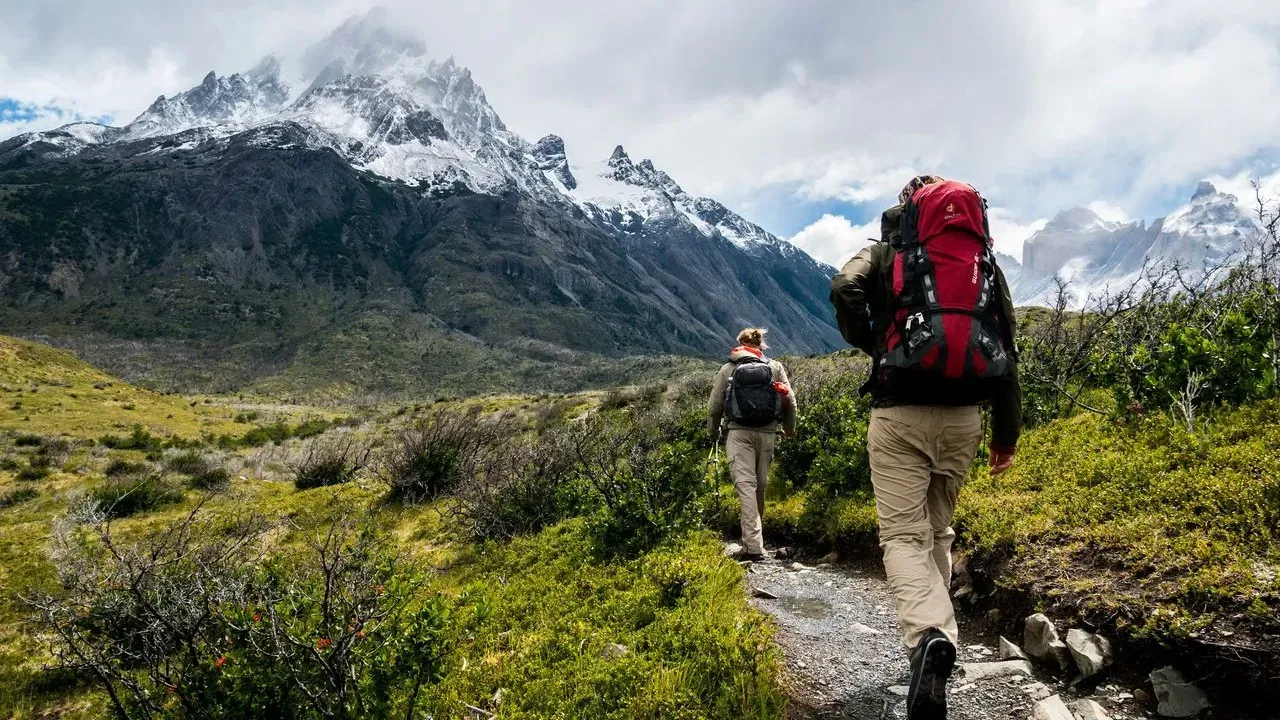

Indonesia stretches across thousands of islands, each shaped by volcanic forces, dense forests, and open grasslands that together create some of Southeast Asia’s most compelling long-distance walking routes. Travelers who venture beyond the well-known coastlines discover a landscape that rewards patience and preparation with changing scenery and quiet encounters along the way. The country’s year-round climate and still-remote paths make it a destination where serious walkers can spend days or weeks moving through terrain that feels largely untouched.
Volcanoes and Highland Valleys Shape Daily Progress
Active and dormant cones rise across many islands, their slopes offering steady climbs that open onto cooler highland valleys. Walkers often start at lower elevations amid rice terraces before gaining height toward ridges where mist lingers into the afternoon. These routes demand steady pacing and awareness of weather shifts that can arrive quickly at altitude.
The valleys themselves hold scattered settlements where local farmers maintain traditional irrigation systems. Visitors who move respectfully through these areas gain a clearer sense of how communities have adapted to steep land over generations. Proper permits and local guidance help ensure that passage remains welcome and low-impact.
Rainforest and Savannah Offer Contrasting Challenges
Tropical rainforest covers large stretches of the interior, where humidity and dense canopy create a different rhythm of travel. Paths here wind past towering trees and clear streams, requiring careful attention to footing and hydration. The same islands often transition into drier savannah zones, where open grasslands stretch toward distant horizons and the pace can feel more expansive.
Both environments support rich birdlife and plant species that change with elevation and rainfall patterns. Walkers who travel in small groups and follow established trails reduce pressure on fragile undergrowth. Carrying out all waste and supporting operators who employ local crews further aligns the journey with conservation goals.
Remote Villages Reward Thoughtful Engagement
Many long routes pass through communities that remain connected to older customs and seasonal rhythms. Overnight stays arranged through village hosts provide opportunities to learn about local agriculture, crafts, and oral histories when invited. Travelers who arrive with basic language phrases and modest gifts of useful goods often find warmer exchanges.
Respect for sacred sites and daily routines matters deeply in these settings. Guides from the area can explain which areas are open to visitors and which remain private. This approach turns a trek into a series of mutual exchanges rather than simple passage through scenic backdrops.
Planning Supports Both Safety and Sustainability
Successful long-distance walks in Indonesia begin with solid preparation that includes current trail conditions, seasonal access, and reliable local partners. Operators who prioritize trained guides, fair wages, and environmental practices help distribute benefits more evenly across host communities. Packing light and choosing reusable gear further reduces the footprint left behind.
Many routes remain lightly traveled compared with better-known destinations elsewhere in the region. This relative quiet allows for deeper immersion when walkers move at a measured pace and remain open to the unexpected. The result is often a stronger sense of connection to the land and the people who call it home.
AI Disclaimer: This article was created with the assistance of AI tools and reviewed by a human editor.