
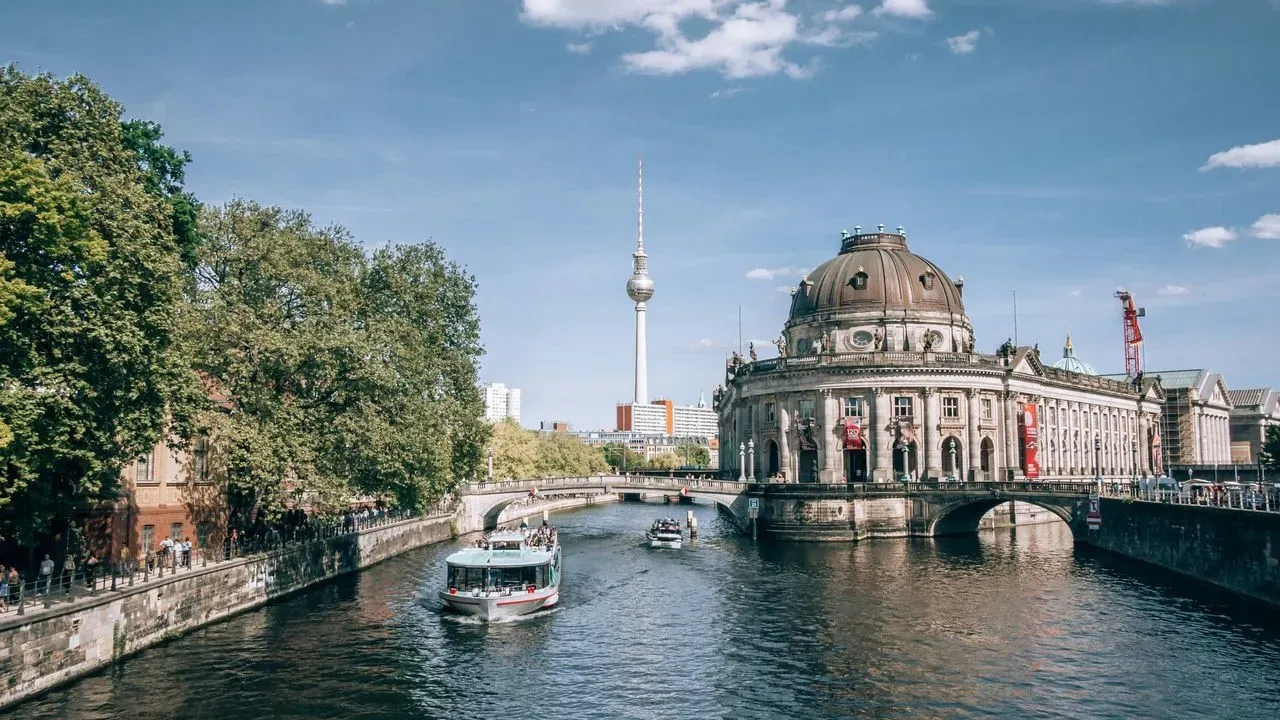

Berlin carries the visible marks of its twentieth-century division more openly than almost any other European capital. Walls once split neighborhoods; today those same corridors host galleries, performance spaces, and public art that speak directly to the city’s layered past. The result is a place where history and contemporary creativity meet in the same buildings and streets, offering visitors a chance to trace both rupture and renewal in a single walk.
The Political Fault Lines That Shaped the City
Decades of separation left Berlin with two distinct urban fabrics that still shape daily movement and cultural life. The former border zones, once heavily guarded, now function as open corridors where residents and visitors encounter memorials, restored facades, and new institutions side by side. This physical legacy turns every stroll into a quiet lesson in how policy decisions of the past continue to influence present-day experience.
Travelers who approach the city with patience discover that these remnants are not obstacles but invitations. They mark the precise locations where daily life was interrupted and later resumed under new rules. Understanding this timeline helps visitors move through the city with greater respect for the communities that rebuilt it.
Former Industrial Sites Turned Cultural Anchors
Many of Berlin’s most compelling art venues occupy buildings that once powered the city’s economy. Converted power stations and railway halls now shelter large-scale installations and experimental performances that would be difficult to stage in more conventional museum halls. The scale of these spaces allows artists to work with light, sound, and architecture itself as materials.
Visitors who spend time in these repurposed structures notice how the original industrial details – exposed beams, massive turbines, high ceilings – remain visible and become part of the artistic statement. The contrast between heavy machinery and delicate contemporary work creates a distinctive atmosphere that rewards slow looking. Such sites also demonstrate practical reuse of existing infrastructure, aligning with thoughtful travel that values sustainability over new construction.
Museum Island and the Architecture of Memory
At the heart of the city, Museum Island gathers five historic institutions whose collections span centuries of European art and archaeology. The buildings themselves, restored over recent decades, stand as monuments to civic ambition and careful conservation. Their location on a bend in the Spree River makes the ensemble feel like a single, coherent cultural campus rather than a scattered collection of separate venues.
Travelers who plan their visit around the island’s changing light discover how the architecture frames both the artworks inside and the river views outside. The experience encourages reflection on how public institutions can preserve knowledge while remaining open to new interpretations. This balance between preservation and openness mirrors the larger story of Berlin’s post-division development.
Public Spaces That Invite Ongoing Dialogue
Beyond formal institutions, Berlin’s streets and parks host an evolving collection of murals, memorials, and temporary installations. These works often address themes of migration, memory, and reconciliation without requiring visitors to enter a building. They turn ordinary movement through the city into an encounter with living history.
Respectful travelers pause to read plaques and consider context before photographing or sharing images. This approach honors the communities that created or commissioned the works and avoids reducing complex stories to quick snapshots. The city rewards such attention with layers of meaning that deepen over repeated visits.
Practical Ways to Engage Responsibly
Visitors who want to experience Berlin’s art and history with care can begin by supporting smaller, locally run initiatives alongside major institutions. Many neighborhoods host artist studios and community projects that welcome thoughtful outsiders. Choosing walking or public transport between sites reduces environmental impact while revealing the city’s human scale.
Allowing extra time for unplanned discoveries – lingering at a street installation or returning to a favorite courtyard – often yields the most lasting impressions. Berlin’s story of division and renewal continues to unfold; travelers who arrive with curiosity and humility become part of that ongoing narrative rather than mere observers.
AI Disclaimer: This article was created with the assistance of AI tools and reviewed by a human editor.