
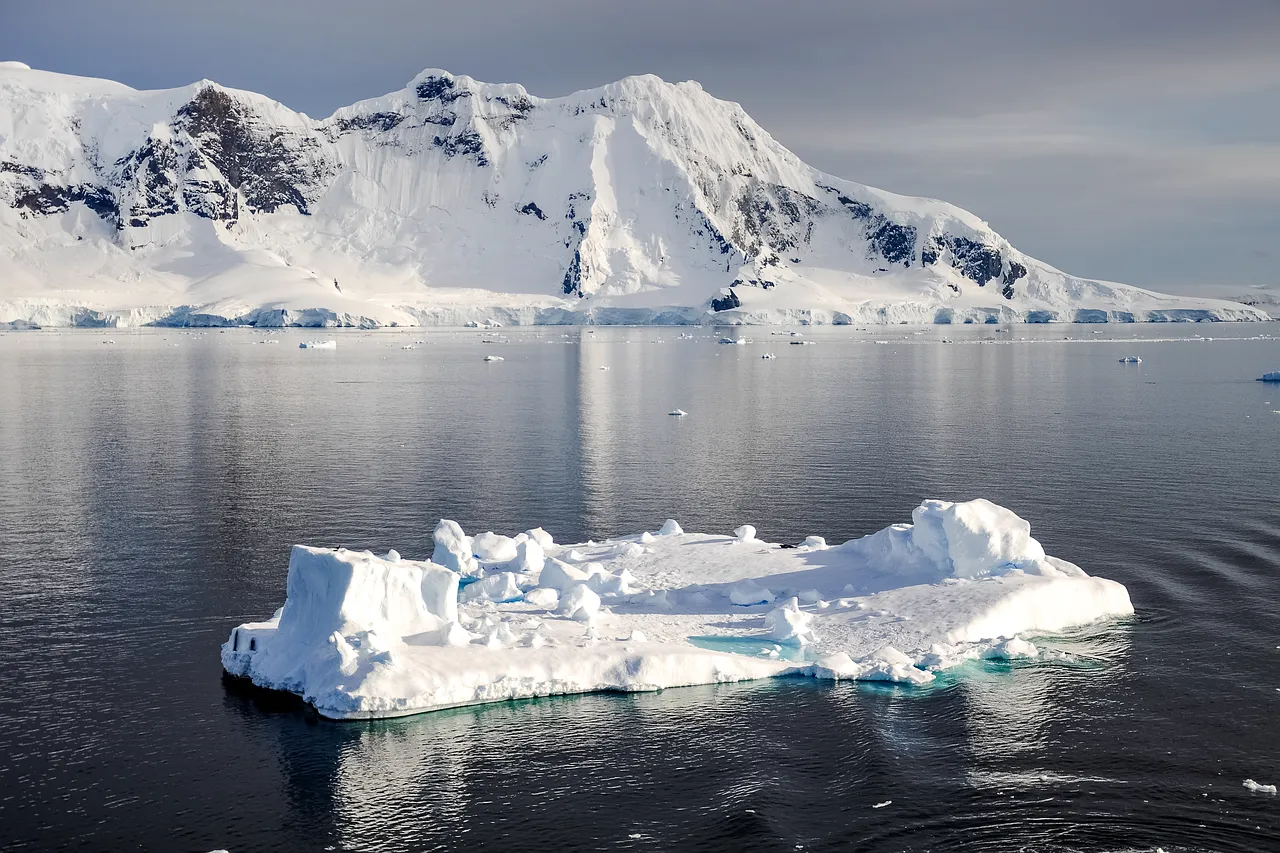

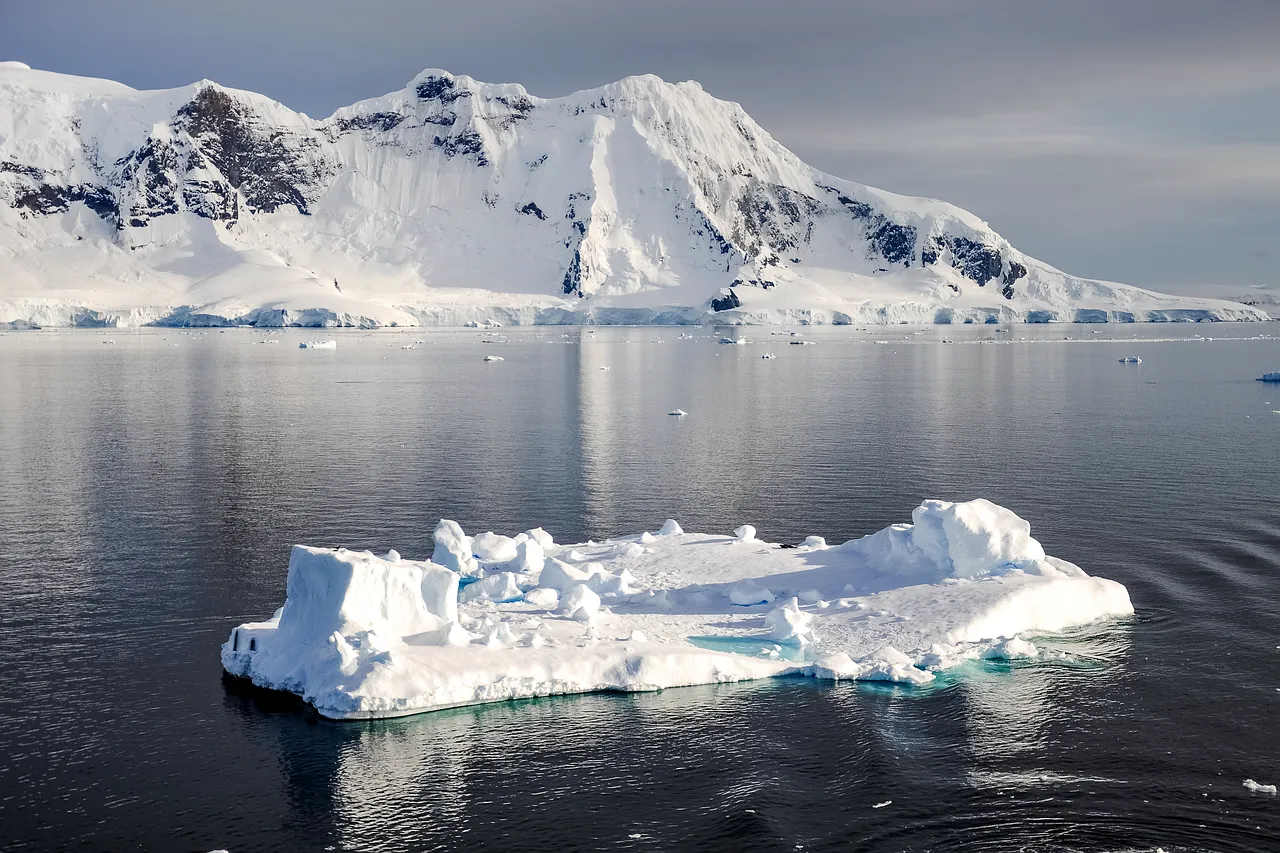
Discover Ushuaia: 10 Best Things to Do & More – Image for illustrative purposes only (Image credits: Pixabay)
Ushuaia sits at the southern tip of South America, where the continent narrows into a rugged landscape that feels removed from everyday travel routes. Travelers often reach it as the final stop on a long South American journey or as the departure point for voyages farther south. Its position has long marked it as a place where land ends and open ocean begins, drawing those seeking both remoteness and a practical link to polar exploration.
A City Shaped by Its Extreme Location
The geography alone sets Ushuaia apart. Positioned below the 54th parallel, it claims the distinction of the southernmost city on Earth, a fact that shapes daily life and visitor expectations alike. Winters bring long nights and biting winds, while summers offer extended daylight that encourages outdoor activity despite the cool temperatures.
Residents have adapted to these conditions over generations. The city developed around maritime trade and later tourism, with infrastructure that supports both local needs and the influx of seasonal visitors. This balance keeps the atmosphere grounded rather than purely commercial.
Why the Journey Matters Now
Interest in Ushuaia has grown as more people seek meaningful travel experiences beyond standard sightseeing. Its role as a staging area for Antarctic cruises places it at the center of conversations about responsible polar tourism and the changing southern environment. Those who arrive often describe a shift in perspective once they stand at the edge of the continent.
The city serves as a reminder that some destinations reward patience. Reaching it requires planning, whether by air or overland routes through Patagonia, and the effort contributes to the sense of arrival. Recent visitors note that the combination of urban amenities and surrounding wilderness creates a distinct travel rhythm.
Practical Realities of a Visit
Accommodations range from modest guesthouses to more comfortable lodges, reflecting the city’s evolution from a frontier outpost to a recognized destination. Local eateries emphasize seafood and regional ingredients, providing straightforward meals after days spent exploring nearby trails or waterways.
Transportation within the area relies on a small network of roads and boat services. Day trips to nearby national parks or the Beagle Channel offer chances to observe wildlife and dramatic scenery without venturing into full expedition territory. These outings highlight the natural setting that defines the place.
Looking Ahead from the Southern Edge
Ushuaia continues to evolve as both a gateway and a destination in its own right. Its appeal lies in the straightforward contrast between settled streets and the vast, open waters that lead toward Antarctica. For many, the city marks a turning point in a longer journey rather than an endpoint.
The experience stays with travelers who value context over checklists. Standing there underscores how geography influences culture and opportunity, leaving a quiet impression that lingers beyond the return flight.
AI Disclaimer: This article was created with the assistance of AI tools and reviewed by a human editor.