

Few moments on a plane feel quite as loaded as the tap on your shoulder followed by, “Would you mind switching seats?” It’s a small ask with surprisingly big emotional stakes, touching on personal space, money, fairness, and social obligation all at once.
The debate has intensified in recent years as airlines have pushed more passengers to pay extra for seat selection, raising the question: who actually owns that seat once you’re on board? Surveys, etiquette experts, and even federal regulators have weighed in, and the picture they paint is more nuanced than a simple yes or no.
The Numbers Tell a Surprising Story
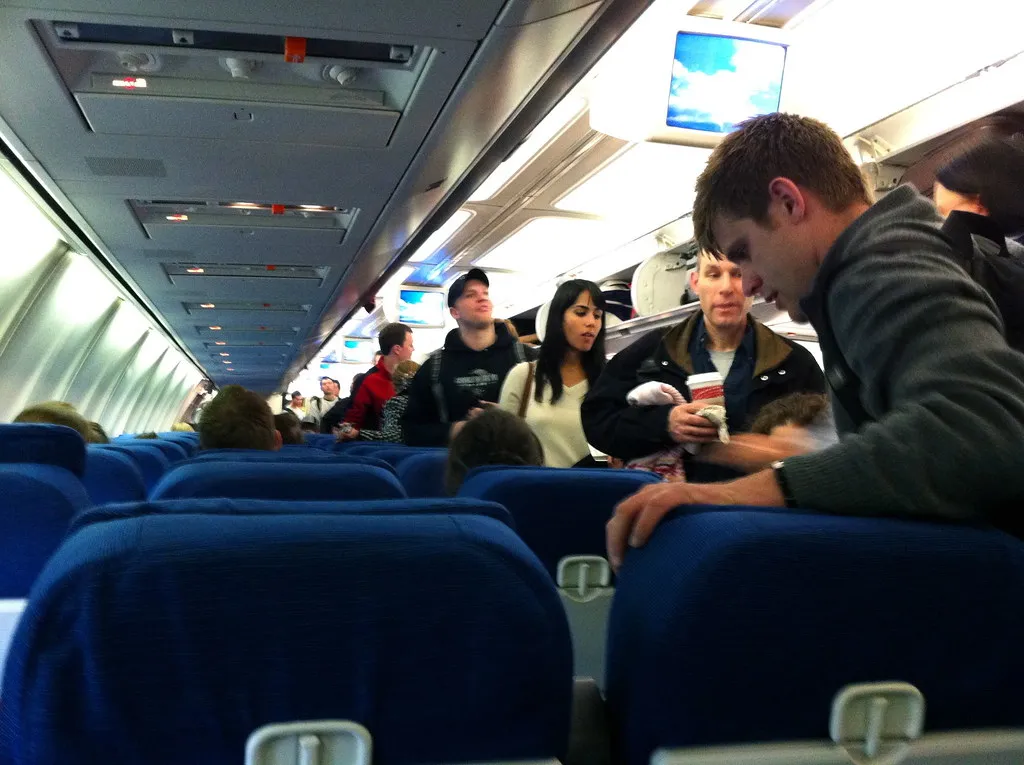
Roughly 92% of travelers have been asked to swap seats during a flight in the past 24 months. That figure alone tells you this is far from a rare situation. The data comes from a survey of 1,095 US respondents conducted via a bespoke online polling tool in December 2024, offering a credible snapshot of the modern flying experience.
Most flyers, roughly 95%, consider seat preference very important or extremely important. So when someone asks you to give up your carefully chosen spot, they are asking for something that genuinely matters to you. The prevalence of seat swap requests, combined with how much people value their seats, is precisely what makes this question so charged.
Why Seat Preference Runs Deep
The main factors influencing seat choice are sitting with companions, accounting for roughly two in five respondents, followed by aisle, window, or middle seat preference, and extra legroom for comfort. These are not trivial concerns. Seat choice is often tied to physical needs, anxiety management, or simply years of knowing what works for your body on a long flight.
The window seat is preferred by more than half of respondents because it offers a view, more personal space, and a surface to lean on for long flights. Women strongly favor window seats compared to men, while men are slightly more open to middle seats. Preferences also shift by generation, meaning the person you’re asking has likely thought about this choice far more than you might assume.
The Regret Factor Is Real
Agreeing to a seat swap often comes with regret. A notable 84% of those who agreed to swap seats reported feeling regretful later, with the primary reason being feeling pressured or obligated, cited by roughly one in four respondents. That is a striking number. It suggests that many people say yes not because they genuinely want to, but because they feel socially cornered in a public space.
The data shows that nearly 89% of respondents believe passengers should keep their booked seats unless there is a valid reason to switch, including roughly half who agree and more than a third who strongly agree. The moral consensus, at least in surveys, leans toward respecting booked assignments.
Polite Asking Is Permitted, but Pressure Is Not
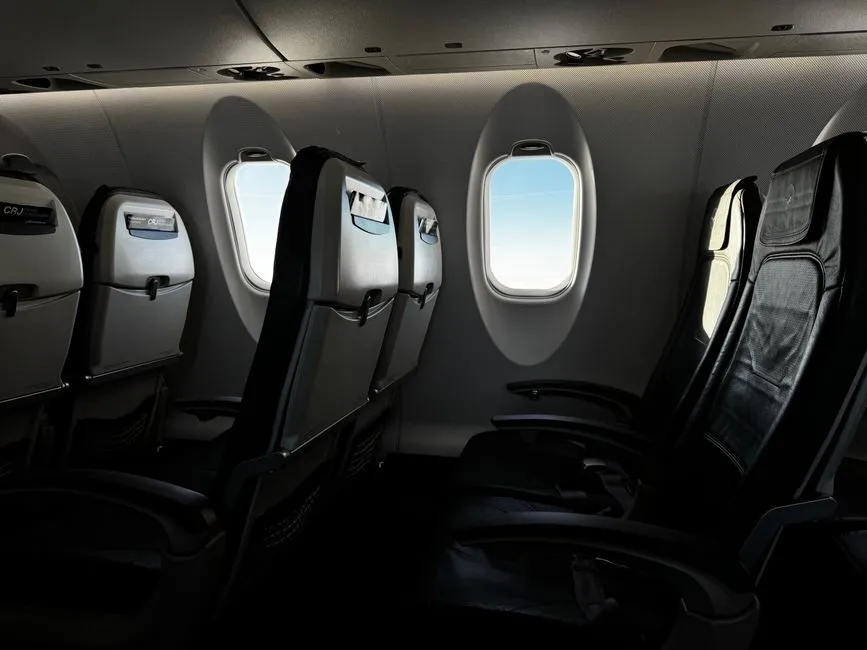
A survey conducted for travel booking site Kayak, which polled 1,000 travelers in the United States and Canada, revealed that asking to switch seats is considered acceptable by just over half of travelers, but only if you ask politely. The word “politely” is doing a lot of work there. Framing matters enormously: a calm, low-pressure question almost always lands better than an assumed yes.
The same survey found that roughly three in four respondents agreed passengers should not ask to switch seats simply because they do not like their seat, and nearly two in three said passengers should not expect a switch just because they are nervous flyers. Convenience and personal preference alone are generally not considered strong enough reasons to put someone else out.
What Etiquette Experts Actually Say
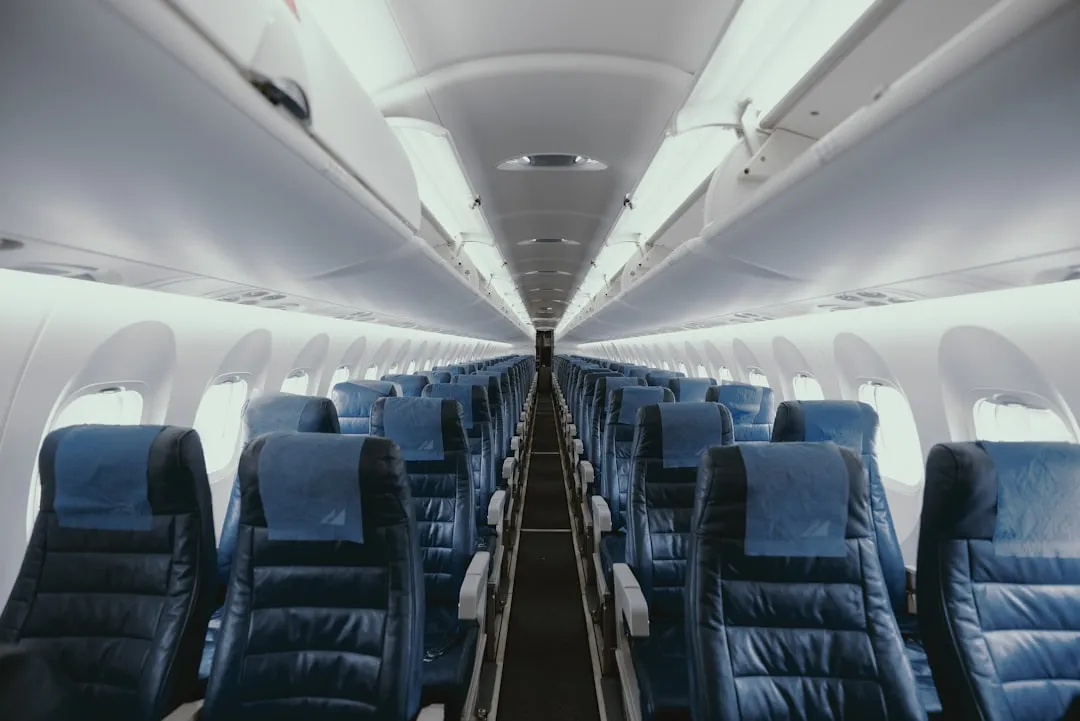
Etiquette expert Diane Gottsman notes that there are circumstances where it may be understandable to ask a passenger to change seats, particularly when separated from a young child or a family member who needs assistance, but you should select a passenger to whom you can offer an equal or better seat. It is inconsiderate to ask someone in a premium cabin to swap with you for your economy seat, and you should not expect someone in a window or aisle seat to switch for your middle seat.
Etiquette founder Jackie Vernon-Thompson points out that convenience and comfort are real considerations, and some passengers may have longer legs and paid additional fees for that extra legroom. Ignoring those facts when making a request is where many seat-swap asks go wrong. A good rule of thumb: if you would not take the seat you are offering, perhaps reconsider asking someone else to.
The “Equal or Better” Rule for Seat Trades
If you are asking to swap, you will have better luck if it is a fair trade or better. For example, you should not ask someone in a premium economy aisle seat to swap for a middle seat near the back of the plane. If you are offering a seat of greater or equal value, your odds of success go up considerably.
It is also best to keep the tone kind and casual, since you never know why someone else might be flying or what kind of day they are having. If you are on the receiving end and do not feel comfortable switching, a simple “No, thank you, I prefer this seat” is polite and clear. You could mention that you specifically booked or paid for the seat if you want to give additional reasoning.
Families and Children: The Most Accepted Exception
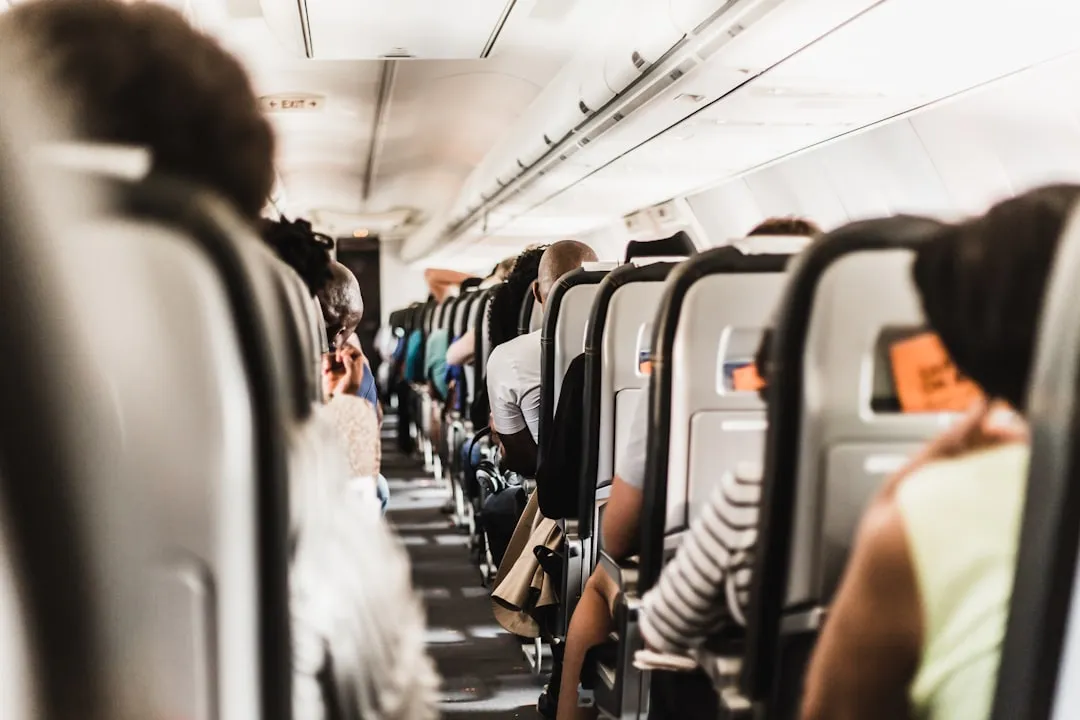
A YouGov survey reveals that most US travelers are generally willing to be accommodating if the request to switch seats is reasonable, and the reason matters. Roughly three in four travelers would be willing to switch seats with someone who wants to sit next to a younger family member, such as a child or dependent, and this willingness is consistent across most age groups, with a slight increase for those aged 65 and over.
Young children should not be separated from their families on flights, and at a minimum should be seated next to at least one parent or responsible adult. Separating a child essentially forces a stranger to act as a caretaker for the duration of the flight. This is widely recognized as the most legitimate reason to request a seat swap, and most passengers respond accordingly.
The Role of Airlines and Federal Policy
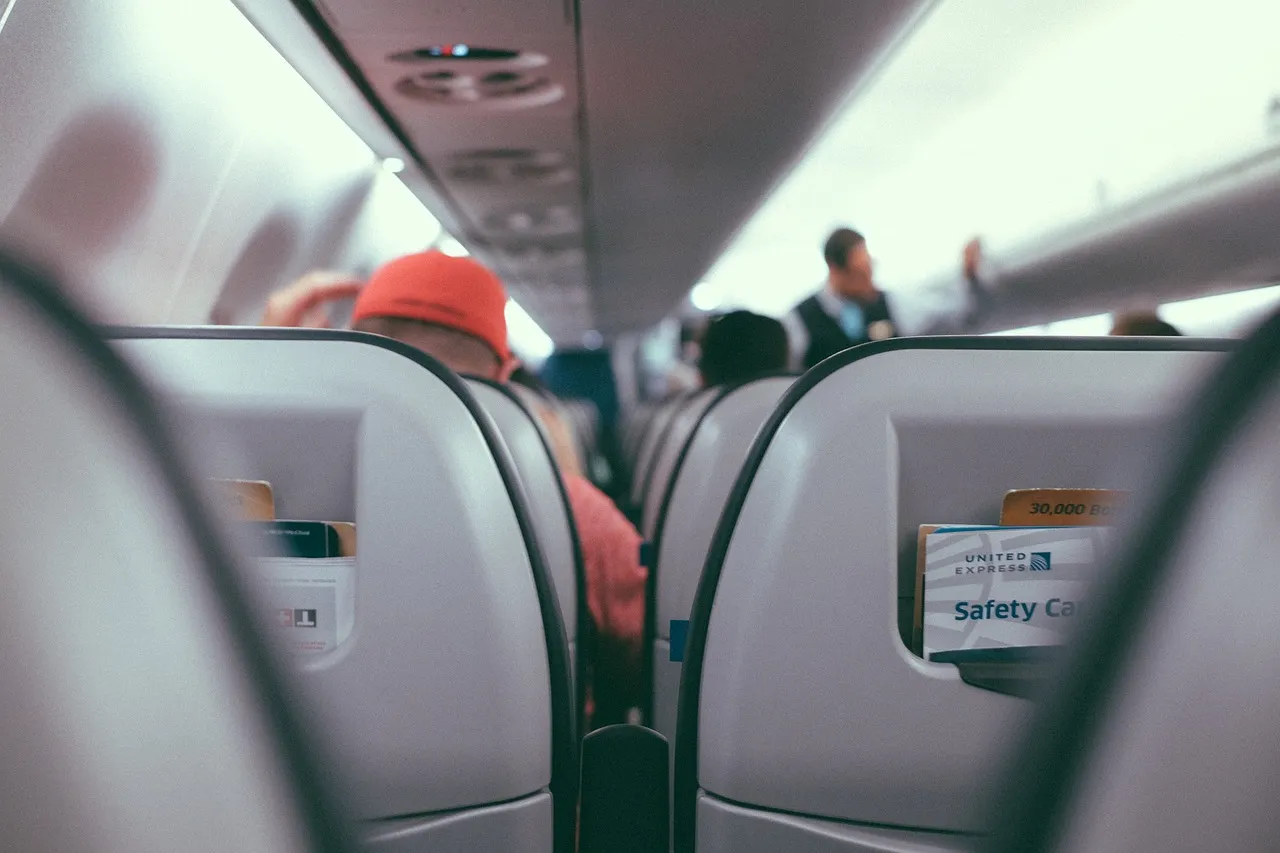
Airlines deserve some of the blame for the seat-switching situation. By charging economy class passengers extra for seat assignments, they have created a group of passengers who arrive without assigned seats and then try to negotiate their way out of the middle seat. Airlines could significantly reduce seat-switching requests if they allowed passengers to choose seats without additional fees.
A new rule proposed by the US Department of Transportation aims to guarantee adjacent seating for families with children aged 13 and under, requiring airlines to seat parents next to their young children for free when adjacent seating is available at booking. Congress gave DOT explicit authority to propose this rule as part of the bipartisan FAA Reauthorization Act of 2024, which would ban airlines from charging fees to assign seats for a young child next to their parent or accompanying adult. If enacted, this kind of structural change could significantly reduce the pressure families feel to approach strangers mid-flight.
When You Can Safely Say No
You may have paid more money for your seat, and you are not responsible for somebody else’s failure to pay more so their group can sit together. That is not a harsh position; it is a straightforward acknowledgment of how seat selection now works. Airlines have built a system around paid preferences, and passengers who planned ahead should not feel obligated to absorb the consequences of those who did not.
If you are on the receiving end of a seat-switch request and do not feel comfortable doing so, a simple “No, thank you, I prefer this seat” is polite and clear. No elaborate explanation is needed, and no guilt is warranted. Etiquette expert Genevieve Dreizen noted that holding a boundary with kindness, clarity, and confidence is especially important in a setting like air travel, where emotions can run high and personal space is at a premium.
Safety Considerations Most Passengers Overlook
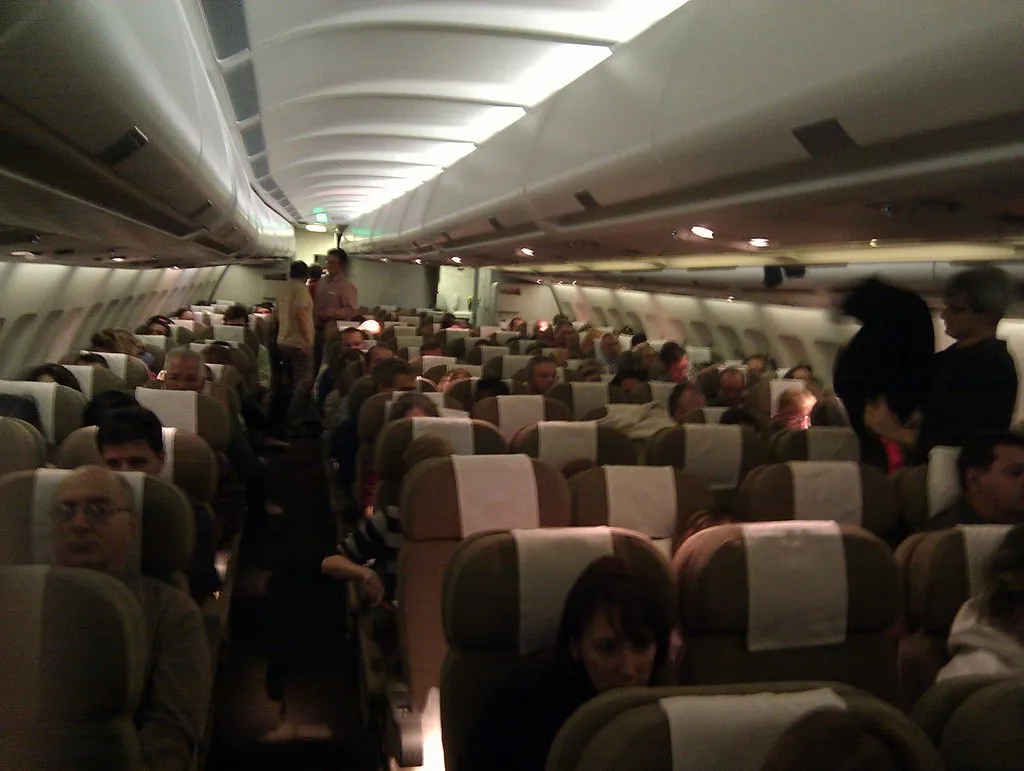
On smaller planes, a seat switch can actually affect the safety of the entire aircraft. Before each flight, the crew checks to ensure the aircraft is properly balanced, and if you move, you could shift the plane’s balance in the wrong direction, making it harder to fly. This is rarely discussed in everyday conversations about seat swapping, but it is a legitimate concern on regional jets and turboprops.
In post-accident investigations, seating data helps agencies such as the US National Transportation Safety Board reconstruct what happened inside the cabin. Investigators compare passenger injuries and survival outcomes with their recorded seat locations. If passengers swap seats without telling the crew, the accuracy of that record breaks down, which can complicate evacuation coordination and delay victim identification. Informing a flight attendant whenever you move is a small step that genuinely matters.
The Right Way to Handle the Whole Situation
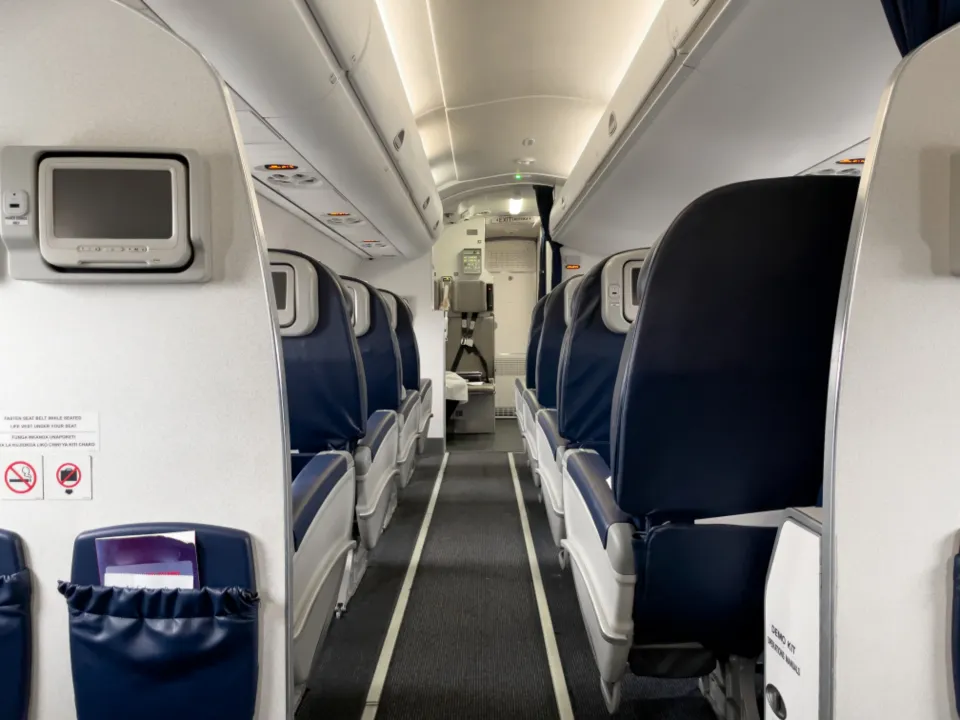
The best time to solve a seating issue is before you set foot on the plane. If you know you will need a new seat assignment, speaking with the gate agent before boarding begins is the smartest move. Gate agents have access to the airplane’s seat map and assign seats to standby passengers right before boarding, which means they may be able to shuffle things around to accommodate your needs.
At the end of the day, patience is key to a successful seat swap. Whether you are making the request or on the receiving end of one, a little empathy makes the journey safer and more comfortable for everyone. Approaching the situation with genuine consideration rather than assumption tends to resolve most of the tension before it ever starts.
The Takeaway
Asking to switch seats on a plane is not inherently rude. The survey data, the etiquette experts, and the general consensus all point to the same conclusion: it is the how, the why, and the what-you-are-offering that determine whether the request is reasonable or inconsiderate.
Ask once, ask kindly, offer something fair in return, and accept a no without drama. On the other side, know that saying no is completely acceptable, no explanation required. The cabin is a shared space with real boundaries, and treating it that way is the closest thing there is to a universal rule of the skies.
AI Disclaimer: This article was created with the assistance of AI tools and reviewed by a human editor.