


Most Americans have heard of the Outer Banks, Cape Cod, or the Florida Keys. Very few have heard of Cumberland Island. That’s exactly the point.
Tucked against the southernmost edge of Georgia’s coastline, this barrier island sits just a ferry ride from the small town of St. Marys, and yet it feels like a different century entirely. There are no chain restaurants here. No surf shops. No lifeguard towers painted in cheerful primary colors. What there is, though, is something increasingly hard to find along the Atlantic coast: actual, unhurried wildness.
A Place That Officially Caps Its Own Crowd
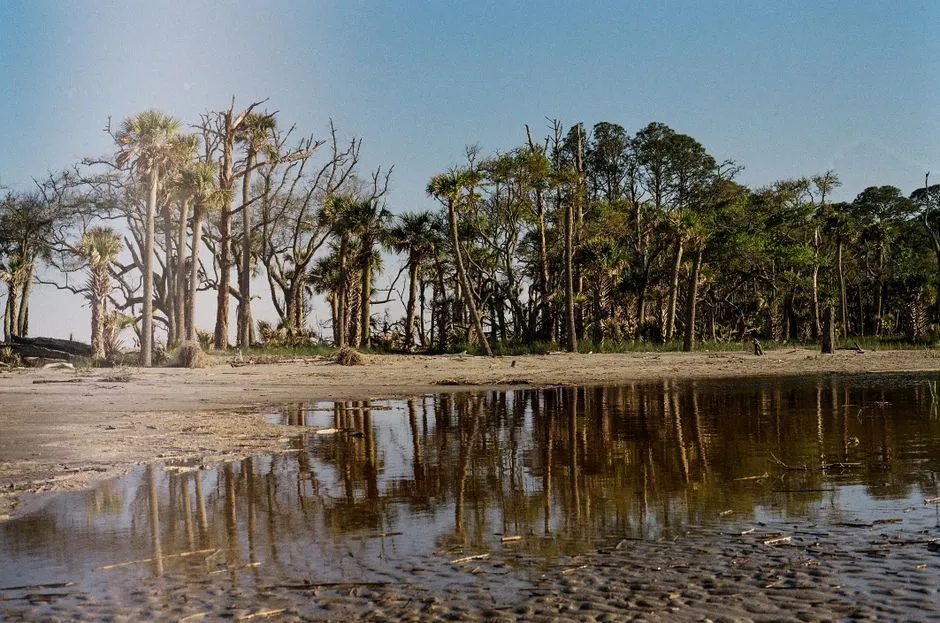
Most popular beach destinations spend enormous energy trying to attract more visitors. Cumberland Island does something almost unthinkable in the modern tourism economy: it limits how many people can come. The National Park Service restricts access to 300 people on the island at a time, and campers are allowed to stay no more than seven nights.
Cumberland Island National Seashore encompasses 18 miles of beach that lies off the coast of Georgia, and it has been limited to 300 visitors per day since the 1980s. To put that in context, a single mile of popular Florida beach on a summer weekend can host that many people in a single afternoon. The cap is not a quirk. It’s a policy, and it has defined the island’s character for decades.
Cumberland Island saw 64,700 visitors in 2024, which sounds substantial until you compare it to places like Cape Hatteras National Seashore, which draws millions annually. For a federally protected shoreline of this length and beauty, that number is strikingly small. It keeps the island quiet, rare, and genuinely secluded in a way most national parks simply are not.
Seventeen Miles of Undeveloped Beach
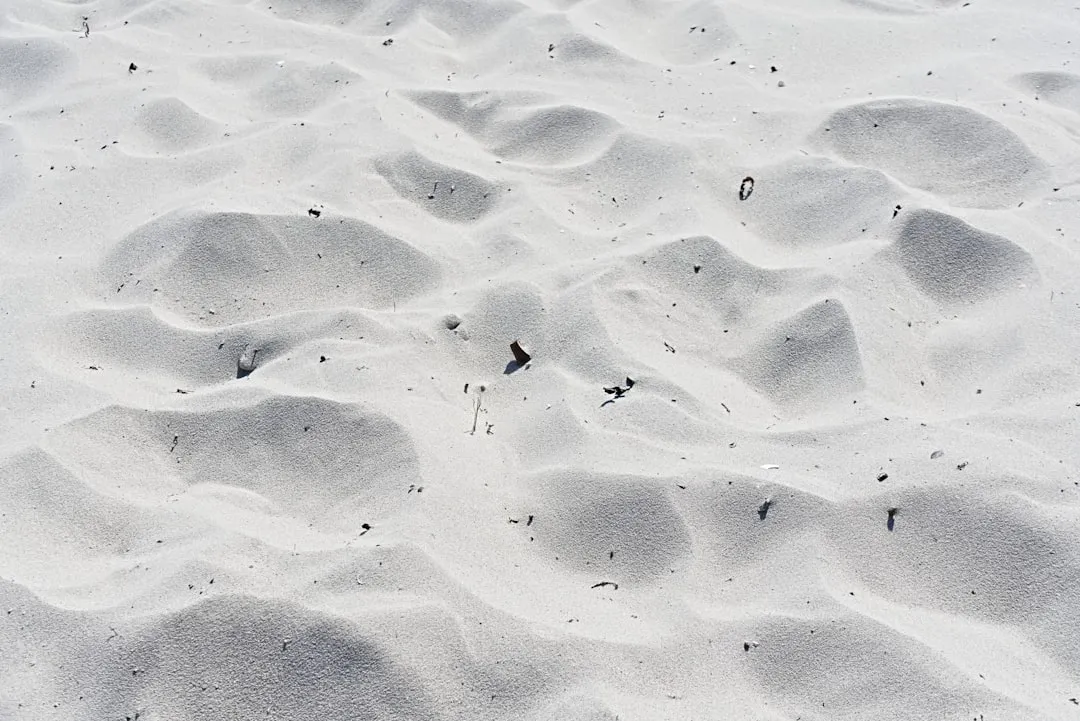
Unfolding like a secret on the southernmost fringe of Georgia’s coast, Cumberland Island is the largest and southernmost barrier island in the Peach State, gleaming with 17 miles of secluded white sand beaches facing the Atlantic Ocean. That shoreline is not groomed. It is not managed for aesthetics. It simply exists as it always has.
The entire Atlantic coast of Cumberland Island is beach, and visitors are welcome to swim and walk on every foot that lies within the National Seashore boundary. All beaches are pristine without any development on them. There are no vendor stands, no umbrellas for rent, no cocktail bars with ocean views. Just dunes, sea oats, and the Atlantic.
Cumberland Island’s natural treasures are preserved in large part by Cumberland Island National Seashore, established in 1972, which protects 17.5 miles of beaches and 36,415 acres of dunes, forest, swamp, ponds, and marshes. The scale of this preservation is worth pausing on. It is one of the largest undeveloped barrier island habitats remaining on the entire East Coast.
Wild Horses on an Empty Beach
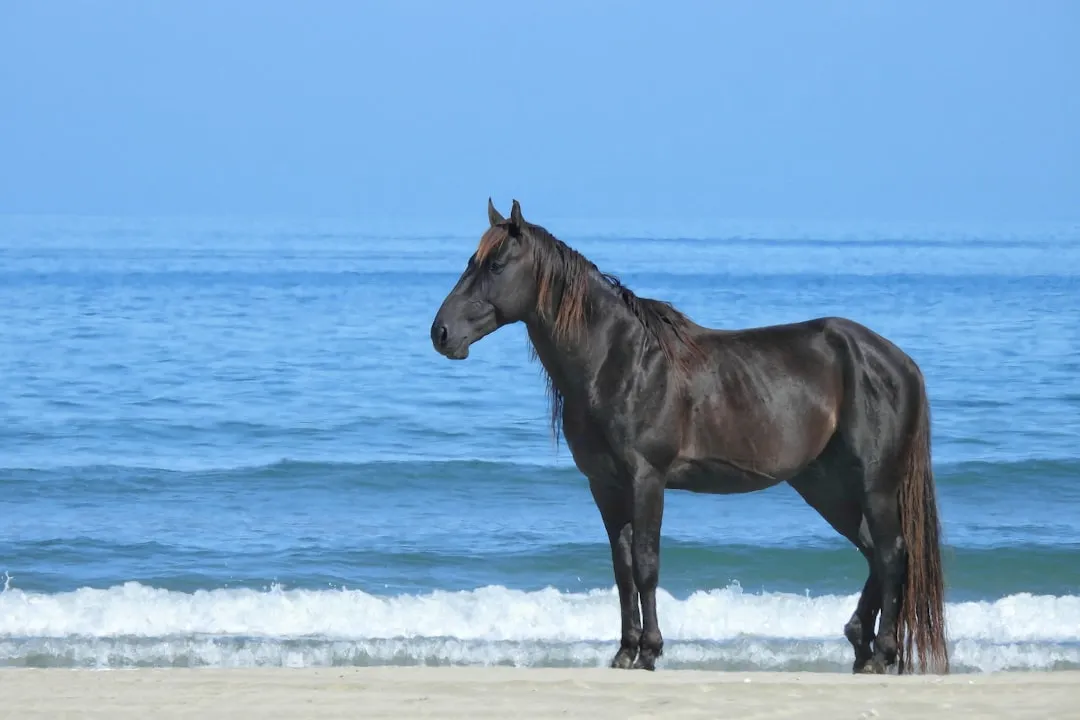
The beaches at Cumberland Island are undeveloped, with only hoofprints of the feral horses marking the shoreline. It sounds almost fictional. Feral horses, roaming freely across Atlantic beaches, with no fence lines and no enclosures, simply living as they have for generations.
As of today, there are roughly 150 to 200 wild feral horses that call this secluded island home. The island’s wild horses are descendants of domestic horses brought by European settlers. Over time, they adapted completely to the island’s rhythms, grazing on marsh grasses and sheltering in the maritime forest.
As if the beautiful, quiet beaches weren’t enough, there are also wild horses roaming free on Cumberland Island. It’s an experience unlike anywhere else, where visitors can have nearly private beaches with horses wandering around on the sand nearby. Few wildlife encounters in North America are as quietly extraordinary as this one.
A Biodiversity That Rivals Much Larger Parks
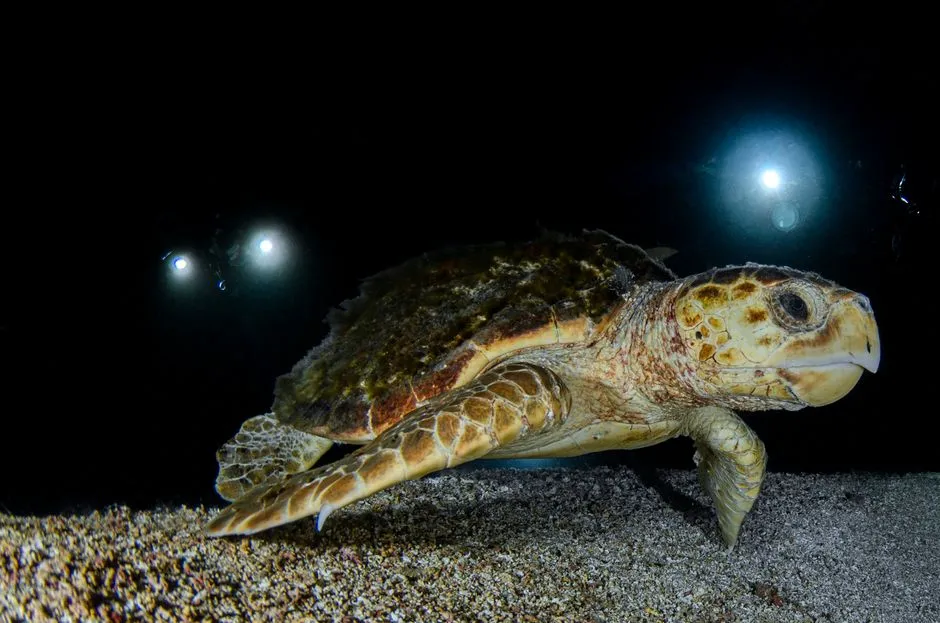
Cumberland Island National Seashore contains a dense diversity of coastal flora and fauna. The National Park Service employs a full-time wildlife manager and scientists, and hosts researchers periodically. The park contains at least 23 distinct ecological communities, making it the largest and most biodiverse of Georgia’s barrier islands.
Loggerhead turtles nest on the island’s northern beach, alligators inhabit the ponds and swamps, and shorebirds like pelicans, egrets, and herons can be spotted foraging or flying. Along with the wild horses, visitors will find alligators, hogs, sea turtles, armadillos, snakes, and a variety of birds perfect for birdwatchers.
Sand beaches and dune systems protect the island from the sea, and the island, in turn, protects the salt marshes separating it from the mainland. Its interior is a well-preserved maritime forest dotted with freshwater ponds, saltwater coves, and swamps. This layered, interdependent ecosystem is part of what makes Cumberland Island so scientifically and ecologically significant.
The Carnegie Ruins and Four Thousand Years of History
The indigenous peoples were the first settlers on the island about 4,000 years ago until Spanish colonization took place in the 16th and 17th centuries, which included the island as part of Spanish Florida. Long before Gilded Age wealth arrived on its shores, Cumberland was already layered with history, ceremony, and human presence.
Abandoned after the Civil War, the estate was purchased by the Carnegie family in 1881, who transformed the ruins and agricultural lands into a glamorous, 59-room Queen Anne-style mansion with a network of lush gardens and manicured lawns. This mansion was part of a large and lavish winter estate for the Carnegie family, which included pools, a golf course, and 40 smaller buildings.
In 1959, the Dungeness mansion was destroyed by fire, alleged to be arson. The ruins are today preserved by the National Park Service as part of Cumberland Island National Seashore. Walking through what remains of Dungeness, with wild horses grazing nearby and live oaks draped in Spanish moss overhead, is an experience that sits somewhere between history lesson and fever dream.
Getting There Requires Genuine Intention
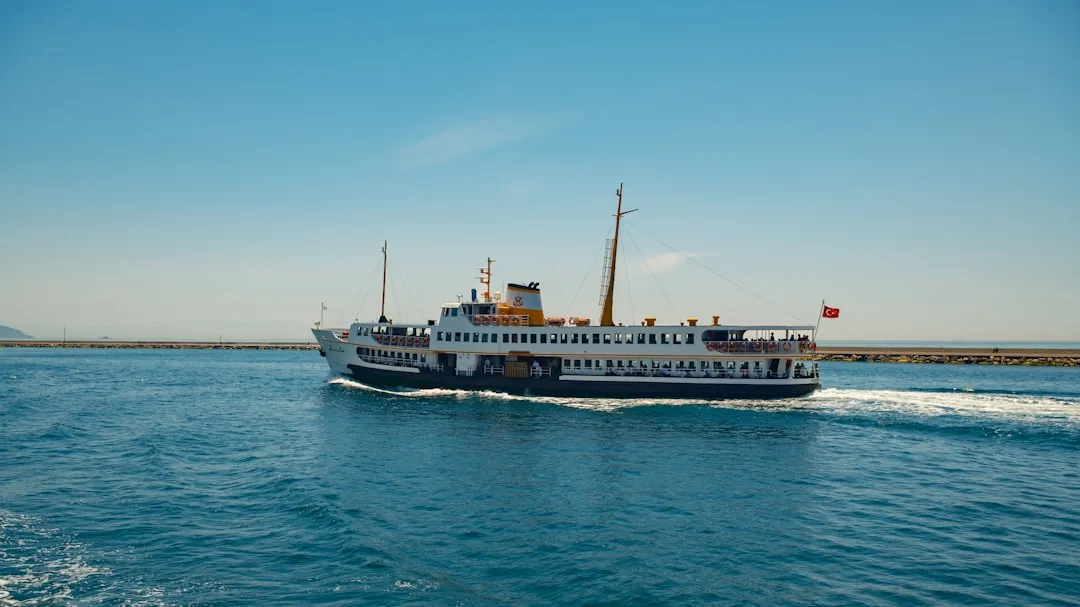
The island is secluded enough, and there’s no connecting bridge for vehicles to get to it. It’s only accessible by boat, and visitors need a reservation to take the ferry from the town of St. Marys, the gateway to Cumberland. That simple fact filters out casual day-trippers and keeps the island’s rhythm slow and deliberate.
Visitors cannot bring vehicles on the ferry, and there are no paved roads or trails. Visitors must explore the island on foot, by bicycle, or through guided tours provided by the National Park Service. This car-free policy preserves the island’s natural beauty and ensures a quiet, serene environment.
All food, ice, and supplies must be brought from the mainland, as there are no stores on the island. There’s no cell service, no gift shops, and no high-rise hotels obstructing the natural views of the island. For visitors willing to plan ahead, this is not a hardship. It is a feature.
A Wedding That the World Barely Found Out About

The island’s reputation for privacy drew even the most publicly scrutinized figures in American life. The late John F. Kennedy Jr. and his wife Carolyn Bessette chose the magnificent natural setting and seclusion of Cumberland Island for their secretive wedding. It took several days for the national media to find out about their trip to the altar, in a tiny, antiquated church on this island.
The First African Baptist Church was the secret venue for JFK Jr.’s 1996 wedding, adding to the island’s mystique. Cumberland reportedly was one of John’s favorite escapes, having visited this island since he was a teenager. The church itself, a small historic structure built by formerly enslaved people, predates the wedding by well over a century.
Now, a Debate Over Who Should Have Access
In 2026, Cumberland Island is quietly at the center of a larger national conversation about who America’s wild places are really for. In a new Visitor Use Management Plan for 2026, the NPS is proposing expanding the daily visitor number to over 700. It recommends increasing ferry schedules and routes, establishing new campgrounds, building new concessions, and allowing e-bikes in wilderness areas.
Conservation groups have responded cautiously. The Georgia Conservancy stated in its public comment that the proposal would represent a significant change in island management and, if not implemented correctly, could strain NPS human resources and impact the island’s natural resources, especially in the Wilderness area. The tension between access and preservation is real, and it isn’t easily resolved.
For now, at least, the 300-person cap still applies. Visitors should reserve their ferry slot online well in advance. Whether or not the daily limit eventually rises, the island’s fundamental wildness, its horses, its ruins, its miles of quiet shoreline, will remain well worth the effort to reach.
Sapelo Island: Georgia’s Other Forgotten Coast
Cumberland is not the only island off Georgia’s coast that deserves thoughtful attention. Sapelo Island, located further north near McIntosh County, offers an equally profound but entirely different experience. Sapelo Island is located seven miles off the mainland coast of Georgia, larger than Bermuda and approximately the same size as Manhattan or St. Simons Island, yet it has fewer than 25 permanent residents. Loved for its primitive and undeveloped beauty, it remains in its natural state unmatched anywhere on the Atlantic Coast.
Sapelo is the site of Hog Hammock, the last known Gullah Geechee community on the island. The historic community of Hog Hammock remains one of the last surviving Gullah Geechee settlements in Georgia. Residents continue to maintain cultural traditions that have been passed down for generations, including storytelling, traditional cuisine, and community celebrations. A visit to Sapelo is, in many ways, a lesson in cultural resilience as much as it is a beach day.
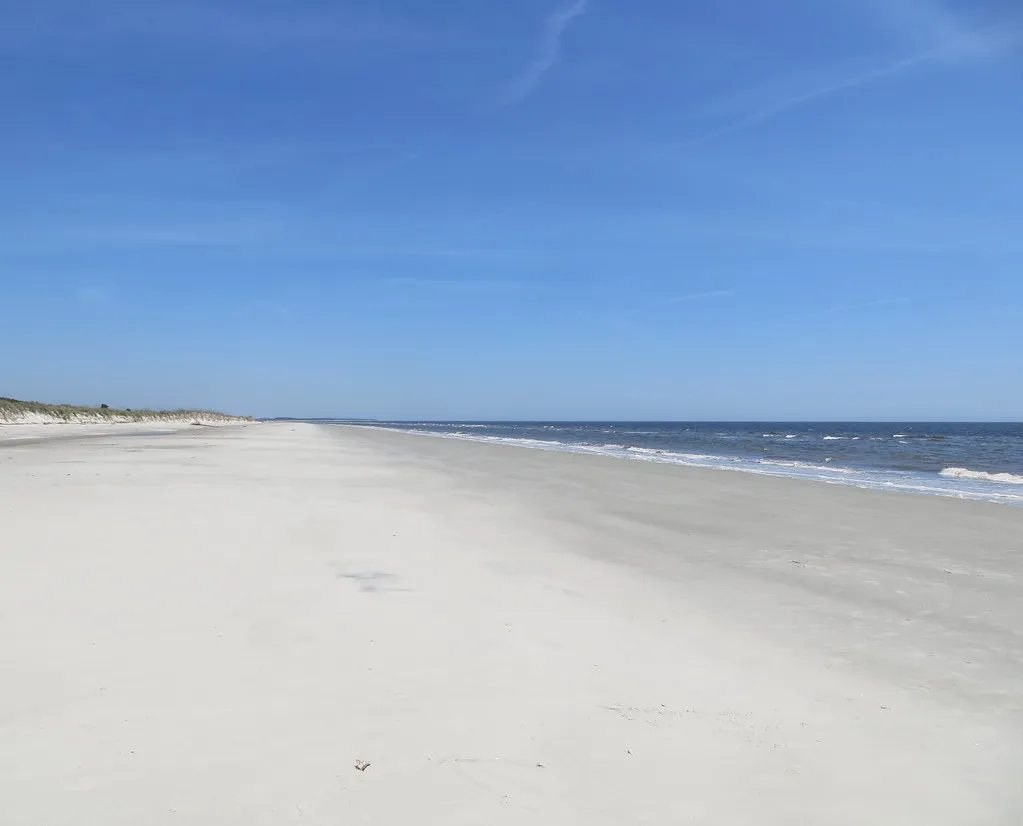
Sapelo Island’s beaches are pristine, undeveloped, unspoiled, and certainly uncrowded. Nanny Goat Beach on Sapelo is known for having the most extensive undisturbed natural beach dunes along the Georgia coast. An average of 50 sea turtles a year crawl Nannygoat and Cabretta beaches during summer to lay their eggs.
Why These Islands Matter Beyond the Beach
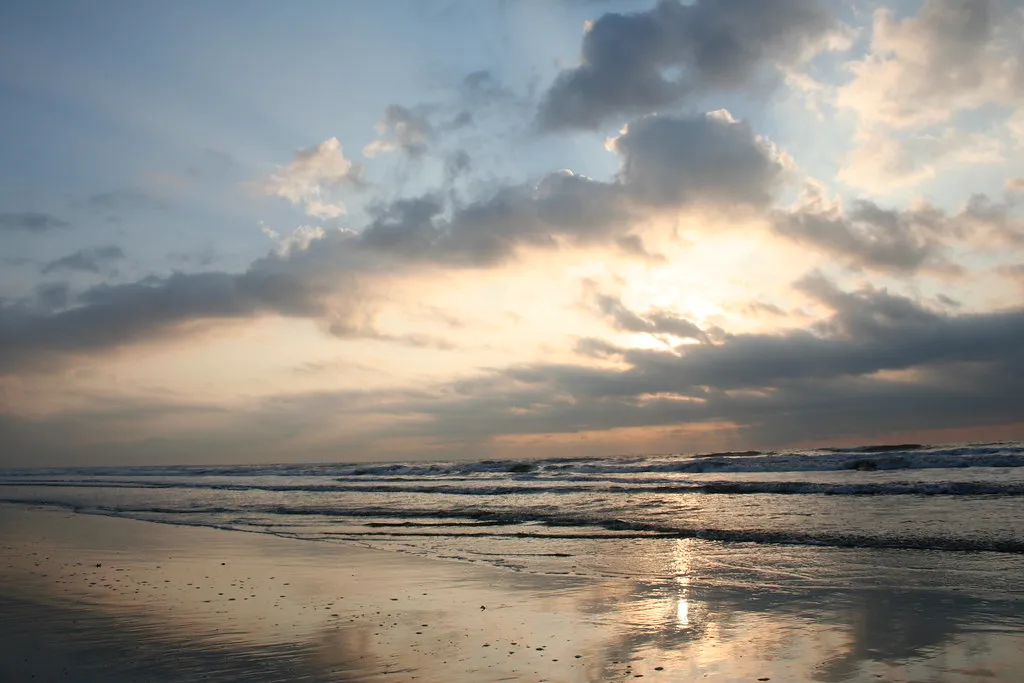
Unlike heavily developed beach towns, Sapelo Island remains largely preserved, allowing visitors to experience the authentic beauty of Georgia’s coastal environment while learning about centuries of history and culture that shaped the region. The same holds for Cumberland. These are not just scenic destinations. They are places where the relationship between land, wildlife, history, and community has been allowed to persist in an honest form.
Located off the most southern corner of Georgia, Cumberland Island is one of the best kept secrets of the South. That status is partly geography, partly policy, and partly the island’s own quiet insistence on being left mostly alone. In a coastal landscape that has seen resort after resort rise and spread, that restraint is increasingly precious.
The best argument for visiting either island isn’t that they beat some other destination. It’s simpler than that. Visitors to Sapelo say time stops when stepping off the ferry. For those who sojourn on the island, there’s an undeniable sense of living between centuries, a special place disconnected and cloistered away from the rest of the world. That feeling, genuinely hard to manufacture anywhere, is exactly what makes Georgia’s forgotten islands worth finding.
Planning a Visit: What You Should Know Before You Go
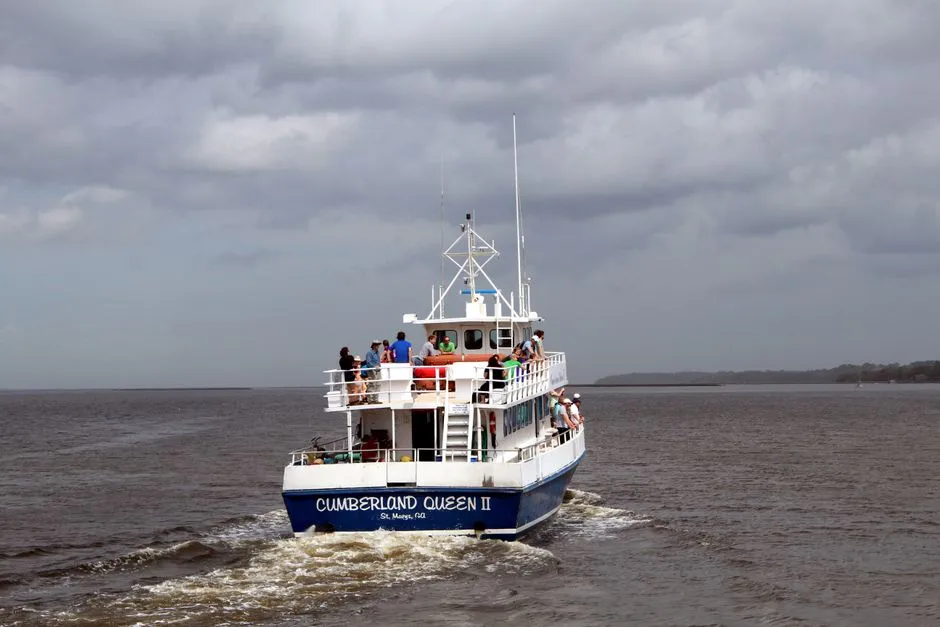
A day pass for the island is $15 for visitors over 16 and free for those under that age. The Cumberland Island Ferry from Saint Mary’s, Georgia, is $80 for two roundtrip adult tickets, and for $10 more, visitors can bring their bike. Spots fill up weeks in advance during peak season, so booking early is essential rather than optional.
The Cumberland Queen ferry runs three times a day from March 1 through September 30. From October 1 to November 30, it only runs twice a day. From December 1 to February 28, the boat runs twice a day only on certain days of the week. The best time to visit is mid-March through early June, avoiding the peak heat and the bugs.
For Sapelo, the access system is different but equally intentional. The island is accessible only by ferry from the mainland town of Darien. The ferry service is operated by the state of Georgia and provides transportation for residents, researchers, and visitors. Because access is limited, travelers usually need to make reservations in advance. Guided tours run on select days, and the experience benefits enormously from going with a knowledgeable local guide.
Georgia’s barrier islands have been quietly existing at the edge of national awareness for decades, largely unbothered by the mass tourism that has transformed so much of the American coast. That might not last forever. The proposed visitor cap changes at Cumberland are a signal that even quiet places eventually attract attention. The wisest response, perhaps, is simply to go now, go carefully, and leave as few traces as possible. Some places are worth protecting precisely because they feel like secrets.
AI Disclaimer: This article was created with the assistance of AI tools and reviewed by a human editor.