


There’s a small town in the upper northwest corner of Illinois that most people drive past on the way to somewhere else. It sits above the Mississippi River on a series of dramatic limestone bluffs, its streets still lined with the same red brick buildings that stood during the Civil War. Most travelers scanning a map of the Midwest won’t think to stop here.
That town is Galena, Illinois, and the numbers behind it are quietly remarkable. A closer look suggests this isn’t just another nostalgic small town – it’s one of the most economically productive tourism destinations in the entire region, and word is clearly getting out.
A Town Frozen in Its 19th-Century Prime
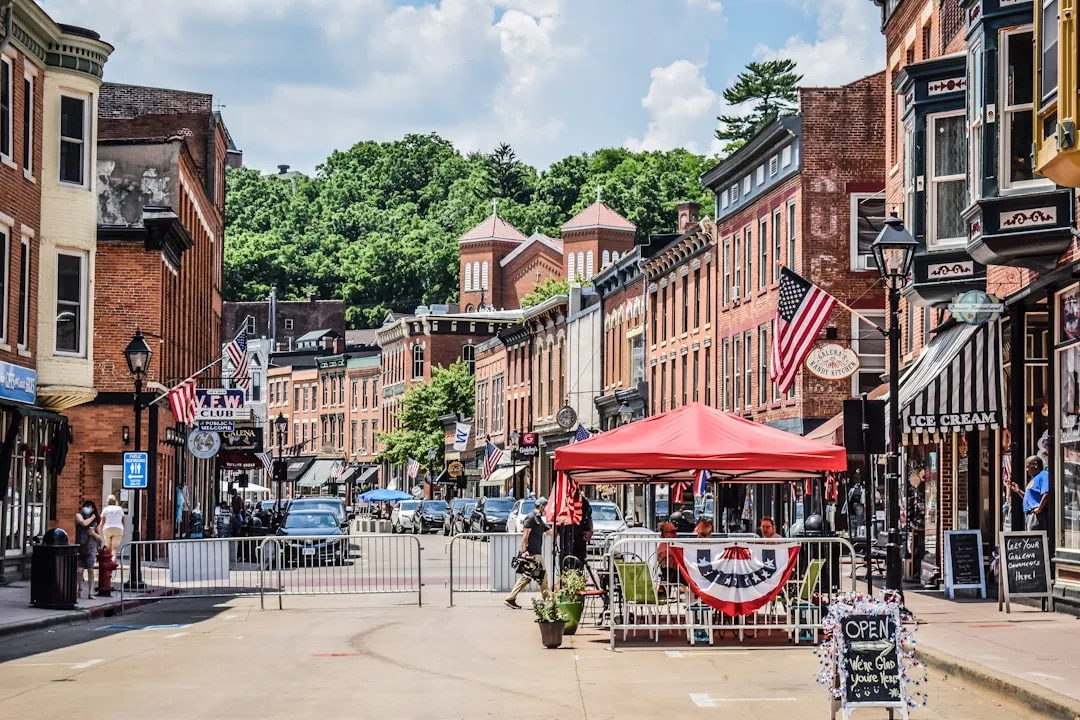
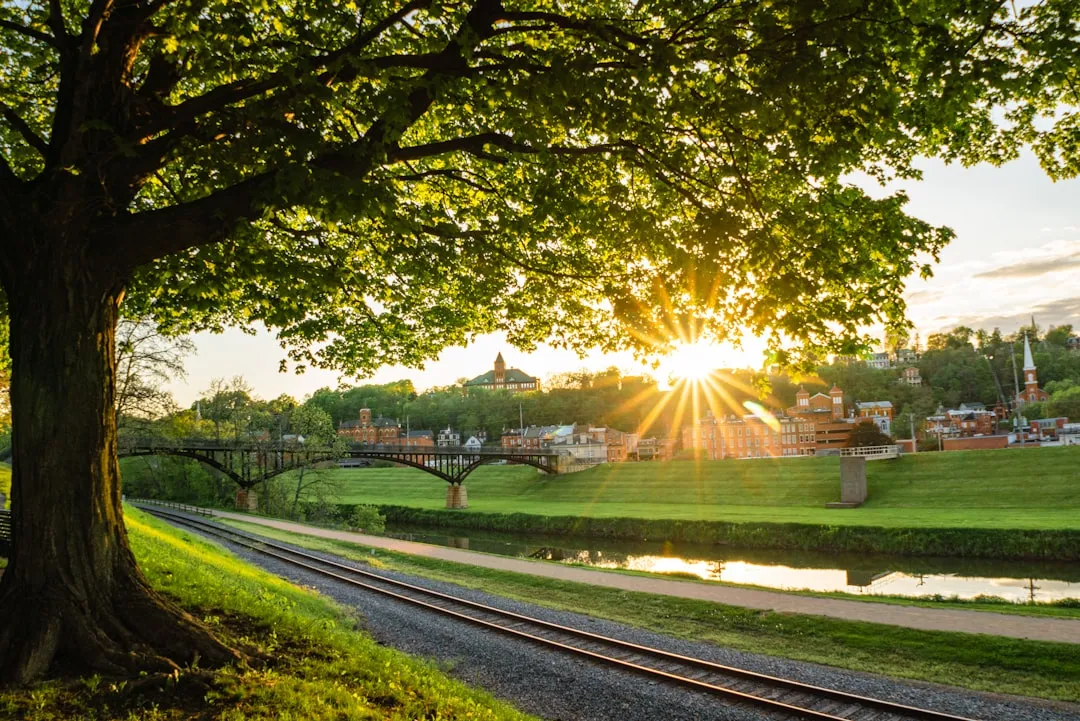
Galena is a perfectly preserved 19th-century town perched on the bluffs of the Mississippi River. That description isn’t marketing language – it’s architecturally accurate. Galena is what a charming river town looks like if you freeze it in its 1850s prime, then add great restaurants and modern bed-and-breakfasts. Main Street’s lined with red brick buildings that once hosted Lincoln, while new wine tasting rooms and art galleries keep things from feeling like a museum.
Galena developed as the largest steamboat hub on the Mississippi River north of St. Louis, and it was the home of Ulysses S. Grant and eight other Civil War generals. That kind of density of history in a town of just over 3,000 people is genuinely unusual.
The Numbers Behind the Charm

The 2025 Galena Country Tourism Impact Report highlights a record-setting year with $554 million in economic impact and over 3,000 tourism-supported jobs, showcasing key metrics, digital growth, community engagement, and award-winning hospitality. For a town with a population comparable to a small college campus, that figure is striking.
The combined city and county lodging tax revenues peaked at over $2.2 million in the 2025 cycle. Every boutique hotel stay and heritage bed-and-breakfast booking contributes to a fund that reinvests back into the very beauty and preservation that draws visitors – a virtuous cycle of tourism that ensures Galena remains a pristine, high-value destination. The economics here are self-reinforcing in a way that many small towns struggle to replicate.
Nearly a Million Visitors and Counting
Galena’s rolling hills, history, 19th-century architecture, and opportunities for year-round outdoor recreation attract nearly a million visitors a year. That’s a significant draw for a town most people outside the Midwest have never heard of. The Galena Country Tourism office notes the town is situated just three hours from a market of nine million people – meaning the entire Chicago metro area is within easy weekend driving distance.
Illinois experienced a tourism boom in 2024, attracting 113 million visitors who spent a record $48.5 billion, generating $4.7 billion in state and local tax revenue and supporting over 282,000 jobs. Galena sits inside that surging statewide momentum as one of the standout smaller destinations.
The Geology That Makes It Look Nothing Like the Rest of the Midwest
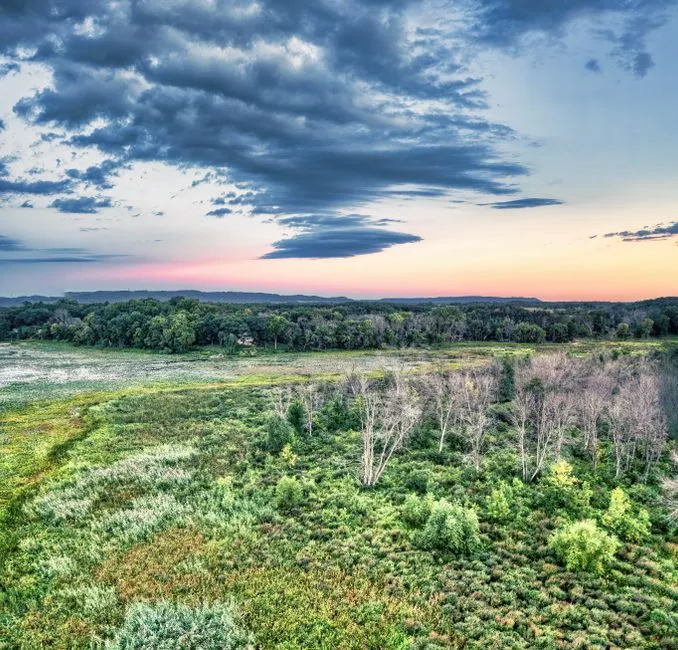
During the most recent ice age, the area around Galena was spared by the same glaciers that flattened most of the Midwest. Geologists have dubbed it the “Driftless Area,” marked by deep river valleys, clear streams, and forested hillsides. This is a rare and scientifically meaningful distinction – and it’s precisely why Galena doesn’t look like the flat agricultural landscape most people associate with Illinois.
The Driftless Area can be explored by hiking at the nearby Casper Bluff Land and Water Reserve, which is also home to several effigy mounds. Bird lovers will enjoy searching for bald eagles, white pelicans, white trumpeter swans, and more than 200 other bird species that call the region home. It’s the kind of natural variety that tends to surprise first-time visitors.
A History That Goes Deeper Than Civil War Generals
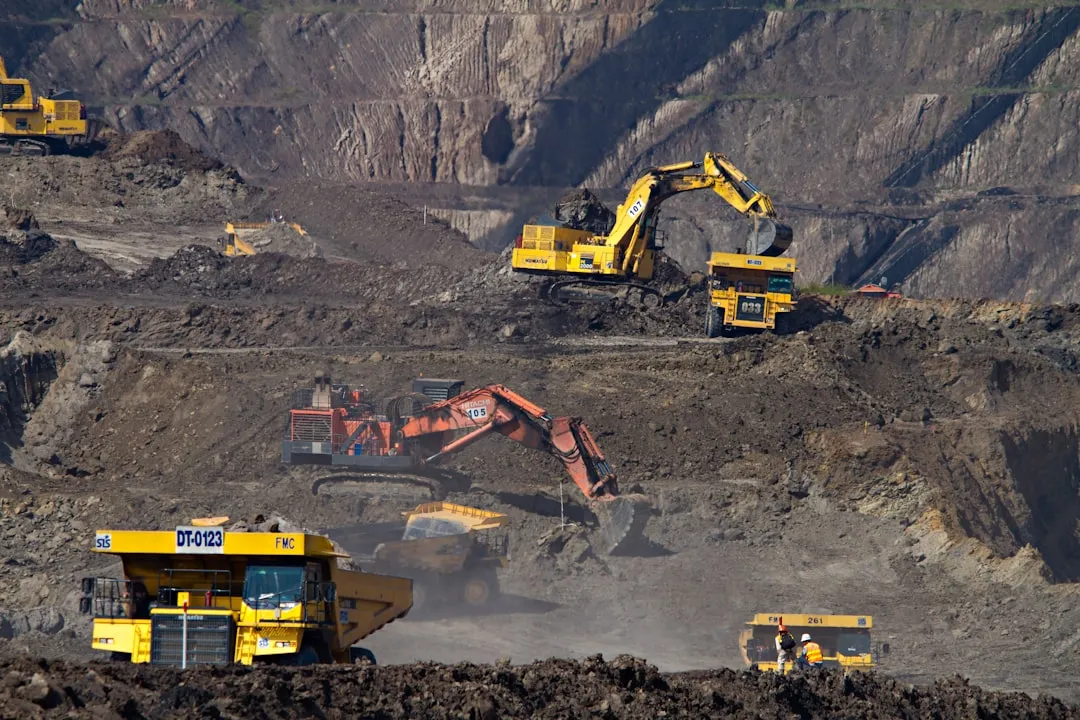
Native Americans – primarily Meskwaki, Ho-Chunk, Sauk, and Menominee – had mined galena in the area for more than a thousand years before European Americans settled there. Owing to these deposits, Galena was the site of the first major mineral rush in the United States, and by 1828 its population was estimated at 10,000, rivaling the population of Chicago at the time.
By 1845 Galena was producing nearly 27,000 tons of lead ore annually, and Jo Daviess County was producing 80 percent of the lead in the United States. That staggering industrial peak, followed by a long quiet decline, is actually what preserved the town’s architecture intact. There was no boom-era redevelopment to tear the old buildings down.
What There Is to Do on a Typical Weekend

Visitors can hike or bike the scenic trails at Casper Bluff, which offer amazing views of the Mississippi River on more than 85 acres atop the bluffs, and spot Native American archaeology while there. Ninety-minute eco-cruises on the Mississippi River depart from the base of the bluff below Chestnut Mountain Resort, while Galena Trolley Tours offer either a one-hour tour of historic sites or a two-hour tour of historic homes.
At Hoof It Goat Treks, visitors can walk 1.25 miles through land that’s been in the same family for four generations. The hike takes 45 to 60 minutes, is open to all ages, and includes 29 friendly goats who follow you through the woods and prairies. It sounds quirky, but it’s the kind of specific, unhurried experience that weekend travelers increasingly seek out.
The “Hallmark Town” Effect and Its Real-World Consequences
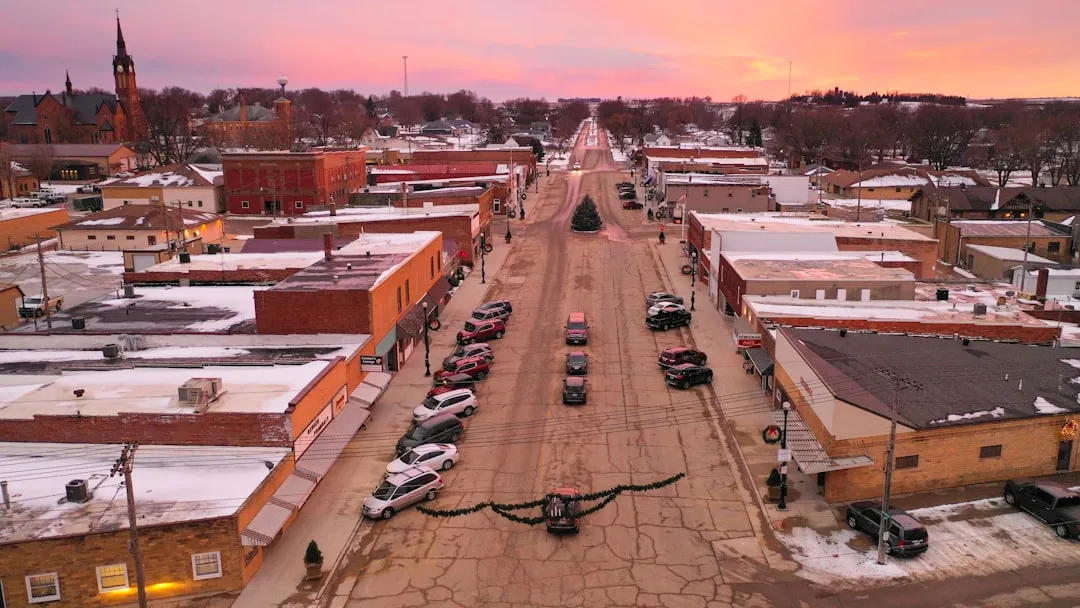
Galena has gained a reputation as a picture-perfect “Hallmark movie town.” Charming shops, restaurants, and historic buildings line its quaint downtown, and scenic river views make it easy to forget you’re still in Illinois. That soft cultural cachet translates directly into visitor interest, particularly from travelers looking for an alternative to coastal getaways.
The flip side is real, though. Galena, known for its historic beauty, faces a genuine conundrum. As tourists flock to its charming streets, the town grapples with maintaining its authenticity. Family-run shops rich with history are feeling the pressure, and local owners find it difficult to compete with businesses that cater specifically to tourists. Growth at this scale always comes with trade-offs, and Galena is navigating that tension carefully.
Illinois Is Actively Leaning Into the Momentum
Illinois rolled out its refreshed “Meet in the Middle” campaign from the Illinois Office of Tourism, launching April 6, 2026. This evolution of the “Middle of Everything” platform beckons travelers to converge for spring and summer adventures blending urban buzz, natural escapes, and historic gems. Small towns like Galena, with their wine trails, are explicitly featured as part of balancing the state’s broader tourism appeal.
Illinois is home to the longest stretch of the Great River Road – over 500 miles – and road trippers will discover a lot to explore along the way, including Galena, a historic town that’s often named one of the top towns in America. That trail context matters, because it gives visitors a reason to combine Galena with a broader road trip rather than treat it as an isolated destination.
How It Compares to Other Midwest River Towns
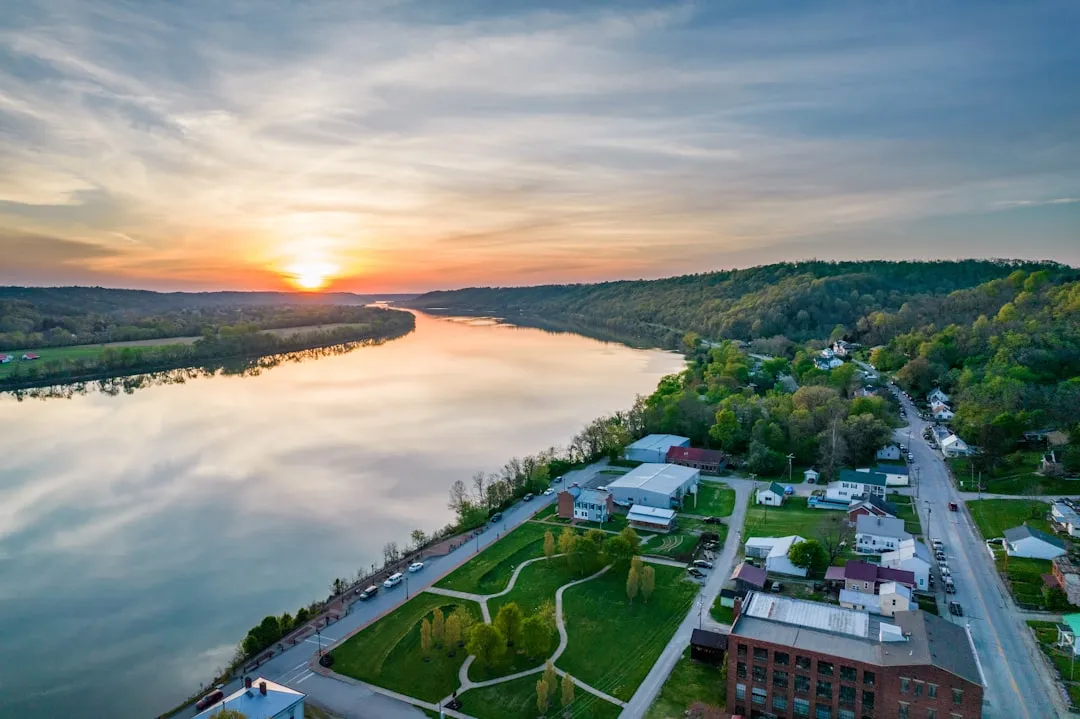
Madison, Indiana, located on the shores of the Ohio River, is a charming town with beautiful historic buildings, forests, and delicious food. Clifty Falls State Park is the area’s pride, with ten hiking trails and scenic views, and visitors can take a New Zealand-style jet boat tour of the Ohio River. Towns like Madison show that Galena isn’t alone in this category – the Midwest has a quiet belt of Mississippi and Ohio River towns that punch above their weight.
Breaking up the agricultural areas found throughout America’s Midwest are scenic state parks, relaxing escapes on the Great Lakes, and sprawling metropolitan areas, providing numerous destinations for weekend warriors. Galena fits into this landscape as one of the more complete packages: history, nature, food, and water, all within a single small town footprint.
The Bigger Picture: Why River Towns Are Having a Moment
Sustainability is a growing focus in Midwest travel, with eco-friendly hotels emerging across the region. Travelers are increasingly drawn to immersive experiences that connect them deeply with local cultures. River towns offer exactly that kind of grounded, specific experience – a connection to place that a generic resort simply can’t replicate.
As more and more people make travel a priority, many popular destinations have become unbearably crowded. The emerging trend is to head to a more underrated destination that offers the same level of adventure without the crowds. Galena, for now, still sits on the right side of that line – popular enough to have real infrastructure, not so famous that the experience is diluted.
Worth the Drive? The Honest Assessment
The word “forgotten” in Galena’s story is mostly a technicality. If Chicago is the muscle of Illinois tourism, Galena is undoubtedly its soul. In 2025, this historic enclave proved that “small-town charm” can produce “big-city revenue,” captivating those who seek the sophisticated tranquility of the Driftless Area.
The challenge lies in balancing the benefits of tourism with the need to preserve unique local identities. Without careful management, the very essence that attracts visitors could be lost. That’s a legitimate concern worth watching. Still, for anyone within a three-hour radius looking for a weekend that actually feels different from the usual options, the case for Galena is hard to argue against.
There’s something to be said for a place that survived a complete economic collapse, kept its buildings standing, and somehow emerged on the other side as one of the most visited small towns in the Midwest. That’s not nostalgia – that’s resilience with a very good view.
AI Disclaimer: This article was created with the assistance of AI tools and reviewed by a human editor.