
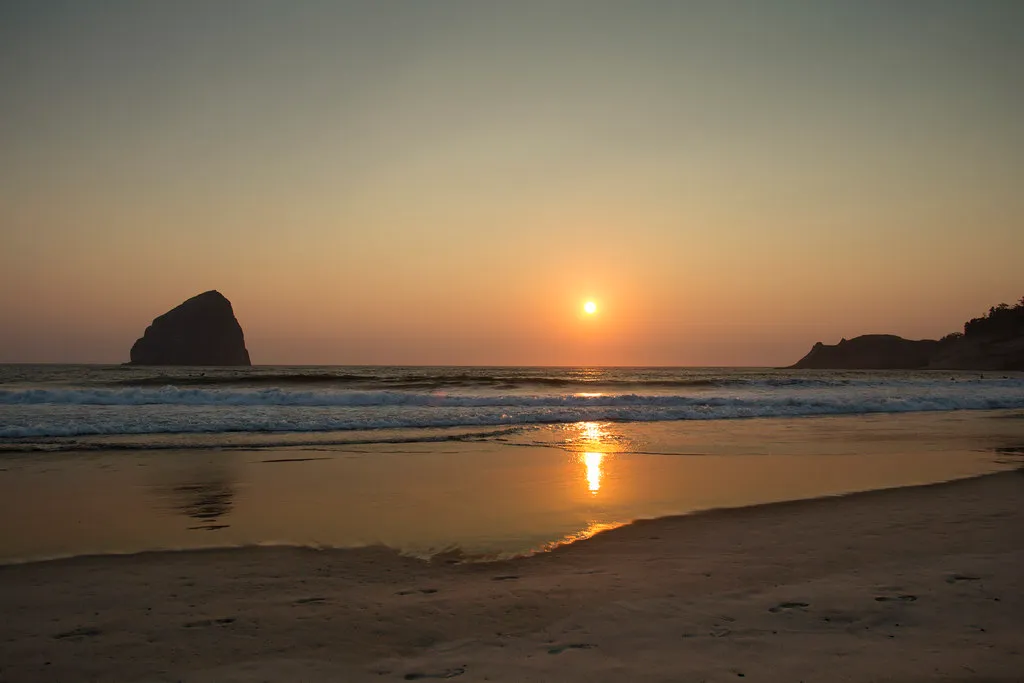

There’s a stretch of the American West Coast that most travelers simply drive past. It sits far from the resort towns, past the famous lighthouses, tucked between forest and ocean in a corner of southern Oregon and the rugged Washington Peninsula that rarely appears on a mainstream itinerary. Yet those who make the effort come back changed.
The Pacific Northwest coast doesn’t compete with Hawaii or the Carolinas for warm water or wide white sand. It competes on entirely different terms: ancient rock formations, old-growth forest meeting the tide, wildlife at every turn, and a quality of solitude that’s genuinely hard to find in America in 2026. Here’s a closer look at the places making the case.
The Scale of What’s Actually Out There
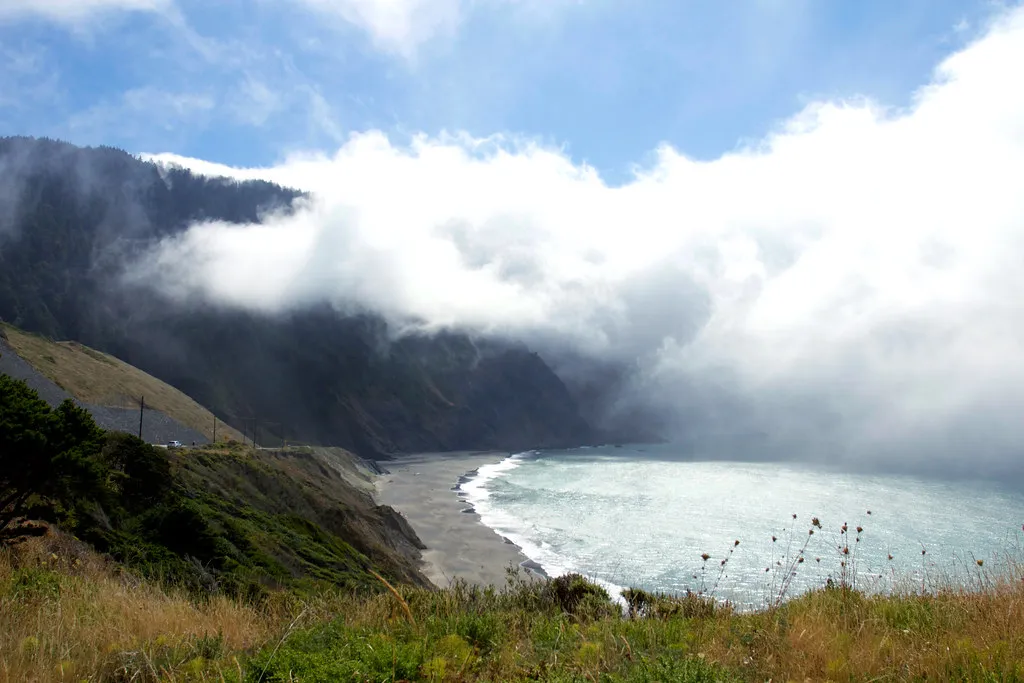
Between Washington and Oregon lies 4,436 miles of coastline, and this landscape is known for its dramatic scenery and breathtaking beaches. That number alone hints at why so much of it stays unknown. Oregon’s 363 miles of coastline alone offers plenty of contenders for the title of best beach.
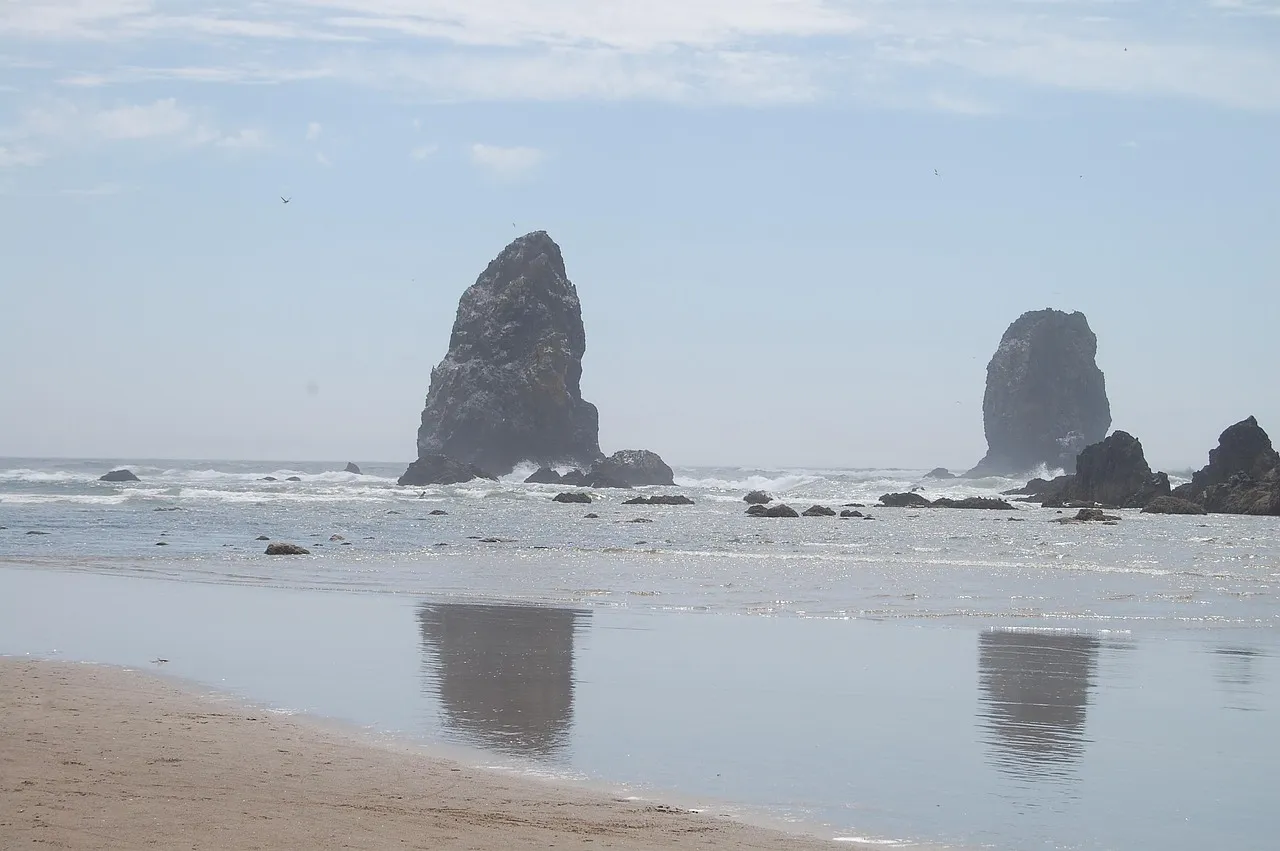
A significant stretch of the Oregon and Washington coast is wild and untamed due to the rocky nature of the landscape, which has long experienced the powerful erosive power of the ocean as the tide ebbs and flows. Over millennia, this constant erosion has slowly produced sea stacks, perhaps the Northwest coast’s most iconic feature.
The result is a coastline that looks prehistoric in the best possible way. These aren’t groomed shores. They are raw, ecologically active places shaped by forces much older than tourism.
Secret Beach Inside the Samuel H. Boardman Scenic Corridor
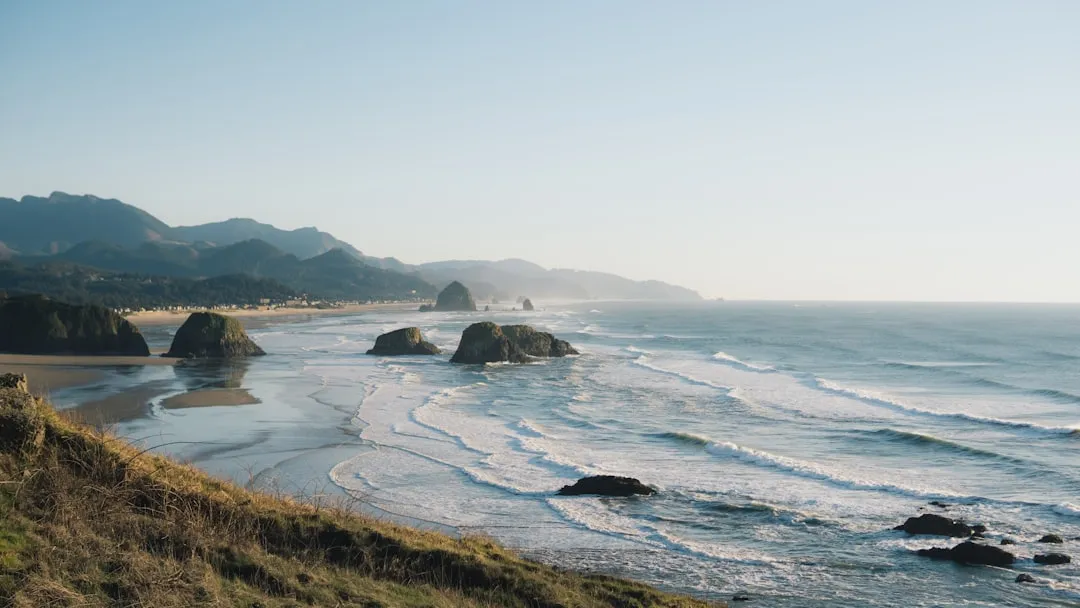
Craggy bluffs, secluded beaches, and offshore rock formations await visitors along the 12 ocean-hugging miles of Samuel H. Boardman State Scenic Corridor, located between Brookings and Gold Beach along Highway 101. Within this corridor, Secret Beach has developed a reputation that extends well beyond Oregon.
Found within Oregon’s Samuel H. Boardman Scenic Corridor near Brookings, Secret Beach retains a magical charm despite its rising Instagram fame. A short, steep trail leads to this cove, surrounded by towering sea cliffs and mossy forest. At low tide, sea caves and natural arches appear, making it a photographer’s haven, especially in the early morning when it’s often empty.
A survey by travel site Frugal Flyer placed Secret Beach fourth on a list of the best secret beaches in the United States. Secret Beach gets a lot of attention, but if you can overlook the lack of secrecy, it’s an incredible beach with scenery not quite like anywhere else on the Oregon Coast. In the remote Samuel Boardman Corridor, it might not be deserted, but it won’t be crowded.
The Man Who Saved the Corridor
Situated along Highway 101, this 12-mile segment of coastline was preserved by Samuel H. Boardman, Oregon’s first state parks superintendent. Recognizing the rare and unique beauty of the area, Boardman dreamed of preserving these rugged cliffs for future generations. He fought for more than 25 years to purchase plots of land from private owners in an effort to make it accessible to the public.
What gems that effort gave us: 300-year-old Sitka spruce trees, the amazing Arch Rock and Natural Bridges, and 27 miles of Oregon Coast Trail that weave through giant forests. Seaside prairies, spectacular vistas, secluded cove beaches, rugged cliffs, and forested sea stacks come one after the other throughout this park.
The corridor exists today precisely because one person decided the beauty was worth fighting for. That history matters. The land you’re walking through was nearly lost to private development.
Natural Bridges and the Geology Beneath Your Feet
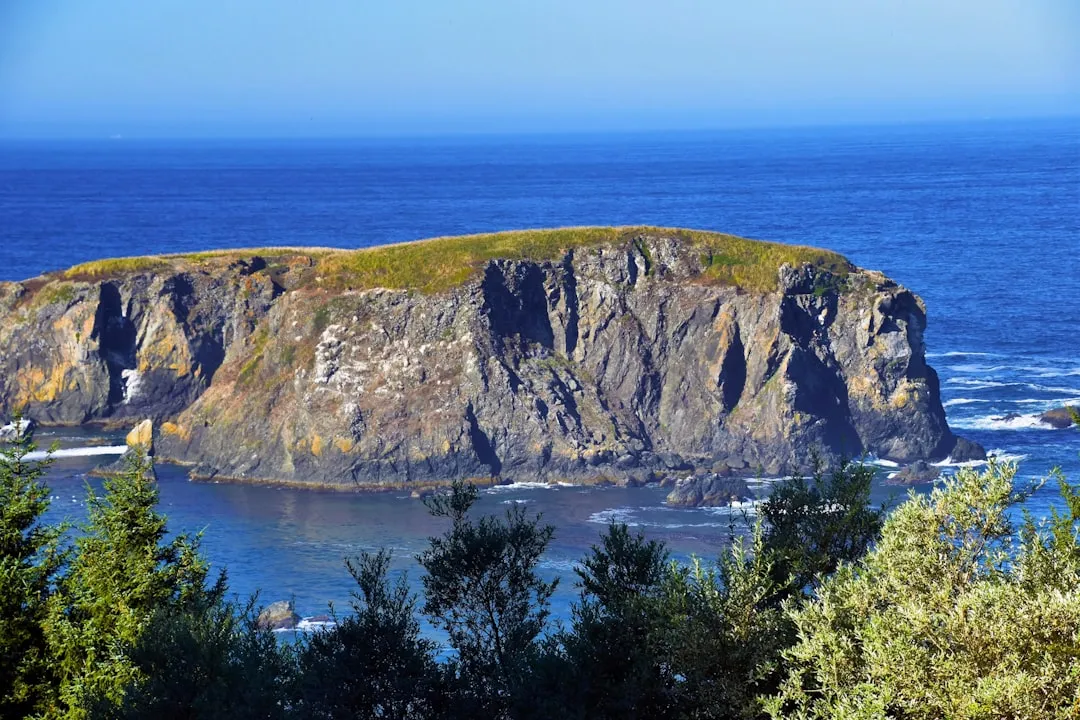
Sea stacks are primarily the remains of ancient headlands formerly attached to the mainland, and they remain standing after the land around them fell to the power of relentless waves, particularly during storm season. In the Boardman Corridor, the geology becomes something you can actually walk around and touch.
Natural Bridges is, hands down, the most popular spot to see at Samuel H. Boardman Scenic Corridor. Folks flock here to get a good look at the alluring rock formations that rise from below the cliffs, forming interesting arches and pillars. A short walkway leads you to a wooden platform that affords visitors a staggering glimpse of the formation. Two monumental rock arches stand out from the jagged cove, their surface glowing yellow and red as they curve over the sea.
Shi Shi Beach, Washington: A Wilderness Benchmark
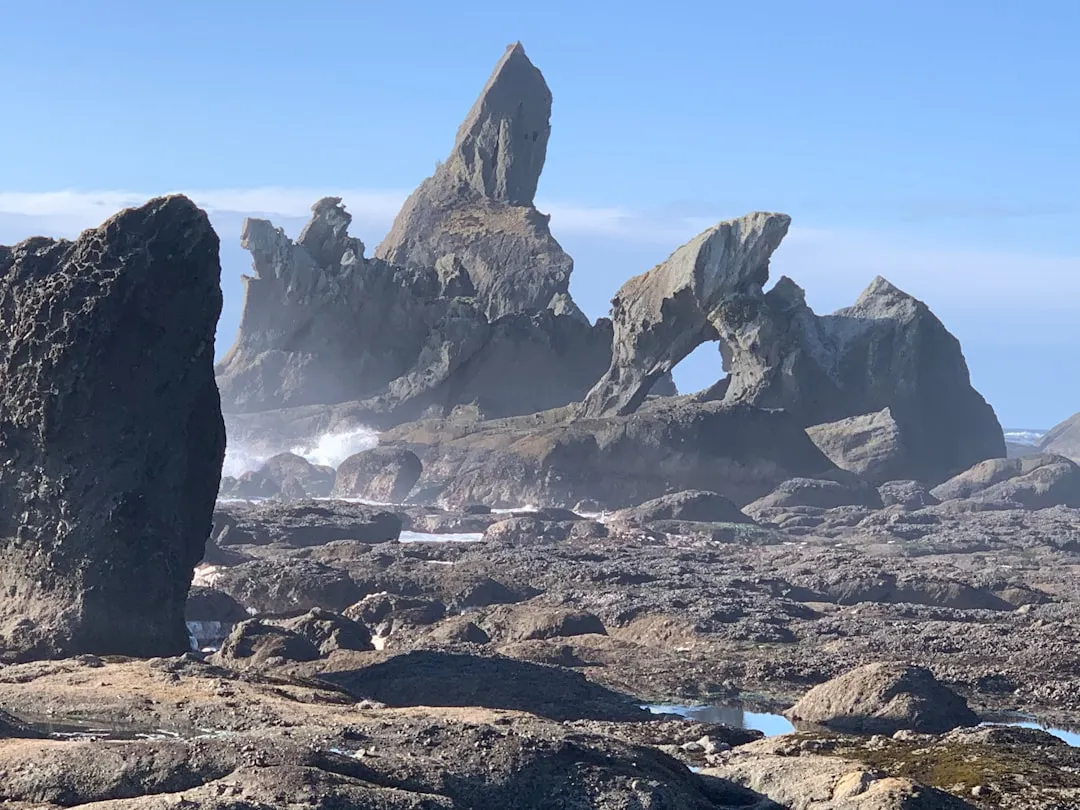
Judging Washington’s various beaches strictly from a landscape perspective, there is no better spot than Shi Shi. This amazing place is located near the very northwestern portion of the state and requires a four-mile hike traveling south to reach its most photogenic section.
Backpacking on Shi Shi Beach, on Washington’s northwestern coastline, offers a unique experience in the Pacific Northwest. Known for its striking sea stacks, dense tide pools, and remote, wild beauty, Shi Shi Beach is part of Olympic National Park’s coastal wilderness. The northern end of the beach lies on the Makah Reservation, where the Makah People have lived for thousands of years and are the natural stewards of this land. Point of Arches itself was designated a National Natural Landmark in 1971 and is part of Olympic National Park.
Shi Shi Beach is the textbook definition of the Olympic Wilderness Coast. The sandy landscape is pristine, the rugged sea stacks are massive, the tide pools are full of life, and you feel as if you’re in the middle of the wilderness. Few American beaches offer that particular combination.
Permits, Access, and the Makah Nation
Visiting Shi Shi Beach responsibly means understanding who the land belongs to. Permitting for Shi Shi Beach is a little more involved than most other backcountry camping spots in Washington. This is because the beach is part of Olympic National Park, while a large portion of the trail is owned by the Makah Tribe. As a result, you will need both a Makah Recreation Pass and a Wilderness Permit for the National Park to camp at Shi Shi Beach.
The Makah Recreation Pass can be purchased in Neah Bay at various locations or online, and it costs $20, valid for the calendar year. A bear canister is mandatory for camping at Shi Shi Beach. The National Park Service requires the use of bear canisters for storing all food, scented items, and trash to protect wildlife, including raccoons and black bears that frequent the area. Rangers check for compliance, and failing to use a canister can result in fines.
Harris Beach State Park: Year-Round Beauty on the South Coast
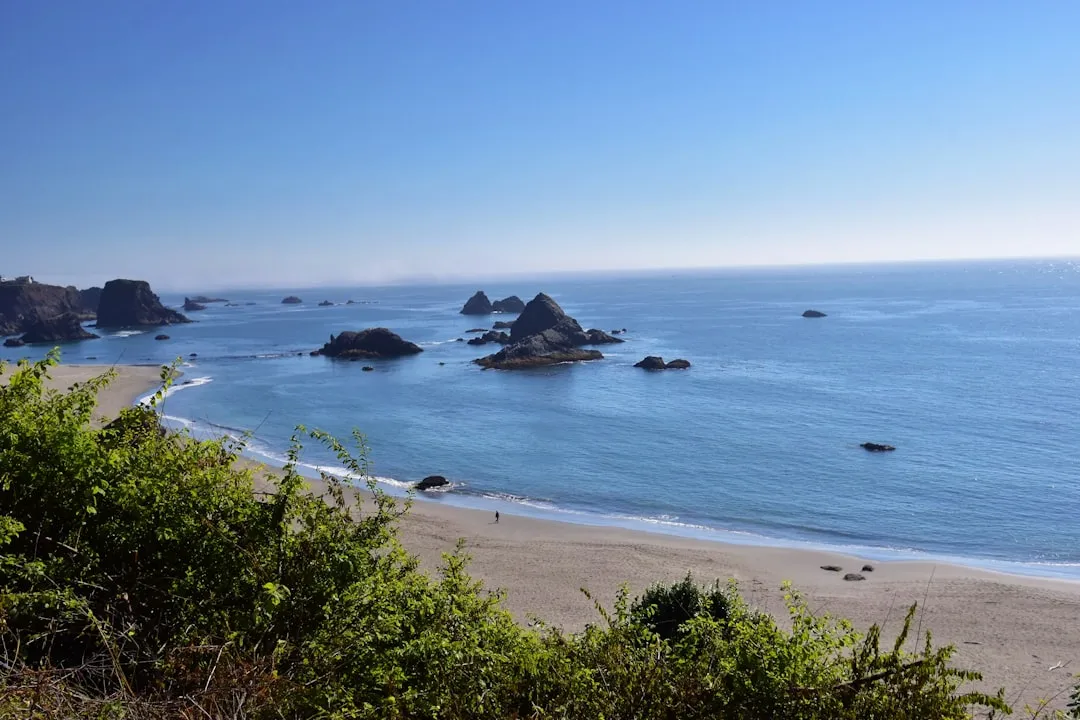
The Pacific Northwest offers rugged seaside beauty that’s truly in a league of its own, and Harris Beach State Park on Oregon’s south coast is a prime example, with miles of pristine sand, enchanting rock formations, and diverse marine life everywhere you look. It’s a beach that rewards returning visitors across every season.
The park is open for day visits and overnight camping all year long, so you can storm-watch in the winter, whale-watch in the spring, and beach-hop in the summer. The rocky outcrops at Harris Beach State Park are havens for rare birds and sea mammals. Bird-watchers should keep their eyes peeled for sightings of rare tufted puffins, and wildlife enthusiasts may catch glimpses of sea lions lazing on the bluffs.
The water is dotted with Oregon’s iconic sea stacks, picturesque rock outcrops that jut out of the ocean in unique formations. Sea stacks are a critical nesting space for a variety of birds, including rare tufted puffins, which you may be fortunate enough to spot from the shore. Also visible from the water’s edge is Goat Island, a National Wildlife Sanctuary that protects the habitat and breeding activity of tufted puffins and other rare seabirds.
Cannon Beach and Haystack Rock: The Famous Benchmark
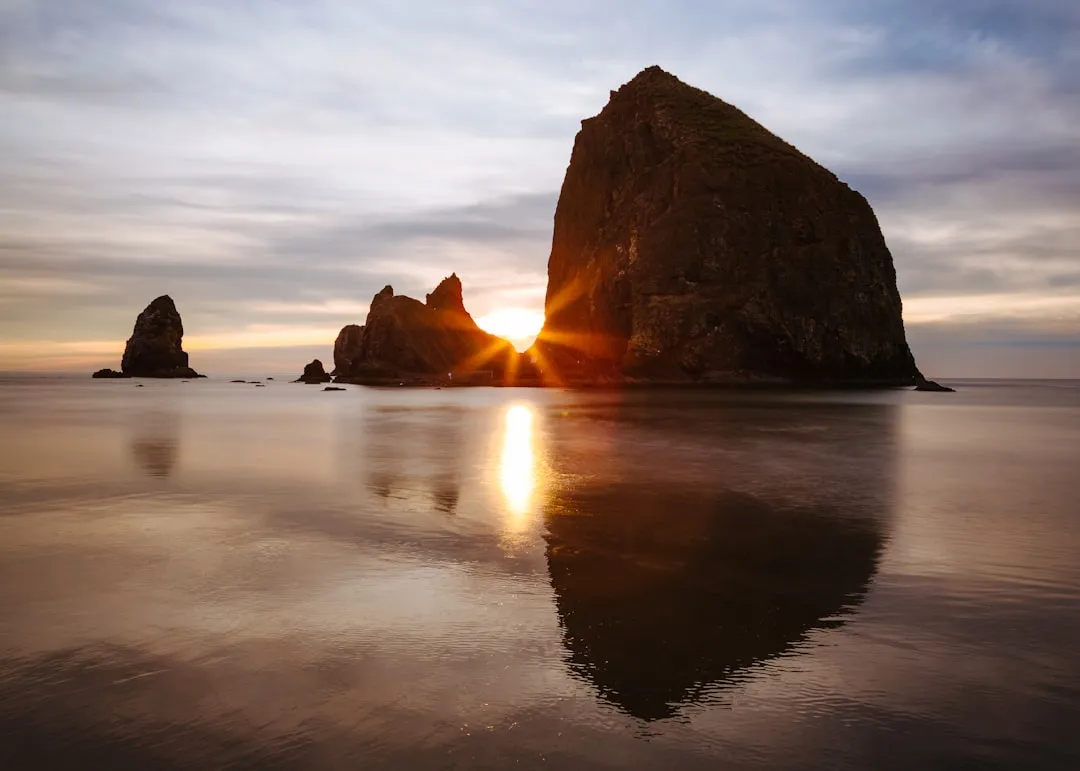
Any honest conversation about Pacific Northwest beaches has to include Cannon Beach. It’s no wonder Cannon Beach is named one of National Geographic’s 100 most beautiful places, and it’s also featured by Ocean Blue Project as one of the best beaches in the United States.
Standing like a giant sentinel in the surf, Haystack Rock makes Cannon Beach one of Oregon’s most photographed destinations. This 235-foot sea stack creates tide pools filled with colorful sea anemones, starfish, and hermit crabs during low tide. Miles of wide sandy beach stretch in both directions, perfect for flying kites or building sandcastles with kids.
Cannon Beach earns every accolade it receives. Still, for travelers seeking something a few degrees quieter, the south coast and Washington’s wilderness beaches offer a depth of experience that the more visited north coast can’t always match.
Current Closures and Conditions to Know Before You Go
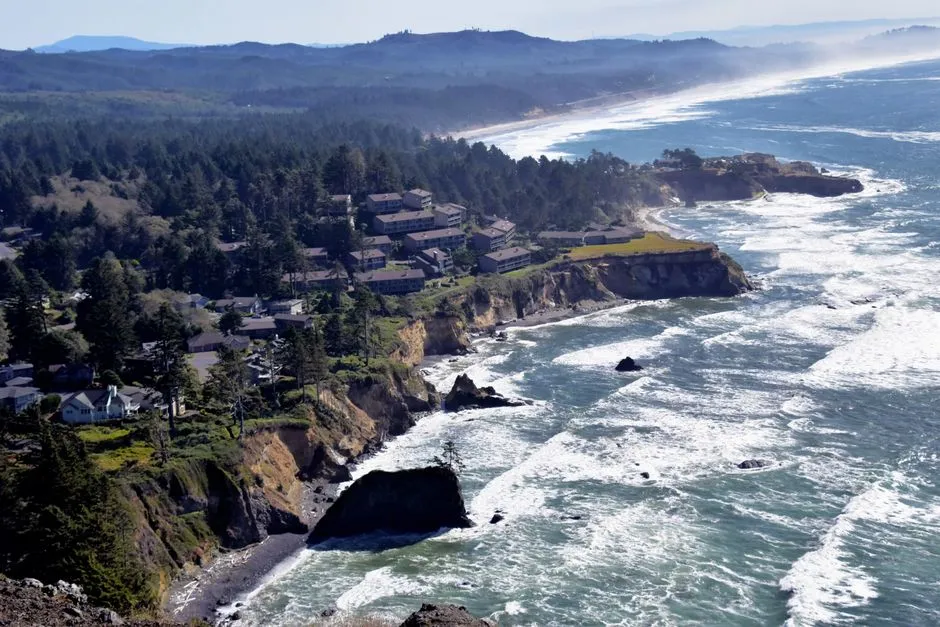
The Pacific Northwest coastline is living terrain, and that means conditions change. As of March 2026, Ecola State Park is currently closed due to landslides from December 2025, and no reopening estimate has been provided. Indian Beach, one of the more beloved spots in that park, is included in that closure.
As of November 2025, Hug Point is also closed due to beach erosion, and Oregon State Parks hasn’t given a reopening date. Before any trip along the Oregon coast, it’s worth checking current conditions through Oregon State Parks directly, as closures from recent storm seasons remain in effect heading into summer 2026.
When hiking the coast, always be aware of tides. Certain routes will become impassible at high tide, so know your route and consult your tide table. This applies everywhere from Shi Shi to Secret Beach, and it’s not a precaution to skip.
Why the “Most Beautiful Beach in America” Question Is Worth Asking
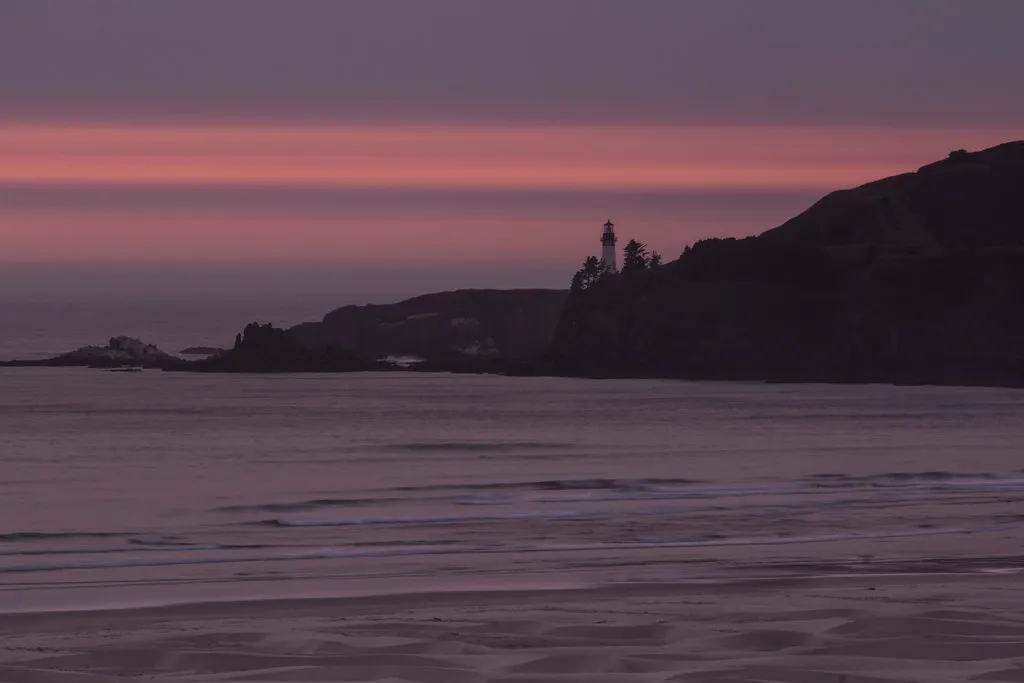
Beauty is genuinely subjective when you’re comparing a Hawaiian cove to a mossy, fog-wrapped sea stack on the Olympic Peninsula. Summer in the Pacific Northwest means cool ocean breezes, dramatic coastlines, and some of the most beautiful beaches in America. From Oregon’s sandy shores to Washington’s rugged wilderness beaches, this region offers incredible coastal adventures for every type of beach lover.
Bandon is considered one of the best storm-watching destinations in the world, and its coastline is protected by the Oregon Islands National Wildlife Refuge, making it a haven for photographers and wildlife lovers alike. That kind of ecological protection shapes the experience in ways a beach chair and a vendor cart simply cannot.
The Pacific Northwest coast doesn’t promise sunshine or warm water. It promises something rarer: a stretch of land that still feels like it belongs to something larger than tourism. For many travelers who’ve made the journey, that’s the most beautiful thing a beach in America can offer.
AI Disclaimer: This article was created with the assistance of AI tools and reviewed by a human editor.