
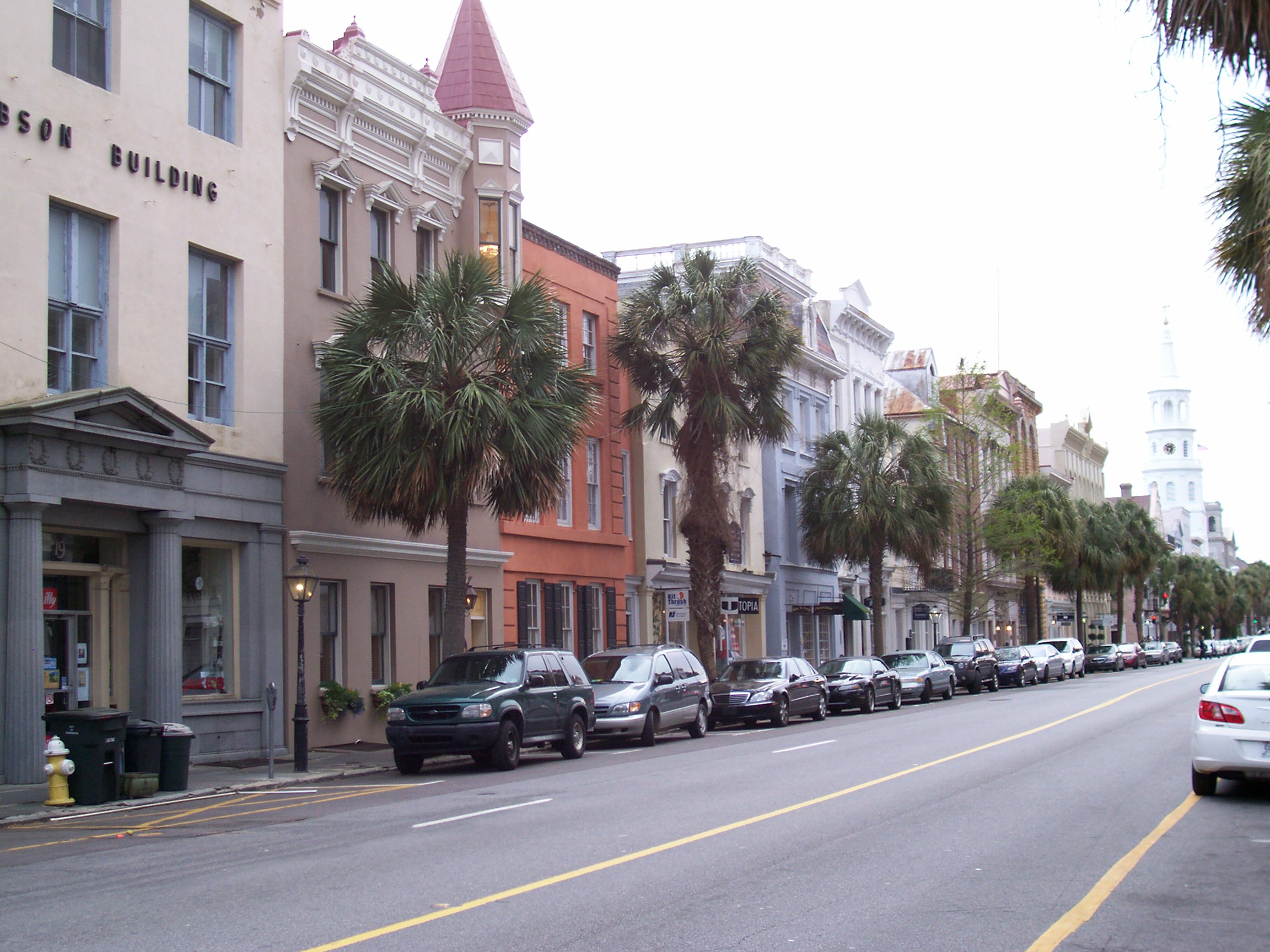
There’s a moment that tends to happen in Charleston, South Carolina, usually somewhere between a bowl of she-crab soup at a sunlit waterfront table and an evening spent at a neighborhood oyster bar, when the city stops feeling like a destination and starts feeling like a place you already belong. It’s a hard feeling to manufacture, and Charleston earns it honestly.
Over the last 15 years, Charleston’s restaurant scene has gone from an emerging market to one sought out by food enthusiasts from across the world. The city’s culinary identity is layered, historically rooted, and genuinely alive, shaped by centuries of cultural exchange, the bounty of the Atlantic, and a generation of chefs who take their local ingredients seriously. Whether you’re visiting for the first time or returning for the tenth, the food scene here offers something new every season.
A Culinary Identity Rooted in the Lowcountry
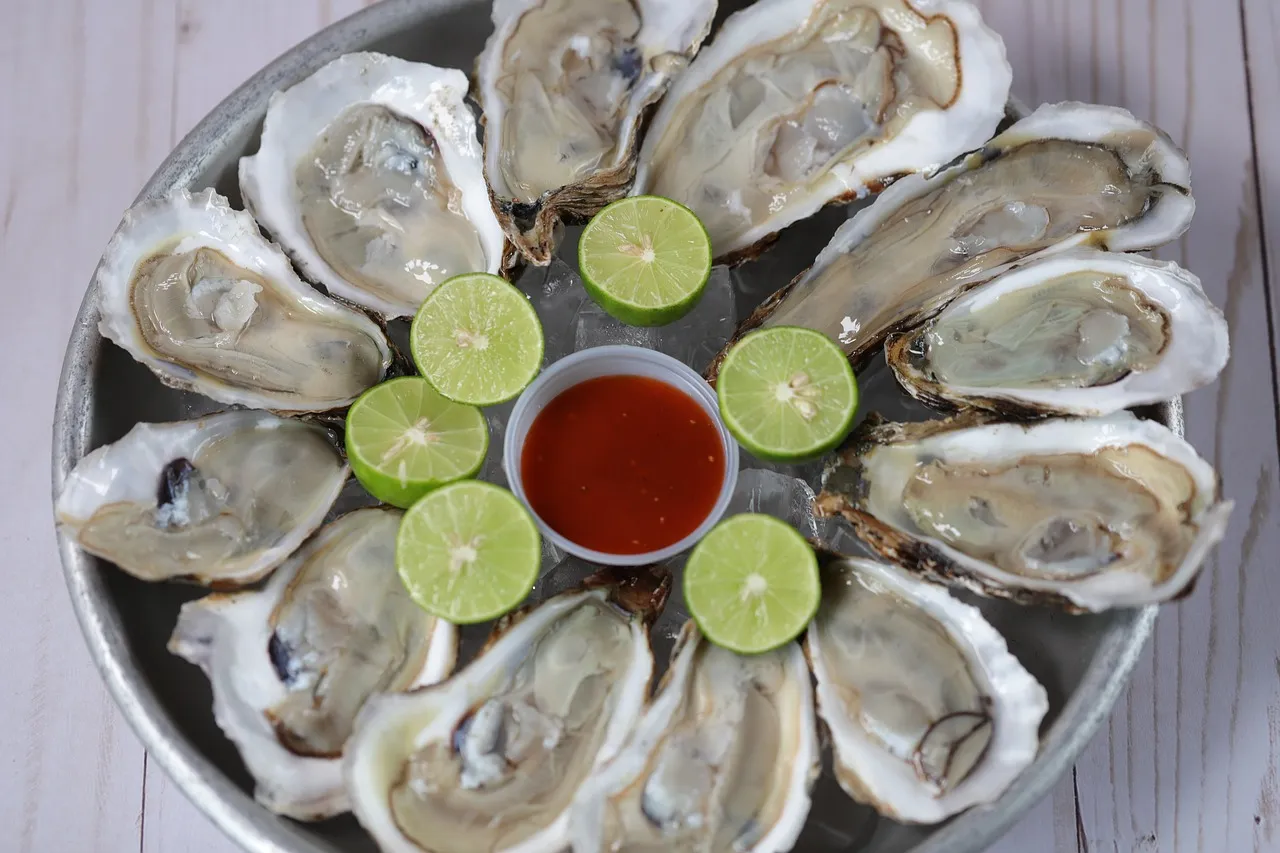
The Palmetto State’s culinary scene is famous for quality and originality, from unique Gullah cuisine to its thriving farm-to-table movement. Charleston sits at the center of both traditions, drawing on the region’s coastal bounty and agricultural heritage to build menus that feel grounded without being stagnant.
Upholding the old while embracing the new could easily be Charleston’s culinary motto. Cultivating a hip food scene while maintaining a deep respect for established traditions keeps the historic city in the upper echelon of dining destinations.
From fresh, local seafood to inventive New American dishes, South Carolina welcomes a diverse food and dining scene. Charleston is the sharpest expression of that diversity, offering everything from generations-old family-run kitchens to nationally celebrated fine dining in the same few square miles.
The Deep Roots of Gullah-Geechee Cuisine
At its heart, Gullah is a vibrant culture native to the Lowcountry, particularly the Sea Islands surrounding the Charleston area. In a sense, Gullah people are some of Charleston’s first preservationists, brought to America in the 1700s and 1800s as enslaved Africans who retained a deep connection with the heritage of their homeland.
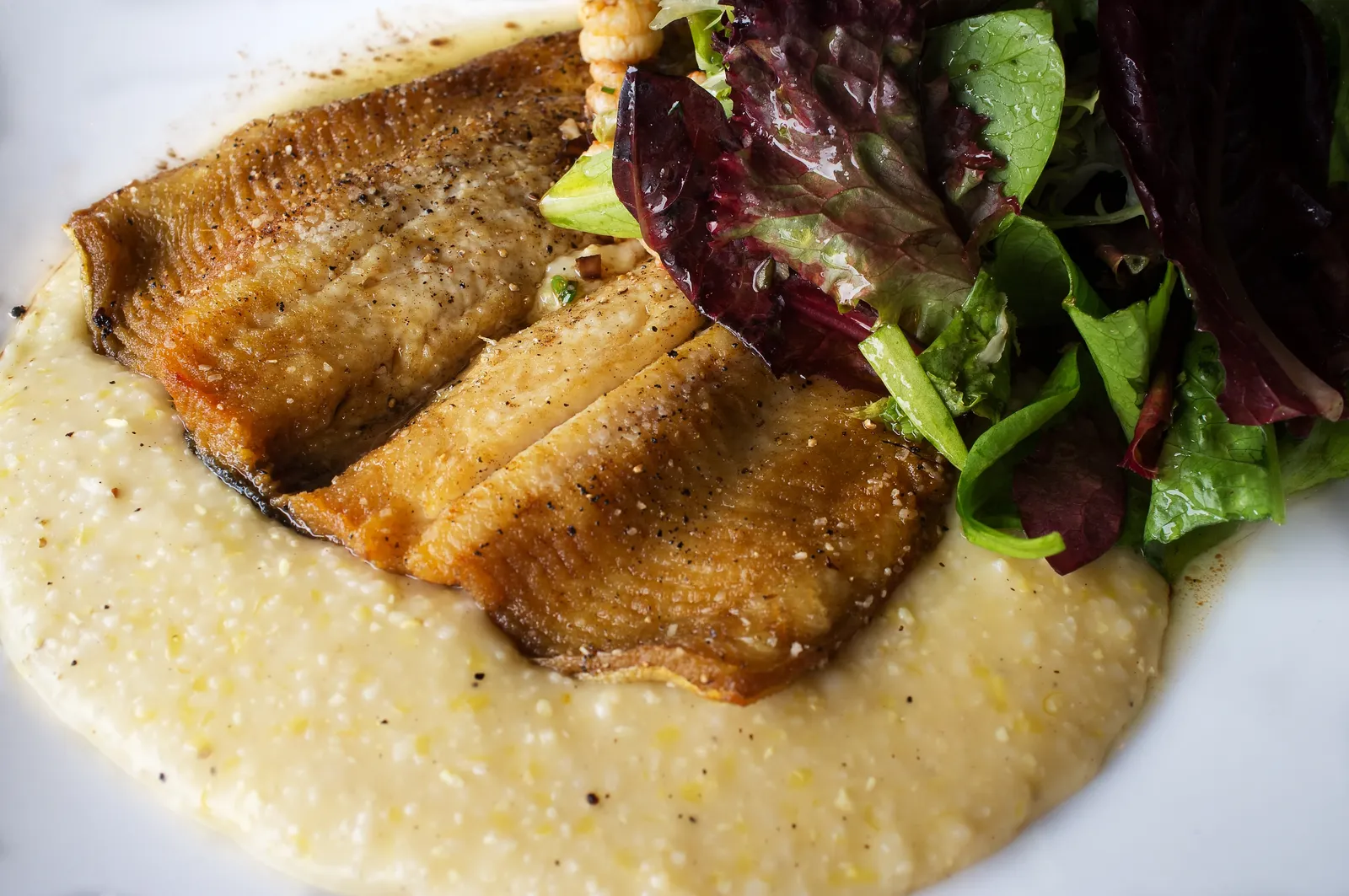
The Gullah imprint on Charleston culture runs deep, evident in the soulful flavors of Lowcountry cuisine. Gullah recipes have been passed through generations, and today’s chefs use local and seasonal produce to put a creative spin on traditional dishes, including okra gumbo, shrimp and grits, collard greens, and more.
Descendants of enslaved Africans who brought their cooking techniques to coastal plantations across the region continue to pay homage to their ancestors’ cuisine at Gullah-Geechee restaurants in Charleston. Trying fresh fried whiting, okra soup, red rice, and other essential Gullah dishes is a must when in Charleston, and Bertha’s Kitchen and Hannibal’s Kitchen are exceptional places to do just that.
Hannibal’s Kitchen: A Living Piece of Culinary History
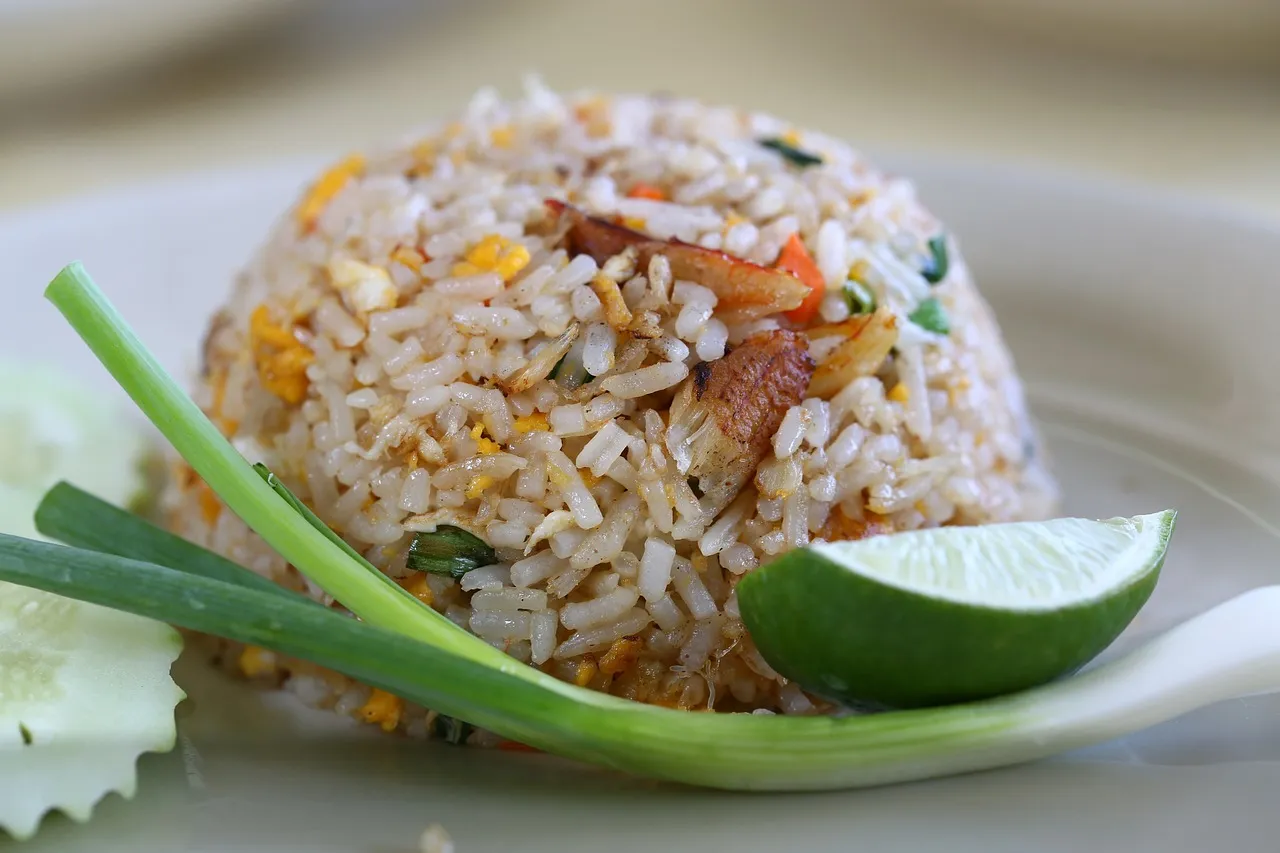
Hannibal’s Kitchen is a long-standing family-owned restaurant that has been serving traditional Gullah-Geechee cuisine since 1985. Located on Charleston’s East Side, this casual eatery offers a taste of Southern seafood specialties and soulful dishes like crab rice, shark steak, pork chops, turkey wings, and whiting.
The restaurant recently underwent renovations to add an outdoor dining patio while maintaining its authentic charm. What hasn’t changed is the generational continuity of the kitchen itself, where family members across multiple generations still run the day-to-day operations.
Chubby Fish: An Innovative Seafood Spot Drawing National Attention
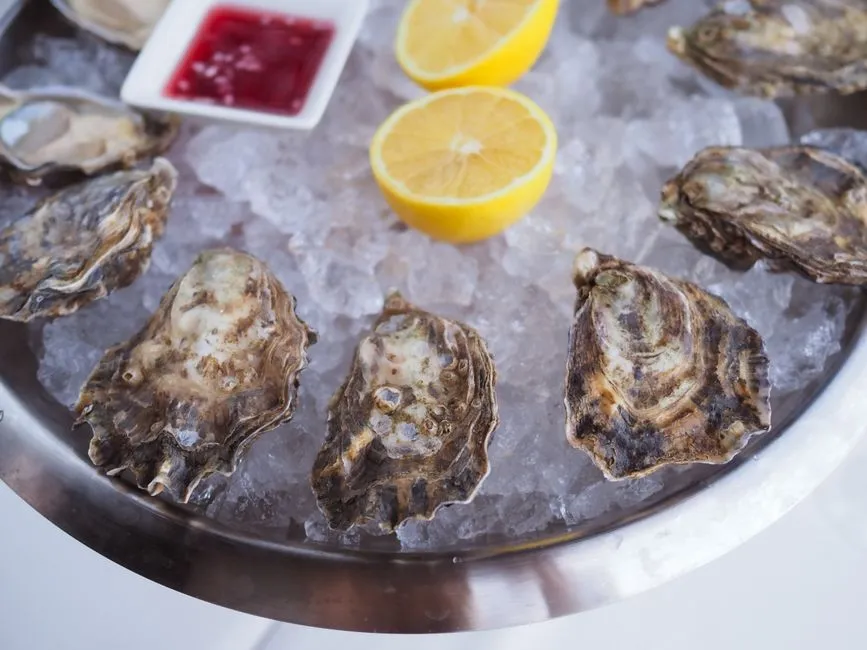
Outstanding Restaurant nominee Chubby Fish, which sits on the corner of Coming and Bogard streets, is spearheaded by Charleston native Chef James London. Locals and visitors flock to the innovative seafood spot hours before opening, as the restaurant does not take reservations. Guests can dine on seafood from the raw bar, oysters, small plates like Triggerfish Tempura, or large plates like the chili garlic shrimp.
Chef London was a finalist for the Best Chef: Southeast category in 2024, and Chubby Fish was among Charleston establishments designated as semifinalists for the prestigious James Beard Awards. The recognition is no accident. The restaurant’s commitment to using the freshest local catch, prepared with genuine creativity, has earned it a devoted following that extends well beyond the city limits.
Wild Common and the Michelin Effect
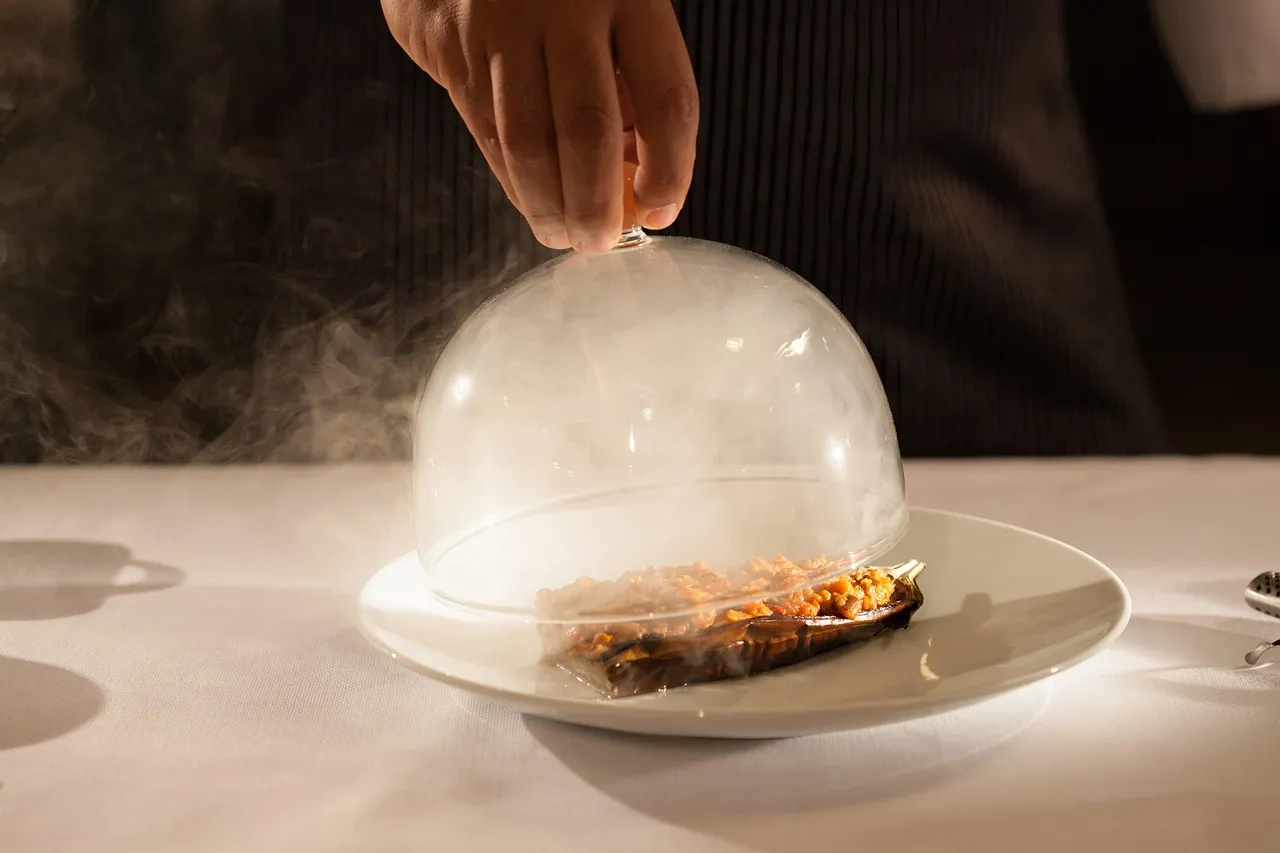
True to its name, Wild Common is anything but ordinary. Chef Orlando Pagán brings bold creativity to a globally influenced tasting menu rooted in local ingredients. Guests can expect imaginative dishes like hamachi crudo with coconut and kumquat, or roasted carrot and walnut tortelli topped with browned butter whey foam.
The state’s flavor-rich culture is further celebrated with Bib Gourmand recognition, awarded to restaurants delivering exceptional food at great value. Several more spots across Charleston, Greenville, Columbia, Myrtle Beach, Sullivan’s Island, and Travelers Rest also received MICHELIN recommendations, a true reflection of the depth and diversity of dining found throughout the state.
The Charleston Wine and Food Festival: A City Celebrating Itself
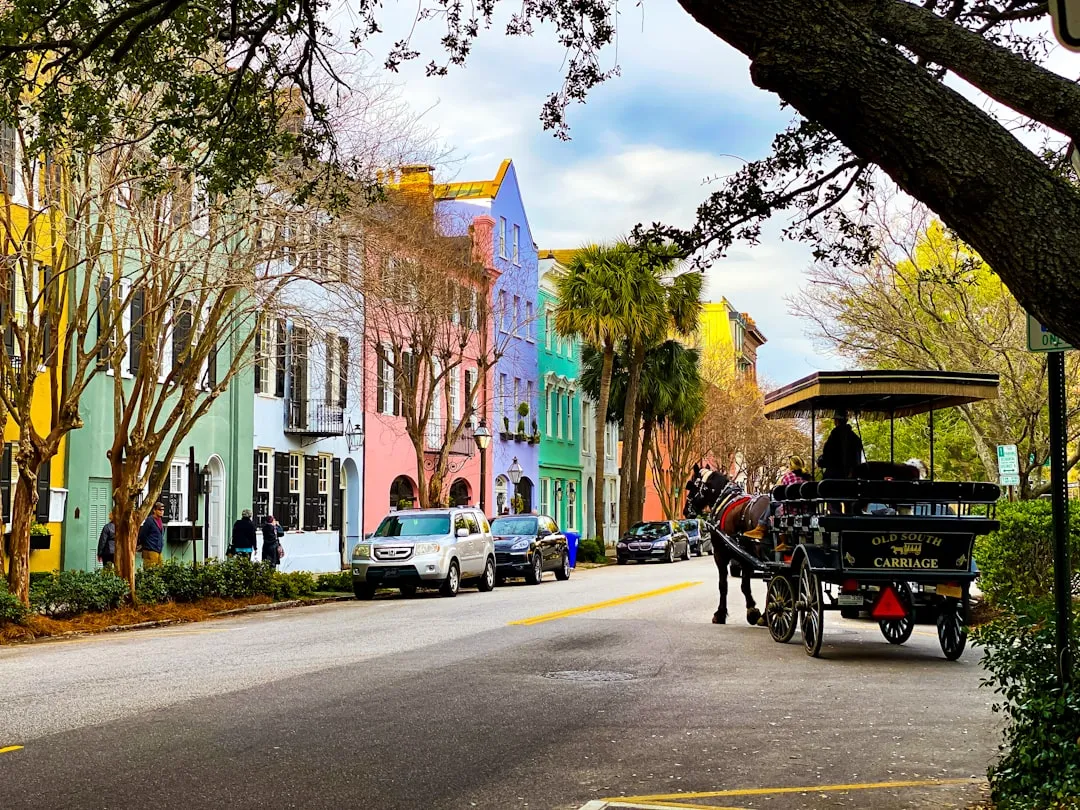
The festival’s schedule features about 90 events grouped in various categories, from signature lunches and dinners to cooking classes, excursions, beverage workshops, and bar takeovers. Tickets for individual events start at $85, and culinary education and one-of-a-kind experiences are central to the programming, which aims to promote the local food-and-beverage industry.
James Beard Award winner KJ Kearney brought his curated conversation series, Bite the Power, to the Charleston Wine and Food Festival, with a dinner centered on activism featuring storytelling and food from local chefs Marcus Middleton and Marcus Shell and local baker Danetra Richardson.
In 2024, the Culinary High School Scholars Enrichment Program launched and brought in local high school students interested in culinary and hospitality careers, showing that the festival is investing in Charleston’s food future, not just celebrating its present.
The Food and Wine Classic: A New Festival Already Making Waves
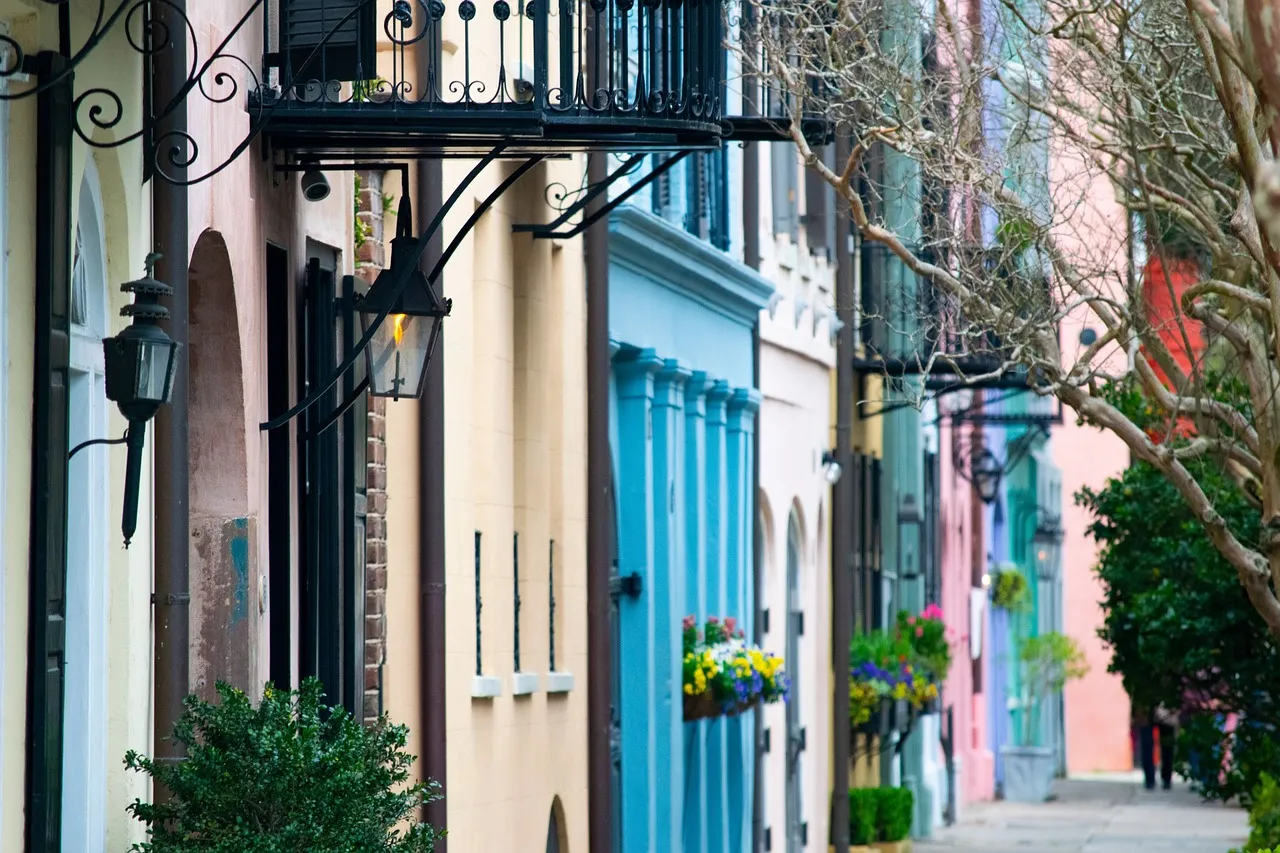
The Food and Wine Classic in Charleston returned to the Lowcountry of South Carolina for a second annual culinary celebration, bringing with it a feast of flavors, star chefs, and Southern charm. The festival’s momentum has been striking given how recently it launched.
The Food and Wine Classic in Charleston was recently named the No. 1 Best New Festival by USA Today’s 10Best, setting its perfect backdrop with cobblestone streets, historic architecture, and a legendary food scene.
Charleston’s culinary icons are well represented at the event, including Mike Lata, James London, Hector Garate, Femi Oyediran, and Miles White, names that define the soul of Lowcountry cuisine. Their presence signals how seriously the city takes its role as a genuine culinary capital.
National Recognition: America’s Best Restaurants List
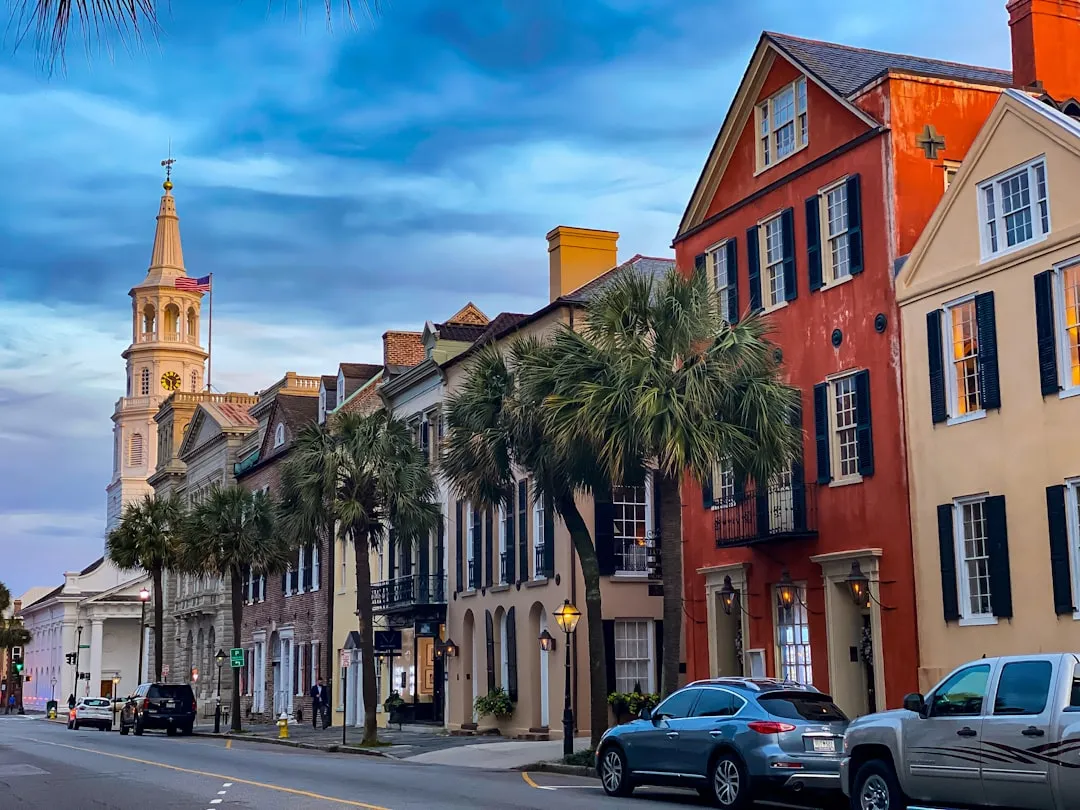
Charleston’s culinary scene is gaining national recognition, with Lost Isle and City Limits Barbeque making it onto America’s Best Restaurants list for 2024. Lost Isle, known for its creative Lowcountry dishes, showcases vibrant flavors and locally sourced ingredients.
The Palmetto State has five of the 25 best fine dining restaurants in the U.S. for 2024, according to Tripadvisor’s annual Travelers’ Choice Awards Best of the Best Restaurants, which are based on more than one billion reviews and contributions. Out of eight million listings, fewer than one percent win these awards.
Revival in Charleston was the highest-ranked South Carolina restaurant, coming in fourth on that list, offering modern Southern food with an emphasis on local ingredients. That kind of placement in a global ranking isn’t simply a reflection of hype. It’s built on years of consistent, kitchen-level excellence.
Seafood Culture: From the Water to Your Plate
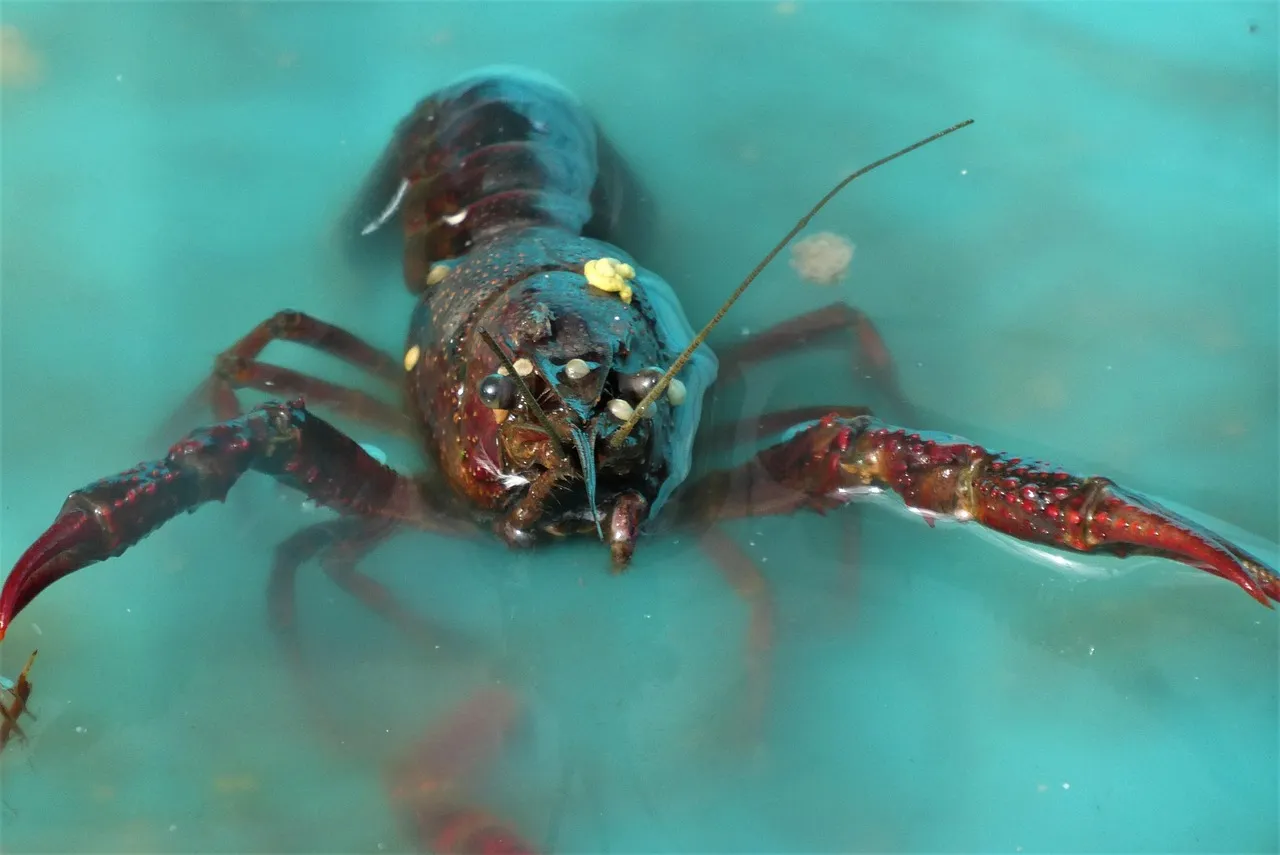
Among Charleston’s celebrated establishments, one renovated turn-of-the-century warehouse features a seafood menu that captures the city’s history as a fishing port. Its culinary traditions are rooted in fresh, local, sustainably sourced seafood, with Lowcountry interpretations and a stellar raw bar.
Fresh seafood isn’t hard to come by in South Carolina and is a family favorite in many households statewide. In Charleston specifically, the proximity to the Atlantic and to rivers like the May River means that what arrives on the plate is often caught the same day.
The city’s relationship with the sea runs deeper than restaurant menus. It shapes the local economy, informs how chefs think about sustainability, and preserves a way of life that has defined this coastline for centuries.
African Culinary Heritage and New Voices in the Kitchen
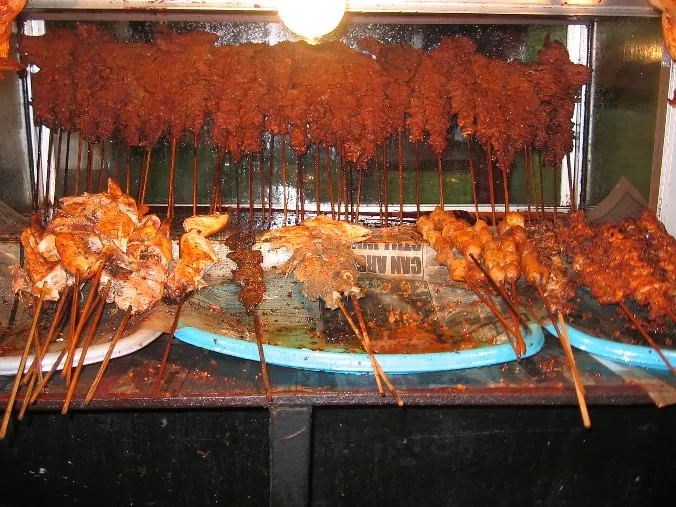
The African influence that has greatly contributed to what we know as Charleston cuisine today is also on display at Bintü Atelier. At the small East Side establishment, Senegal-born James Beard Award semifinalist Bintou N’Daw Young blends Senegalese recipes with food from across the African continent, such as suya, a Nigerian snack of beef skewers dusted in a peanut powder.
In Charleston, women chefs are bringing Lowcountry cooking into a new generation. Their work honors the complexity and depth of coastal cuisine while extending it into new territory, drawing on personal histories, diaspora cooking, and deep relationships with local farmers and fishers.
The Takeaway
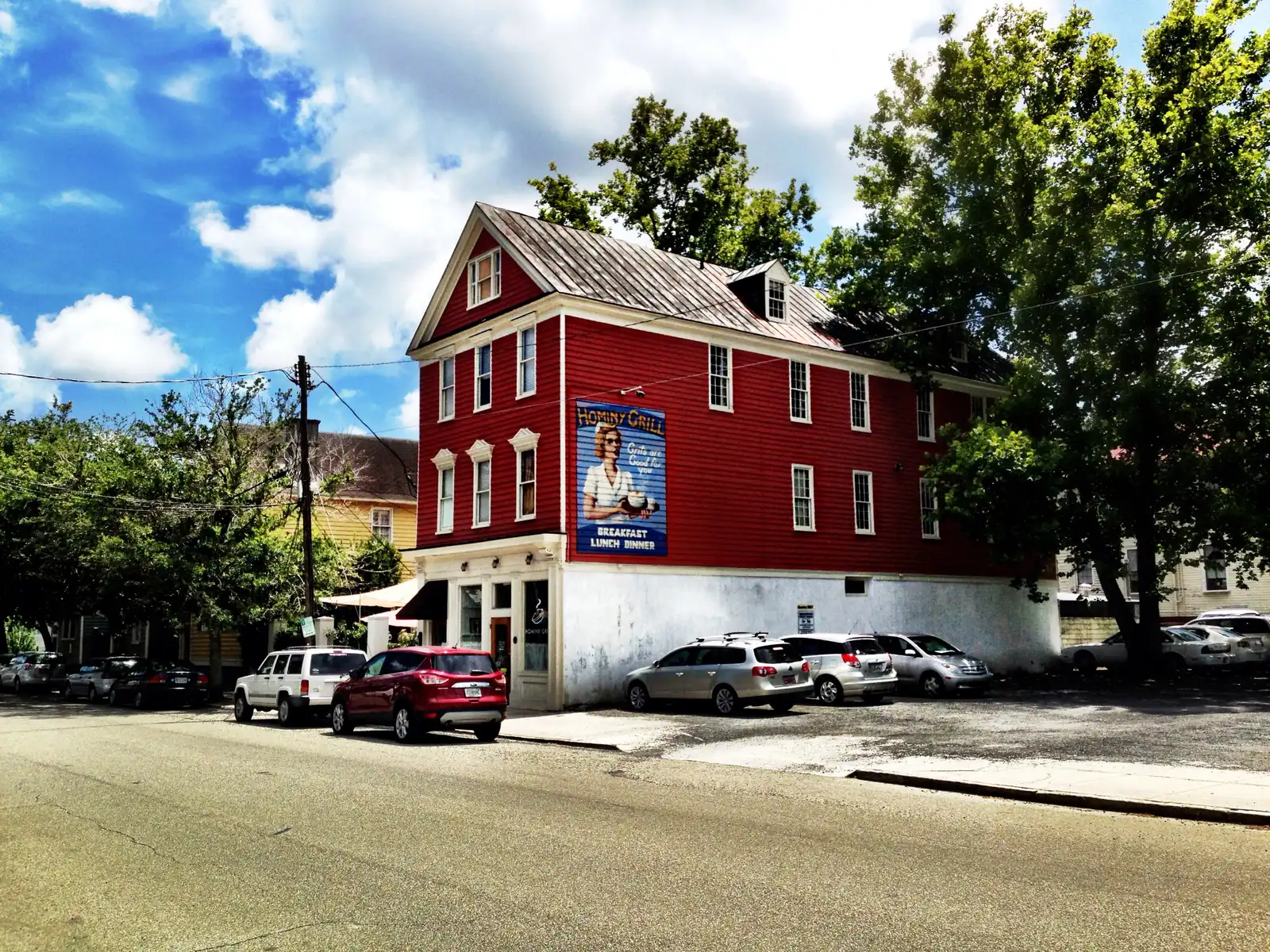
Charleston, South Carolina, doesn’t need to borrow prestige from anywhere else. The evidence is in the kitchens: Michelin recognition, James Beard semifinalists, nationally ranked festivals, and family-run Gullah restaurants that have quietly defined the food of the American South for decades.
What makes the city genuinely worth the journey for food lovers is not the accolades themselves, but what drives them. The Palmetto State’s culinary scene is famous for quality and originality, from unique Gullah cuisine to its thriving farm-to-table movement, and Charleston is where all of those threads come together most vividly.
Come with an appetite for history as much as for flavor. The two are inseparable here.
AI Disclaimer: This article was created with the assistance of AI tools and reviewed by a human editor.