


Choosing where to go is only half the travel equation. The other half – the part that most people discover only after landing – is whether you and your companion actually want the same thing from a trip. A beach napper next to an itinerary-driven city explorer can make for a long week.
Astrology has moved well beyond horoscope columns and into genuine trip-planning territory. Skyscanner’s Travel Trends 2025 Report revealed that more than roughly two in five people aged 18 to 34 are interested in using astrology to plan their next trip. That’s a real shift, and it raises a genuinely useful question: what do the stars say about who you should bring along?
Travel Really Is a Relationship Test
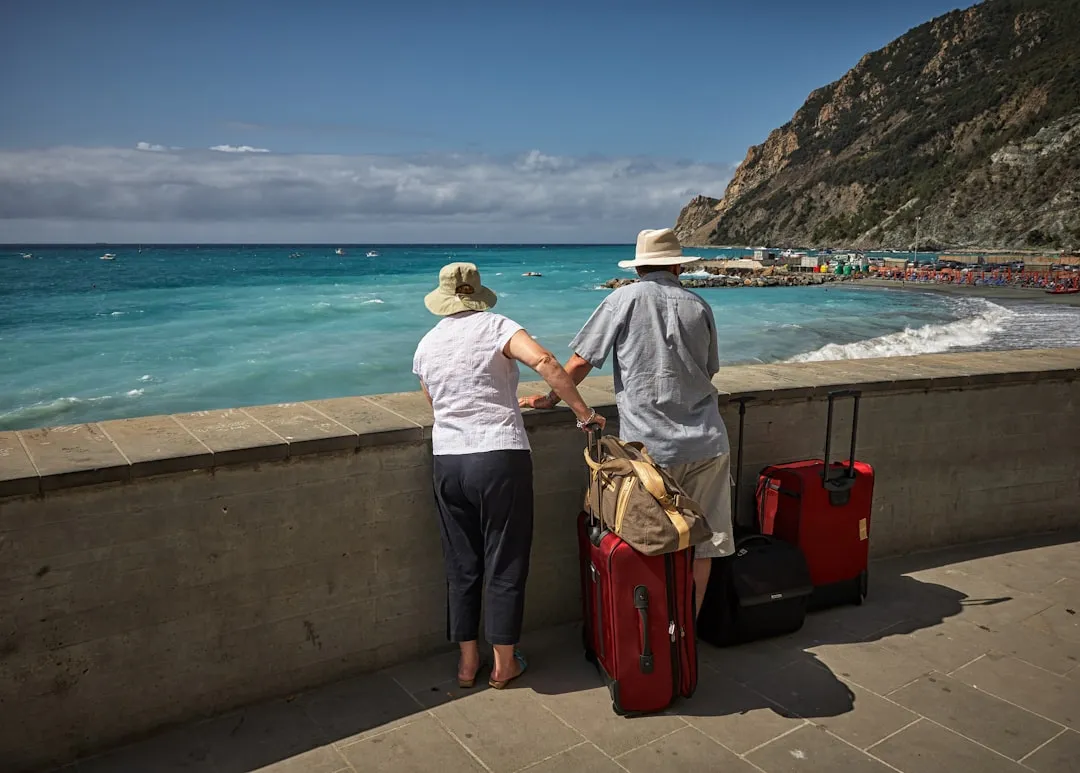
Nearly three quarters of coupled Americans say that traveling together is the ultimate test of a relationship – a number that comes from a 2024 Talker Research survey of 2,000 adults, and it holds regardless of how long the couple has been together.
A first trip exposes incompatibilities that months of dinner dates and text conversations can hide. Budget disagreements, sleep schedules, hygiene standards, planning styles, and tolerance for discomfort all surface when two people leave their routines behind and share a confined space in an unfamiliar place.
A quarter of couples discovered a more romantic side of their partner while on a trip, and nearly half feel that a getaway is necessary to reignite the spark in their relationship. The trip doesn’t just reveal problems. It can reveal beauty, too.
The Four Elements Are Your First Compatibility Clue

In astrology, the 12 zodiac signs are grouped into four elements: Fire, Earth, Air, and Water. Each element represents a different set of personality traits, emotional tendencies, and ways of interacting with others. The zodiac elements help explain why certain signs naturally understand each other while others may need more effort to build strong relationships.
Complementary elements – like fire and air or earth and water – usually make great travel partners with compatible styles and expectations. Think of it less as a cosmic law and more as a starting-point shorthand for understanding how two people naturally approach a shared journey.
Travel is often a team sport, so checking the signs of your potential travel buddies when planning a group trip makes sense. Some elements tend to get along better than others – but there’s no need to panic about incompatibility. Even if your element doesn’t align with another person’s, you can still use what you know about your elements to make it work, reducing chances of friction and setting yourselves up to have a fun trip.
Fire Signs: Aries, Leo, and Sagittarius on the Road

Fire signs – Aries, Leo, and Sagittarius – need action, adventure, and plenty of sun. Tropical vacations, snorkeling, hikes in remote locations, and treks through the jungle suit them well.
Fire signs are known for their confidence, enthusiasm, passion, and adventurous nature. In relationships, they often seek excitement, independence, and strong emotional energy. On a group trip, this translates to someone who is always ready before you, already researching the next activity, and genuinely unhappy with a slow day.
Fire signs tend to connect well with Air signs. Air signs bring fresh ideas, communication, and intellectual stimulation, which can help keep Fire signs inspired and engaged. Put an Aries and a Gemini on the same itinerary and there’s a good chance neither of them will want to come home.
Earth Signs: Taurus, Virgo, and Capricorn in Their Element

Grounded, structure-loving earth signs are expert vacation planners. They’re the people who compare flight prices and coordinate the group chat. They know exactly how to assemble their dream trip, and they’re going to do just that.
Earth signs enjoy being in nature. Forest bathing, sunning on the beach, and remote cabins appeal to their grounded personalities. However, they’re practical, which means they might want a hybrid of city and country so they can get their coffee fix.
Earth signs naturally connect well with Water signs. Water signs provide emotional depth and sensitivity, while Earth signs offer stability and support. Together, they can create balanced and lasting relationships – and, on a trip, genuinely complementary travel roles.
Air Signs: Gemini, Libra, and Aquarius Crave the City Buzz

Air signs are thinkers, so cities are their cup of tea. Museums, restaurants, and dancing all night at the hot clubs are the way to go if you’re one of these airy folks. While they don’t mind being outdoors, it’s better if there is concrete underneath their feet.
As air signs, Geminis value mental stimulation in their life experiences and personal connections – they won’t be satisfied with any old trip. Pairing an Air sign with someone who wants to spend three days in a beach lounger with no plans is a recipe for low-level friction from day one.
On the flip side, people with a lot of fire or air in their charts tend to be more adventurous and spontaneous, while those who possess a lot of earth or water may focus on trips that are a bit more planned or sentimental. Knowing this before you book is genuinely useful information.
Water Signs: Cancer, Scorpio, and Pisces Near the Shore

Water signs – Cancer, Scorpio, and Pisces – love beaches, cruises, or jet skiing around a lake. There’s a reason this element is drawn to coastal retreats and slow, unhurried itineraries. The pace of the ocean matches something in their temperament.
Cancer, the first of the three water signs, is known for intense sensitivity, natural creativity, and deep loyalty. If you’re someone easily overwhelmed by crowds and other people’s energy, a lowkey but beautiful city like Porto, Portugal, might be the vacation of your dreams.
Those who have earth or water sign moons may enjoy more slow-paced, relaxed forms of travel, or prefer to spend more time at home than on the road. Those with fire or air sign moons will enjoy flying by the seat of their pants and the thrills of new destinations daily. This moon-sign layer adds useful nuance even if your sun signs seem compatible.
The Real Compatibility Factors: Budget, Sleep, and Food
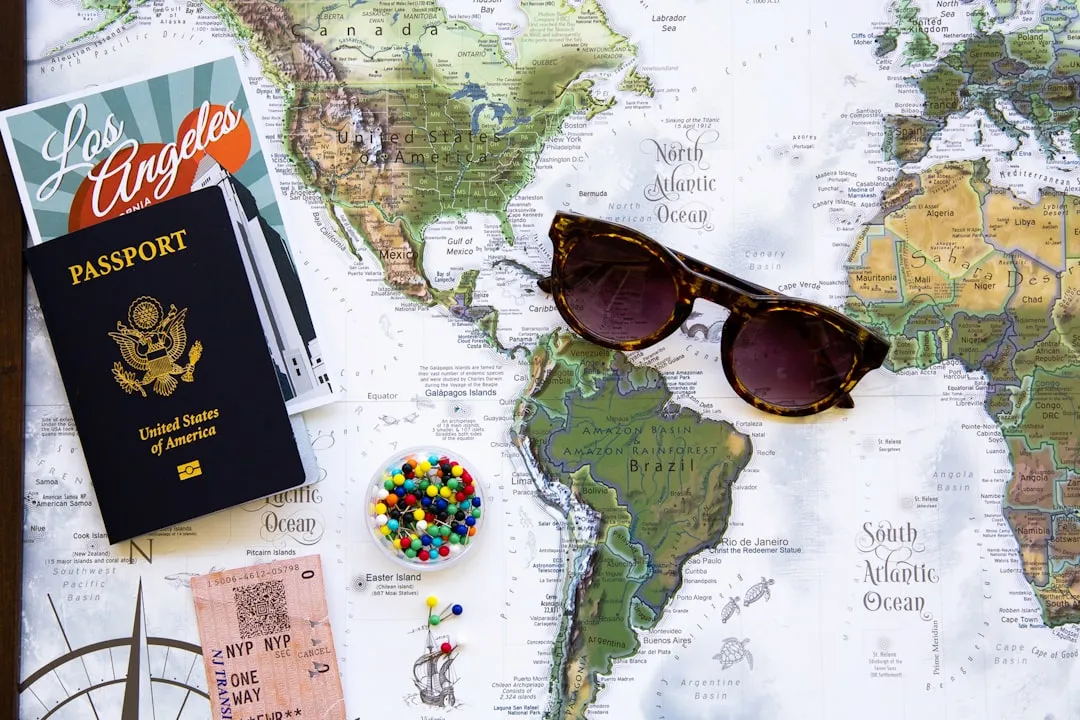
Budget, hygiene habits, and food preferences are the top three compatibility factors that every couple needs to explore before traveling. Astrology can speak to personality tendencies, but these practical realities will make or break the trip long before any cosmic alignment kicks in.
The survey found that nearly half of couples identified budget as the top compatibility factor to test before traveling. Hygiene habits came second at just over a third, followed by food preferences at roughly a third. These numbers point to something real: daily habits matter more on the road than anywhere else.
Couples also flagged wake-up times, bathroom etiquette, and a shared interest in educational or cultural tours as key compatibility factors. An early-rising Virgo sharing a room with a night-owl Scorpio is going to need a quiet conversation before Day Two.
Planning Style Is the Hidden Dealbreaker

Planning style mattered most of all to many couples, with nearly two thirds wanting a partner whose preparation habits matched their own. This is where zodiac traits become remarkably relevant. Earth signs plan meticulously. Sagittarius types resist any itinerary that feels too rigid. Put them together and someone will feel constrained, or someone will feel lost.
Nearly three quarters of respondents said spontaneity was important while traveling with a partner. At the same time, nearly two thirds said compatibility in planning style was a top priority. These two numbers describe a tension that most couples feel on the road.
Compatible travel styles are the most critical trait for a good travel companion, according to roughly half of survey respondents. Flexibility is the second most important characteristic for a good trip buddy, followed by a sense of humor. The stars might suggest tendencies, but flexibility is the trait that actually saves the holiday.
Astrocartography: Matching Your Birth Chart to the Map

Astrocartography is a niche branch of astrology that maps planetary positions onto the globe based on a person’s birth chart. It is increasingly shaping how people choose destinations, from weekend getaways to life-changing relocations. The practice suggests that certain places amplify specific energies: Venus lines for love, Jupiter for growth and opportunity, Saturn for discipline and challenge.
By overlaying a natal chart onto a world map, astrocartography reveals planetary lines that highlight how different locations might influence personal experiences. Understanding the impact of lines like the Sun, Venus, and Mars helps travelers choose destinations that align harmoniously with life goals.
This once niche astrological practice has entered the mainstream as travelers seek more intentional connections to the places they visit. Astrocartography is rising in popularity, as more and more people are turning to it to help figure out their future travel plans. While it lacks scientific validation, it is a creative framework for intentional travel planning and self-reflection.
What the Travel Industry Is Actually Doing With Astrology

Royal Caribbean has partnered with an astrologer who practices astrocartography. Astrology’s shift from niche curiosity to mainstream travel tool is most visible in how major brands are beginning to integrate it into trip planning. In late 2023, Delta teamed up with astrologer Lisa Stardust to release an official list of best destinations for 2024 based on each zodiac sign.
Major hospitality groups like Marriott International and CheapCaribbean have taken notice, offering curated, zodiac-inspired packages at select properties. This isn’t just fringe marketing anymore. It reflects a genuine appetite from travelers who want their journeys to feel personally meaningful.
Astrological travel has emerged as a notable trend especially among Millennials and Gen Zers focused on self-growth, discovery, and unique life-affirming adventures. The trend isn’t just about whether you’re a Gemini, Scorpio, or Taurus. For these travelers, it’s about self-identity and seeking a deeper understanding of what makes them tick.
What Actually Makes Shared Travel Work

When partners vacation together rather than alone, their relationship may experience a boost in relationship satisfaction. Engaging in self-expanding activities while vacationing with a partner predicted higher post-vacation relationship satisfaction, according to research published in 2024.
It’s not the number of trips, but the quality of the vacation that appears critical to encouraging relationship health. What people do during vacations – the extent of self-expansion – matters more than how often they take them.
A couple that can be tired, lost, over budget, and still kind to each other has learned something no third date could teach them. The stars can offer a lens for understanding tendencies and temperaments. Whether you use that lens thoughtfully, or ignore it entirely, the quality of shared attention and genuine flexibility will always matter more.
The Takeaway

Astrology won’t guarantee a smooth flight or stop someone from overpacking. What it can do, used honestly, is give you a clearer picture of the person you’re traveling with – and of yourself. The four elements, the planning tendencies, the pace preferences: these are all real differences that play out in real hotels and real airports.
The data is clear that travel tests relationships. It compresses months of ordinary discovery into a few intense days. A first trip exposes incompatibilities that months of dinner dates and text conversations can hide. The stars are one tool for anticipating that. Good communication, a sense of humor, and a little flexibility are the others.
Perhaps the most honest reading the stars can offer isn’t about compatibility at all – it’s about self-awareness. Know what kind of traveler you are, share that openly, and the cosmic chemistry tends to sort itself out on the ground.
AI Disclaimer: This article was created with the assistance of AI tools and reviewed by a human editor.