
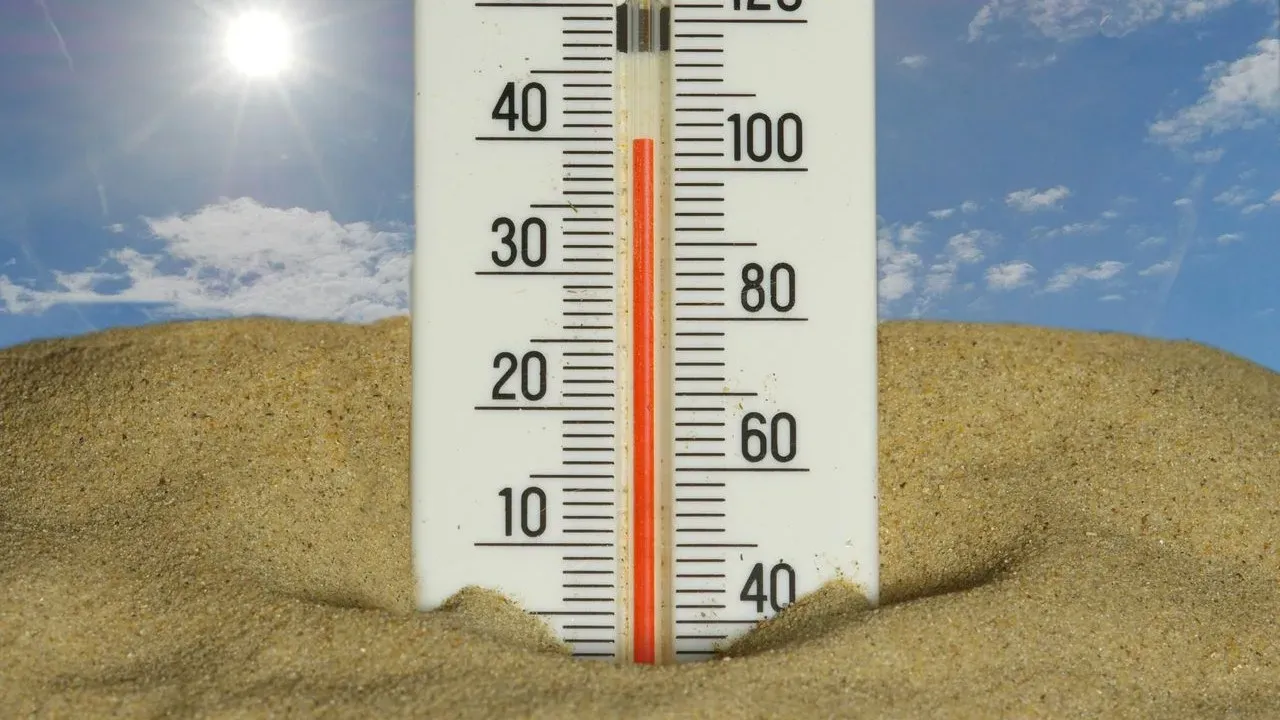

July brought the highest average temperatures ever recorded across the contiguous United States, according to the National Oceanic and Atmospheric Administration. The announcement arrives at a moment when many travelers are finalizing plans for national parks, mountain trails, and desert landscapes that define American autumn journeys. Rather than altering the appeal of these places, the data invites a more deliberate approach to timing, pacing, and destination selection.
Why the Record Matters for Current Planning
The NOAA finding covers the lower 48 states and reflects sustained warmth through the month. Travelers heading out in the coming weeks will encounter lingering effects in many regions, particularly where daytime highs remain elevated into early fall. Understanding this baseline helps visitors choose routes and activities that align with both comfort and respect for local conditions.
Stakeholders most directly affected include those planning multi-day hikes, photography workshops, or family visits to iconic sites. The record does not close any destinations; instead, it underscores the value of flexible itineraries that account for heat lingering beyond traditional summer boundaries.
Practical Adjustments for Iconic Outdoor Regions
National parks in the Southwest and Intermountain West often see peak visitation in September and October. With elevated baseline temperatures, early-morning starts become especially rewarding, allowing visitors to experience canyon light and alpine meadows before midday warmth builds. Many park service partners already recommend this rhythm during shoulder seasons.
Travelers drawn to the desert Southwest can shift emphasis toward higher-elevation trails or shaded slot-canyon explorations that remain comfortable later into the day. In the northern Rockies and Pacific Northwest, cooler nights and earlier color changes may arrive on schedule, offering a natural counterbalance for those seeking crisp air and fewer crowds.
- Begin strenuous hikes at dawn and carry extra water regardless of season.
- Consider mid-week arrivals at popular trailheads to reduce midday congestion.
- Pair high-elevation days with lower-elevation cultural visits or scenic drives.
- Check park websites for updated heat advisories before finalizing daily plans.
Choosing Regions and Experiences with Intention
Some travelers may find the northern Great Lakes or New England coast particularly appealing this year. These areas typically moderate more quickly after summer peaks and offer rich opportunities for foliage viewing, small-town exploration, and water-based activities that benefit from stable temperatures. The same measured approach applies: respect local ecosystems, support businesses that practice sustainable operations, and travel with awareness of community resources.
Wherever the itinerary leads, the emphasis remains on presence rather than pace. Shorter daily distances, longer pauses at overlooks, and evenings spent in conversation with local guides or lodge hosts often yield deeper connections to place.
What matters now: Thoughtful timing, adequate hydration, and respect for both landscapes and communities turn the season’s conditions into an invitation for more mindful travel rather than a barrier.
A Measured Path Forward
NOAA’s confirmation of July’s record stands as one data point among many that shape how Americans experience their public lands. For those planning fall journeys, the practical response lies in preparation, flexibility, and an enduring appreciation for the country’s varied terrain. The destinations remain as compelling as ever; the way visitors move through them simply evolves with the seasons.
AI Disclaimer: This article was created with the assistance of AI tools and reviewed by a human editor.