
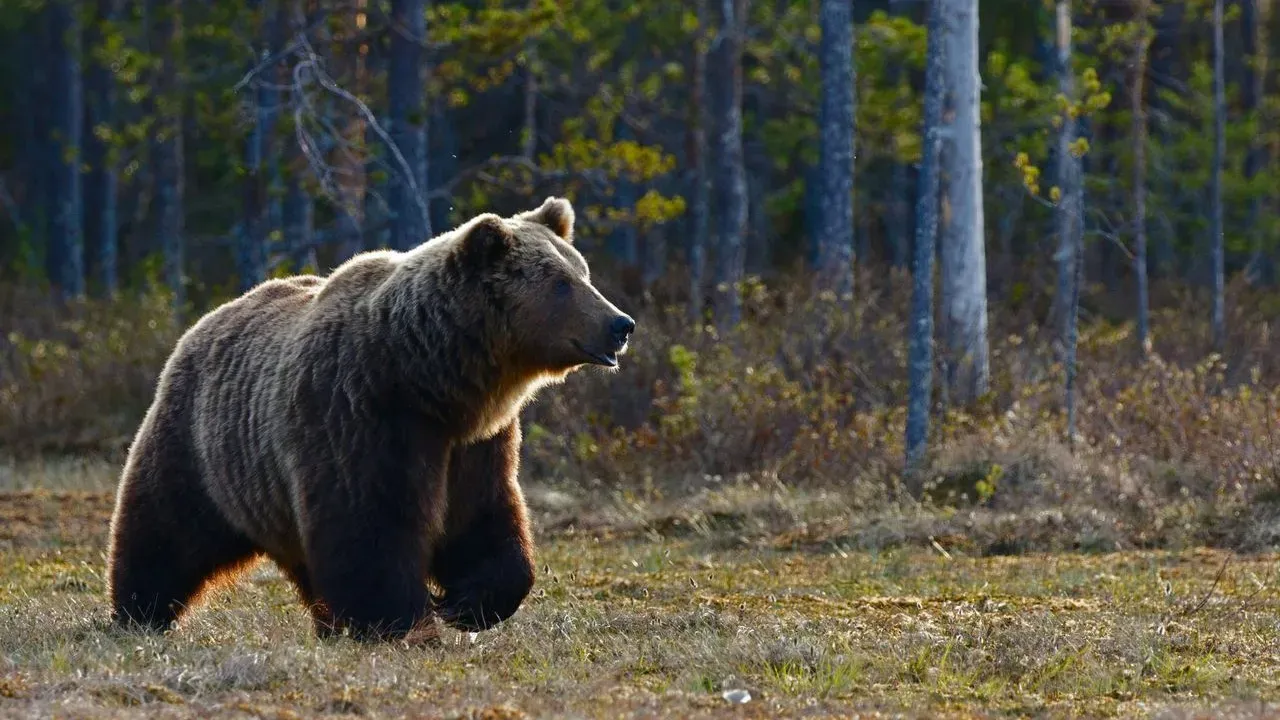

Each autumn, brown bears in Alaska’s Katmai National Park enter a critical phase of preparation. They spend weeks feeding intensely on salmon runs to build the fat reserves that will sustain them through months of hibernation. This natural cycle draws quiet attention from wildlife enthusiasts and researchers alike, and the annual Fat Bear Week offers a structured way for the public to follow the bears’ progress. ([1])
A Tradition Rooted in Observation
The event began in 2014 when a park ranger noticed striking before-and-after images shared by viewers of the park’s live bear cameras. What started as a simple highlight of seasonal change has grown into a week-long celebration of the bears’ remarkable adaptations. Voting opens on September 22 and runs through September 29, allowing participants to select which bears appear to have gained the most substantial reserves ahead of winter.
The National Park Service emphasizes that these fat stores serve as essential fuel. During hibernation, a bear’s metabolism slows dramatically, and individuals may lose up to one-third of their body weight while relying solely on those reserves. The contest simply brings wider awareness to this vital biological process.
How the Public Can Follow Along
Live cameras positioned along the Brooks River provide continuous views of the bears as they fish and forage. Viewers can observe individual animals over time and compare their changing condition without disturbing the habitat. The explore.org platform hosts both the cameras and the official voting portal, making participation straightforward for anyone with an internet connection.
Participants are invited to consider any qualities they find compelling, whether sheer size, distinctive markings, or the quiet persistence shown by certain bears. Last year’s winner, a bear known as Chunk, prevailed despite an earlier injury, illustrating the resilience often required in the wild.
Respecting a Remote Wilderness
Katmai National Park lies in a rugged corner of Alaska where access remains limited by design. Most visitors arrive by floatplane or boat, and the landscape demands careful planning and adherence to park guidelines. Those who make the journey witness the same salmon-rich waters that sustain the bears, yet the emphasis stays on minimal impact and quiet observation.
Even from afar, the live feeds convey the scale of the ecosystem. The bears’ focused feeding underscores the importance of healthy salmon populations and intact river corridors, elements that support countless other species throughout the region.
A Window Into Seasonal Change
Fat Bear Week serves as a gentle reminder of the rhythms that govern life in northern latitudes. As the days shorten and temperatures drop, the bears’ preparations become a visible marker of the approaching winter. Watching their progress offers a respectful connection to a place where wildlife follows its own timetable, undisturbed by human schedules.
The event concludes with the announcement of a new winner, yet the real story continues in the quiet months that follow. For those drawn to Alaska’s wild spaces, the bears’ annual transformation remains one of the most compelling natural spectacles available to observe responsibly from anywhere in the world.
AI Disclaimer: This article was created with the assistance of AI tools and reviewed by a human editor.