
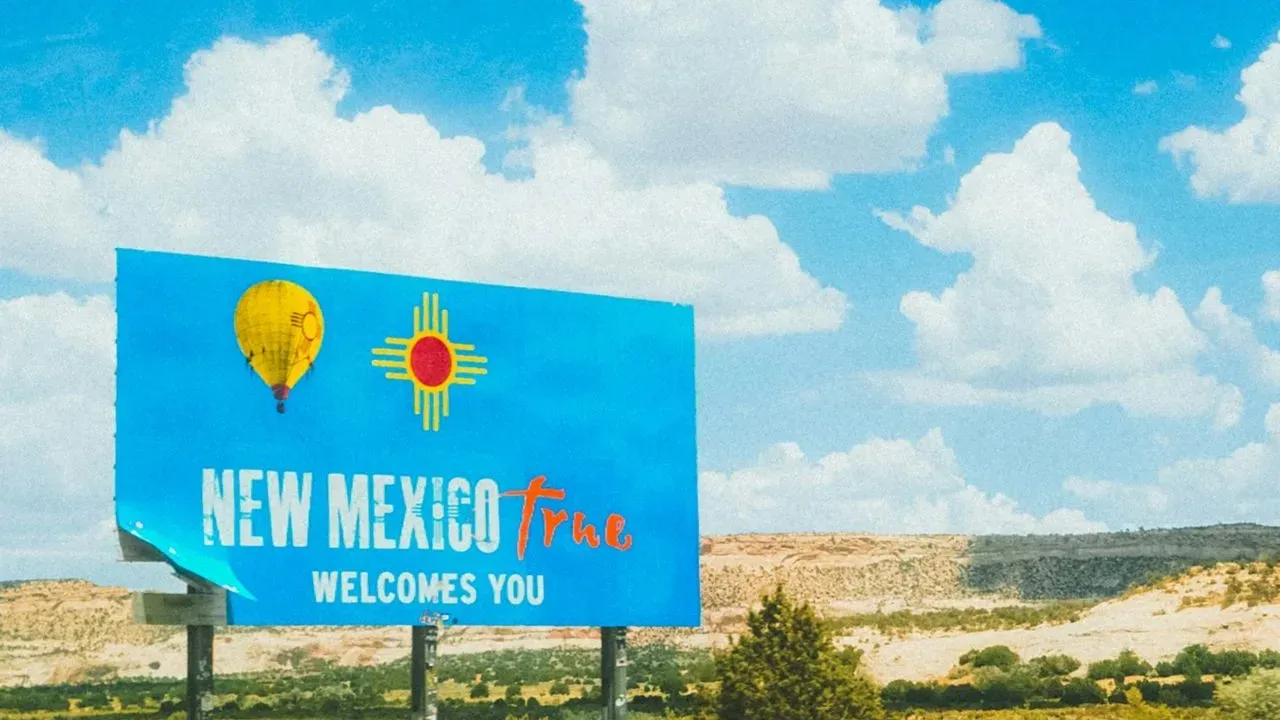

When planning a journey through the American Southwest, the label on a digital map shapes more than navigation. It signals the distinct character of a place that has long stood apart from its southern neighbor. Recent discussions around how major mapping services display New Mexico’s name highlight the practical stakes for anyone relying on those tools to discover the region’s landscapes and communities.
The request from New Mexico’s congressional delegation to Apple and Google underscores a simple point: the state’s legal identity is protected by its own constitution, not subject to external alteration. Changing that name would require a formal process within New Mexico itself, a fact that preserves continuity for residents and visitors alike. ([1])
A Name with Deep Roots
New Mexico’s designation predates the founding of the United States. The name has belonged to the people of the state for generations, reflecting layers of Indigenous presence and Spanish colonial history that set it apart from the country of Mexico. Travelers who search for routes or destinations benefit when maps honor that established identity rather than introducing unnecessary confusion.
Accurate labeling supports clear wayfinding across a vast landscape that includes high desert plateaus, mountain ranges, and historic towns. When the name remains consistent, visitors can more readily locate cultural sites, natural wonders, and local experiences that define the state’s singular appeal.
How Digital Maps Guide Real Journeys
Millions of travelers turn to Apple Maps and Google Maps each year to plot road trips, locate trailheads, and find lodging in remote areas. A stable state name reduces the chance of misdirected searches or unintended associations with another country. This clarity matters especially for those exploring lesser-known stretches of highway or planning multi-day itineraries through varied terrain.
Previous adjustments to other geographic labels on the same platforms have shown how quickly mapping services can respond to external requests. The lawmakers’ letter asks the companies to commit publicly to maintaining the current designation, protecting the reliability travelers expect when they open an app before departure.
Supporting Thoughtful Exploration
Responsible travel begins with accurate information. When maps reflect New Mexico’s true identity, they help visitors approach the state with respect for its unique heritage and natural environment. This foundation encourages longer stays, deeper engagement with local communities, and choices that support sustainable tourism practices.
Whether tracing ancient trade routes, visiting national monuments, or experiencing seasonal festivals, travelers gain from tools that present the destination without ambiguity. Consistent naming reinforces the sense that New Mexico offers its own distinct chapter in the broader story of the Southwest.
What Remains at Stake
The conversation around map labels ultimately returns to the people who live in and welcome others to New Mexico. Their state’s name carries forward a history that continues to shape daily life and cultural expression. Preserving that label on widely used platforms helps ensure future visitors arrive with a clearer sense of place.
As mapping technology evolves, the commitment to factual representation supports the kind of purposeful travel that values accuracy, context, and connection to the land itself.
AI Disclaimer: This article was created with the assistance of AI tools and reviewed by a human editor.