
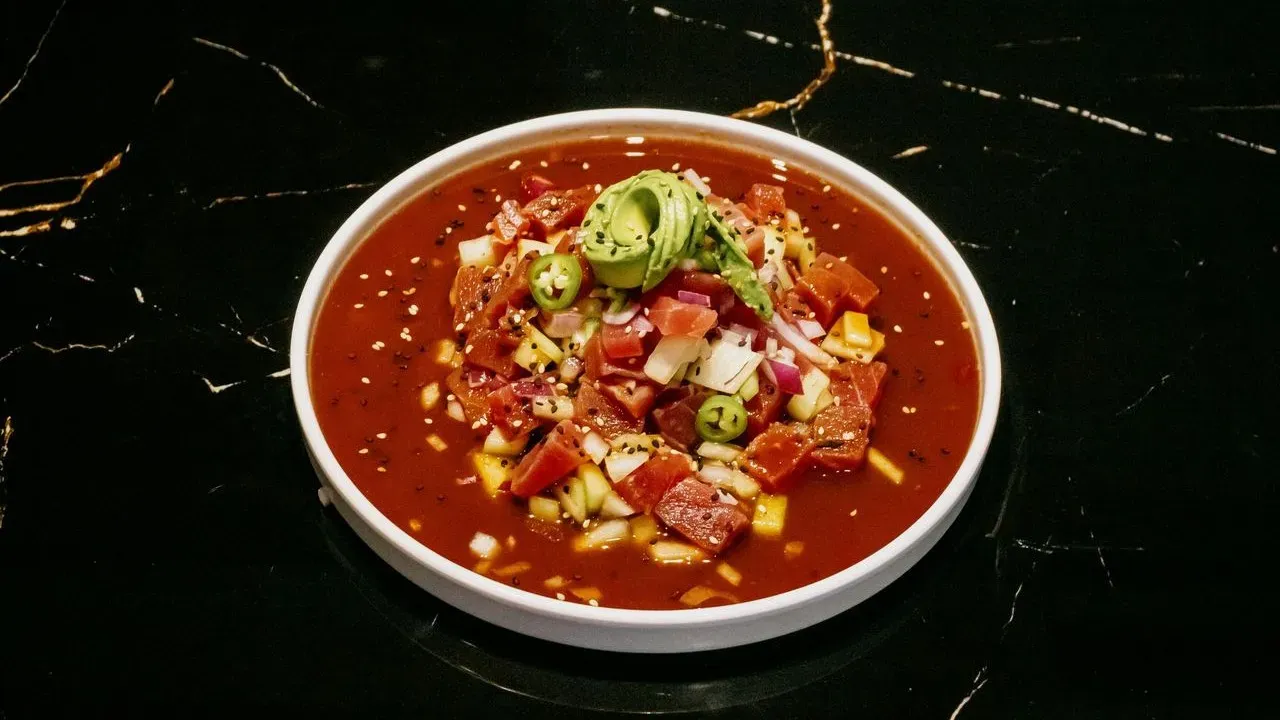

Kinilaw stands apart as a traditional Filipino preparation that transforms fresh fish through acid rather than heat. The dish relies on vinegar and citrus to firm the protein while preserving its texture and flavor. Travelers often encounter it as a bright, tangy starter that reflects local ingredients and techniques passed down through generations. ([1])
Understanding the Dish and Its Roots
Kinilaw, sometimes spelled kilawin depending on the region, uses raw seafood dressed primarily in vinegar. This approach differs from many citrus-based ceviches found elsewhere, though both methods rely on acid to alter the fish’s appearance and consistency. In the Philippines the preparation serves dual purposes: it functions as an everyday appetizer and as pulutan, a snack enjoyed alongside drinks.
Regional preferences influence the exact ingredients and terminology. Some areas favor coconut or cane vinegar for its milder profile, while others incorporate local citrus such as calamansi. The result remains consistent in its emphasis on freshness and balance between acidity, salt, and aromatics like ginger and onion.
Key Ingredients and Preparation Steps
A standard version begins with high-quality yellowfin tuna cut into bite-sized cubes. The fish receives a brief rinse in vinegar to reduce any strong odor before the main dressing is added. Additional components include chopped red onion, thin strips of ginger, calamansi juice, salt, and black pepper.
Optional garnishes such as bird’s eye chilies, diced tomato, or a touch of sugar allow cooks to adjust heat and sweetness. All elements are gently combined, then chilled for roughly thirty minutes. Extended marination firms the fish further but should be monitored to maintain the desired texture.
Practical Considerations for Home Cooks
Because the fish remains uncooked by heat, sourcing matters. Only seafood confirmed suitable for raw consumption from a reputable supplier should be used. Proper refrigeration throughout preparation and service helps maintain quality and safety.
The finished kinilaw is best enjoyed soon after assembly. Leftovers do not store well, so preparing just before serving preserves both flavor and texture. Those with compromised immune systems, along with pregnant women, young children, and older adults, are generally advised to avoid raw seafood preparations.
Experiencing Kinilaw Through Travel
Sampling kinilaw offers visitors a direct connection to Philippine coastal traditions and everyday food culture. Markets and home kitchens across the islands showcase variations that highlight local vinegars and citrus. The dish rewards attention to ingredient quality and simple, respectful preparation.
Whether encountered at a casual gathering or prepared at home with care, kinilaw illustrates how acid-based techniques create distinctive results without the need for cooking equipment. Its straightforward method continues to anchor meals and social moments throughout the Philippines.
AI Disclaimer: This article was created with the assistance of AI tools and reviewed by a human editor.