
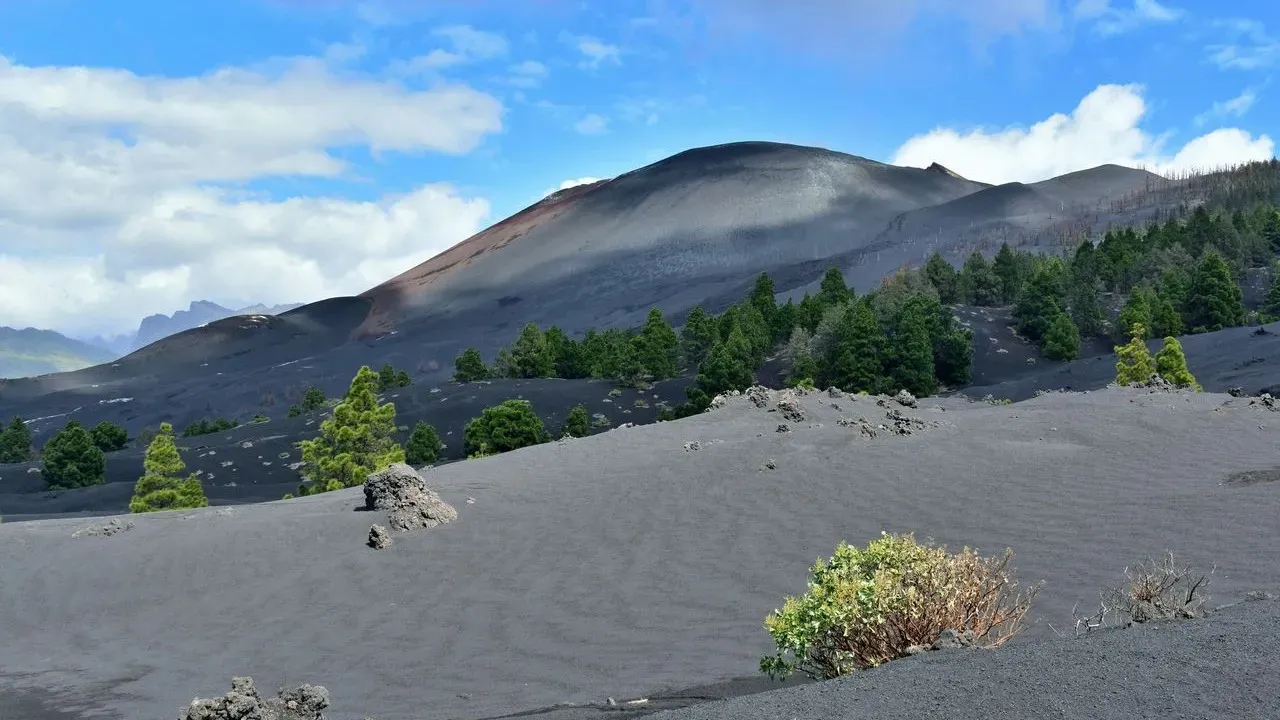

La Palma sits in the western reaches of the Canary Islands, its rugged profile shaped by centuries of volcanic activity and, most recently, the 2021 eruption of the Cumbre Vieja volcano. The island has long drawn visitors for its dramatic geology and exceptionally clear night skies, now formally recognized as a UNESCO Starlight Reserve. In the years since the eruption, residents have focused on careful recovery while opening new trails that reveal both the power of the landscape and its capacity for renewal.
Reading the Island’s Volcanic Story
La Palma’s surface records repeated episodes of lava flows and ash deposits that have built and reshaped the terrain over time. Hikers can follow established paths across older lava fields and, where access has been restored, observe the newer formations from safe vantage points. These routes offer close views of cooled rock surfaces, fumaroles, and the gradual return of vegetation to previously affected slopes.
Local guides emphasize staying on marked trails and respecting temporary closures that protect both visitors and recovering land. The experience underscores how volcanic events, while disruptive, also create distinctive terrain that continues to evolve. Travelers who approach these areas with patience gain a grounded sense of the island’s ongoing geological processes.
Walking Through Ancient Laurel Forests
La Palma preserves some of the Canary Islands’ most extensive laurel forests, remnants of a once-widespread ecosystem that dates back millions of years. These cloud forests thrive on the northern slopes, where frequent mist supports dense canopies of laurel, holly, and tree heather. Narrow paths wind beneath the foliage, revealing moss-covered trunks and small streams that feed the island’s water supply.
Walking these trails provides a quiet contrast to the exposed volcanic zones. The forests remain vital for local biodiversity and serve as living laboratories for researchers studying climate resilience. Visitors are encouraged to move slowly, keep noise low, and avoid disturbing the undergrowth so that the delicate balance of this habitat stays intact.
Experiencing the UNESCO Starlight Reserve
La Palma’s combination of high altitude, low light pollution, and stable atmospheric conditions has earned it international recognition as a Starlight Reserve. Observatories and designated viewing areas allow visitors to observe the Milky Way and seasonal constellations with unusual clarity. Evening programs organized by local astronomical groups explain the science behind the dark-sky designation and the measures taken to maintain it.
Stargazing here requires minimal equipment beyond warm clothing and a red-light flashlight. Many participants describe the experience as both humbling and restorative, a reminder of how remote locations can preserve conditions increasingly rare elsewhere. The reserve status also supports ongoing efforts to limit artificial lighting across the island.
Coastal Paths and Marine Life
La Palma’s shoreline features distinctive black-sand beaches formed from eroded volcanic rock. These stretches offer calm swimming in some coves and dramatic wave action in others, with clear water that reveals underwater rock formations. Short coastal walks connect several beaches and provide opportunities to watch seabirds and, seasonally, migrating whales and dolphins offshore.
Whale-watching excursions depart from small harbors and follow guidelines designed to minimize disturbance to marine mammals. Operators share information about local species and the importance of maintaining distance during sightings. The combination of volcanic coastline and rich marine environment gives visitors a fuller picture of how land and sea interact on the island.
Traveling With Care on a Recovering Island
La Palma’s tourism sector has grown steadily since 2021, with an emphasis on low-impact visits that support local businesses and conservation projects. Accommodations range from restored farmhouses to small hotels that follow water- and energy-saving practices suited to the island’s resources. Many operators now highlight how visitor spending contributes directly to trail maintenance and reforestation efforts.
Practical planning includes checking current trail conditions, booking stargazing sessions in advance during peak seasons, and choosing operators that follow established environmental standards. The island rewards travelers who arrive prepared to adapt to weather changes and to move at the measured pace the landscape itself suggests. In this way, La Palma continues to offer a distinctive setting where geological history and dark-sky clarity remain closely intertwined.
AI Disclaimer: This article was created with the assistance of AI tools and reviewed by a human editor.