
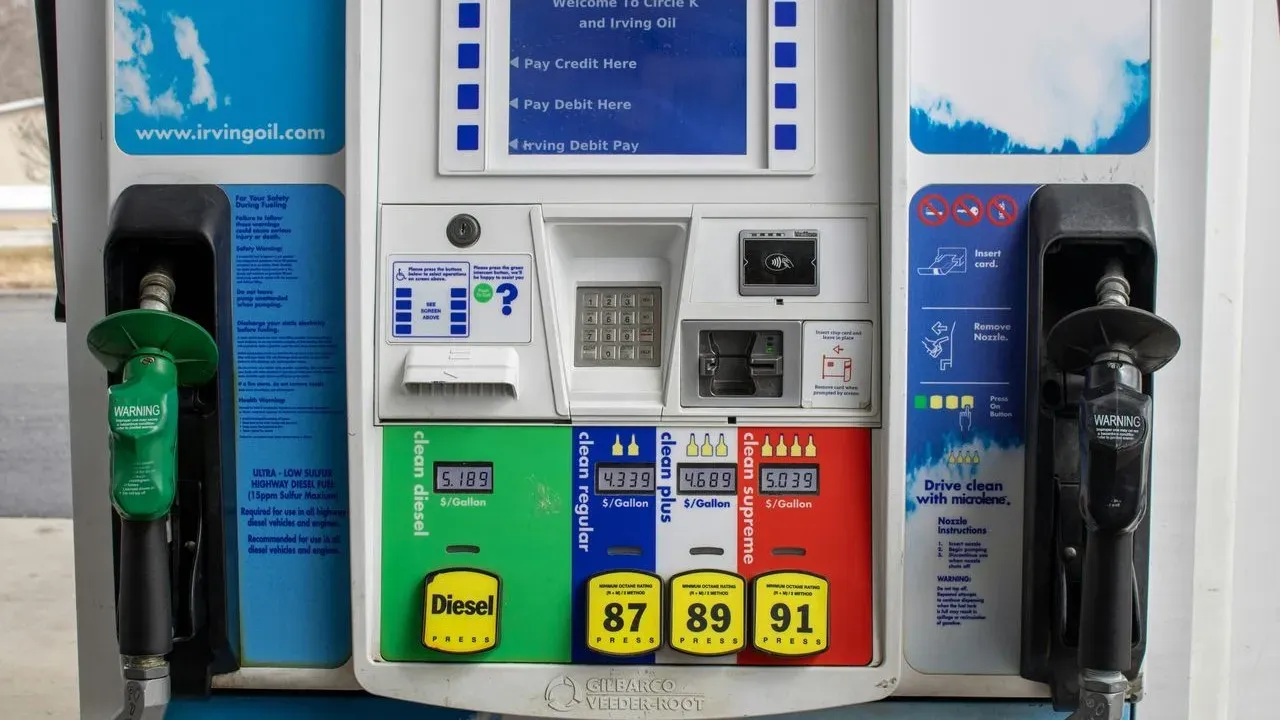

Fuel prices across the United States reached new highs heading into the Labor Day weekend, with the national average for regular gasoline at $4.14 per gallon. This figure sits nearly a dollar above the same period last year and exceeds the previous Labor Day record of $3.82 set in 2012. Many drivers planning final summer road trips felt the difference at the pump, particularly those traveling longer distances or managing additional family expenses. The increase traces to a combination of international supply disruptions and domestic refinery constraints. ([1])
Global Events and Domestic Factors at Play
Prices began climbing after the United States and Israel conducted strikes on Iran in February. Crude oil shipments through the Strait of Hormuz dropped sharply, and Iran has kept the waterway closed to traffic. Energy analysts point to these developments as the primary driver behind the sustained elevation in costs.
At the same time, U.S. refineries operated near 98 percent capacity under unusually hot conditions in key producing regions. Any further disruption, whether from equipment issues or weather, could keep supplies tight. Ukrainian strikes on Russian facilities have also reduced diesel output, while Chinese refiners report lower production volumes overall.
How Higher Prices Affect Road Travelers
Families and individuals who rely on personal vehicles for holiday travel absorbed the added expense directly. One driver preparing a trip from the Philadelphia area to South Carolina noted that rising fuel costs had already limited weekend outings throughout the summer, especially with a young child in the household. Diesel prices reached a national average of $5.85 per gallon, a record that raises transportation expenses for freight and package delivery services.
Those costs often pass through to consumers at grocery stores and through shipping fees. Travelers who monitor prices through apps can still find modest savings by choosing stations a short distance from major highways, where rates sometimes run 10 to 15 cents lower per gallon than interstate locations.
Outlook and Practical Steps for Drivers
Market futures indicate that bulk gasoline purchased for delivery in November trades roughly 35 cents below current spot prices, suggesting some moderation may arrive later in the fall. Officials have stated that efforts continue to expand domestic production and ease pressure at the pump.
Gasoline prices normally ease once the summer driving season ends and refineries switch to winter blends. This year, however, the combination of Middle East tensions and refinery strain makes the usual seasonal decline less certain. Drivers planning trips can still manage expenses by comparing local stations in advance and timing longer drives for periods when prices show signs of easing.
AI Disclaimer: This article was created with the assistance of AI tools and reviewed by a human editor.