
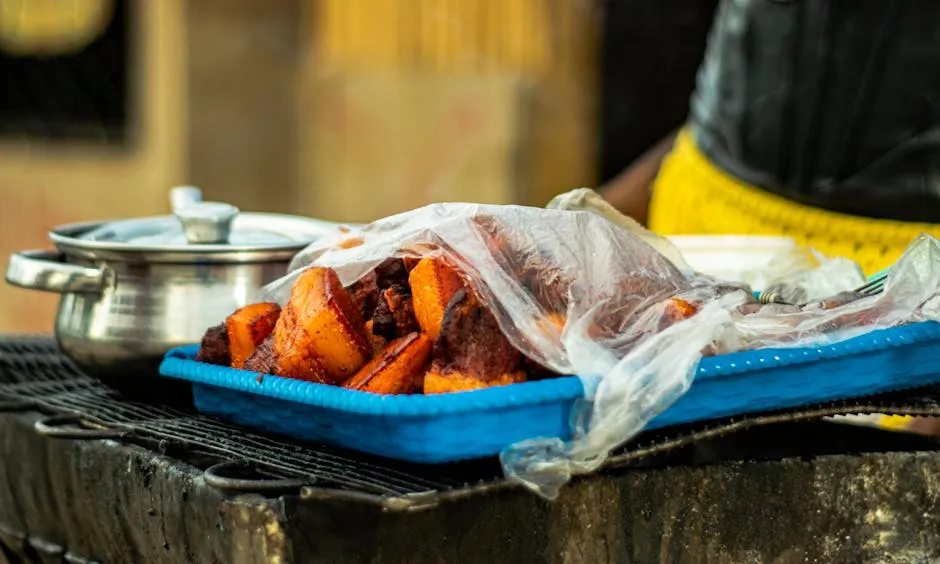

Walk through Surulere at noon, or past a Lekki junction after dark, and you’ll understand something quickly. The real pulse of Lagos doesn’t beat inside air-conditioned restaurants. It rises from open flames and sizzling skillets on the pavement, carried on humid air thick with spice and smoke. Street food here isn’t a sideshow to the city’s culinary life. In many ways, it is the culinary life.
What’s changing now is the scale of attention. Lagos street food is earning a new kind of recognition, one that’s crossing borders, attracting investment, and forcing a serious conversation about whether this deeply rooted food culture is on the edge of a much larger moment.
A City Built on Flavor: The Deep Roots of Lagos Street Food
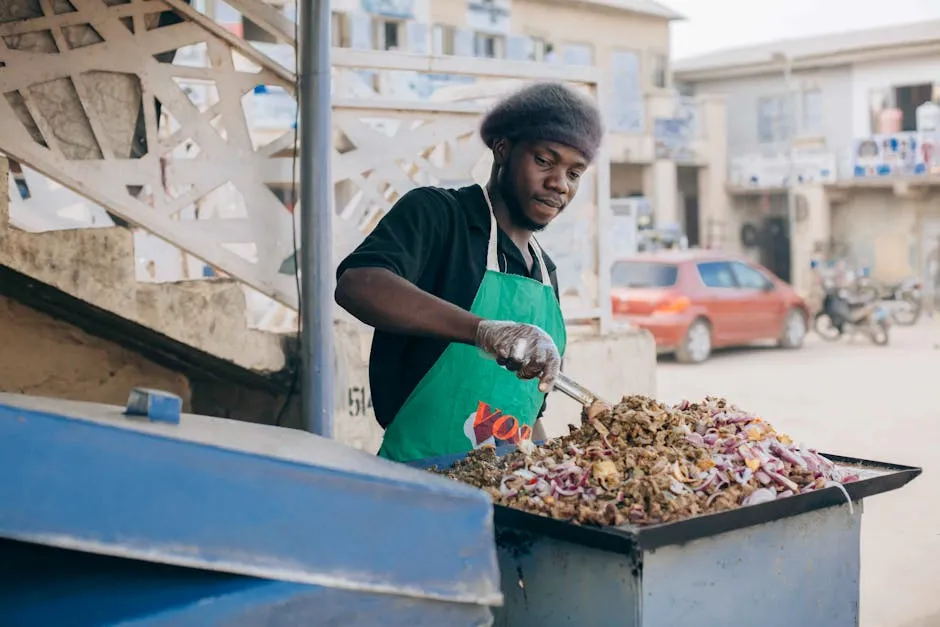
Lagos’ street food roots go back over a century. As a port city, it welcomed trade and people from all over West Africa, resulting in a melting pot of dishes shaped by Yoruba, Hausa, Igbo, and coastal influences. That layered history is still tasted in every bite today.
Foods like akara and moin moin became everyday fare, born from the need for quick, affordable, and filling meals. Over time, more flavors joined the mix, creating a street food scene that’s as diverse as the city itself.
Food culture in Nigeria represents the collective practices, beliefs, and traditions surrounding how Nigerians produce, prepare, share, and celebrate meals. It’s a living testament to over 250 ethnic groups, each contributing unique flavors and techniques that have evolved over centuries.
Suya, Jollof, and the Dishes That Define a Metropolis
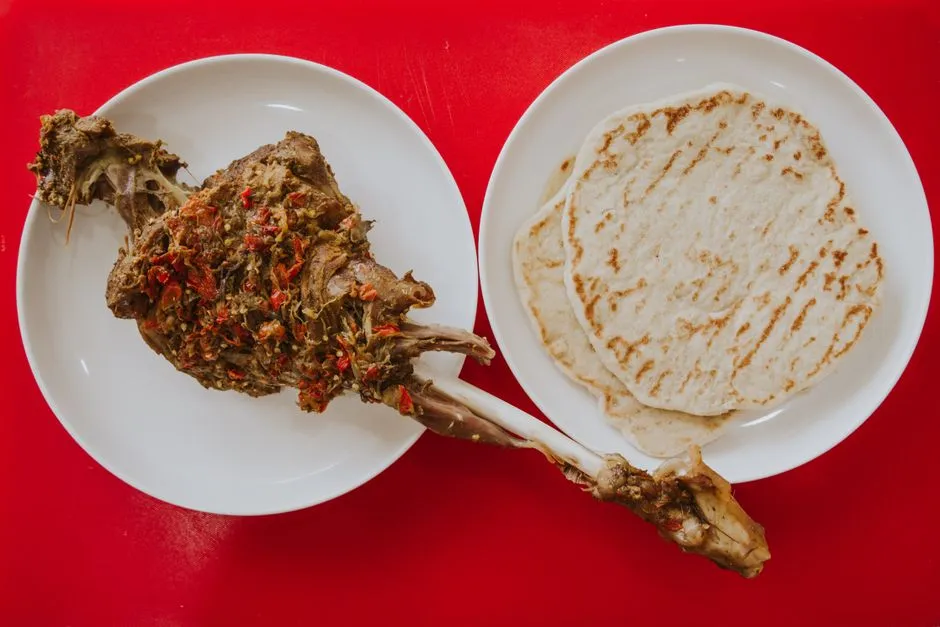
If there’s one dish that defines Lagos street food, it’s suya. Thinly sliced meat grilled with a fiery peanut-based spice mix, suya is smoky, spicy, and deeply addictive. While it comes from the Hausa people, it’s now loved citywide, with vendors serving it with onions and pepper sauce, often late into the night.
You can’t talk about West African food without jollof rice. While usually a party dish, Lagos has brought it to the street. Vendors dish out smoky, tomato-rich rice served with fried plantain, grilled meat, or spicy pepper sauce, with Lagos’ version leaning into the city’s love of bold flavors.
These days, you can even find suya made with prawns, liver, or plantain, proving just how versatile this street staple has become. That kind of quiet reinvention happens organically here, without culinary school intervention or Instagram strategy.
The Numbers Behind the Plates: A Market Growing Fast
Nigeria’s food and drink market was valued at USD 143.8 billion in 2024 and is projected to reach USD 237.9 billion by 2032, growing at a compound annual growth rate of 6.5%. Those are not small figures for a country whose informal food sector remains largely uncounted.
Known for its vibrant colors, bold flavors, and rich cultural significance, Nigerian food is having its moment. The country’s food service market is booming, with an estimated $10 billion in 2024, projected to reach $17 billion by 2029.
Lagos State dominates Nigeria’s food and drink market due to its massive urban population, higher incomes, and strong retail and hospitality sectors. It’s the biggest hub for packaged food, beverages, and quick-service restaurants, with both international brands and local producers focusing heavily here.
Street Stalls as an Economic Backbone
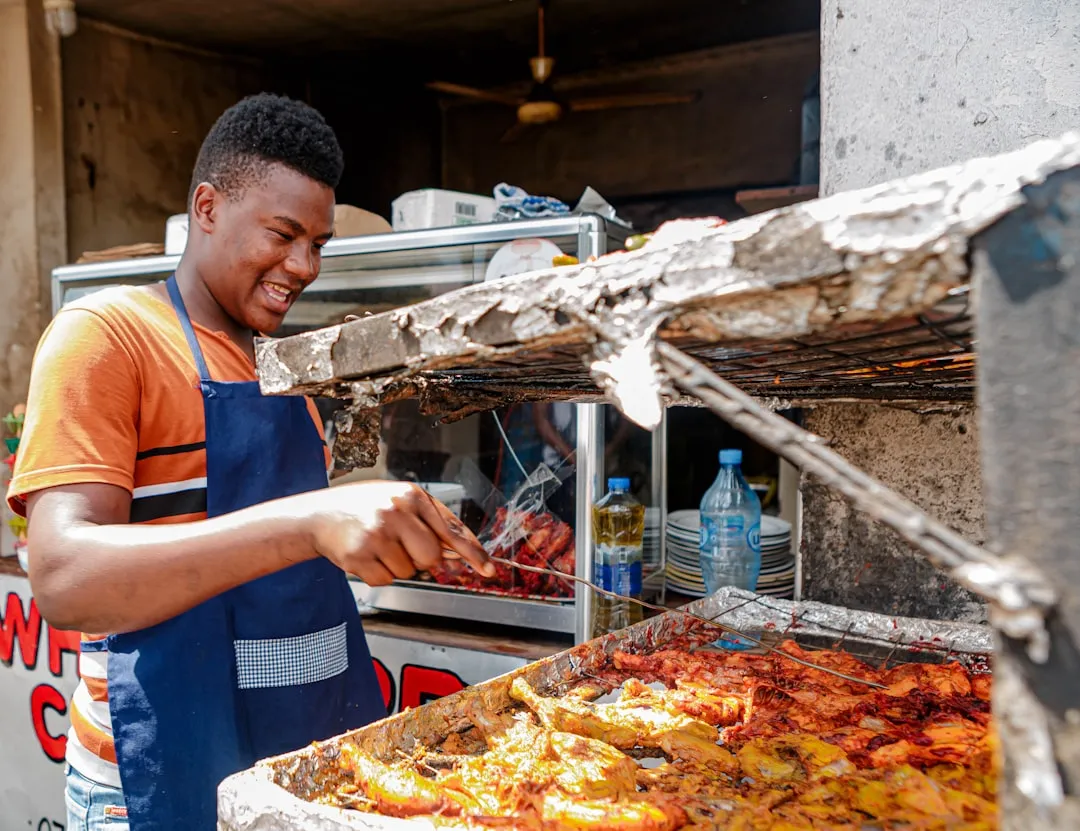
According to the National Bureau of Statistics, over 65% of Nigerians rely on street food vendors for at least one daily meal. The reason is simple: convenience meets trust. Vendors offer familiar dishes such as amala and ewedu, jollof rice, moi moi, fried yams and fish, and akara, all prepared with flavor and familiarity.
Women dominate Nigeria’s street food trade, estimated at 75% of total vendors, according to a 2024 Food and Agriculture Organisation brief. They are small business owners, cooks, mentors, and sometimes sole breadwinners.
Over 50 million informal businesses operate in Lagos, and these businesses, ranging from street vendors to unregistered workshops, significantly contribute to employment, revenue, and income distribution but remain largely excluded from official economic data, distorting the true size of the state’s GDP. That distortion means the street food economy is almost certainly bigger than any published figure suggests.
Food Festivals: The Scene Goes Mainstream
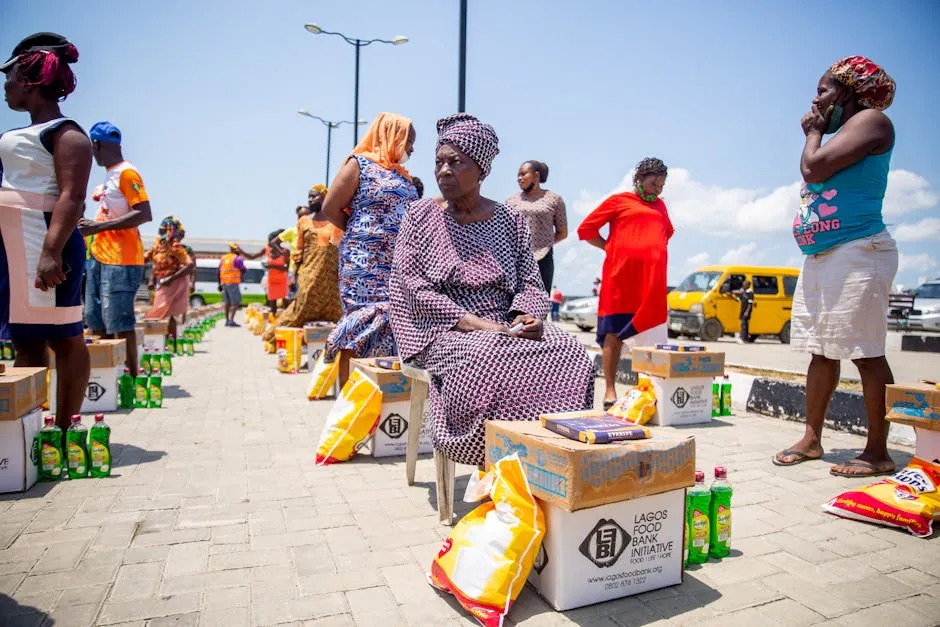
Guaranty Trust Holding Company launched the inaugural Holiday Edition of its Food and Drink Festival in December 2025 at the GT Centre in Oniru, Lagos. This special festive edition represents an exciting new chapter for what is already recognized as Africa’s largest food and beverage festival, reinforcing the city’s reputation as a dynamic hub for both gastronomy and tourism in Africa.
GTCO’s initiative to allow free participation for vendors attracted a record 4,000 applications, nearly double the number from previous years. The 2025 festival selected 213 food-based SMEs, all of which are Nigerian-owned businesses offering diverse and affordable food options to festival attendees.
With over 130,000 visitors expected at the event, the economic impact on Lagos is significant. Local businesses involved in tourism, including restaurants, hotels, and local attractions, stand to benefit directly from the influx of festival-goers.
Social Media and the Appetite for Visibility
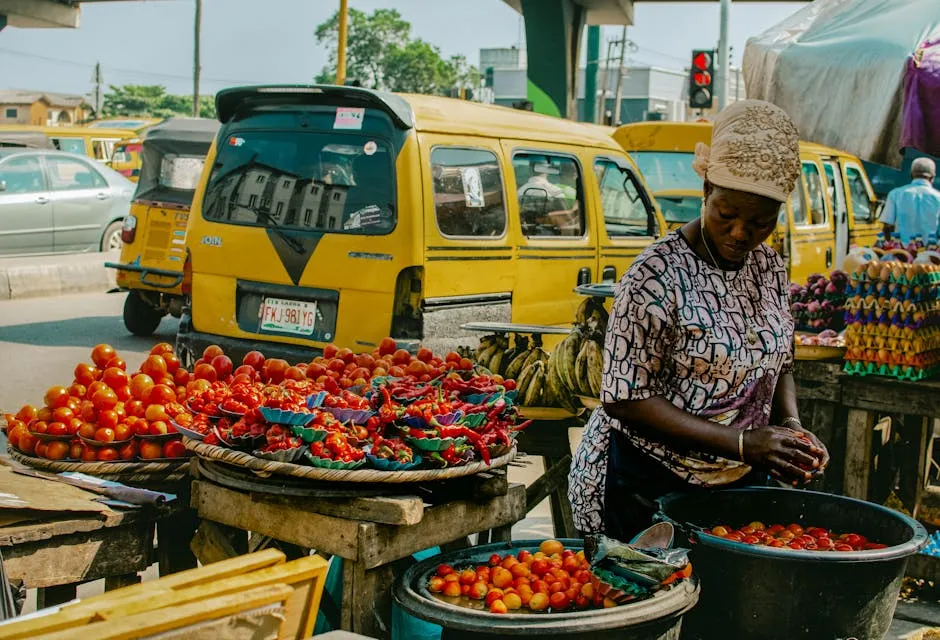
Instagram and TikTok have helped Lagos street food reach new audiences. Videos of suya sizzling over open flames or puff-puff frying in bubbling oil draw thousands of views, and these clips don’t just make you hungry, they build interest in Nigerian food culture.
The meteoric global rise of Afrobeats music, Nollywood film content streamed internationally on platforms like Netflix and Amazon Prime, and Nigerian fashion on international runways has created a powerful cultural halo effect that is directly benefiting the Nigerian restaurant industry. Major streaming platforms have featured Nigerian culinary content in travel and food documentaries, bringing dishes like jollof rice, pounded yam, and moi moi to global audiences.
Google Trends data shows a 214% increase in searches for “Nigerian food near me” between 2020 and 2025 in the United States, reflecting growing mainstream awareness. That kind of organic search momentum tends to precede serious commercial movement.
Global Appetite: Nigerian Food Crossing Borders
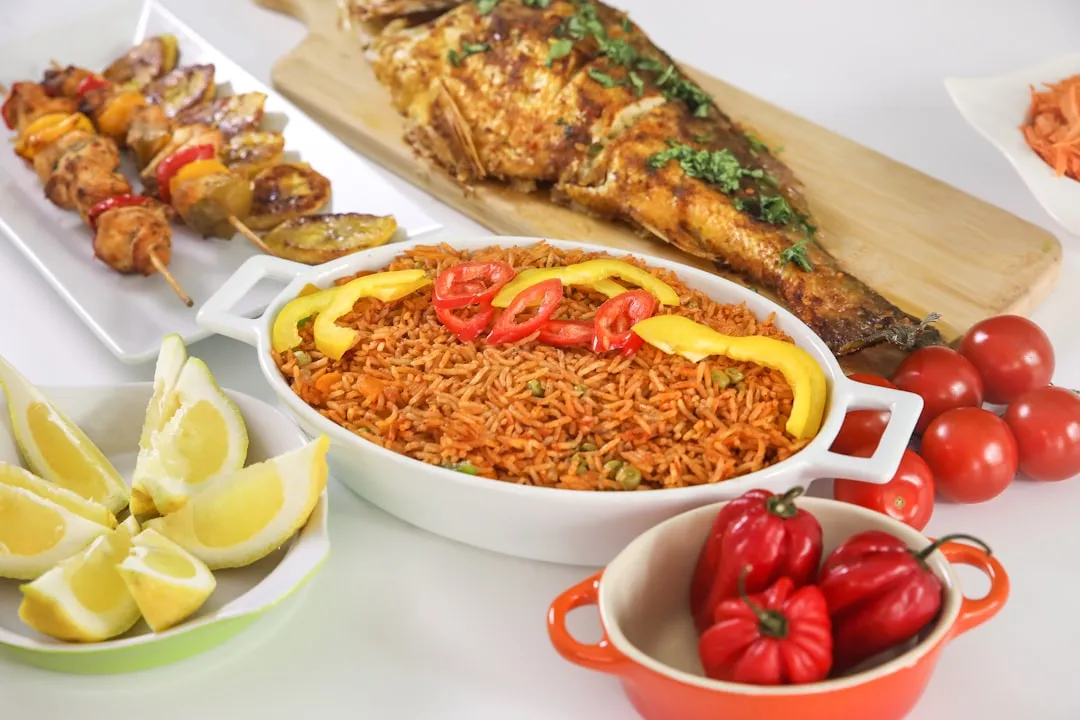
Over the past decade, the Nigerian diaspora has transformed food culture across continents. From Lagos to London, Abuja to Atlanta, and Port Harcourt to Paris, Nigerian cuisine has gone from being a hidden gem to a celebrated global flavor.
The Naija Food Festival’s international tour kicked off in Canada in August 2025, with South Africa hosting the event before the festival returned to Nigeria for its grand finale in both Abuja and Lagos in December 2025. The structure of that tour says something plain: Nigerian food culture is now considered exportable.
In the UK, the All-Party Parliamentary Group on West African communities noted a 32% increase in Nigerian food-focused businesses registered between 2021 and 2024. That’s a concrete institutional signal, not just anecdotal enthusiasm.
The Vendor Reality: Pressure Behind the Pots
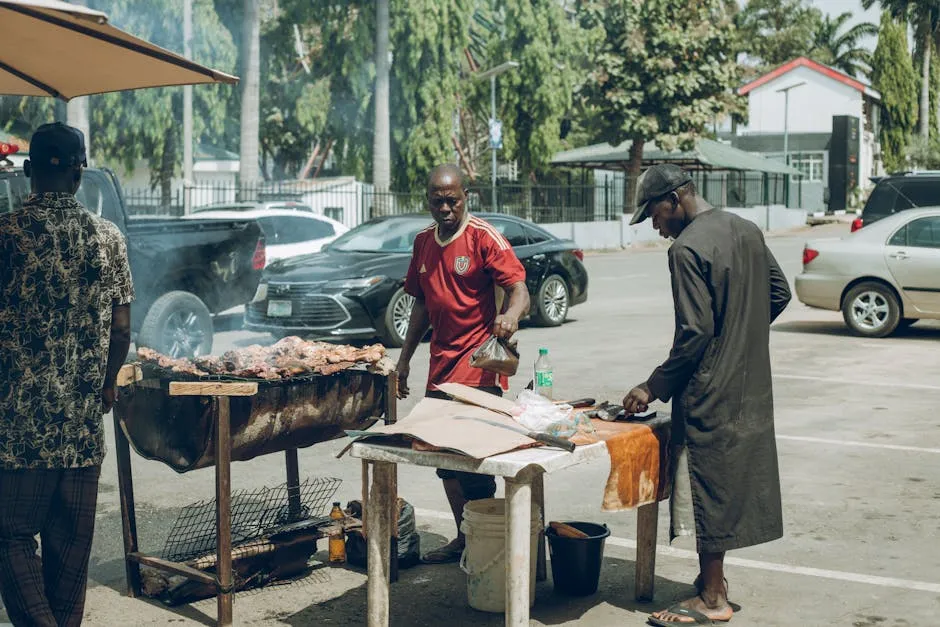
As Lagos grows, so does the tension between old ways and new infrastructure. Some vendors are being asked to relocate from busy corners to formal markets. While this helps with sanitation, it can hurt sales since street visibility is key to success.
Nigeria’s food inflation reached 40.9% in 2024, according to the National Bureau of Statistics, forcing operators to implement dynamic pricing strategies while managing consumer price sensitivity. For street vendors operating on narrow margins, that pressure is felt immediately.
Still, many are adapting by joining food truck parks, partnering with delivery platforms, or investing in mobile stalls. The goal is to grow without losing the spirit that makes street food special. It’s a balancing act that defines the current moment for the entire scene.
Infrastructure, Supply Chains, and the Markets Behind the Meals
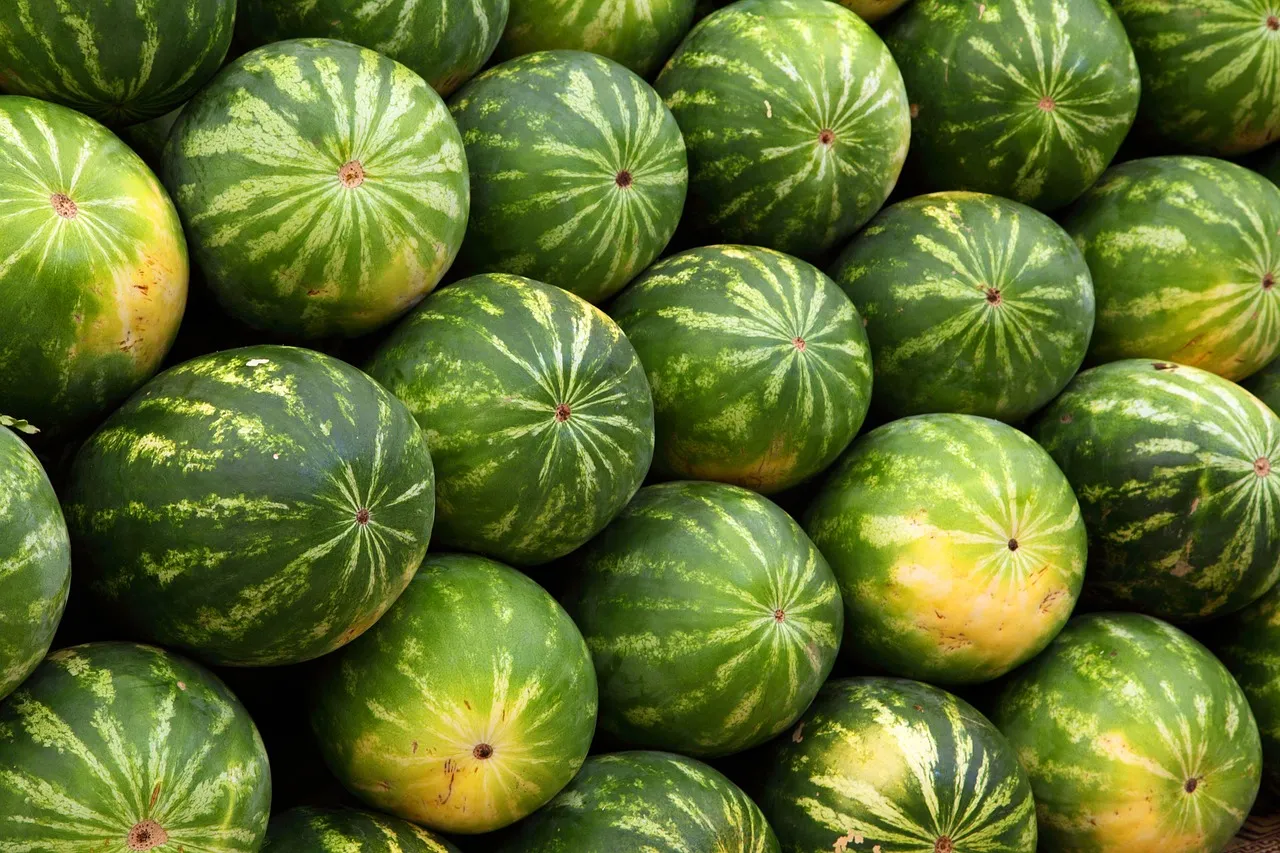
Behind every plate of Lagos street food is a bustling market. Places like Mile 12 and Oyingbo supply the peppers, onions, fish, and meat that fuel the city’s grills and pots. Mile 12 alone handles over 50 tons of produce daily.
Post-harvest losses in Nigeria still exceed 30% for perishable goods, according to the Food and Agriculture Organization, a staggering figure that represents both a humanitarian challenge and a commercial opportunity for storage, logistics, and processing technology providers.
The Special Agro-Industrial Processing Zones program received USD 538.5 million in funding for Phase 1 implementation across 7 states, targeting 1.5 million households and 400,000 direct jobs in agricultural processing activities. Improvements at the supply chain level will ultimately shape what ends up on street food plates.
What a Culinary Movement Actually Looks Like From the Ground Up
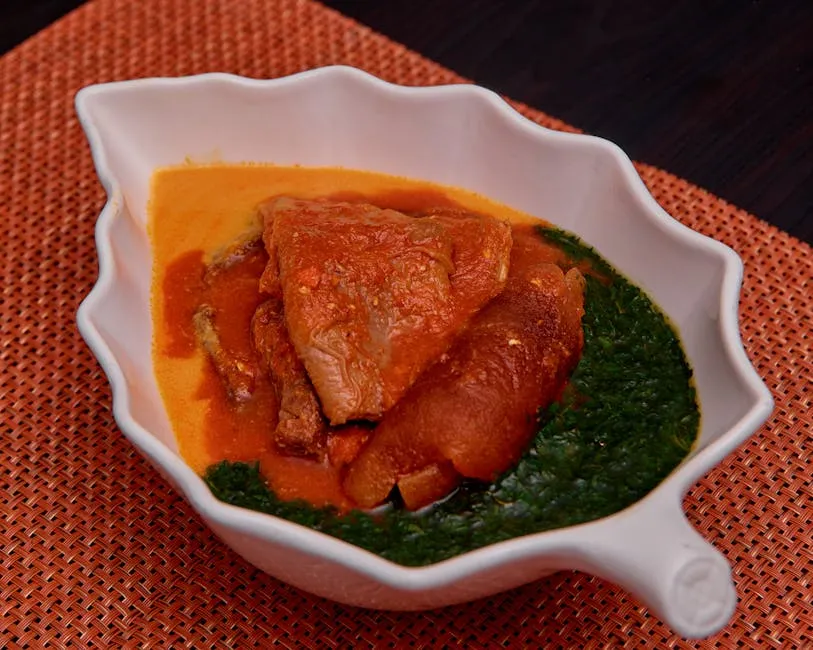
Nigeria’s National Foods and Culture Festival brings together culinary talent from the six geopolitical zones and foreign missions to showcase the country’s gastronomy and promote sustainable food production from farm to table. The 2024 edition, themed “Sustainable Food Production from Farm to Table,” drew over 5,000 visitors and featured live cooking demonstrations, a cake-decoration contest, and a gala award night.
The Nigeria Food Summit 2025 brought together top industry leaders, culinary innovators, and policymakers at the Landmark Centre, Lagos, under the theme “Making Nigeria a Global Food Destination.” That theme signals where official ambition is pointing.
Diaspora Nigerians are introducing Nigerian cuisines to global audiences, and food tourism is growing as people recognize that Nigerian food culture deserves the same attention as its music, literature, and art. That recognition, when it fully crystallizes, tends to mark the moment a food scene stops being a local story and becomes an international one.
Conclusion: A Movement in Motion, Not Yet Complete
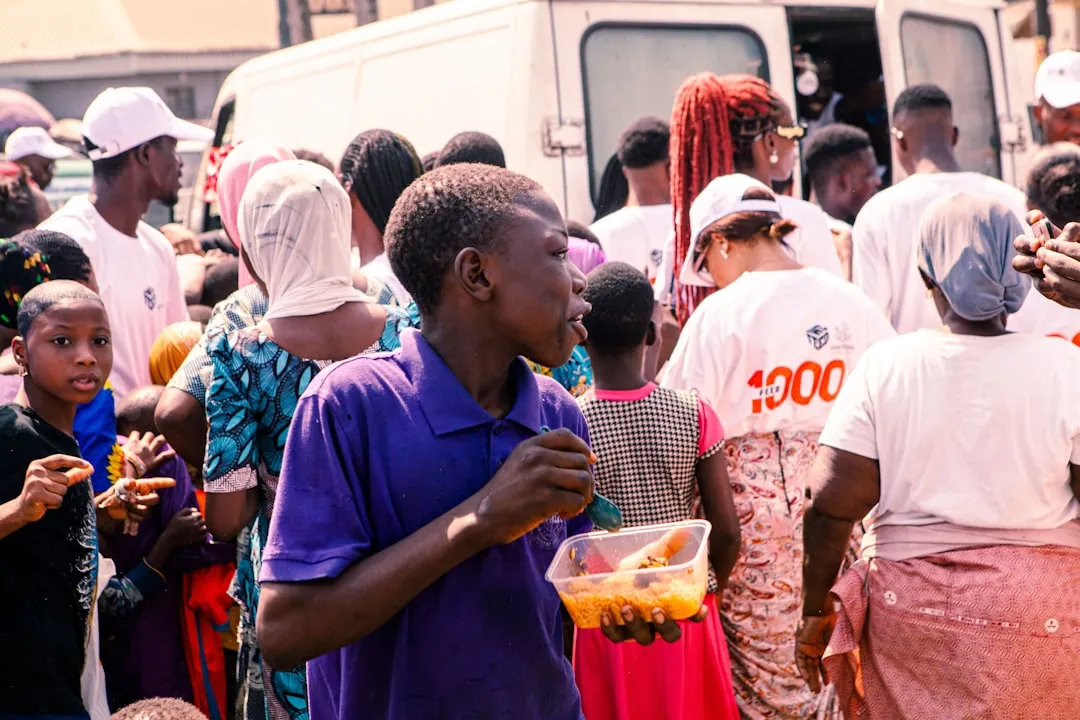
The evidence points in a consistent direction. Lagos street food is feeding a city of millions, anchoring a multibillion-dollar industry, attracting festival investment, and traveling internationally through diaspora networks and digital platforms. The ingredients for a genuine global culinary movement are measurably present.
What separates movements from moments is usually longevity and infrastructure. The supply chain gaps, the inflationary pressure on vendors, and the ongoing tension between informal trading and formal urban policy all represent real friction points that still need to be resolved.
Yet the appetite, quite literally, is there. Nigerian food festivals and pop-ups are growing in popularity across the diaspora, and with the rise of Afrobeats, Nigerian cuisine is gaining global recognition as part of Africa’s soft power. Lagos is not asking for permission to take its place at the global table. It’s already serving.
AI Disclaimer: This article was created with the assistance of AI tools and reviewed by a human editor.