
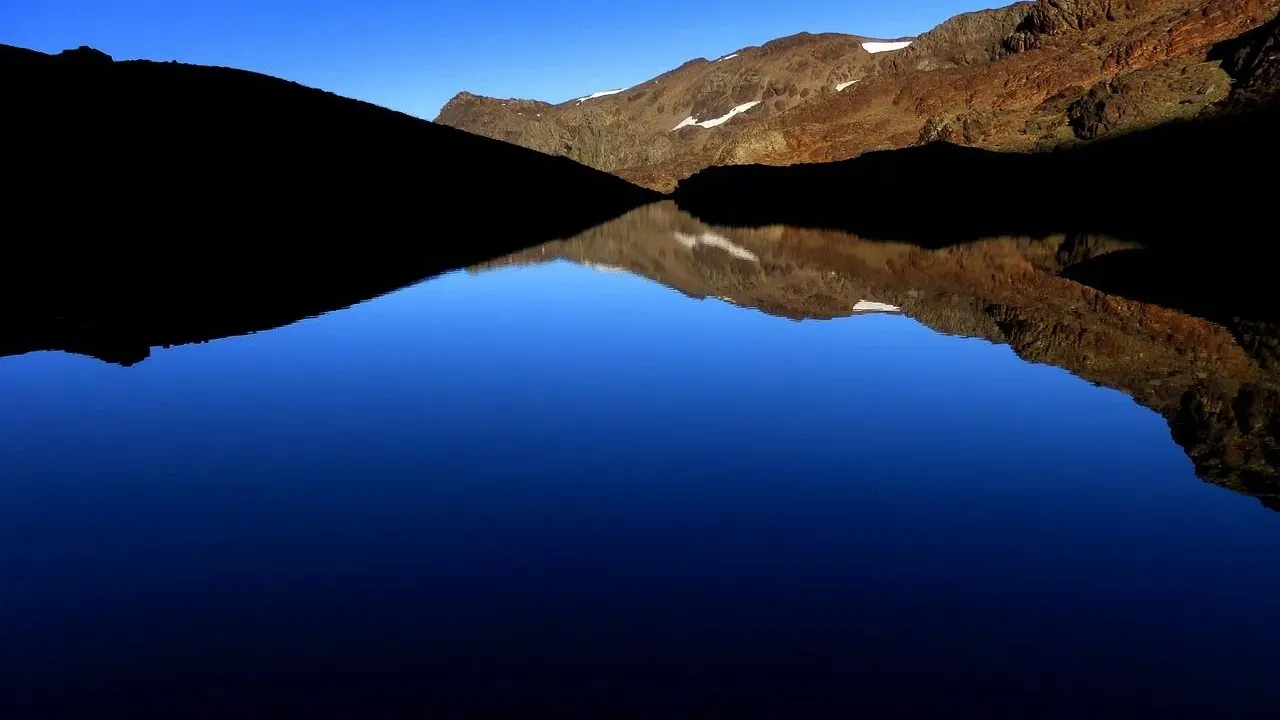

Granada, Nicaragua, sits just a short drive from one of the country’s most distinctive natural features: Laguna de Apoyo, a clear, mineral-rich lake nestled inside an ancient volcanic crater and ringed by protected tropical forest. Travelers often seek it out for a quiet day of swimming and rest, drawn by the contrast between the bustling colonial streets and the stillness of the water. The reserve setting encourages a measured approach that respects both the landscape and the small businesses that welcome visitors.
The quiet pull of the crater
The lake’s setting inside the crater creates a sheltered microclimate where the water remains pleasantly cool even on warm days. Forested slopes rise steeply around the shoreline, offering shade and a sense of enclosure that feels far removed from everyday routines. Many visitors arrive expecting only a swim and leave having spent hours simply watching the light shift across the surface. The protected status of the area helps maintain this calm, with access managed through lakeside properties that limit crowds and support conservation efforts.
Practical ways to arrive
Most travelers reach Laguna de Apoyo from nearby Granada, where several straightforward options exist. A daily shuttle from Oasis Hostel departs at 10 a.m. and returns in the late afternoon, providing round-trip transport for a modest fee and the chance to meet other visitors along the way. Those who prefer independence can rent a car or scooter for the roughly thirty-minute drive over paved roads that descend into the crater. Public buses and taxis offer additional choices, though the shuttle remains popular for its simplicity and reliability on a day trip.
Choosing a lakeside base
Two properties stand out for day visitors seeking a relaxed atmosphere. Coco Bay Hostel provides a more secluded stretch of shoreline with kayaks, hammocks, and sunbeds included in its day pass, while Paradiso Hostel & Restaurante features a wider beach area and a slightly livelier setting. Both charge around seven dollars for daytime access and serve simple meals on site. Spending the full day at one location allows time for swimming, paddling, and quiet reading without the need to move between sites.
Activities that honor the setting
The lake invites gentle engagement rather than high-energy pursuits. Swimming in the clear water remains the primary draw, with many visitors alternating between short dips and time spent on the shore. Kayaks and paddleboards let guests explore the perimeter at their own pace, revealing quiet coves and forest edges. Wildlife sightings, from howler monkeys to resident birds, add quiet interest for those who pause to listen. An overnight stay at one of the hostels extends the experience, allowing an early-morning swim before day visitors arrive.
Visiting with care
Responsible travel here centers on supporting the small operations that maintain access and on keeping impact low. Day-pass fees directly benefit local businesses, and choosing to eat on site or bring minimal packaging helps reduce waste in the reserve. Travelers who arrive prepared with reusable items and respect quiet hours contribute to the peaceful character that draws people in the first place. The result is a day that feels restorative for both the visitor and the place itself. The memory of floating in the crater’s still water often lingers long after the return to Granada, offering a reminder of how a single, well-chosen day can deepen appreciation for Nicaragua’s landscapes.
AI Disclaimer: This article was created with the assistance of AI tools and reviewed by a human editor.