
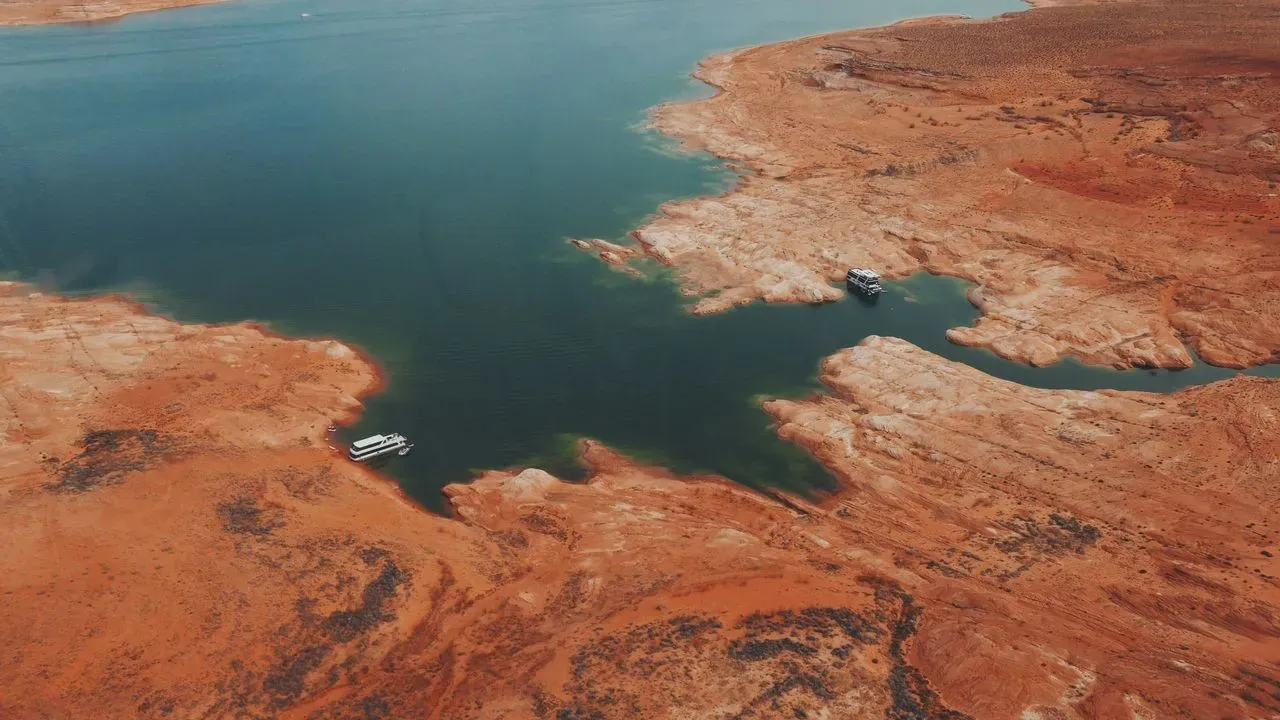

Lake Powell continues to draw visitors with its dramatic red-rock canyons and vast blue waters set within Glen Canyon National Recreation Area. Recent decisions by federal managers to extend emergency releases from upstream reservoirs reflect ongoing efforts to stabilize levels in this iconic Colorado River reservoir. Travelers planning trips to the area will notice visible changes along the shoreline, yet the destination’s core appeal remains intact for those who approach their visit with awareness and care.
Understanding the Current Adjustments
Federal officials have extended releases from Flaming Gorge Reservoir through April 2027 to help maintain Lake Powell’s surface elevation above a critical threshold. These measured releases build on actions that began earlier in the year and form part of a broader strategy to support the larger Colorado River system during extended dry conditions. The approach balances downstream needs with the protection of infrastructure at Glen Canyon Dam. Visitors often arrive expecting the familiar expanse of water that has defined the reservoir for decades. Lower levels mean some previously submerged features now appear along the edges, creating new textures in the landscape. Boaters and paddlers may find launch points shifted or require extra planning to reach deeper water, yet many marinas continue to operate with adjusted access.
Experiencing the Landscape Today
The exposed sandstone and newly revealed side canyons offer fresh perspectives for photographers and hikers willing to explore on foot. Early morning light still catches the same towering cliffs that have inspired generations of travelers, while the quieter coves reward those who venture farther from main channels. Kayakers and stand-up paddleboarders frequently report intimate encounters with the geology that once lay hidden beneath the surface. Responsible visitors check current water levels and marina conditions before arrival. Local outfitters provide updated guidance on launch sites and recommended routes, helping guests make the most of the reservoir’s present configuration. This preparation turns potential surprises into opportunities for deeper appreciation of the place.
Planning a Thoughtful Visit
Travelers who prioritize sustainability find meaningful ways to engage with the region. Choosing operators that follow low-impact practices, packing out all waste, and respecting quiet zones near wildlife habitats contribute to the long-term health of the area. Many visitors also take time to learn about the Colorado River’s role in supporting communities across the Southwest, adding context to their personal experience on the water. The reservoir’s vast scale still allows for solitude even on busy weekends. Those who rise early or choose midweek travel often have entire bays to themselves, where the only sounds are wind across the water and the occasional call of a raven. Such moments underscore why Lake Powell continues to rank among the Southwest’s most compelling destinations.
Looking Ahead with Care
Lake Powell’s story is one of adaptation, and visitors who arrive informed become part of that ongoing narrative. The same forces shaping water levels also highlight the value of thoughtful stewardship. By traveling with respect for the landscape and its communities, guests help ensure that future generations can continue to discover the quiet grandeur of Glen Canyon’s hidden corners and the reflective beauty of its waters.
AI Disclaimer: This article was created with the assistance of AI tools and reviewed by a human editor.