
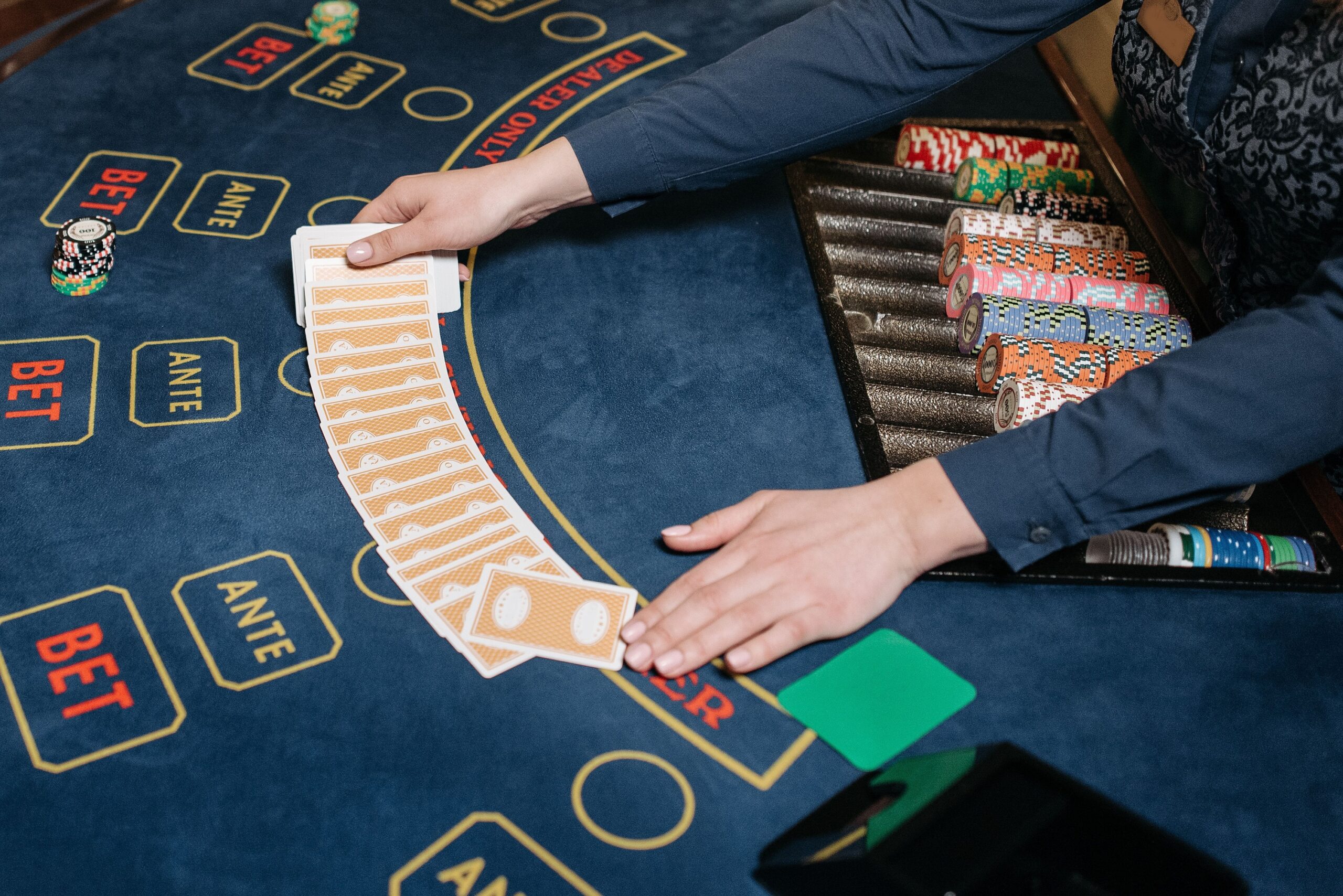

The Ritual Has a Name: “Clearing the Hands”
This action, showing the hands and then clapping, is formally called “clearing the hands.” It’s described as one of the great traditions of casinos, and its purpose is to show all of the players and the other casino staff, such as the pit bosses, that there is nothing left in the dealer’s hands before they leave the table at the end of their session.
Dealers will usually put their hands up in an exaggerated fashion before clapping and leaving the table. The movement is intentionally visible and easy for everyone in the room to read. Nothing about it is subtle by accident.
It’s All About the Cameras

The gesture is designed to show the security cameras that dealers have nothing, like chips or cards, in their hands. Closed-circuit cameras in casinos monitor what’s happening on the gaming floor at all times.
Casino security systems are in place to oversee the integrity of game play, and these cameras help protect guests while guarding against theft and cheating. The hand-clapping procedure is specifically timed for that surveillance system to register a clean exit from the table.
The Clap Itself Serves a Physical Purpose
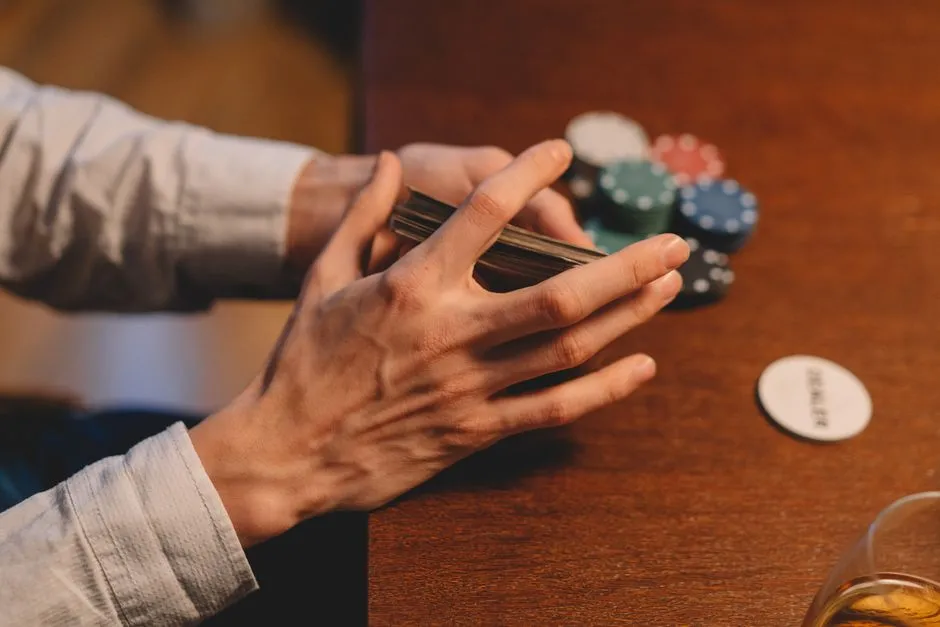
When dealers show their hands, known as clearing the hands, they motion to the camera that nothing is in their hands, and the clapping prior to this is intended to dislodge anything that might have been there. Think of it as a physical insurance policy layered on top of a visual one.
The hands are clapped so that if there was anything concealed in the sleeve of the casino worker, such as chips, it would almost certainly fall out. The clap isn’t ceremonial. It’s practical, calculated, and effective.
It Protects Both Players and Dealers

The hands are upturned and shown to the camera and players so that everyone can see there is nothing being cupped in the hands of the casino employee. This transparency benefits everybody at the table, not just the house.
Cameras and eagle-eyed customers will usually spot if an employee is stealing chips or cash off of the table, though clearing the hands adds another layer of protection for everybody involved. The gesture is also done voluntarily by casino employees to show that they are not, in fact, stealing anything from the table. For honest dealers, the ritual functions as a kind of personal integrity statement.
Cashiers Do It Too

Casino cashiers also perform this action when they are finished counting money, and it’s partially to reassure the customer that they have laid down all the bills. The behavior extends beyond the gaming tables themselves and runs through any part of the casino where cash or chips change hands.
The consistency of the gesture across departments speaks to how seriously casinos take the issue of internal accountability. It’s a shared language of transparency built directly into daily workflow.
Tip Handling Follows the Same Logic
If a dealer is going to put a tip in “the box,” they signal this to both the floor supervisor and the cameras by picking up the chip and tapping it loudly on the box lid or table, to prove to the cameras that they are not palming a chip. Every chip movement, whether it’s a player’s wager or a gratuity, gets narrated through gesture.
The transparency standard applies universally. Dealers aren’t singled out for suspicion. The procedure wraps around everyone who handles chips or cash, keeping the entire process observable from multiple angles simultaneously.
The “Eye in the Sky” Has Deep Roots in Las Vegas History

The origin of the fabled casino “eye in the sky” goes back to the early days in Nevada, when casino owners wanted to protect their live cash flowing across gaming tables between employee dealers and casino players. As the casino gaming industry grew larger, casino executives and pit bosses assumed the surveillance oversight role and were supplemented by former law enforcement officers skilled in detecting illegal behavior, monitoring feeds from security cameras in the surveillance room, and roaming catwalks above the casino known as “the eye in the sky.”
Clearing the hands developed as a dealer-level complement to that overhead oversight. The cameras needed to see clean hands, so the gesture became standard across every table.
Modern Surveillance Has Transformed the System
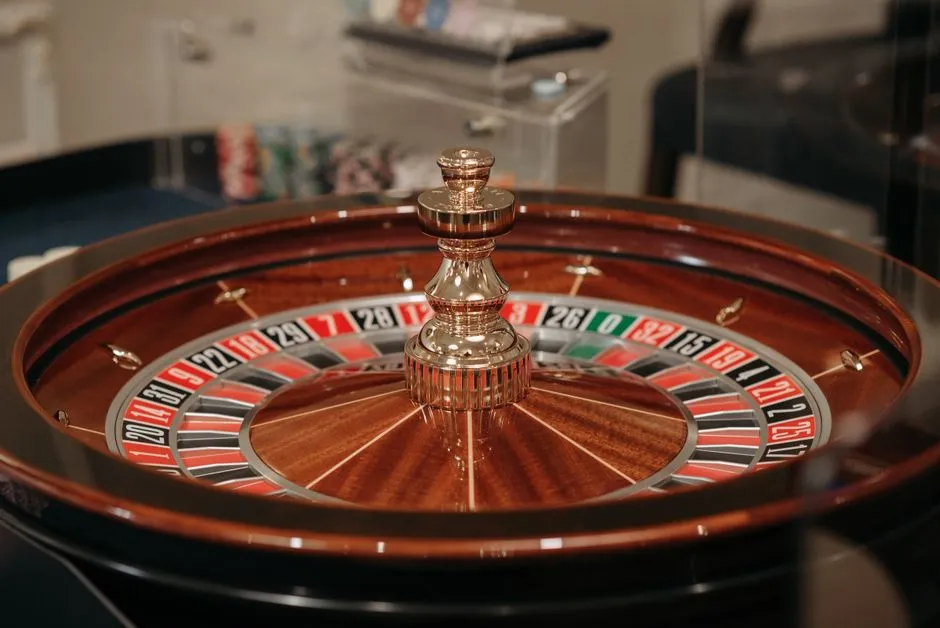
The catwalk of one-way mirrors above the floor was retired at most major casinos in the 2000s and replaced with networked digital cameras. Modern systems include AI behavioral analysis, flagging suspected counters, dealers making errors, and suspicious chip moves, as well as facial recognition tied to shared excluded-player databases and real-time integration with table-game RFID chip tracking.
Modern casino security is usually divided between a physical security force that patrols the casino floor and a specialized surveillance department that operates the casino’s closed-circuit television system, known in the industry as the eye in the sky, in an effort to detect any misconduct by both guests and employees alike. Against this backdrop, clearing the hands remains every bit as relevant as it was decades ago.
What Happens When the Procedure Is Skipped

Instead of clearing his hands, a practice where casino dealers show the palms of their hands to indicate they’re not hiding anything, one dealer in a real documented case only showed one hand while his other hand remained a balled up fist that he then put in his pocket after clearing the table. By reviewing surveillance video footage from the last 30 days, security personnel observed the dealer allegedly committing additional thefts, with state police alleging that $7,875 worth of chips were stolen.
The case illustrates precisely why the gesture matters. Another documented example involved a dealer caught stealing chips from the table by pinching them off the rack and placing them in a hidden pouch underneath their shirt, with surveillance footage showing the dealer taking chips before they were arrested and charged with theft. Skipping or modifying the hand-clearing ritual is often the first visible crack in what becomes a longer pattern of misconduct.
It Applies Across Every Table Game

Blackjack dealers use table gestures to communicate clearly with players and casino staff, including the pit boss. Clearing the hands is not limited to blackjack. The same procedure applies to poker, baccarat, craps, and virtually any game where a live dealer handles chips or cards.
Cheating can be reduced by employing proper procedure, which includes certain standardized ways of shuffling cards, dealing cards, and storing, retrieving, and opening new decks of cards. Hand-clearing sits within this broader culture of procedural discipline that runs through every regulated gaming environment.
Final Thoughts
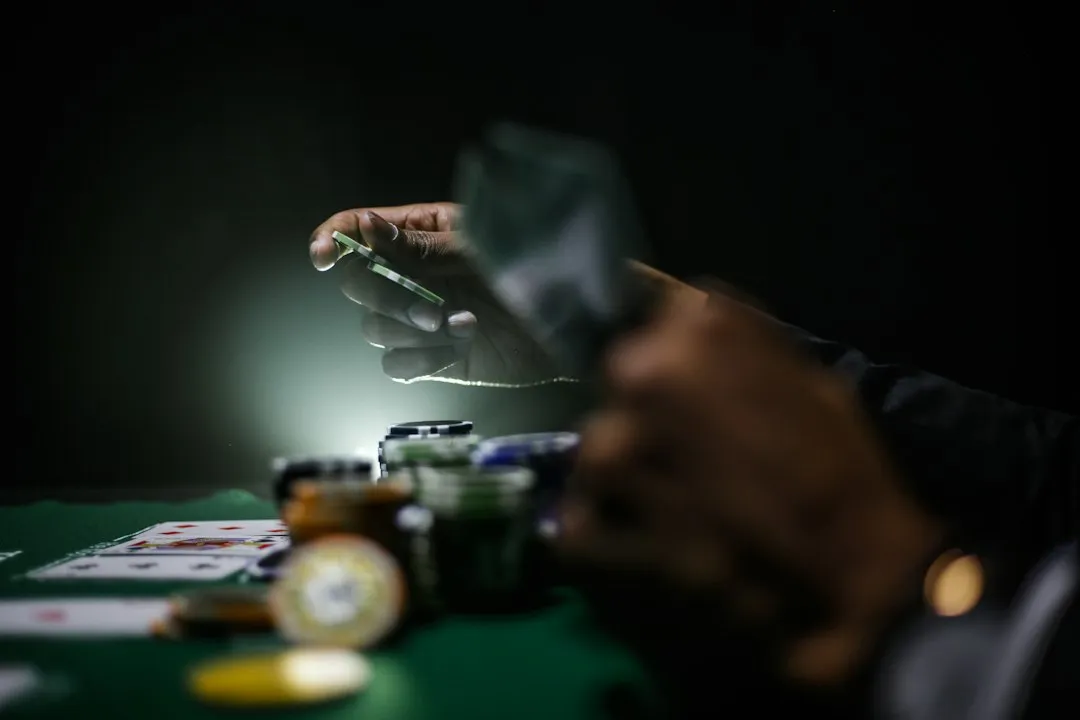
What looks like a simple clap of the hands is actually a small, compressed architecture of accountability. It addresses cameras, supervisors, players, and the dealer’s own professional record all at once, in under three seconds.
The Nevada Gaming Control Board licenses and regulates gaming and enforces Nevada gaming laws throughout the state, and within that framework, procedures like clearing the hands reflect how seriously the industry takes the integrity of every single transaction on the floor.
The next time you watch a dealer step away from a blackjack table and clap their hands in the air, you’ll know exactly what’s happening. It’s not a gesture of farewell. It’s a declaration of honesty, delivered directly to the cameras above.
AI Disclaimer: This article was created with the assistance of AI tools and reviewed by a human editor.