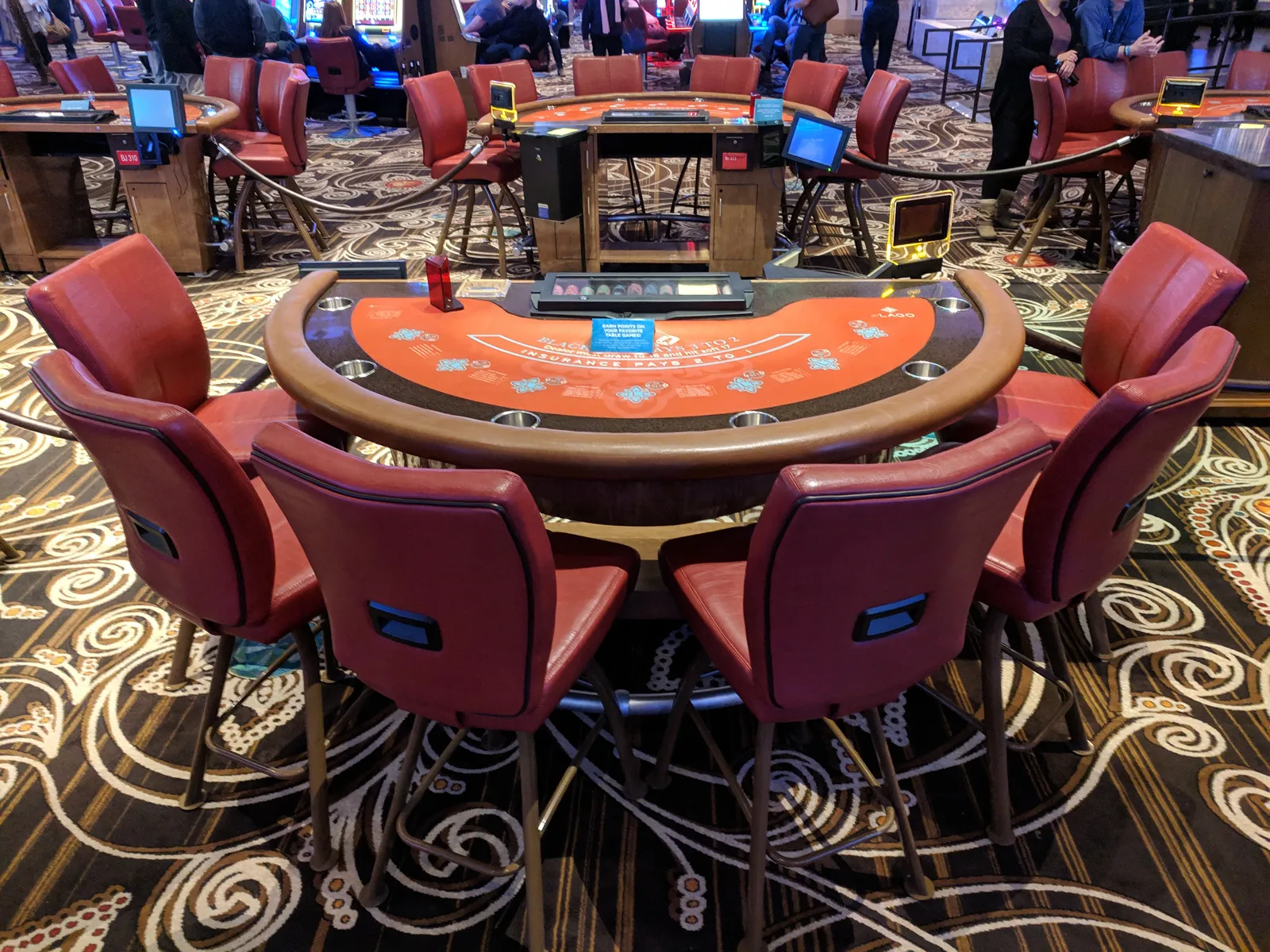
Las Vegas Pit Bosses Reveal the Table Rule First-Time Players Break Most
Walk onto a Las Vegas casino floor for the first time and the sheer energy of the place tends to override any preparation you thought you had. The lights, the noise, the pace of play – it all moves faster than expected. That’s precisely when the mistakes happen.
A recent survey revealed that over three quarters of first-time visitors unknowingly break casino etiquette, leading to awkward moments or even being asked to leave. Most of those violations aren’t intentional. They come from a simple gap: players know the game, but not the unwritten rules surrounding it. Here’s what pit bosses see again and again at the tables.
Using Your Phone at the Table
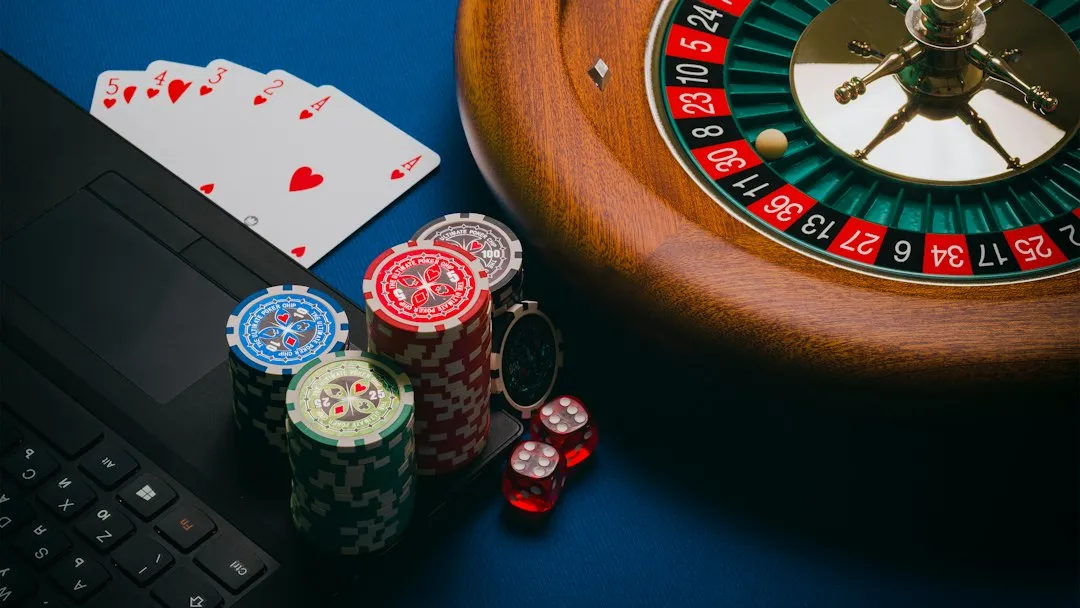
Using Your Phone at the Table (Image Credits: Unsplash)
One of the lesser-known rules in casinos is the restriction on phones at gaming tables, and roughly six out of ten new players break this rule. The reasons go beyond basic courtesy. Not only is it distracting for others, but many casinos have strict policies against phones due to the potential for cheating.
There have been numerous cases where players have been escorted out of a casino for texting at a casino table. If you absolutely must check your phone, step away from the table. It’s a simple rule, but the number of people who need reminding is striking.
Touching Your Cards in a Shoe Game
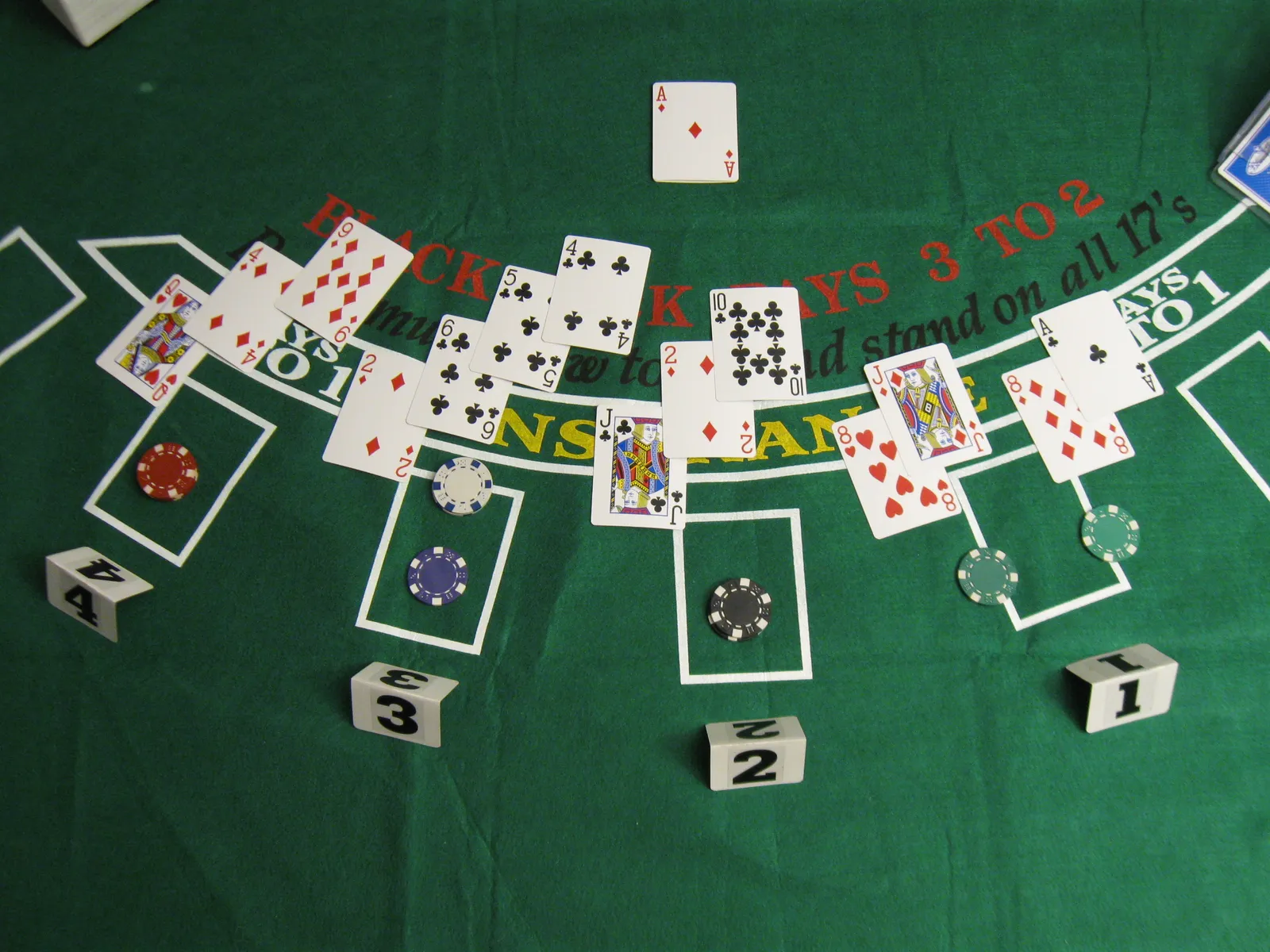
Touching Your Cards in a Shoe Game (By Scott Nazelrod, CC0)
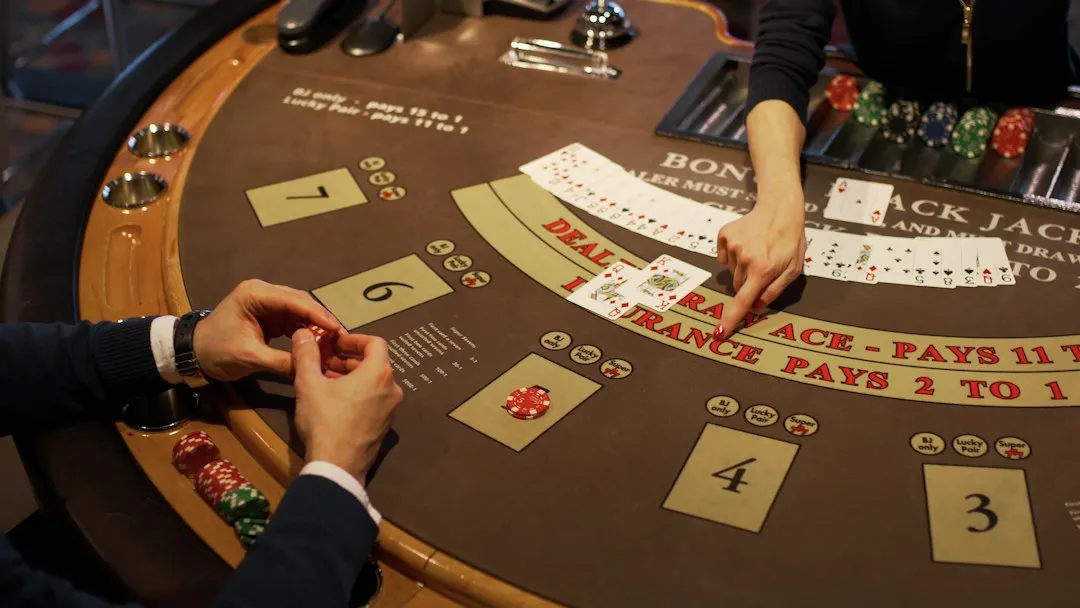
In games where cards are dealt face-up, like most blackjack tables, baccarat, and carnival games, you do not touch the cards at all. This catches first-timers off guard constantly, since the instinct to pick up your cards feels completely natural. At most modern Las Vegas blackjack tables, that instinct will get you a sharp look from the dealer.
To make sure everything is fair and transparent, players should avoid touching the cards in face-up versions of blackjack. Even in face-down versions, players should only use one hand to handle their cards. Experienced observers have noted seeing new players told repeatedly to only touch their cards with one hand. The rule exists for good reason – it protects both the player and the casino from any dispute about card integrity.
Not Using Hand Signals
Not Using Hand Signals (Image Credits: Pexels)
In blackjack, the use of hand signals is mandatory. This is not just a preference; it is a security requirement because the table is covered by surveillance cameras. New players frequently call out “hit me” or “I’ll stand” verbally and wonder why the dealer hesitates or corrects them.
Hand signals are required because all casino activity is recorded on camera, and verbal instructions alone are not sufficient for official gameplay. To “hit,” tap the table with your fingers. To “stand,” wave your hand horizontally over your cards. Inconsistent signals can void a hand if a dispute reaches the floor supervisor. It’s worth memorizing these before you sit down.
Touching Your Bet After Cards Are Dealt
Touching Your Bet After Cards Are Dealt (Image Credits: Pexels)
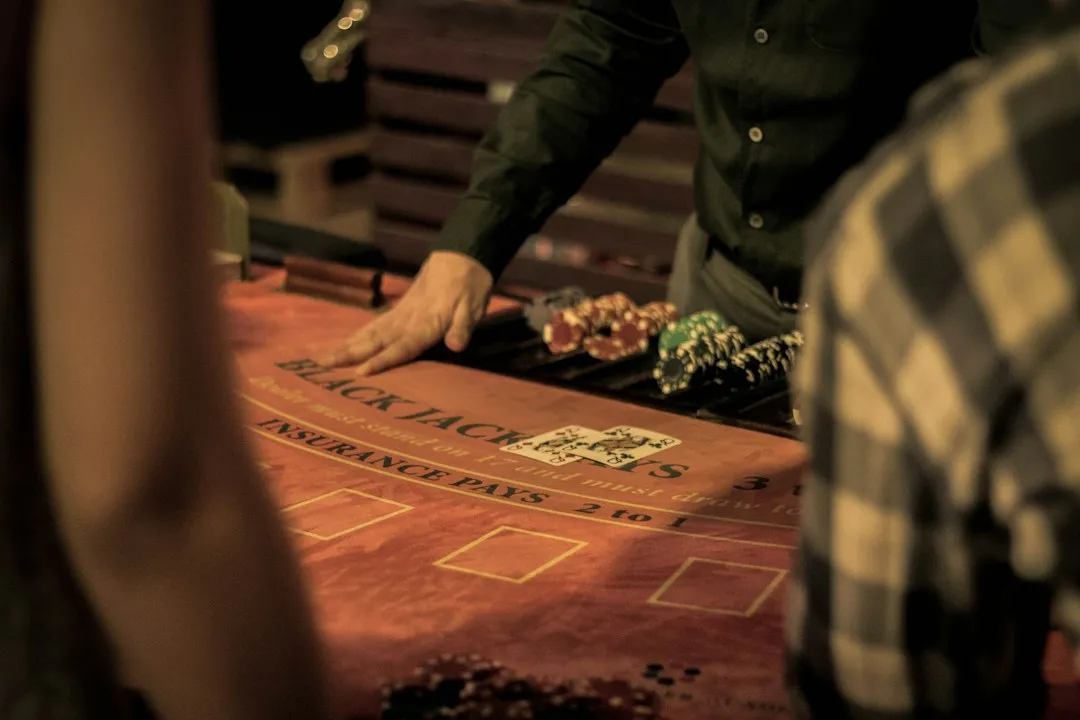
Never touch your bet after the dealer says “no more bets.” This is sacred. Touching your chips after the dice are out, after the ball is spinning, or after the cards are dealt looks like cheating to the security cameras.
Most places don’t want you touching chips you’ve bet once cards are dealt. Even adjusting a slightly crooked chip stack reads as suspicious. Once a bet is placed, it stays in position until the round ends. Moving chips mid-hand creates confusion and breaks the flow. In busy rooms, that small action can delay multiple players.
Joining a Table Mid-Hand
Joining a Table Mid-Hand (Image Credits: Unsplash)
Joining a table mid-hand is one of the fastest ways to break casino etiquette. It disrupts the rhythm of play, draws attention from the dealer, and tends to annoy the regulars sitting at the table. At blackjack, regulars often prefer you wait until the end of a shoe.
Entering in the middle of an active hand often slows the game and distracts other players. Dealers usually indicate when a new player can buy chips and take a seat. Standing nearby for 30 seconds to watch for a break shows everyone at the table you know what you are doing. Patience here costs nothing and signals a lot.
Handing Cash Directly to the Dealer
Handing Cash Directly to the Dealer (By Sgt. Grace L. Waladkewics, Public domain)
Place cash on the felt, never hand it to the dealer – this is a casino rule, not a quirk – security cameras need to see the transaction. New players walk up and try to hand over a folded bill like they’re paying a cashier, and it immediately flags them as inexperienced.
You place your cash on the table in front of you and the dealer will exchange it for chips. Wait for them to push the chips toward you before you touch them. Simply placing cash on the table and saying “change, please” is the standard method. The whole process exists so overhead cameras can verify every transaction cleanly.
Mishandling Casino Chips
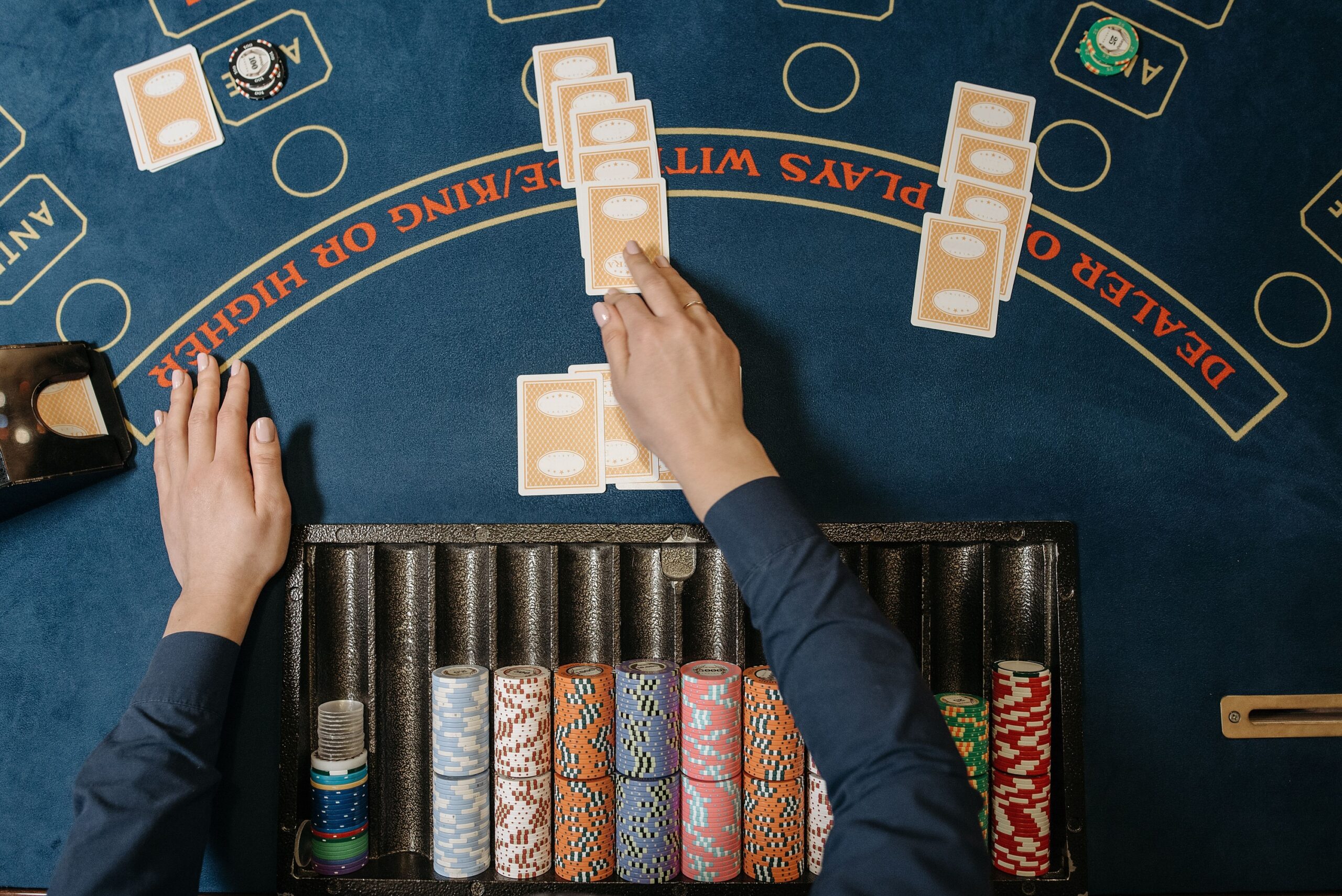
Mishandling Casino Chips (Image Credits: Unsplash)
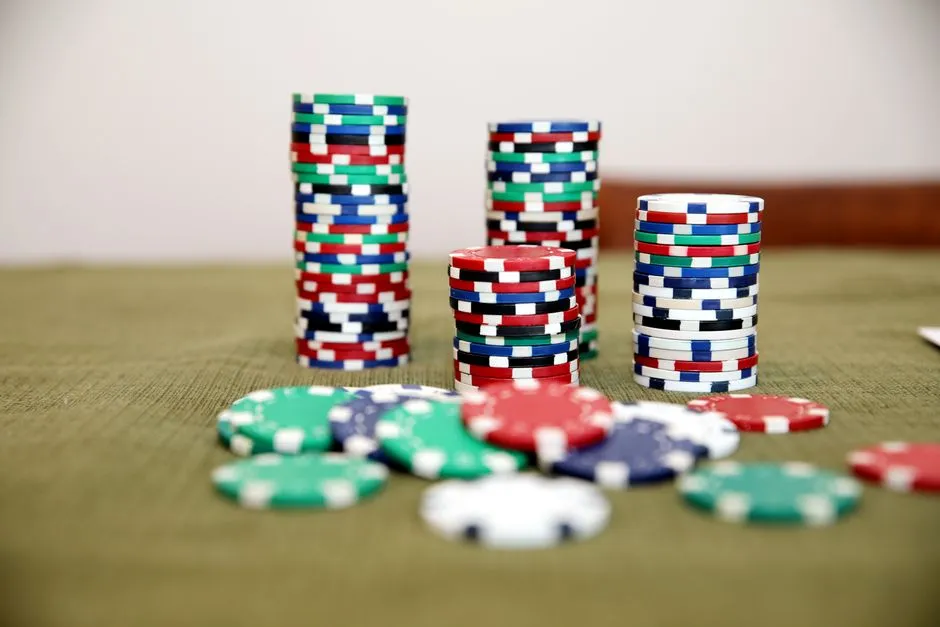
Around 35% of first-time visitors have been reprimanded for not handling casino chips properly. Tossing chips toward the betting circle, stacking them in the wrong order, or placing them on top of a previous bet mid-hand all draw immediate correction from the dealer or pit boss.
Never toss or throw chips around, as this can slow the game and annoy the dealer and other players around you. Another important tip to remember is that once your chips are on the table, you can’t retrieve them until the round is over. At a table, players keep their stack organized and visible. It sounds fussy until you realize how much time poorly stacked chips can cost during a busy session.
Giving Unsolicited Advice to Other Players
Giving Unsolicited Advice to Other Players (Image Credits: Unsplash)
One of the biggest breaches at the table is giving unsolicited advice. A new player will watch someone hit on 14 against a dealer’s 6 and feel compelled to explain why that’s wrong. The other player didn’t ask, and the table doesn’t need the tension.
Telling another player how to play their hand breaks casino etiquette in a specific way: it changes the outcome of the table. In blackjack, your decisions affect the cards everyone else gets. Unsolicited strategy lessons often lead to frustration rather than appreciation. Everyone at the table is there to play their own game, not attend a class.
Not Tipping the Dealer
Not Tipping the Dealer (Image Credits: Pexels)
Roughly four out of five first-time visitors to a casino are unaware of the tipping culture. Dealers in Las Vegas rely heavily on gratuities as part of their income, and experienced players know this. Walking away from a winning session without a tip is noticed.
Dealers rely on tips. A few dollars for good service is standard. Tipping the dealer is a common and appreciated practice at Las Vegas blackjack tables, particularly when you are winning. You don’t need to tip every hand – a periodic gesture during a good run is perfectly appropriate and keeps the atmosphere warm on both sides of the felt.
Not Knowing the Table Minimum Before Sitting Down
Not Knowing the Table Minimum Before Sitting Down (By DanielPenfield, CC BY-SA 4.0)
The single biggest mistake first-time Las Vegas visitors make is sitting at a table game they do not understand. The casino does not slow down for you, and other players will notice if you are holding up the game. This extends to not checking the posted table minimum before taking a seat.
It’s important to know the minimum and maximum bets at each table before you join. Table minimums vary depending on the casino, the day of the week, and the time of day. Downtown Las Vegas properties tend to have lower minimums and a more relaxed pace, which makes them an excellent choice for first-time visitors who want to stretch their bankroll and learn without pressure. Sitting down, placing a bet, and then realizing you’re at a $50 minimum table when you expected $10 is an uncomfortable situation for everyone.
The Takeaway
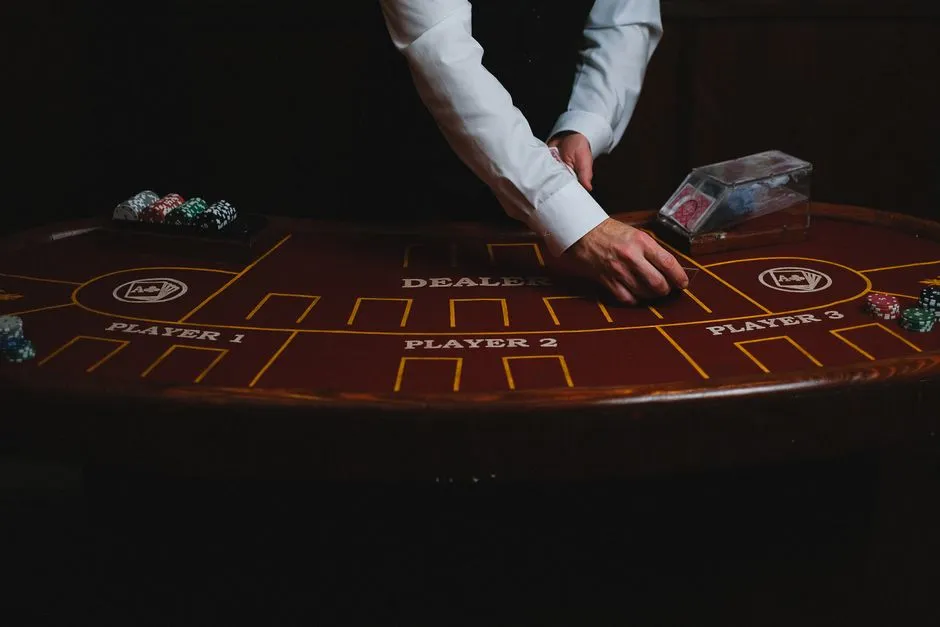
The Takeaway (Image Credits: Pexels)
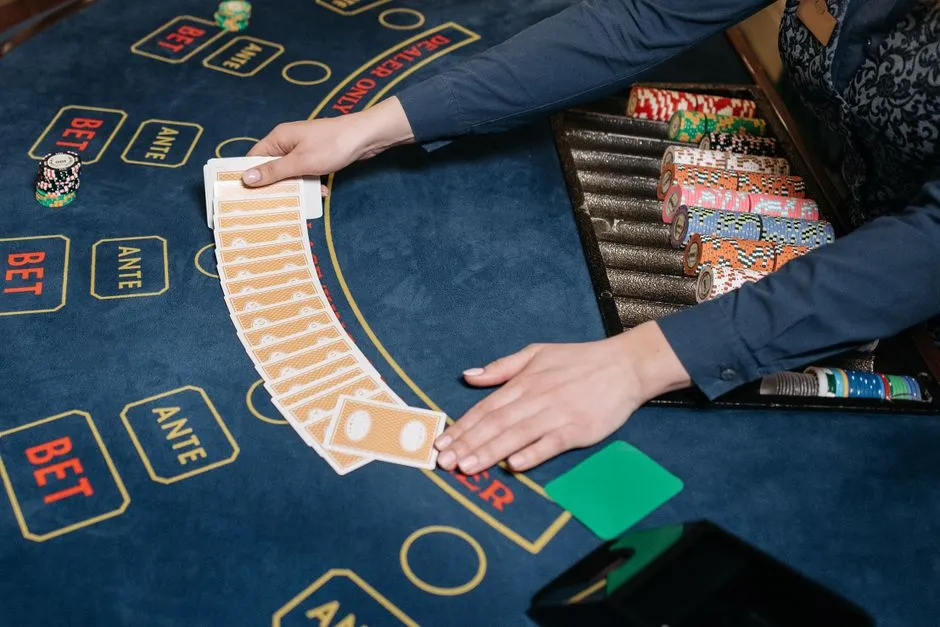
The good news is that virtually every mistake on this list is avoidable with about fifteen minutes of preparation. Table game etiquette revolves around three core principles: do not slow down the game, do not touch things you should not touch, and communicate clearly with the dealer using proper hand signals.
Quite a few casino-hotels offer free lessons on how to play their table games. Taking advantage of one of those sessions before hitting the main floor removes most of the guesswork. A beginner who follows these rules will be welcomed at almost any table, while a careless player with years of experience will not. The strip is long and the tables are many – walk in prepared, and the whole experience becomes something genuinely worth remembering.
AI Disclaimer: This article was created with the assistance of AI tools and reviewed by a human editor.