
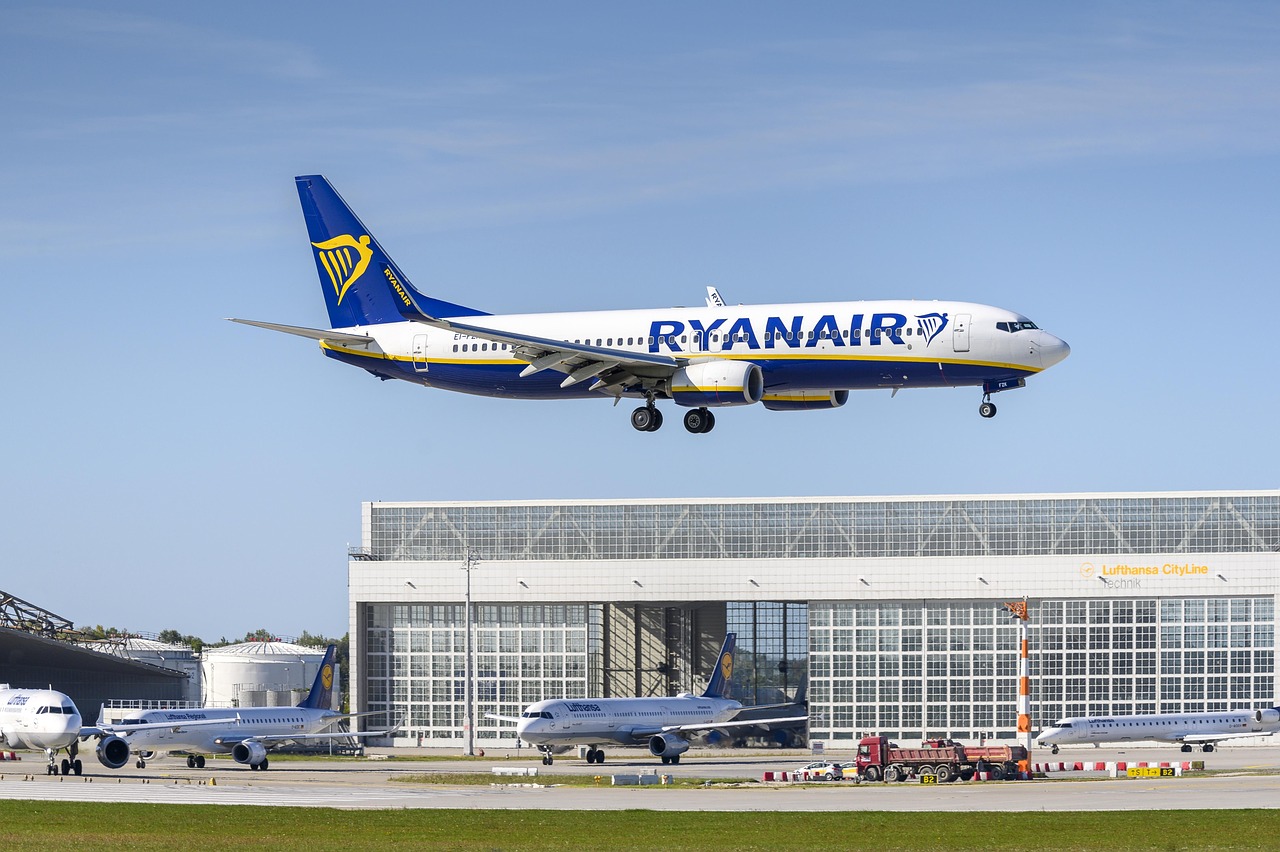

The Scale of the Problem Is Bigger Than Most People Realize
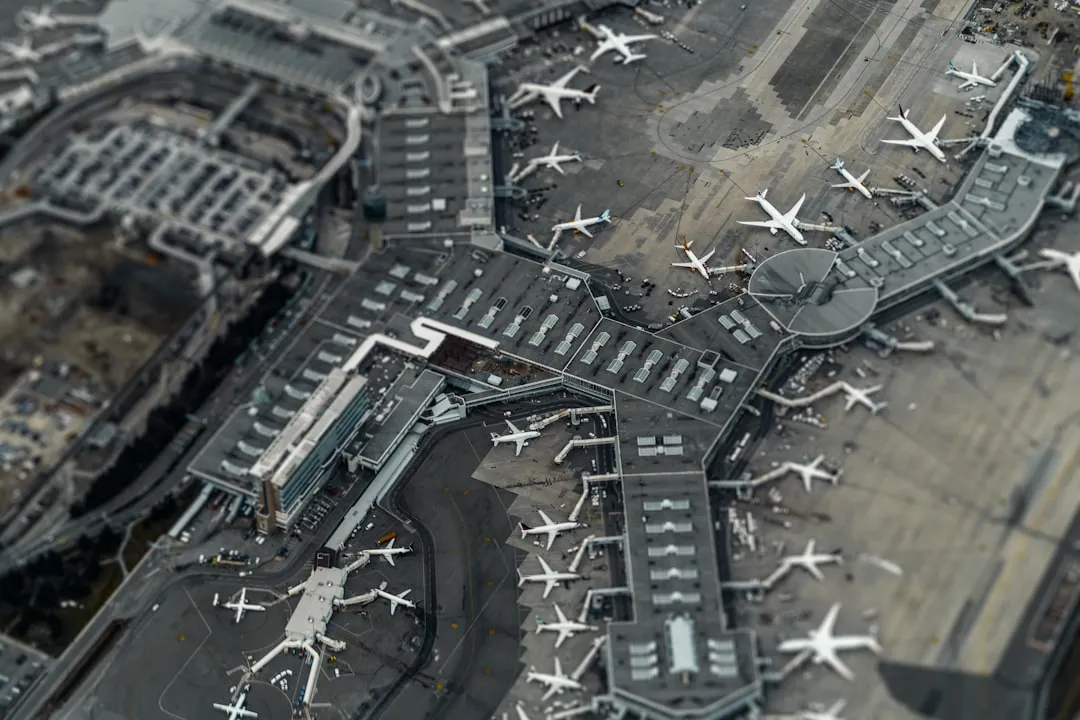
The world’s airports handled 9.8 billion passenger movements in 2025, the highest annual total on record, with traffic increasing by roughly three and a half percent from 2024. That kind of volume does not stay inside the terminals. It spills onto every access road, arrivals loop, and parking structure within a mile radius.
American airports are handling more passengers than at almost any point in history. After the pandemic collapse of 2020, recovery has been relentless, and in 2024, North American airports surpassed pre-pandemic volumes for the first time. More travelers means more cars, more rideshares, and longer waits at curbside pickup zones.
The persistent challenge going into 2026 is that while individual airline performance has improved, the structural causes of disruptions, including airport congestion and aging infrastructure, remain unresolved. For ground transportation, that translates directly to unpredictable access roads and terminal approaches that can slow even the best driver.
Timing Is the Single Biggest Variable

Flight delays affect road conditions just as much as airport timing. A delayed evening arrival can push a pickup into peak traffic hours, while a late-night arrival may clear congestion entirely. Professional drivers understand this relationship instinctively, and they plan around it before they ever leave the garage.
Early-morning slots before 6 a.m. and late-night slots after 10 p.m. face driver shortages in 2025 due to rising business travel demand, but for passengers willing to adjust their schedule even slightly, those off-peak windows also tend to offer the clearest road conditions near busy airports.
The sweet spot that experienced drivers consistently target is mid-morning, generally between 9 a.m. and 11 a.m., or mid-afternoon between 1 p.m. and 3 p.m. These windows fall neatly between the morning rush and the midday surge from connecting flights, making a measurable difference in access road congestion.
Real-Time Route Recalculation Is Not Optional, It Is Standard

Professional airport limo services recalculate routes continuously. Dispatch and chauffeurs adjust departure timing, highway selection, and alternate routes based on real-time traffic data. They also plan curbside access, parking logistics, and terminal traffic patterns in advance.
This coordination ensures the vehicle arrives exactly when the passenger exits the terminal, not before and not after. That precision sounds effortless from the back seat, but it reflects hours of preparation, route knowledge, and live monitoring happening in the background.
The streets around major airports present unique challenges. Traffic patterns shift throughout the day, and construction reroutes pop up without warning. Seasoned chauffeurs treat route planning as a dynamic, ongoing task rather than something decided the night before and forgotten.
Local Road Knowledge Beats Any Navigation App
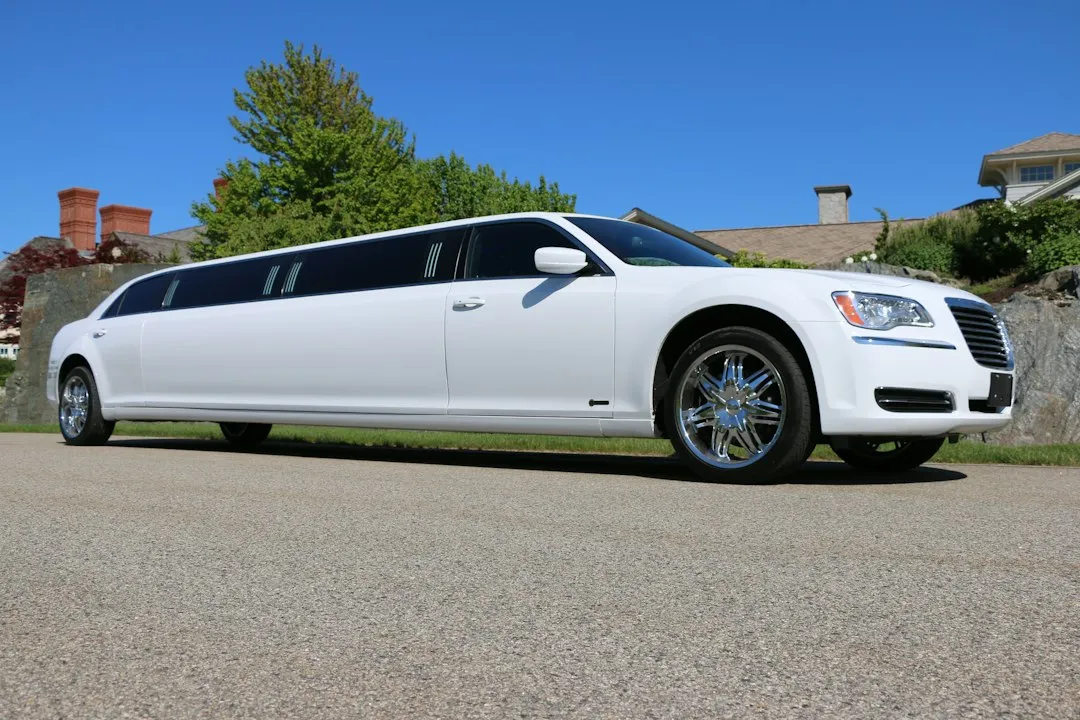
Professional chauffeurs receive training in customer service, route planning, and vehicle maintenance. They know which highway entrances to avoid during rush hour and understand airport terminal layouts, adjusting pickup locations based on a traveler’s specific flight gate.
Navigation apps like Waze and Google Maps are useful tools, but they respond to congestion as it forms. A veteran limo driver anticipates it. They know which side streets fill up when a major game ends nearby, which tunnel backs up on Friday afternoons, and which airport access road has a hidden second lane that most drivers miss entirely.
Construction and major events regularly disrupt normal traffic flow by causing detours, road closures, and severe congestion in key parts of a city. These disruptions can significantly impact travel times if not factored into trip planning. A driver who works an airport corridor every day has already factored them in before the passenger even books the ride.
Flight Tracking Changes Everything About Ground Timing
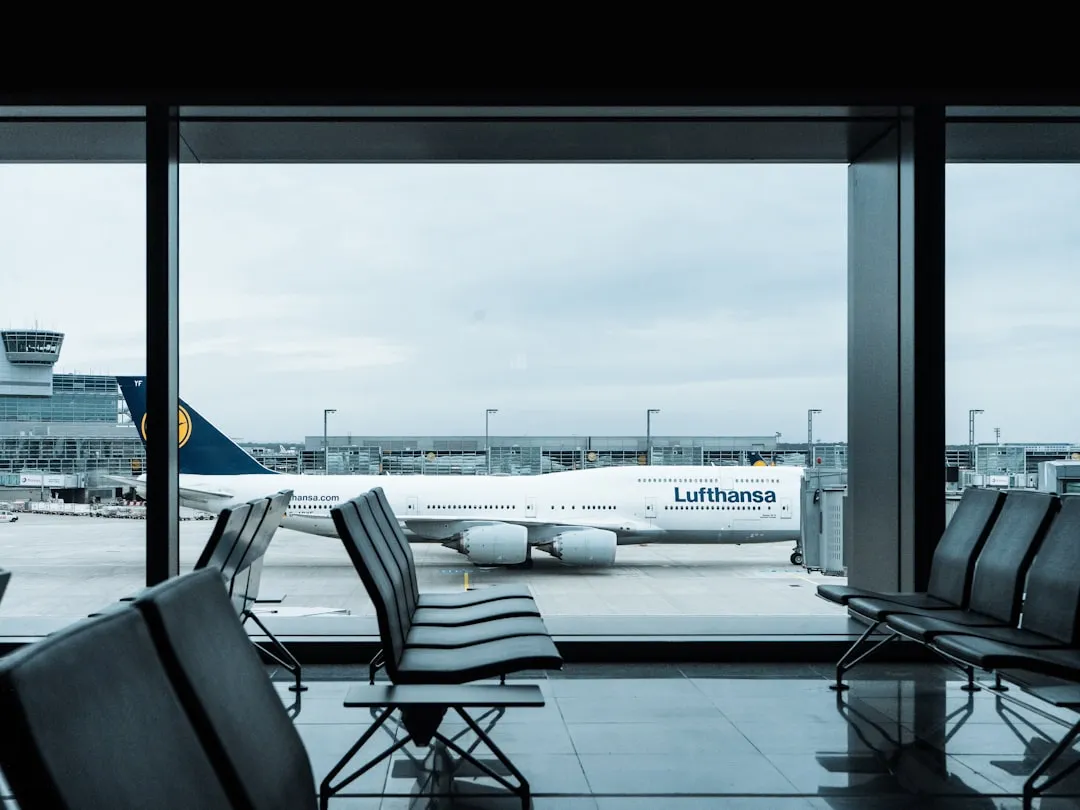
Flight tracking is perhaps the single greatest advantage of professional airport chauffeur services. Your driver knows if your flight is delayed before you land, meaning you’ll never emerge from baggage claim wondering if your ride is still waiting.
When delays extend, chauffeurs shift to holding areas or staging zones approved for professional vehicles. Dispatch then directs chauffeurs on exactly when to enter terminal access points to avoid unnecessary waiting fees or curbside congestion. That staging strategy alone eliminates the chaotic circling that most private drivers and rideshare vehicles resort to.
Flight delays rarely stay isolated to the runway. A delayed landing can trigger missed pickups, extended waiting times, and confusion at crowded terminals, while early arrivals create the opposite problem when transportation arrives too late. Gate changes and terminal reassignments add another layer of complexity, especially at large airports. A flight-tracked chauffeur service absorbs all of that complexity so the passenger doesn’t have to.
The Staging Zone Strategy Most Travelers Never See
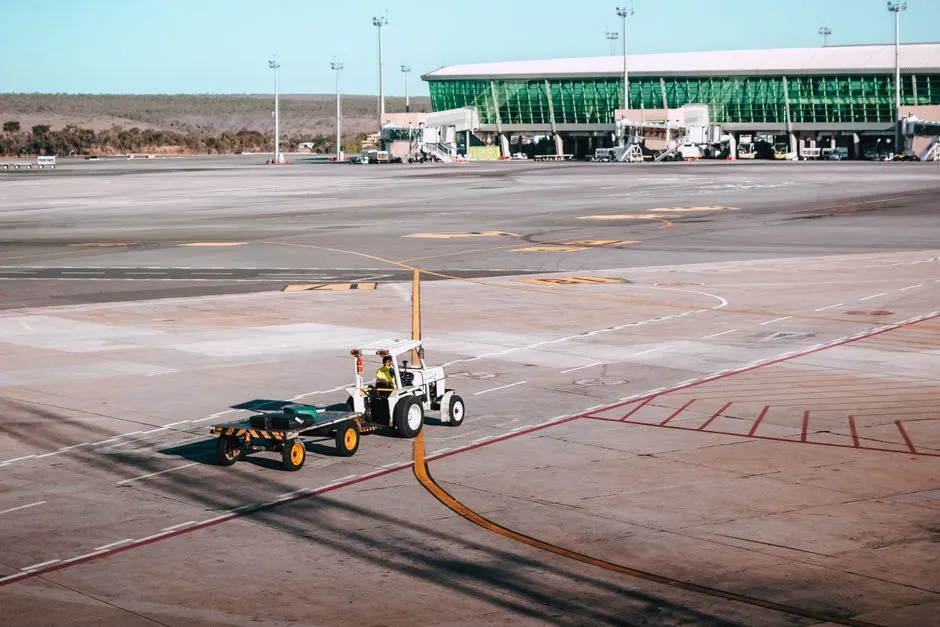
Every major airport has designated staging areas, sometimes called cell phone lots or professional vehicle holding zones, positioned away from the congested terminal loop. Limo drivers use these zones deliberately and strategically, entering the curbside area only when the passenger signals they are ready.
Taxis can involve line waits of 15 to 45 minutes at busy airports like JFK during peak hours. Pre-arranged airport transfers reduce these issues, while rideshares are convenient in theory but subject to demand surges, driver cancellations, and pickup confusion at busy terminals.
By waiting in the staging area rather than circling, professional drivers avoid adding to terminal congestion and also avoid the clock pressure that causes hasty, poorly timed curbside arrivals. The result is a pickup that feels seamless, even when the surrounding environment is anything but calm.
The Departure Window Matters Just as Much as the Route
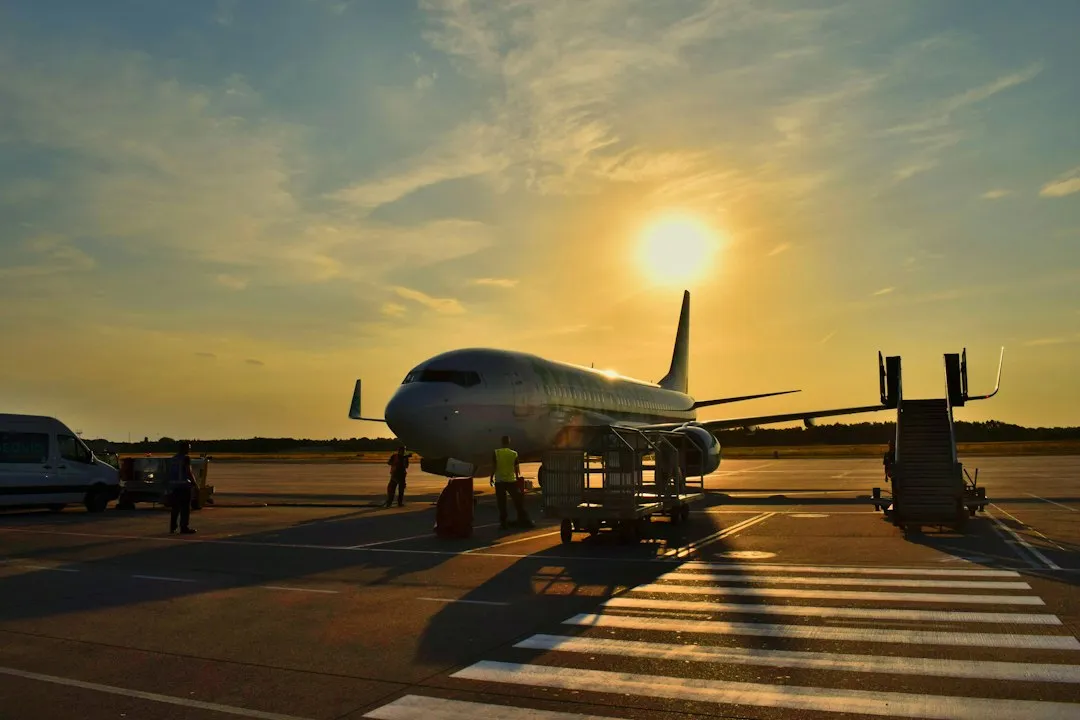
Local events can add 30 to 60 minutes to usual routes. Major gatherings such as the UN General Assembly in September and the NYC Marathon in November cause significant road closures around airports and their access corridors. Experienced chauffeurs cross-reference event calendars before calculating a departure window.
The industry-standard rule among professional chauffeurs is to add a buffer well beyond what any map app suggests for airport runs. For a major hub like LAX, JFK, or O’Hare, that buffer can be 45 minutes to an hour on top of the estimated drive time during busy seasons. It feels conservative until the day it saves you from missing a flight.
One of the biggest mistakes travelers make is waiting until the last minute to arrange transportation. During peak travel periods, reliable vehicles and professional chauffeurs get booked quickly. The departure window strategy only works if the driver is already confirmed well in advance.
The Rideshare Gap That Professional Drivers Quietly Exploit

According to a 2025 study by the Business Travel Coalition, rideshare cancellation rates at major airports average between twelve and eighteen percent during peak hours, compared to less than one percent for pre-booked chauffeur services. That gap is not trivial when a flight is two hours away.
Private chauffeur services offer fixed fares with no surge pricing, professionally trained chauffeurs, and pre-assigned luxury vehicles. Experienced chauffeurs know city routing and can adjust for traffic in real time. The predictability of both the cost and the vehicle removes two of the most common sources of pre-flight anxiety.
According to the Global Business Travel Association’s 2025 Travel Management Survey, roughly four in five corporate travel policies now include provisions for professional car services for airport transfers, up from about two thirds in 2020. This shift reflects a growing recognition that reliability and productivity matter more than saving a few dollars on ground transportation.
Terminal Layout Knowledge Is Part of the Route
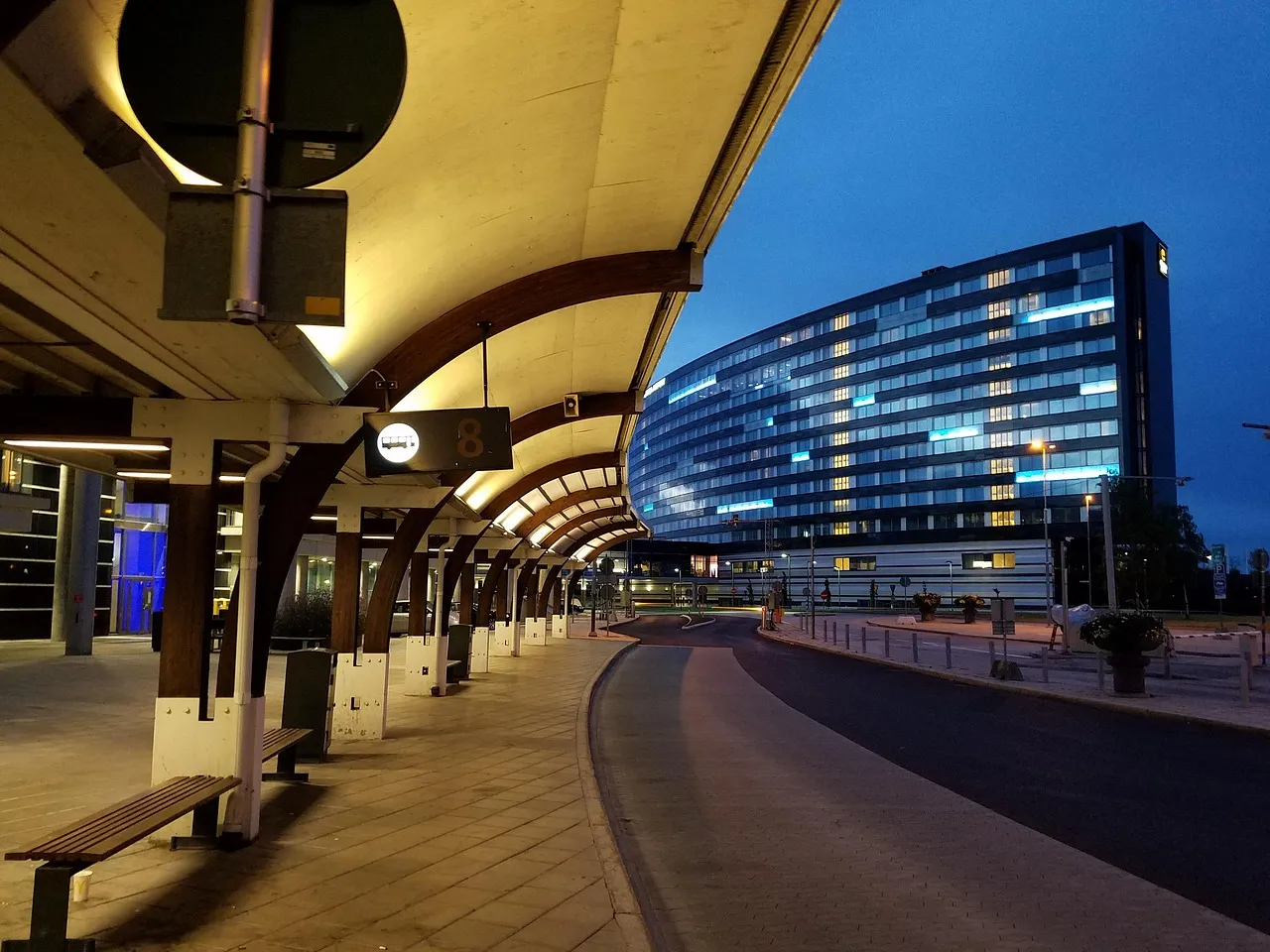
Experienced chauffeurs understand airport terminal layouts and can adjust pickup locations based on a traveler’s specific flight gate. At large airports, the difference between dropping off at the correct terminal entrance and the wrong one can cost ten to fifteen minutes of walking, which for a tight connection is simply not recoverable time.
Local expertise plays a critical role in flight-tracked transportation. Newark Liberty International Airport, for example, presents complex terminal layouts, frequent runway delays, and heavy commercial traffic that all interact to shape which approach road a knowledgeable driver will choose on any given day.
The layout knowledge also applies to curbside logistics. Some terminals have clearly designated commercial vehicle zones that sit far from the main arrivals doors. Drivers who know exactly where those zones are, and how to communicate their position to a passenger in real time, eliminate the frantic phone call confusion that plagues curbside pickups at unfamiliar airports.
The Quiet Pre-Drive Preparation That Makes Routes Work

Every clean, on-time limo pickup begins hours earlier with quiet preparation that passengers rarely consider. Professional chauffeurs check weather forecasts, review construction alerts, confirm the flight status, identify alternate routes, and verify terminal access hours before the scheduled departure time.
A professional airport car service provides pre-scheduled rides, trained and licensed drivers, and flight tracking so the driver knows if a plane is early or late, with fixed pricing and no surprise fees. That combination of pre-ride planning and live adjustment is what separates a consistently smooth experience from one that depends on luck.
Professional airport transfers are designed to remove the unknown from the journey. They operate on the principles of timing, comfort, and reliability. The preparation phase is where those principles are actually built, long before the passenger steps into the vehicle.
What Every Traveler Can Take Away from This
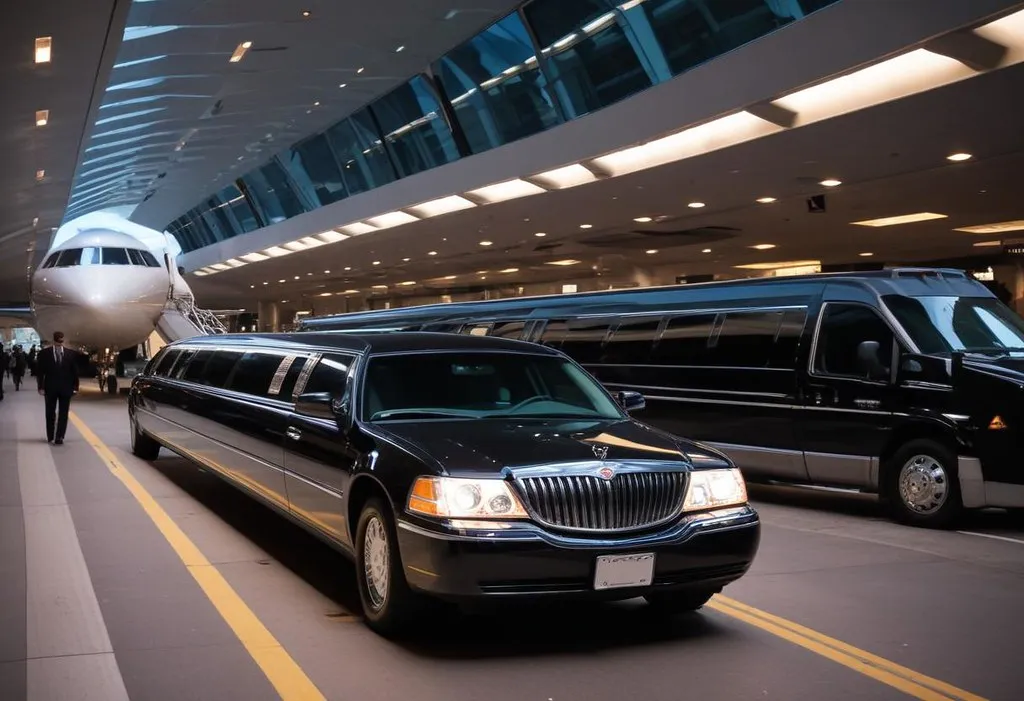
The route that beats airport traffic is rarely a single secret road. It’s a combination of departure timing, real-time adjustment, local knowledge, flight tracking, and strategic staging, all applied together with practiced consistency. Professional limo drivers don’t guess their way through congestion. They systematically remove the conditions that create it in the first place.
The clearest practical takeaway is this: book early, share your flight details, trust the staging process, and respect the departure buffer your driver recommends. The expertise that goes into a smooth airport run is genuinely earned over years of navigating the same corridors under every possible condition.
Traffic will always be unpredictable. The preparation that surrounds the route does not have to be.
AI Disclaimer: This article was created with the assistance of AI tools and reviewed by a human editor.