
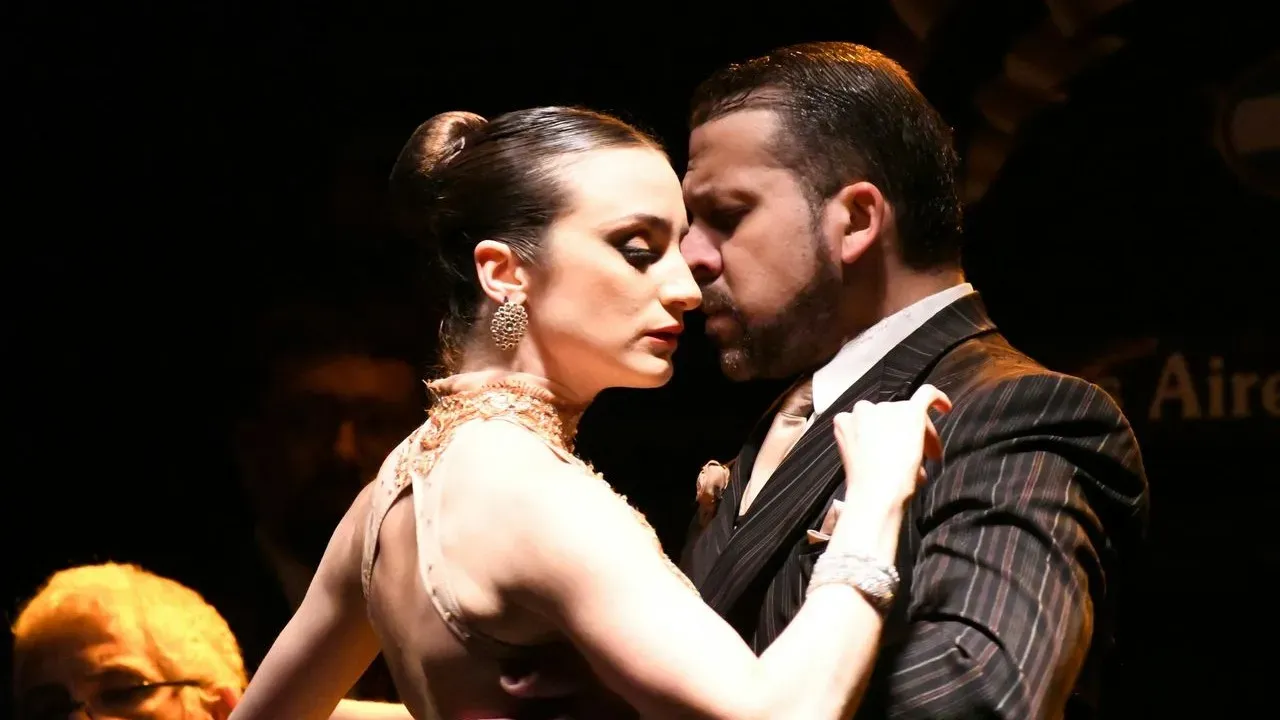

Buenos Aires reveals its character most clearly in the unhurried pace of its neighborhoods and the rituals that fill them. Violet petals from jacaranda trees drift onto cafe tables in Palermo while conversations stretch into the evening, and cobblestone plazas in San Telmo fill with dancers on Sunday afternoons. The city invites visitors to slow down and notice how daily life unfolds through food, movement, and shared tables. ([1])
Neighborhoods That Set the Daily Rhythm
Palermo offers wide boulevards lined with trees whose seasonal blooms create a soft canopy over outdoor seating. Waiters in formal attire move between tables where locals linger over coffee or a glass of wine long after the sun has set. The area rewards those who wander without a fixed plan, letting the light and the sounds of the street guide the next stop.
San Telmo preserves a different texture with its narrow lanes and historic facades. On weekends the plazas become open-air stages where couples dance tango to music that drifts from small ensembles. The neighborhood’s markets and antique shops add layers of discovery for anyone willing to pause and observe the steady flow of residents and visitors alike.
Tango as a Living Tradition
Tango in Buenos Aires is not confined to stages or ticketed shows. Dancers claim public spaces with a quiet confidence that turns ordinary afternoons into moments of shared artistry. In San Telmo the cobblestones provide the perfect surface for the precise steps and close embraces that define the dance.
The music itself carries the city’s history of immigration and longing. Small groups gather in parks or under streetlights, and passersby often stop to watch or join in. This spontaneous quality keeps the form alive and accessible rather than preserved only for performance halls.
The Central Place of Asado
Argentine steak culture centers on the asado, a slow-cooked meal that brings families and friends together around the grill. Cuts are chosen with care and seasoned simply to highlight the quality of the meat. The process itself becomes the event, with hours spent tending the fire and talking while the meal takes shape.
Restaurants and home kitchens alike treat the asado as both nourishment and occasion. Diners often begin with simple salads or empanadas before the main cuts arrive, and the meal stretches comfortably into the night. The emphasis remains on quality ingredients and unhurried enjoyment rather than speed or spectacle.
Evenings That Resist an Early End
As daylight fades, the city’s cafes and restaurants fill again with people who treat dinner as the beginning of the evening rather than its close. Conversations continue across tables while the streets outside remain active with walkers and musicians. This pattern of late dining and lingering reflects a broader approach to time that values presence over efficiency.
Visitors who adopt the same rhythm often find that the most memorable moments arrive without planning. A second coffee, an unexpected dance in a plaza, or an extended meal can become the highlight of a stay. Buenos Aires rewards those who let the city set the pace.
AI Disclaimer: This article was created with the assistance of AI tools and reviewed by a human editor.