

The Magic Number: One and a Half to Two Miles Per Hour
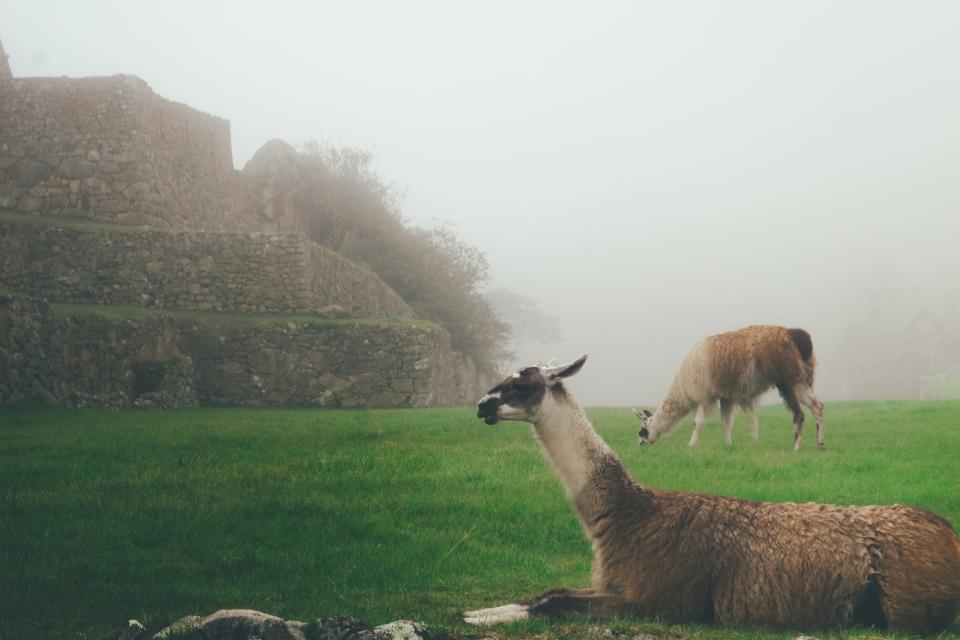
Depending on terrain, llamas go about one and a half to two miles per hour, which is a comfortable pace for humans. That number is not arbitrary. It reflects the natural walking rhythm of a llama’s long, soft stride, and it happens to align almost perfectly with a relaxed human stroll.
Most guided treks are structured around this baseline. Walking at a comfortable pace of around two miles an hour, llamas willingly carry your rucksack while you enjoy the scenery. For trekkers who are used to pushing their pace on solo hikes, the adjustment can feel surprisingly welcome.
Terrain Changes Everything
Guides recommend allowing roughly twenty to thirty seconds of rest for every thirty to forty feet of elevation gain. That kind of structured, terrain-responsive pacing is what separates a well-guided llama trek from a punishing one. Steeper ground demands more frequent, shorter pauses rather than fewer long ones.
Just about the time you’re ready for a break on a hill climb, the llamas are too. Experienced guides read both the animal and the group simultaneously. The llama, in a sense, acts as a natural metronomic check on anyone tempted to charge ahead.
Distance Per Day: What Guides Actually Plan For
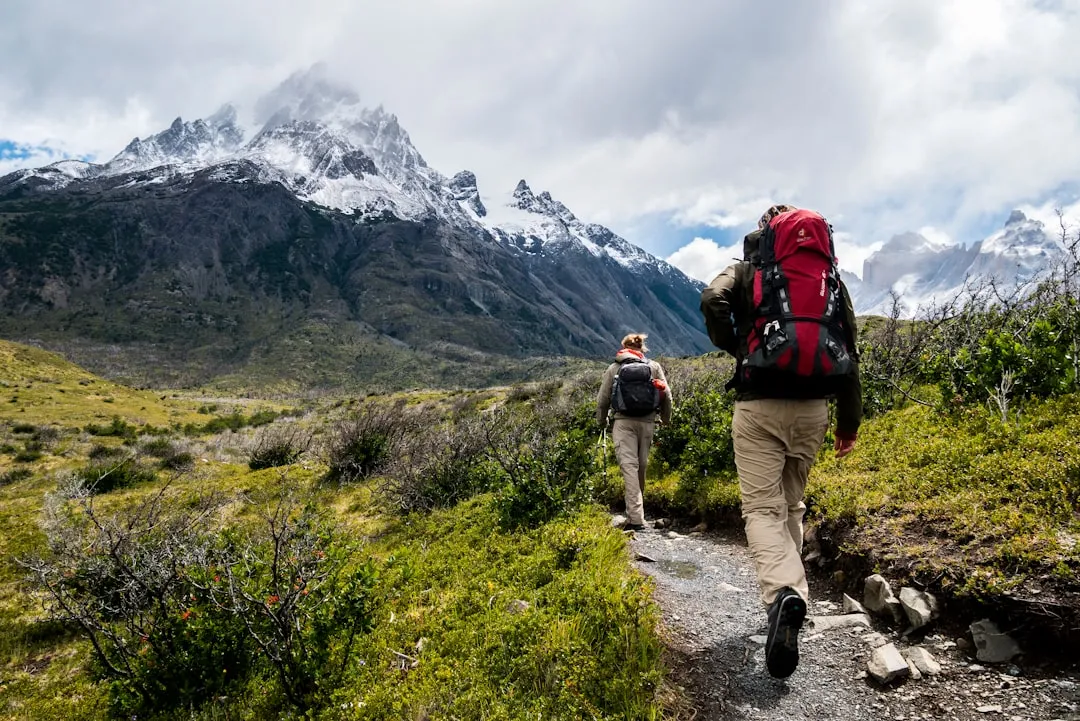
On multi-day treks in Montana’s Flathead National Forest, guides typically plan a comfortable three to five miles of distance per day. That range accommodates varied fitness levels, changing terrain, and the genuine pleasure of stopping to look at something without guilt. It also gives llamas appropriate rest intervals during longer hauls.
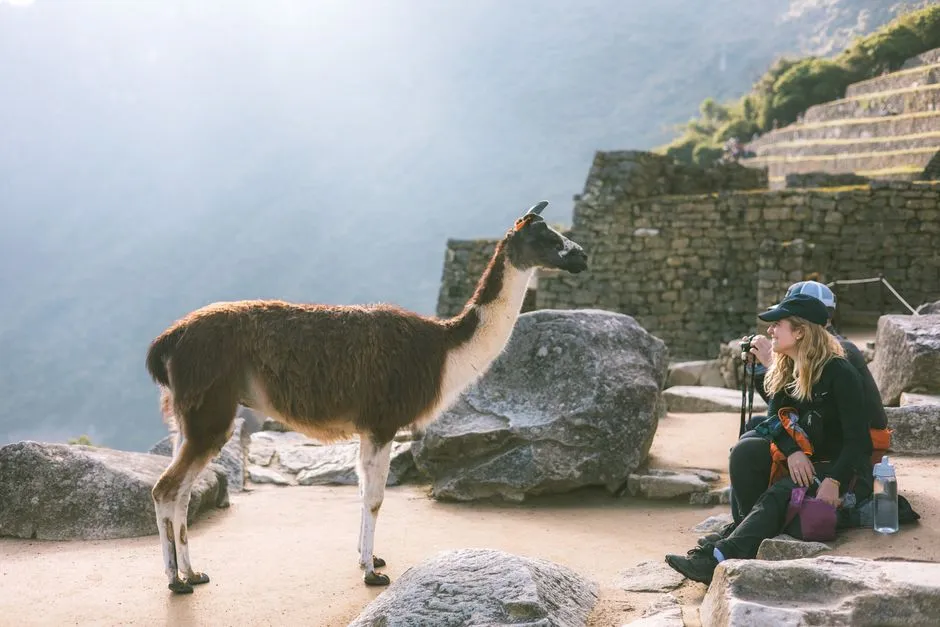
In the Sacred Valley of Peru, the structure is similarly measured. Trekkers typically cover around two kilometers at a slow pace, gaining roughly one hundred meters in altitude, with the active trekking portion lasting between sixty and ninety minutes each way. The brevity is intentional. At altitude, the body needs more time, not less.
The Lead Rope Principle and Keeping the Group Together
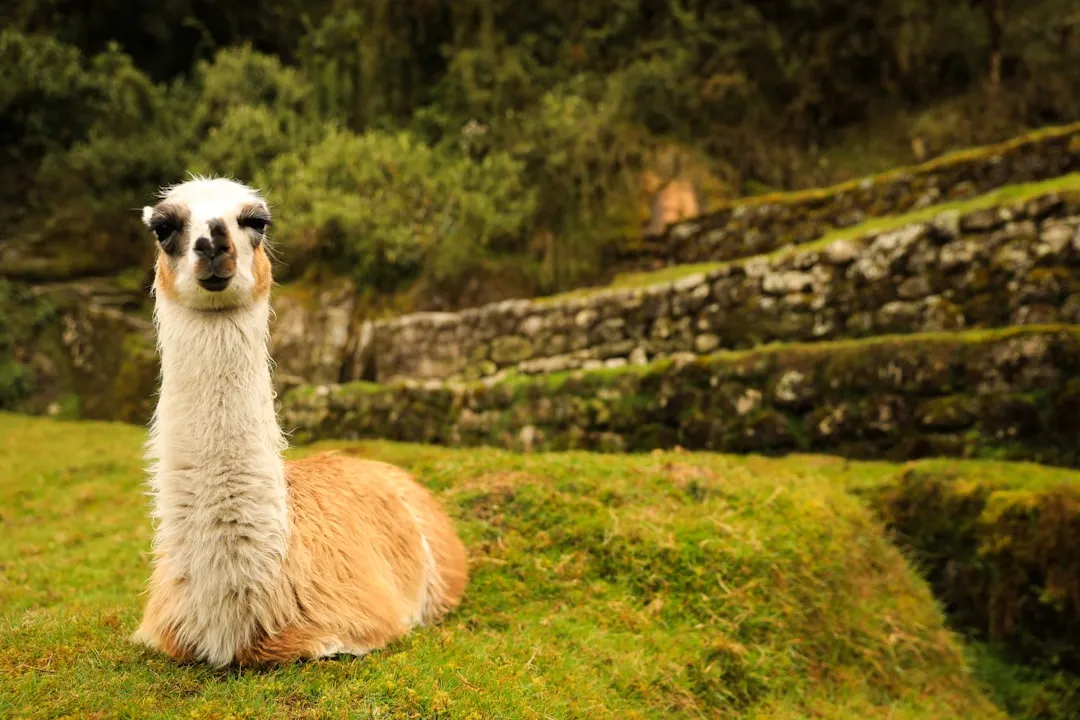
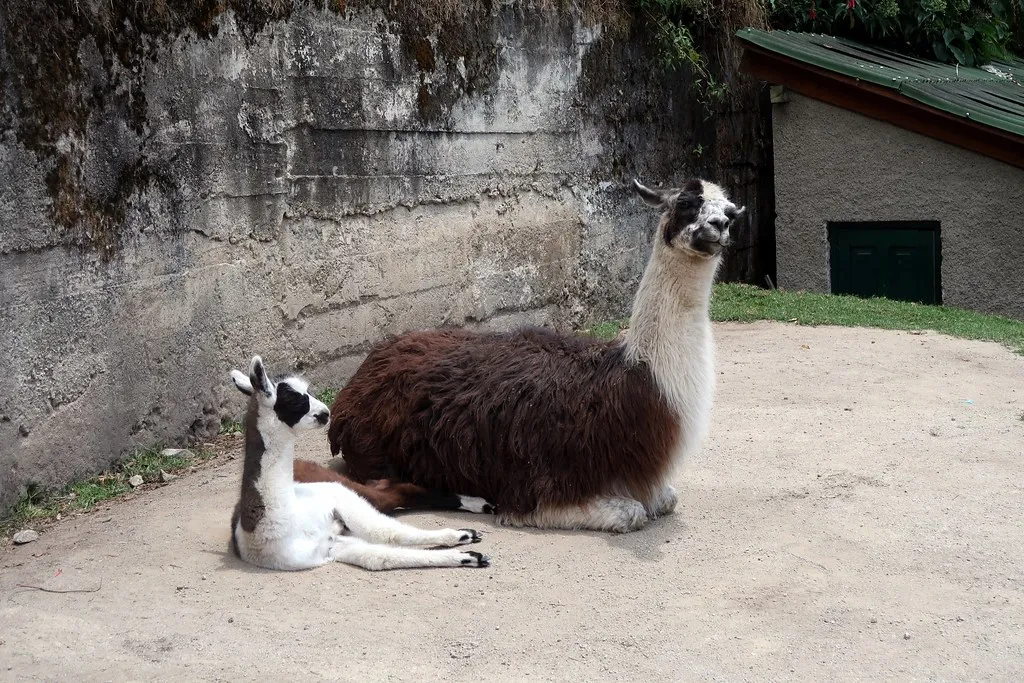
Guides instruct trekkers to let llamas follow behind on a lead rope, keeping pace with their walking speed, and to keep llamas close together since they are social animals that may become anxious if separated. This last detail matters more than it might seem. An anxious llama can disrupt an entire group’s rhythm almost instantly.
At the trailhead, guides load hiking and lunch gear on the llamas and prepare guests with a safety speech and instruction on how to hike with llamas. Guests can choose to lead or hike with their own llama, or hike without one, since guides can take the lead rope at any point throughout the hike. That flexibility is a quiet but important part of keeping everyone at ease.
How Much a Llama Can Carry, and Why That Shapes the Pace
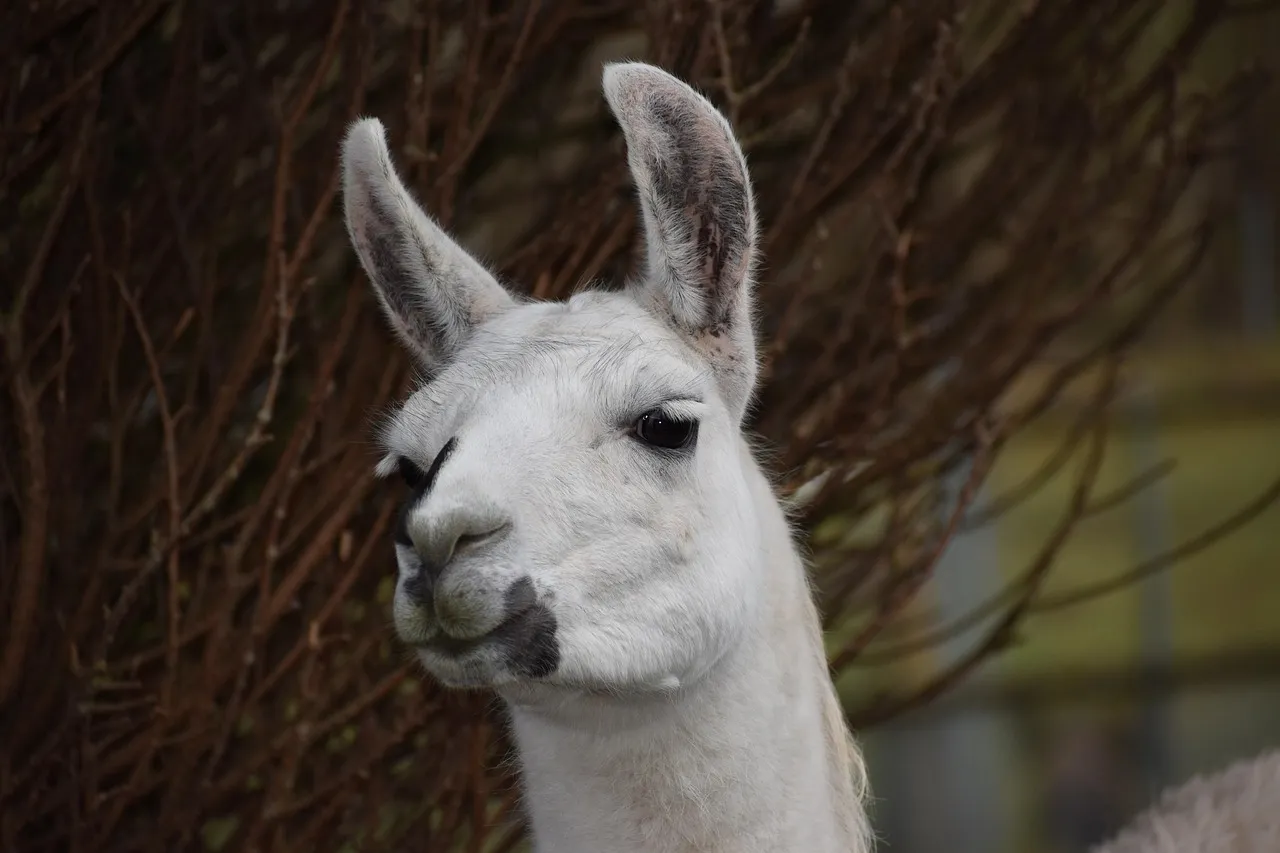
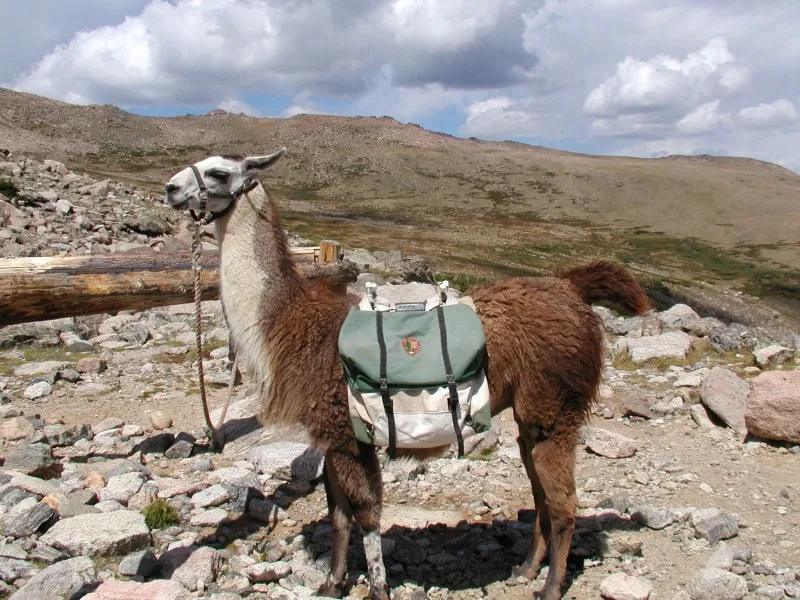
Llamas make excellent trail companions as pack animals and can carry as much as eighty pounds. Because the weight is distributed across the animal’s frame rather than on a hiker’s back, the group moves with a kind of physical relief that subtly encourages a slower, more observant pace. You’re not compensating for a heavy load. You’re simply walking.
The technique and ethic of llama packing mirror wilderness backpacking, except that llamas carry the bulk of the weight normally carried by trekkers, which increases the range and capacity of the group and allows access to more distant campsites. That expanded range is made possible precisely because the pace stays manageable throughout.
Why Guides Prioritize Accessibility Over Speed
The easy pace and length of llama hikes make them excellent outings for families, friends, and groups. This is a deliberate design choice, not a limitation. Trek operators consistently structure their routes so that the slowest member of any group dictates the rhythm, not the fastest.
No prior experience is required on most guided llama treks, and the experience is suitable for all levels of fitness since the pace is relaxed and guides ensure every participant is comfortable throughout. Guides will typically hold a pre-departure orientation to review safety, set expectations, and read the group’s energy before anyone even reaches the trailhead.
The Animals as Natural Wildlife Spotters
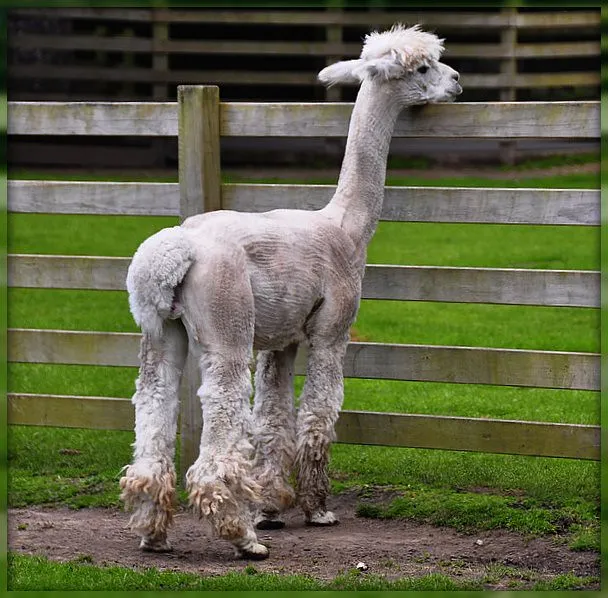
Llamas are much more keenly observant on the trail than humans are. They are usually the first to see distant elk, deer, mountain goats, eagles, and other wildlife, which helps trekkers spot them too. A slow pace is not just better for the llamas. It gives the whole group a chance to actually benefit from the animals’ sharper senses.
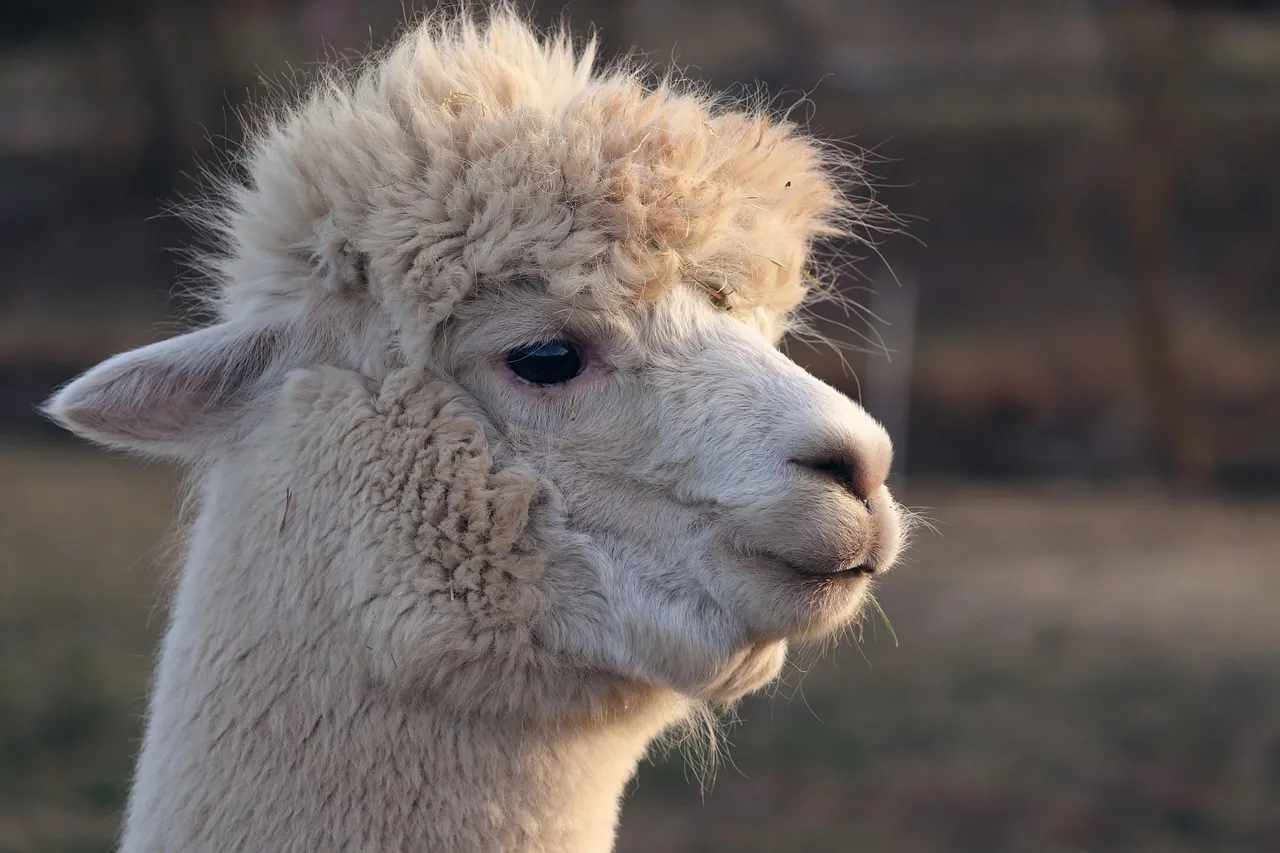
With a gentle nature and agile abilities, the llama leaves little trace on a trail. Their natural inquisitiveness and relentless curiosity, displayed in their ears, eyes, and characteristic hum, may draw attention to wildlife that trekkers might otherwise miss entirely. That kind of awareness is hard to cultivate when you’re moving at a brisk clip.
Trail Etiquette That Protects the Pace
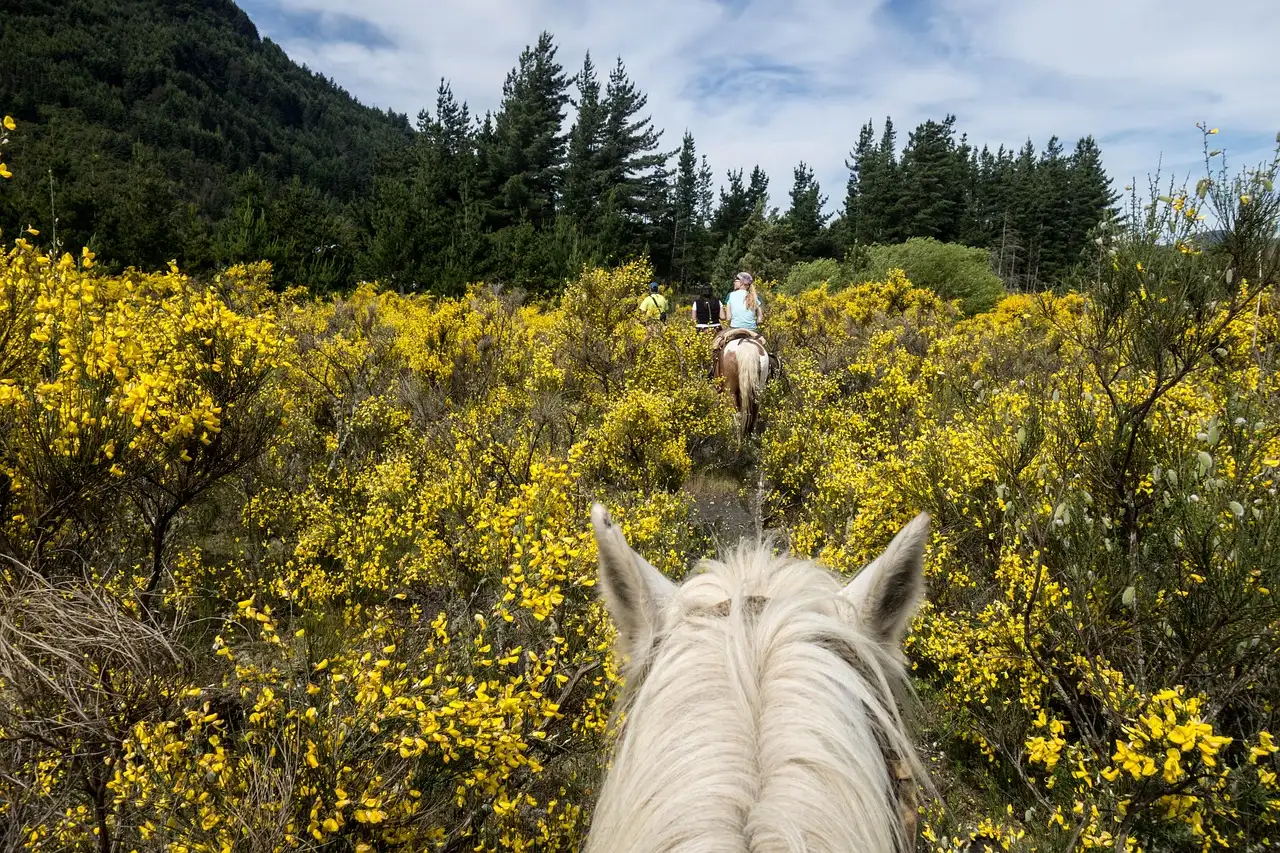
Trekkers are likely to meet horse parties on the trail, and etiquette requires calling out to them as soon as they are within earshot to announce the presence of llamas, then getting off the trail, ideally by fifty feet or more. This kind of proactive courtesy prevents the sudden stops and stress that can throw off a group’s rhythm entirely.
Llamas are generally less skittish than horses, but horses may react nervously when they encounter llamas. Guides train their groups to handle these moments calmly and efficiently, since a smooth yield keeps both animals and trekkers composed and allows everyone to return to pace quickly.
Guide Qualifications and the Safety Net Behind a Good Pace
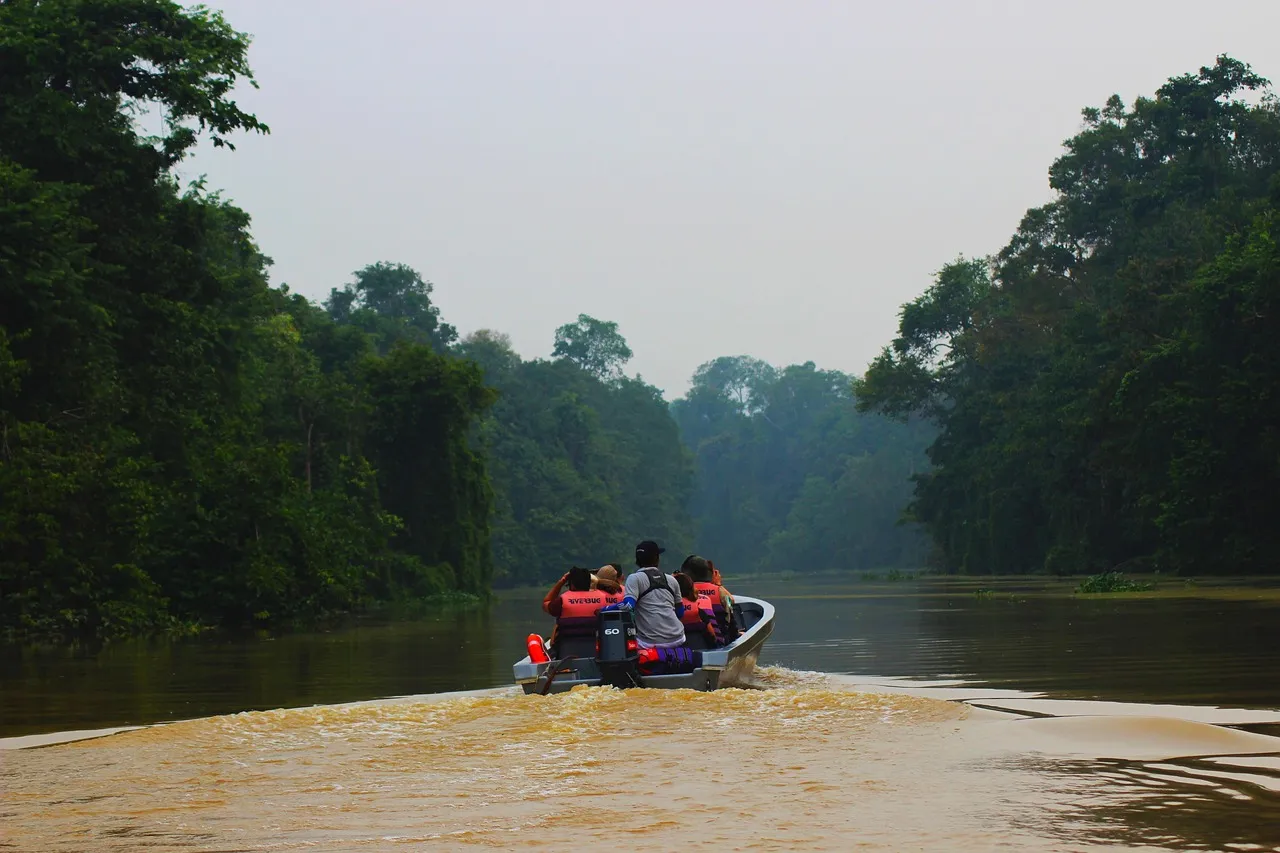
Llama trek guides typically come from varied outdoor backgrounds as backpackers, skiers, and outdoor enthusiasts, and are trained in wilderness first aid. That training matters in remote terrain, where a twisted ankle or a sudden weather shift can change the calculus of pace entirely. A well-trained guide adjusts the plan without drama.
In national park settings, the standards are codified. Packing guides are required to understand the hazards involved and prepare participants for conditions they may encounter. They must hold current standard first aid and CPR certification and ensure that all members of the group are properly clothed and equipped for the trip. That infrastructure behind the scenes is what allows the pace to stay genuinely comfortable rather than just optimistic.
The Broader Context: Why Slow Trekking Is Having a Moment
Llama trekking sits comfortably within a broader cultural shift toward intentional, slower outdoor experiences. By 2023, the expansion of “slow travel” and “digital detox” hiking packages had already become a measurable trend within the global trekking market. Llama treks, with their built-in pace constraints, are a natural expression of that sensibility.
The hiking tourism market was valued at just under fifty billion dollars in 2025 and is projected to nearly double by 2034. Within that growth, experiential and animal-assisted treks represent one of the more distinctive niches, appealing to travelers who want something more layered than a solo trail run. A rising interest in outdoor activities and growing awareness of health and wellness continue to drive participation, with hiking increasingly recognized for its physical and mental benefits.
The Takeaway That Guides Already Know
The pace that keeps everyone comfortable on a llama trek is not a compromise. It is the point. At one and a half to two miles per hour, with rest intervals built into the terrain itself, the experience becomes something that neither a fast hike nor a lazy stroll can quite replicate.
What guides have understood for years is that the llama doesn’t just carry your gear. It carries your permission to slow down. The trail looks different at two miles per hour. Most people come away wishing more of their outdoor life moved at that speed.
AI Disclaimer: This article was created with the assistance of AI tools and reviewed by a human editor.