
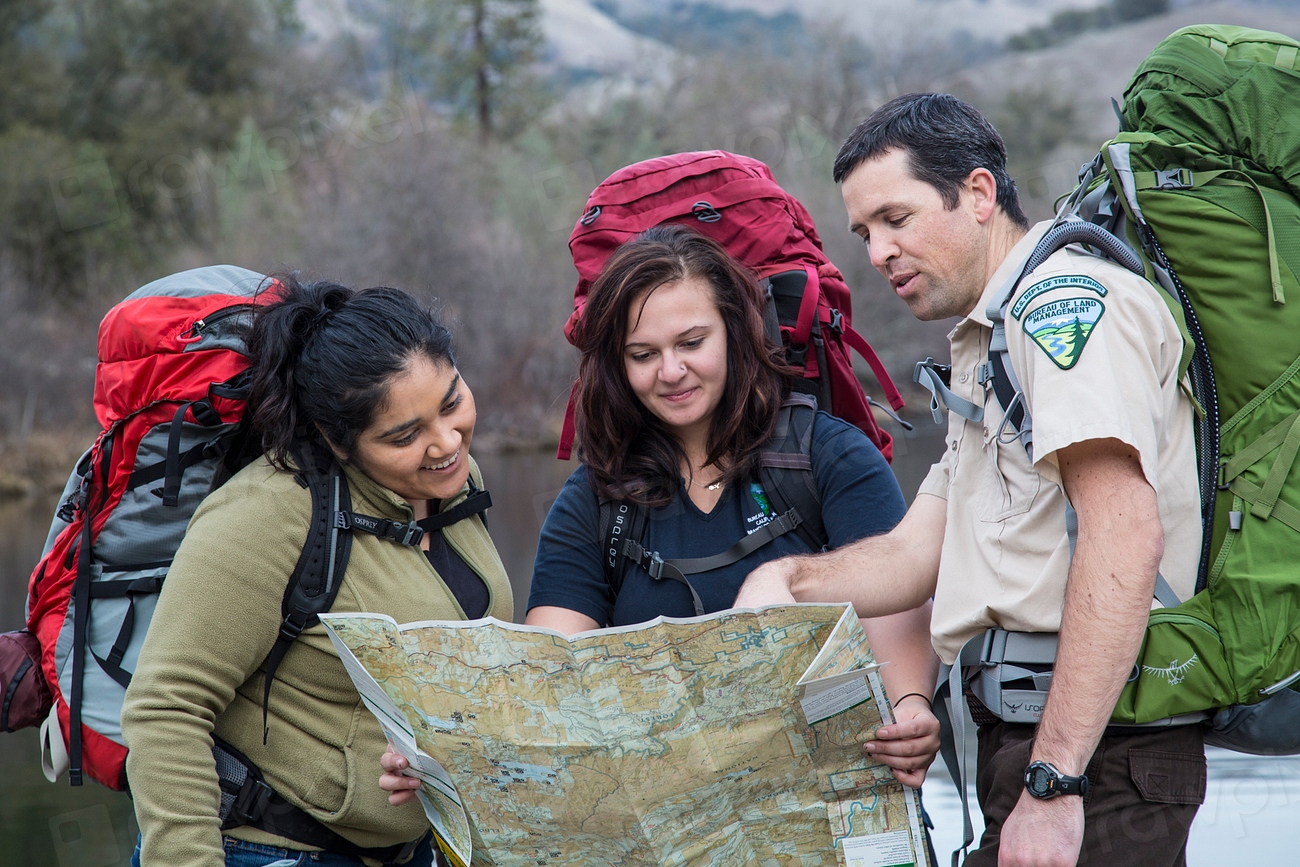
There’s a moment most travelers know well. You’re standing in a square that every guidebook has described as unmissable, surrounded by fifty other people taking the exact same photo, and something quietly deflates. This, somehow, was supposed to be the point.
The good news is that local guides across the world have quietly been pointing to a fix – and it’s simpler than most people expect. It comes down to a single question, asked at the right moment, to the right person. What follows are ten things those guides want every traveler to understand before they even land.
The Question Itself: “Where Do You Actually Go?”
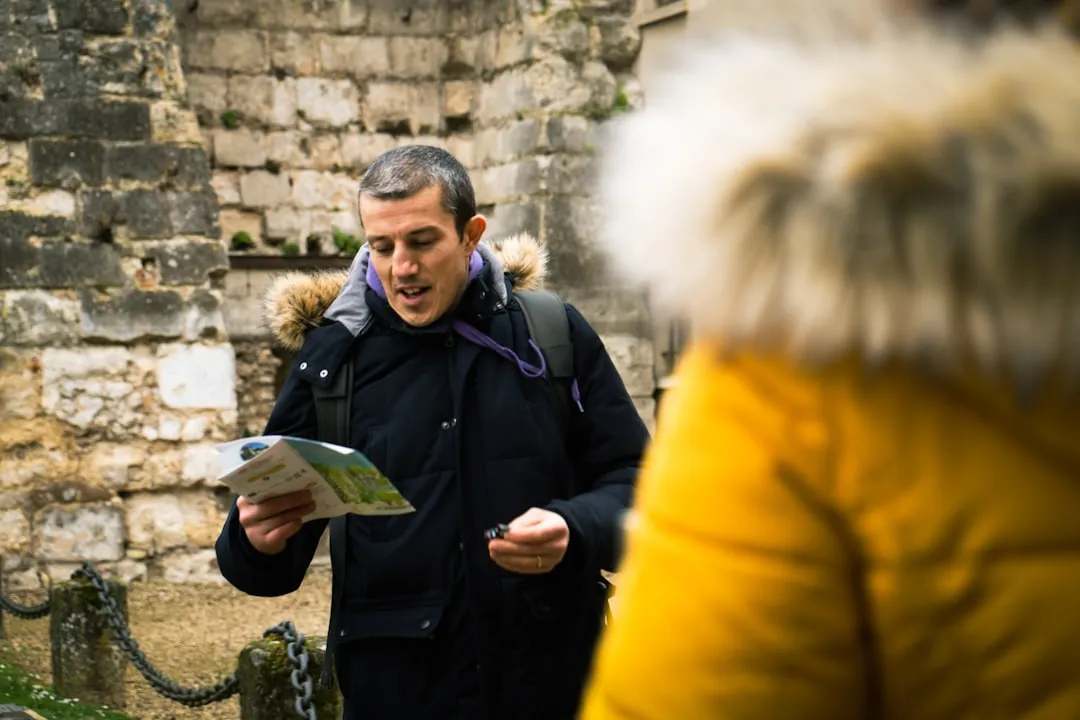
The single best way to discover off-the-beaten-path places is by listening to local recommendations. People who live in a place know the seasonal rhythms, the hidden viewpoints, and the small places that tourists miss. The question isn’t “what should I see?” – that’s what every brochure answers. It’s “where do you actually go?” Phrased that way, it signals to the local that you’re not looking for a performance. You want the real version.
Strike conversations at markets, on buses, or with your guesthouse host, and be specific about your interests. Specificity is the key. Asking a hostel receptionist where they eat lunch on a weekday will almost always produce a better answer than asking where the best restaurant in town is.
Why the Tourist Path Has Gotten So Crowded
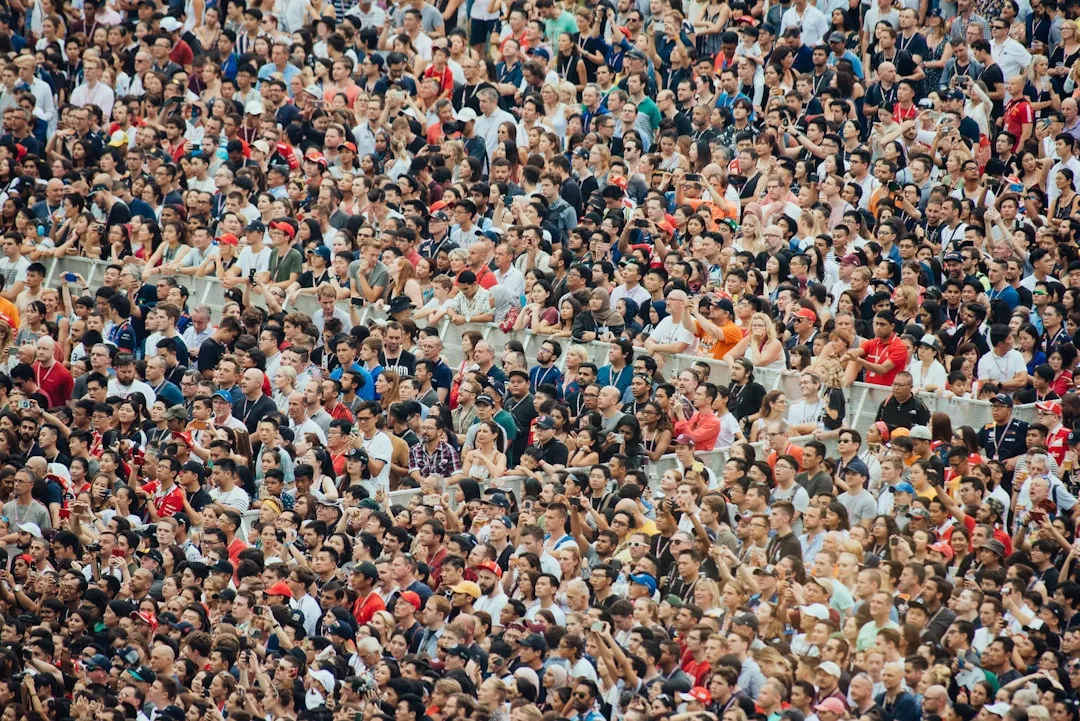
Overtourism occurs when visitor numbers exceed a destination’s sustainable capacity, leading to overcrowding, environmental degradation, and strained resources. This phenomenon is often driven by the popularity of destinations amplified by social media, marketing campaigns, and budget travel options. The algorithmic loop of travel content has made this worse. The same ten spots get photographed, shared, ranked, and flooded with visitors, year after year.
In 2024, Santorini, Greece, saw reports of up to 18,000 cruise passengers overwhelming the island daily, straining resources for its 15,000 residents. In Barcelona, local protests erupted over concerns that 32 million annual visitors were driving up housing costs and disrupting local life. These aren’t edge cases. They’re symptoms of a system that routes everyone to the same places.
The Demand for Something More Real
According to global consumer surveys conducted in late 2024 and early 2025, more than 78% of leisure travelers across 20 major markets indicated that having at least one memorable, locally authentic experience was a primary trip-planning criterion, up from 61% in 2020. That’s a meaningful shift in a relatively short span of time.
The tourism industry faces a notable tension: 74% of travelers want meaningful, educational experiences, yet fewer than 10% receive them at major destinations, despite the sustainable tourism market reaching $3.23 trillion in 2024. The gap between what people are looking for and what standard tourism actually delivers has never been wider.
Who You Ask Matters as Much as What You Ask

Not everyone knows good food, and everyone has a different opinion on what makes somewhere worth visiting. The real question is whether you’re looking for the best food or the best atmosphere. The same logic applies to everything. Not every local is equally positioned to answer every question.
When asking locals, direct your question toward chefs, bartenders, anyone in the food industry, or someone you’ve spoken with who clearly demonstrates they are interested in the subject. A taxi driver might know the best shortcut through the city. A schoolteacher might know where the quietest park is. Match your question to the person’s world.
Food Is the Fastest Door Into a Culture
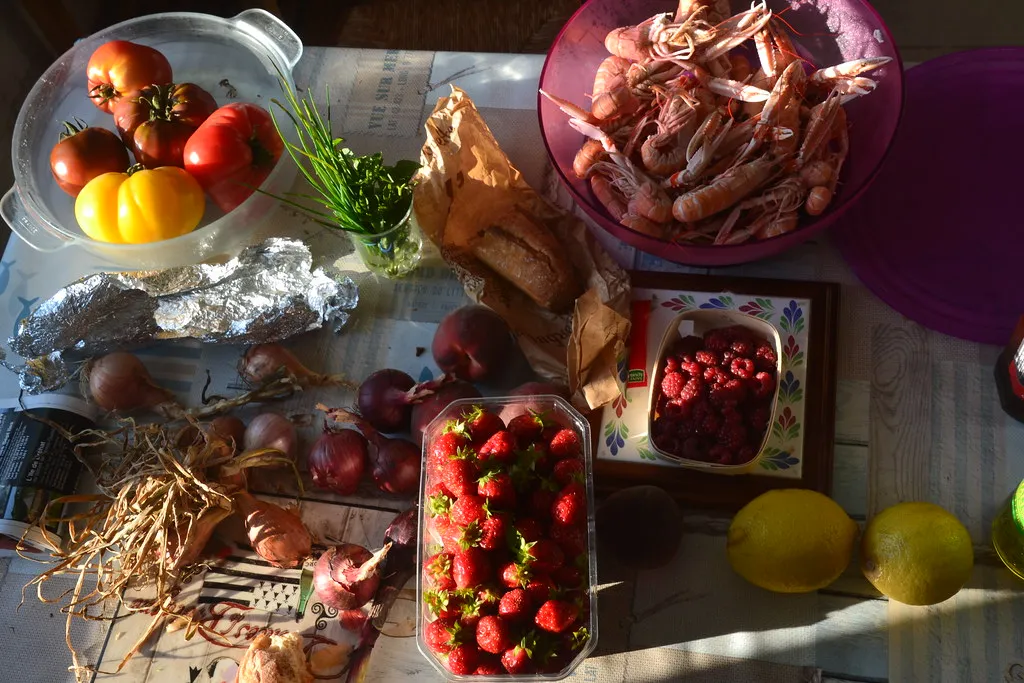
If you pass on the local cuisine, you’re missing out. This question could be a two-part query: what do you eat, and where? You may be surprised to know that the hole-in-the-wall spot you’d have walked past is a local favourite. Food is rarely neutral. It carries history, season, memory, and economics in every dish.
There’s really no doubt that one of the best ways to get to know a place and its culture is to try the local cuisine. Traditional dishes can give specific insights into the customs, lifestyle, and even history of a destination. Asking a local what they actually eat on a Tuesday – not what they’d recommend to impress a guest – is where the real answers live.
Slow Down: The Shoulder Season Advantage
The 2025 Hilton Travel Trends Report highlights a growing trend: as life accelerates, “slow travel” – the desire to travel like a local – is on the rise. Specifically, 73% of global travelers now seek more authentic, local experiences to fully immerse themselves in a culture. Slow travel isn’t about spending more time doing less. It’s about giving yourself the conditions to actually notice things.
Visiting during shoulder season is one practical way to support this. When the crowds thin out, locals reappear in their own neighborhoods, and conversations happen more naturally. The question “where do you actually go?” lands differently when you’re not shouting it over a tour group.
The Shift Away from Landmark Chasing
According to the American Express 2026 Global Travel Trends Report, 87% of global respondents like to leave room in their itinerary for unexpected local discoveries. Additionally, 76% say they’re likely to do something adventurous or outside their comfort zone while traveling, and 83% of Millennial and Gen Z respondents say they prioritize unique, authentic experiences over popular tourist attractions.
In 2025, American travelers are looking for more than just ticking off famous landmarks. According to booking data from GuruWalk, a platform for free walking tours, there’s a growing trend toward exploring local neighborhoods, uncovering hidden histories, and experiencing destinations in a more meaningful way. The data reflects what many seasoned travelers already sensed: the checklist model of tourism is losing its appeal.
Community-Based Tourism Is Quietly Growing

In response to overtourism pressures, some destinations are fostering community-based tourism initiatives that prioritize local engagement and benefit-sharing, ensuring that tourism growth is sustainable and inclusive. These models tend to produce exactly the kind of experience travelers are searching for, because they’re designed around what communities value, not what marketing departments think visitors want to see.
According to the 2025 Booking.com Travel and Sustainability Report, 73% of travelers want their spending to go back to the local community, and 69% now want to leave the places they visit better than when they arrived. Asking locals where they go isn’t just good travel strategy. When it leads you to locally owned businesses and neighborhood spots, it also puts money where it does the most good.
Learning a Few Words Changes Everything

Learning basic phrases, using translation tools, respecting local customs, observing and adapting to cultural norms, and asking for help are key strategies for effective communication and cultural sensitivity. Even a rough attempt at the local language signals something important: that you’re here as a guest, not a consumer.
When you ask “where do you actually go?” in even broken Italian, Thai, or Portuguese, the response tends to be warmer and more specific than when the question arrives in English with full confidence. The effort itself is the message. It says you understand this place belongs to someone else, and you’d like to be invited in.
What Responsible Travel Looks Like in Practice
According to the Booking.com Sustainable Travel Report 2024, 71% of travelers say they want to leave the places they visit better than when they arrived, up 5% from 2023. That’s an intention that needs a method. Good intentions without good questions tend to keep people on the tourist path by default.
Travelers may opt for farm-to-table dining experiences, guided heritage walks led by residents who share personal stories and historical insights, and other activities that offer richer and more personal encounters, forging enduring connections long after the journey ends. The question “where do you actually go?” is a starting point, not a complete strategy. Used well, it opens conversations that no guidebook could ever pre-script.
The Takeaway

The tourist path exists because it’s efficient. It packages a place into something manageable, repeatable, and photographable. There’s nothing wrong with that – but it was never meant to be the whole story.
The question that local guides keep pointing to isn’t magic, and it doesn’t work every time. What it does is shift the dynamic of the conversation. Instead of asking a local to perform their city for you, you’re asking them to share it. That’s a small but meaningful distinction, and it turns out to be exactly the kind of thing that leads somewhere worth going.
AI Disclaimer: This article was created with the assistance of AI tools and reviewed by a human editor.