
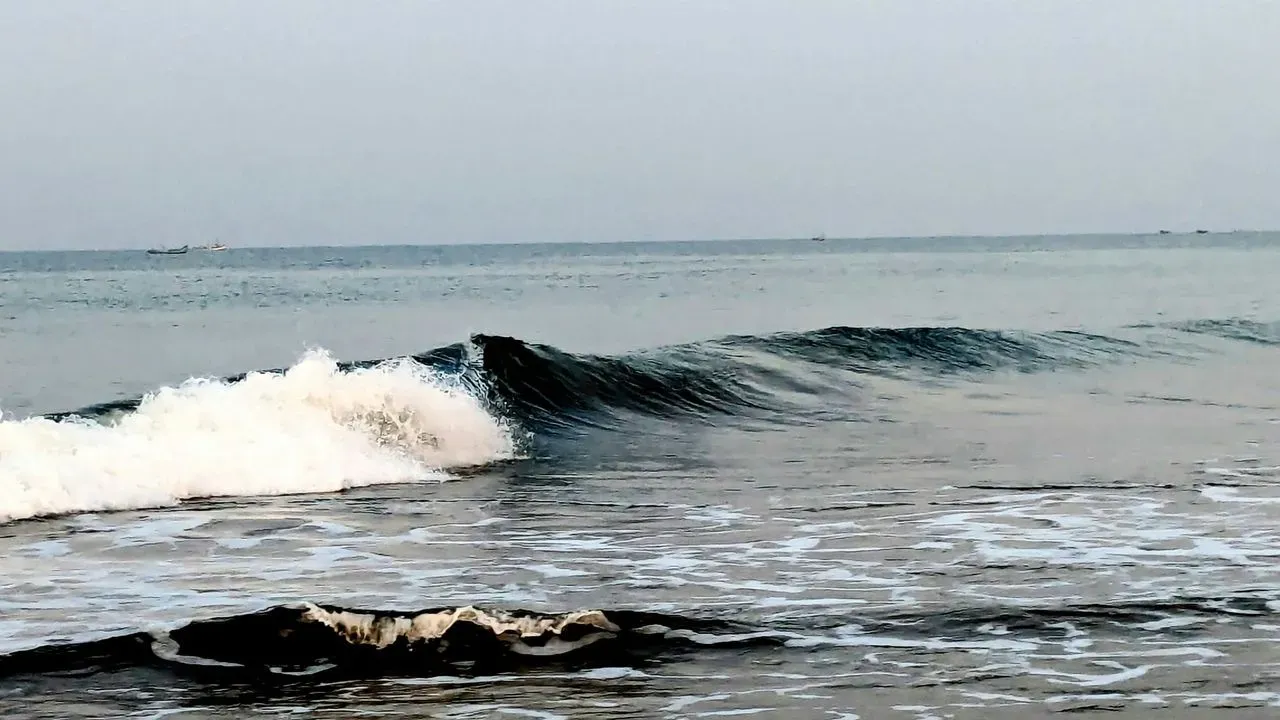

Long Beach’s peninsula has long drawn people who appreciate its sheltered shoreline and easy access to the water. A substantial breakwater stands offshore, positioned to blunt waves arriving from the west while leaving one narrow stretch exposed to swells that roll in from the south. That exposure has produced noticeable effects along that limited section this year, with further change anticipated. The Los Angeles Times has reported on these coastal dynamics and their implications for the area.
The Breakwater’s Design and Its Everyday Role
The breakwater functions as a deliberate engineering feature meant to calm waters along most of the peninsula. By interrupting western swells, it creates conditions that support calmer recreation and protect infrastructure in the broader coastal zone. Residents and regular visitors have come to rely on that relative stability for daily activities along the shore. ([1])
Its placement reflects long-standing decisions about how to manage wave energy in this part of Southern California. The structure does not eliminate all wave action; instead, it channels protection toward certain directions while allowing natural processes to continue elsewhere. This selective effect is a defining characteristic of the local coastline.
How Southern Swells Reach One Specific Stretch
Waves traveling from the south encounter fewer obstacles before they reach the peninsula. Because the breakwater is oriented primarily against western energy, southern swells can arrive with greater force along that single narrow segment. The result is a localized difference in wave impact that stands out against the otherwise moderated shoreline.
Over time, this pattern has shaped how the area looks and feels. The contrast between protected sections and the exposed stretch illustrates the complex interplay between human-built features and the ocean’s natural movement. Observers note that the difference becomes especially clear during periods of stronger southern swell activity.
Observed Changes This Year and What Comes Next
Conditions along the exposed stretch have drawn attention in recent months. Reports indicate that the area has experienced measurable effects from the ongoing wave action, with expectations that similar or intensified patterns could continue. Local stakeholders, including residents and city officials, are monitoring developments closely.
These shifts represent one chapter in the peninsula’s longer relationship with the sea. Communities along the coast routinely adapt to evolving conditions, and the current situation fits within that ongoing story. The focus remains on understanding the mechanics rather than assigning alarm.
Visiting Responsibly While Conditions Evolve
Thoughtful travelers can still enjoy the peninsula’s distinctive character by paying attention to current conditions and local guidance. Checking updated reports on wave activity helps visitors choose times and locations that align with calmer periods along the more protected stretches. Supporting businesses that emphasize sustainable practices further contributes to the area’s well-being.
Respect for the shoreline includes staying on designated paths, avoiding sensitive zones, and leaving no trace of a visit. Many people find that learning about the breakwater and the south-swell dynamic adds depth to their experience, turning a simple beach outing into a more informed appreciation of coastal processes. The peninsula continues to offer its particular blend of accessibility and natural setting for those who approach it with care.
AI Disclaimer: This article was created with the assistance of AI tools and reviewed by a human editor.